Table of Contents >> Show >> Hide
If your bones could send you a text when they were in trouble, osteoporosis would be much less scary.
Instead, this “silent” bone disease often whispers for years and then suddenly announces itself with
a broken wrist, a painful back, or a hip fracture after what seemed like a minor fall. Not ideal.
In this guide, we’ll walk through what osteoporosis actually is, the symptoms to watch for, the main
types of osteoporosis doctors talk about, and why understanding those types can shape your treatment
and lifestyle plan. Think of it as a friendly explainer with a serious mission: helping you protect
your bones for the long haul.
What Is Osteoporosis?
Osteoporosis is a disease that makes bones weak, less dense, and more fragile. Healthy bone looks a bit
like a tightly woven honeycomb. With osteoporosis, that honeycomb develops bigger holes and thinner walls,
so bones are more likely to break, even from a simple fall or sometimes from everyday activities like
bending, coughing, or lifting a grocery bag.
In the United States alone, tens of millions of adults over 50 either have osteoporosis or low bone mass
that puts them at high risk for it. National survey data suggest that more than 10 million people already
have osteoporosis and over 40 million more have low bone density.
How Healthy Bones Normally Work
Bone isn’t just a rigid stick inside your body; it’s living tissue. It constantly remodels itself through
a balance of:
- Bone breakdown (resorption) – old bone is removed.
- Bone building (formation) – new bone is laid down.
In youth and early adulthood, building usually beats breakdown. Later in life, especially after menopause
in women and with aging in everyone, bone breakdown can win the race. When bone loss outpaces bone formation
long enough, bone density falls to the point where fractures become much more likely that’s osteoporosis.
Who Is at Risk for Osteoporosis?
Osteoporosis can affect anyone, but some groups have a higher risk. Common risk factors include:
- Age: Risk rises significantly after age 50.
- Sex: Women, especially postmenopausal women, are more likely to develop osteoporosis.
- Menopause: The drop in estrogen speeds up bone loss.
- Family history: A parent with osteoporosis or a hip fracture raises your risk.
- Body size: People with smaller, thinner frames often have less bone to lose.
- Lifestyle: Smoking, heavy alcohol use, low calcium and vitamin D intake, and lack of
weight-bearing exercise are all bone “unfriendly.” - Medical conditions: Rheumatoid arthritis, thyroid or parathyroid disorders, digestive
diseases that affect nutrient absorption, and some hormone problems. - Medications: Long-term use of glucocorticoids (like prednisone), some seizure drugs,
certain cancer treatments, and others can weaken bones.
Osteoporosis Symptoms: What You May (and May Not) Notice
One of the most frustrating things about osteoporosis is that it usually doesn’t hurt while bone is
quietly thinning. Many people feel completely fine until a fracture happens. Still, there are some
subtle warning signs and later symptoms worth knowing.
The “Silent” Early Stage
During early bone loss, most people have no obvious symptoms. That’s why osteoporosis is
often called a “silent disease.” Routine screening and paying attention to risk factors are critical,
because your bones won’t send a calendar invite when they start losing density.
Later Warning Signs of Osteoporosis
As bone loss progresses, you might notice:
- Loss of height: Shrinking by an inch or more over time can suggest vertebrae
(spinal bones) are compressing. - Stooped posture: A forward-leaning or hunched upper back (sometimes called a “dowager’s hump”)
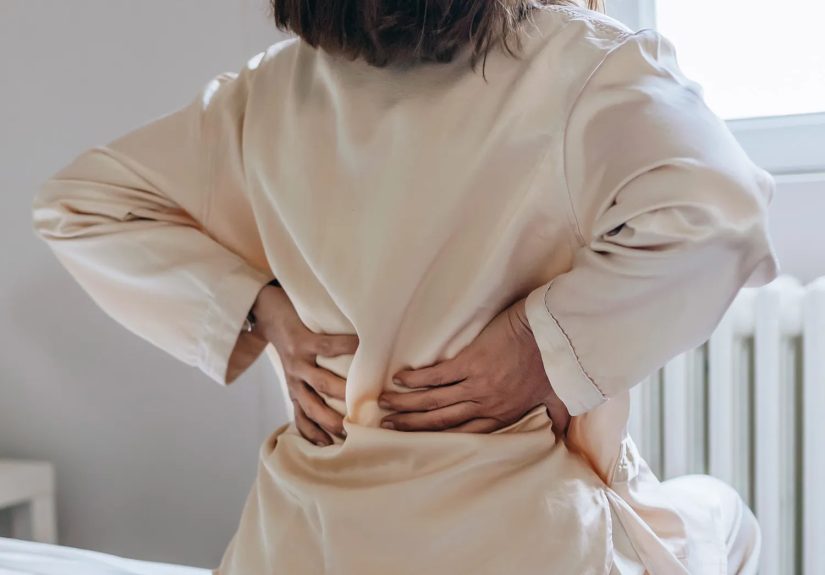
may result from small fractures in the spine. - New or worsening back pain: Sudden, sharp mid- or lower-back pain can arise from a
vertebral compression fracture. - Shortness of breath: Collapsed vertebrae can reduce lung space slightly, making deep
breathing harder. - Weak grip or trouble lifting everyday objects: Weakened bones and muscles often go together.
- Changes in teeth and gums: Receding gums or loose teeth can sometimes reflect bone loss in the jaw.
When a Fracture Is the First Clue
For many people, the first clear sign of osteoporosis is a fracture that seems out of proportion
to the event that caused it, such as:
- A wrist fracture after a minor fall onto an outstretched hand.
- A hip fracture after slipping from standing height.
- Multiple small fractures in the spine, sometimes noticed only because of back pain or height loss.
These are often called fragility fractures, because they happen when healthy bone
would normally hold up just fine.
Types of Osteoporosis
Not all osteoporosis is the same. Doctors usually categorize the disease into
primary and secondary osteoporosis. Understanding which type you have
helps guide treatment and prevention strategies.
Primary Osteoporosis
Primary osteoporosis is the most common category. It happens as a result of the natural aging process
and hormone changes, rather than another specific disease.
Primary osteoporosis is often broken down into:
-
Postmenopausal osteoporosis (Type I):
This form typically affects women after menopause when estrogen levels drop sharply. Estrogen helps
protect bone; when levels fall, bone breakdown speeds up. This type especially affects the spine and wrist. -
Age-related or senile osteoporosis (Type II):
Seen in both women and men usually after age 70 this type is related to gradual bone loss that
comes with aging. The hip and spine are common fracture sites. -
Idiopathic osteoporosis:
“Idiopathic” basically means “we’re not entirely sure why.” This form can appear in younger adults
or even adolescents who don’t have the usual risk factors. -
Male osteoporosis:
Men don’t get the same estrogen drop as women, but age, declining testosterone, certain illnesses,
and medications can still lead to low bone density and fractures.
Secondary Osteoporosis
Secondary osteoporosis occurs when another medical condition or medication directly causes bone loss.
In other words, osteoporosis is a side effect of something else going on in the body.
Common causes of secondary osteoporosis include:
- Long-term use of glucocorticoids (like prednisone) for conditions such as asthma, autoimmune disease, or organ transplant.
- Endocrine disorders (overactive thyroid, overactive parathyroid glands, low testosterone, or Cushing’s syndrome).
- Digestive diseases that reduce nutrient absorption (celiac disease, inflammatory bowel disease, bariatric surgery).
- Chronic kidney or liver disease.
- Certain cancers and their treatments (for example, hormone-blocking therapies for breast or prostate cancer).
In fact, glucocorticoid-induced osteoporosis has become one of the leading causes of osteoporosis worldwide,
following age-related and postmenopausal forms.
Osteopenia: Not Quite Osteoporosis, Still Important
You might also hear the term osteopenia. This isn’t a separate disease type, but a label
for bone density that’s lower than normal but not yet in the osteoporosis range. Many fractures actually
occur in people with osteopenia, so it’s an important early warning zone.
How Osteoporosis Is Diagnosed
Because symptoms can be subtle, diagnosis relies heavily on testing and risk assessment. Doctors look at:
Bone Density Testing (DXA Scan)
The standard test is a dual-energy X-ray absorptiometry (DXA or DEXA) scan. It’s quick, painless,
and uses low-dose X-rays to measure bone mineral density, usually at the hip and spine.
Your results are reported as a T-score:
- Normal: T-score of -1.0 or higher.
- Osteopenia (low bone mass): T-score between -1.0 and -2.5.
- Osteoporosis: T-score of -2.5 or lower.
Even if your T-score later improves, guidelines say a person who has had a fragility fracture or a T-score in the
osteoporosis range should still be considered to have osteoporosis for ongoing management and fracture prevention.
Fracture Risk Tools
Doctors don’t look at bone density alone. Tools like the FRAX® calculator estimate your 10-year risk
of major fractures using factors like age, sex, weight, previous fractures, steroid use, smoking, and bone density.
This helps decide who should start medication and who might focus mainly on lifestyle changes.
Other Tests
To check for secondary causes of osteoporosis, your provider may order:
- Blood tests (calcium, vitamin D, kidney and liver function, thyroid and parathyroid hormones).
- Urine tests to evaluate calcium loss or bone breakdown markers.
- Imaging for suspected fractures or other bone diseases.
Why Understanding Symptoms & Types Matters
Knowing the symptoms and type of osteoporosis you have isn’t just trivia for your next doctor’s visit. It can:
- Guide treatment: Postmenopausal osteoporosis, glucocorticoid-induced osteoporosis, and
osteoporosis linked to another disease may need different medication strategies. - Shape lifestyle plans: A person with multiple spinal fractures may need extra focus on
fall prevention, posture, and pain management. - Support early action: Noticing subtle signs like height loss, receding gums, or a stooped
posture can prompt earlier testing and treatment before a serious fracture occurs.
The bottom line: if something feels “off” your back hurts for no clear reason, you’re shorter than you used to be,
or you’ve had a fracture that seemed too easy it’s worth talking with a healthcare professional about your bone health.
Living with Osteoporosis: What You Can Do
While this article focuses on symptoms and types, it’s impossible not to mention the hopeful part: there’s a lot
you can do to protect your bones, whether you’re trying to prevent osteoporosis or already have it.
- Nutrition: Getting enough calcium, vitamin D, and protein supports bone remodeling.
- Exercise: Weight-bearing and resistance exercises help maintain and sometimes boost bone
density, while balance training reduces fall risk. - Medications: Depending on your fracture risk and type of osteoporosis, your provider may
recommend medicines that slow bone breakdown or stimulate new bone formation. - Fall prevention: Simple home changes (good lighting, removing trip hazards), stable footwear,
and vision checks can dramatically cut fracture risk. - Healthy habits: Not smoking and moderating alcohol intake support overall bone health.
None of these steps replace personalized medical advice, but together they create a powerful toolkit to keep your
skeleton as strong and steady as possible.
Real-Life Experiences with Osteoporosis
Statistics are helpful, but osteoporosis is ultimately a very personal experience. Here are a few composite stories
(based on common real-world scenarios) that show what living with osteoporosis can look like and how paying
attention to symptoms and types can make a meaningful difference.
Maria’s Story: “I Thought I Just Slept Funny”
Maria is 63, a retired teacher who always considered herself “pretty healthy.” One morning, she woke up with sudden,
sharp pain between her shoulder blades. She assumed she’d slept in a strange position and tried to ignore it. When
the pain didn’t improve and she noticed she was struggling to stand up straight, her daughter convinced her to see a doctor.
An X-ray showed a compression fracture in one of her vertebrae, and a DXA scan confirmed osteoporosis with a T-score
below -2.5. Looking back, Maria realized she’d lost more than an inch of height over the past few years and her
posture had gradually become more stooped, but she had chalked it up to “getting older.”
Once she understood that her symptoms were related to osteoporosis, Maria started medication, began a bone-safe
exercise program, and worked with a physical therapist on posture and core strength. She jokes now that she’s
“shorter but stronger” and that paying attention to subtle signs would have helped her start treatment earlier.
James’ Story: “Men Don’t Get Osteoporosis… Right?”
James is 72 and has been on long-term glucocorticoids for severe asthma. When his doctor suggested a bone density
scan, he almost refused. “Isn’t that a women’s thing?” he asked. After some discussion, he decided to go ahead with
testing. The scan showed that he had osteoporosis likely a mix of age-related bone loss and medication effects.
Before the diagnosis, James didn’t notice anything dramatic. He did have hip pain after walking long distances and
he had lost a little height, but he assumed that was just normal aging. His doctor explained that men absolutely
can develop osteoporosis, especially with risk factors like steroids, smoking, or low testosterone.
With that knowledge, James shifted focus: he cut back on smoking, joined a supervised gym program geared toward
older adults, added calcium and vitamin D to his routine (under medical guidance), and started medication to
protect his bones. He’s now the guy at family gatherings reminding everyone especially his brothers to get
their bone density checked.
Lena’s Story: “My First Fracture Was My Wake-Up Call”
At 55, Lena slipped on a wet kitchen floor and landed on her wrist. It wasn’t a dramatic fall, but the pain was
intense. X-rays showed a wrist fracture, and the emergency doctor mentioned the word “fragility fracture.” That
phrase stuck in her mind.
A follow-up DXA scan showed osteopenia, not yet full osteoporosis, but her FRAX score indicated a higher risk for
future fractures. Her mother had broken her hip in her 70s, and Lena had gone through early menopause at 45
both important risk factors. Knowing this put the pieces together: her fracture wasn’t bad luck; it was a warning.
Lena worked with her healthcare team on a plan: more weight-bearing activity, better calcium and vitamin D intake,
fall-proofing her home, and regular follow-up scans. By understanding her “type” of bone loss postmenopausal,
with strong family history she felt less blindsided and more empowered.
What These Experiences Have in Common
Although Maria, James, and Lena have different stories, they share a few themes:
- Symptoms were easy to dismiss: Height loss, back pain, or mild hip aches felt like normal aging.
- Fractures or scan results changed everything: A single wrist or spine fracture often triggers
the first serious conversation about bone health. - Type matters: Postmenopausal changes, medication use, and family history each pointed to
slightly different types and causes of osteoporosis or low bone mass. - Action helped: Once they understood their diagnosis, all three were able to take specific,
practical steps to protect their bones going forward.
If some of these stories sound familiar, consider them an invitation not to panic, but to ask questions,
request appropriate testing, and start treating your bone health as an essential part of your long-term wellbeing.
Conclusion
Osteoporosis doesn’t always announce itself loudly, but its consequences can be life-changing. Understanding the
symptoms from subtle height loss and posture changes to painful fractures and the different types of
osteoporosis helps you and your healthcare team choose the right screening, treatment, and lifestyle steps.
Your bones are literally your support system. Paying attention to them now with smart habits, risk factor
awareness, and timely medical care is one of the best long-term investments you can make in your health. Your
future self (and your future balance) will thank you.