Table of Contents >> Show >> Hide
- First, Identify the Villain: What’s Clogging Your Drain?
- Drain Cleaner Types (and What They’re Actually Good At)
- Our Favorite Drain Cleaners (By Real-World Problem)
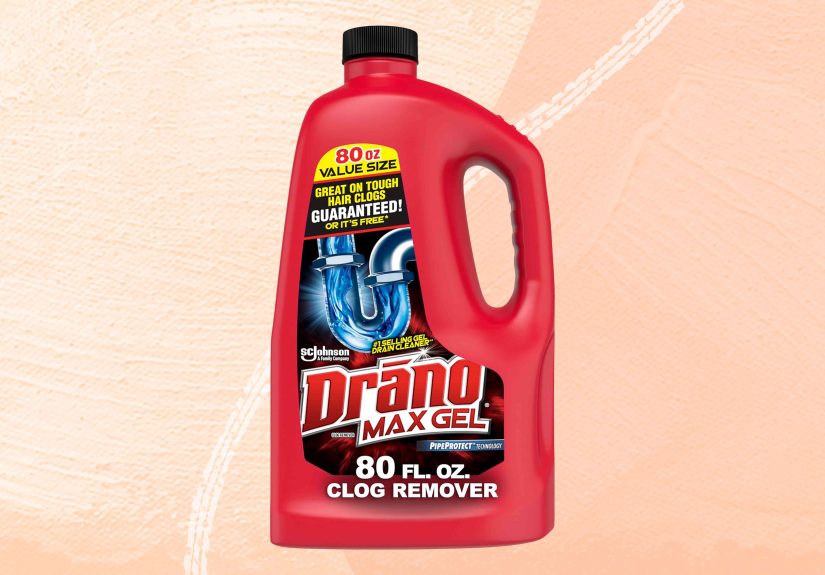
- Best Overall: Drano Max Gel (For Most Everyday Clogs)
- Best for Hair Clogs: Liquid-Plumr Hair Clog Eliminator
- Best for Showers & Tubs: Green Gobbler Drain Clog Dissolver
- Best for Kitchen Sinks (and Stinky Buildup): Bio-Clean (Enzyme/Bacteria Cleaner)
- Best Preventative: CLR Monthly Build-Up Remover (Maintenance Mode)
- How to Use Drain Cleaners Safely (Especially If You’re a Teen)
- When a Drain Cleaner Is the Wrong Tool
- Prevention: The Cheapest “Drain Cleaner” Is a Good Habit
- Real-World Drain Cleaner “Experiences” (What People Commonly Run Into)
- Bottom Line
A slow drain has impeccable comedic timing. It waits until you’re late, then turns your shower into a
shallow wading pool and your sink into a sad, swirling soup. The good news: many everyday clogs can be
handled at homeif you pick the right drain cleaner (and use it safely). The bad news: the “right”
drain cleaner is not “whatever you pour in after three minutes of panic scrolling.”
This guide breaks down the best drain cleaners for real-life clogshair, grease, soap scum, and the
mysterious “gunk” that appears when you swear you don’t even cook. We’ll compare chemical drain openers
vs. enzyme drain cleaners, show you what each does well, and share our favorite picks for different
plumbing problems. No drama, no gimmicksjust practical help (with a little humor, because your drain
already has enough darkness in it).
First, Identify the Villain: What’s Clogging Your Drain?
Drain cleaners aren’t one-size-fits-all. The fastest way to waste time (and possibly irritate your pipes)
is choosing a product meant for the wrong kind of clog. Here’s the cheat sheet:
- Bathroom sink / shower / tub: usually hair + soap scum + body oils.
- Kitchen sink: grease + food particles + soap residue (often sticky and stubborn).
- Garbage disposal: soft food buildup and greasy sludge (plus “whoops, rice”).
- Toilet: typically a physical blockage (paper, “flushable” wipes, or toys with confidence).
- Main line / multiple fixtures backing up: bigger issuedrain cleaner is often not the fix.
If more than one drain is acting up at the same time, you smell sewage, or water is backing up
into a tub when you flushskip the “miracle bottle” phase and talk to a plumber. That’s not defeat.
That’s wisdom.
Drain Cleaner Types (and What They’re Actually Good At)
1) Caustic/Alkaline Cleaners (Fast, Strong, Not Subtle)
These are the classic “clog remover” liquids and gels. They’re designed to break down organic gunk like
hair, grease, and soap scum. They can work quickly, but they also demand respect: ventilation, protective
gear, and zero mixing with other cleaners.
2) Oxidizing Cleaners (Good at Breaking Down Organic Material)
Some formulas use oxidizers that help shred through organic buildup. They’re common in mainstream drain
openers and can be effective for typical sink and shower clogs.
3) Acid-Based Cleaners (Powerful, Higher Risk)
These can be very strong and are often marketed for heavy-duty clogs. They can also be harsher on certain
plumbing situations. If you have older pipes or you’re unsure what materials you have, this is the lane
where “professional advice” starts sounding especially attractive.
4) Enzyme/Bacteria Cleaners (Slow and Steady, Great for Maintenance)
Enzyme drain cleaners don’t “blast” a clog in minutes. They gradually digest organic buildup and are
especially useful for preventing recurring clogs and reducing funk over time. They’re a smart
pick for households that want a gentler approachparticularly when drains slow down frequently.
Our Favorite Drain Cleaners (By Real-World Problem)
We built these picks around the most common household plumbing problems and how people actually use drain
cleaners (sometimes at midnight, sometimes under mild emotional distress). Here are the standouts.
| Best For | Our Pick | Why It Works |
|---|---|---|
| All-around clogs (hair + soap + light grease) | Drano Max Gel | Thick gel clings, works on common bathroom/kitchen buildup |
| Hair clogs in sinks/showers | Liquid-Plumr Hair Clog Eliminator | Made specifically to target hair-heavy blockages |
| Shower/tub slow drains | Green Gobbler Drain Clog Dissolver | Popular for bathroom clogs; often marketed as pipe- and septic-safe |
| Kitchen sink funk + recurring slow drains | Bio-Clean (enzyme/bacteria) | Great for ongoing organic buildup (grease residue, sludge) |
| Preventative monthly maintenance | CLR Monthly Build-Up Remover | Designed for routine buildup control, not emergency rescues |
| Septic system households (extra caution) | Enzyme-based maintenance cleaner | Gentler approach; septic owners should avoid harsh chemical openers |
Best Overall: Drano Max Gel (For Most Everyday Clogs)
When people say “I just need my sink to drain again,” this is the category they mean. A thick gel formula
is designed to cut through hair, soap scum, and greasy residue and keep contact with the clog long enough
to matter. It’s a strong option for typical bathroom and kitchen clogsespecially when the drain is slow,
not completely hopeless.
Best use case: slow drains and standard clogs in sinks, showers, and tubs (not toilets).
Skip it if: you suspect a main line issue or multiple drains are backing up.
Best for Hair Clogs: Liquid-Plumr Hair Clog Eliminator
Hair clogs are basically rope projects your drain never asked for. A hair-focused drain clog remover is
useful because it targets the specific mess that builds up in bathroom drains. If your shower has gone
from “spa” to “swamp,” hair is usually involvedoften with soap and body oils as supporting actors.
Best use case: bathroom sinks, tubs, and showers where hair is the main culprit.
Pro tip: Pair it with a drain hair catcher so you’re not solving the same problem next week.
Best for Showers & Tubs: Green Gobbler Drain Clog Dissolver
This one shows up a lot in “best drain cleaner” roundups for bathrooms because it’s aimed at the classic
shower clog combo: hair + soap scum + gunk. Many versions are marketed as safe for pipes and septic
systems, which appeals to homeowners trying to avoid the harshest chemistry.
Best use case: slow-moving shower and tub drains.
Reality check: even “pipe-safe” doesn’t mean “mix it with other stuff.” One product at a time.
Best for Kitchen Sinks (and Stinky Buildup): Bio-Clean (Enzyme/Bacteria Cleaner)
Kitchen clogs can be sneakier than bathroom clogs. They build slowly: grease coats the pipe, food
particles cling to the grease, and suddenly your sink drains like it’s processing its feelings.
Enzyme drain cleaners are a great match for this long-game problem. They’re not usually the fastest
emergency fix, but they shine for ongoing maintenance and recurring slowdown.
Best use case: recurring slow drains, grease residue buildup, and general “why does this smell?”
Good to know: consistency mattersenzyme cleaners work best when used as directed over time.
Best Preventative: CLR Monthly Build-Up Remover (Maintenance Mode)
Think of this as brushing your teethbut for your pipes. A monthly build-up remover is meant to help
reduce residue before it becomes a full clog. It’s useful for households where drains are usually
okay but occasionally get slow, especially in bathrooms.
Best use case: routine drain maintenance, not an “I can’t see the bottom of the sink” crisis.
How to Use Drain Cleaners Safely (Especially If You’re a Teen)
Drain cleaners can be genuinely hazardous if misused. If you’re under 18, get an adult to handle itor
at least supervise closely. And no matter your age, treat these products like the power tools of the
cleaning aisle.
- Never mix drain cleaners (even two brands that seem similar). Don’t add bleach, vinegar, or other cleaners.
- Ventilate: open a window, run a fan, and don’t hover over the drain like it’s a science fair volcano.
- Protect yourself: gloves and eye protection are worth it.
- Follow the label: contact time matters. Rinsing too early is a common reason products “don’t work.”
- Don’t use a plunger aggressively right after chemicals: splashes are not a fun plot twist.
- Store safely: locked/secured, away from kids and pets, and never in an unmarked container.
If you have a septic system, be extra picky. Many homeowners don’t realize that harsh chemical
drain openers can be a bad idea for septic care. A mechanical method (like a drain snake) or gentler
maintenance approach is often safer for the system.
When a Drain Cleaner Is the Wrong Tool
Here’s when you should skip drain cleaner and switch strategies:
- Toilet clogs: use a toilet auger or plunger made for toilets. Many drain cleaners aren’t intended for toilets.
- Standing water that won’t budge: you may need to physically remove the blockage (hair tool, snake, trap clean-out).
- Multiple drains backing up: could be a main line issuecall a plumber.
- Recurring clogs in the same drain: you likely have buildup or a mechanical issue that needs snaking or professional cleaning.
- Unknown pipe condition (very old plumbing): avoid the strongest options until you know what you’re dealing with.
Prevention: The Cheapest “Drain Cleaner” Is a Good Habit
Want fewer clogs? Stop feeding your pipes the stuff they hate. These small habits prevent the majority of
common plumbing problems:
- Use a hair catcher in showers and tubs (life-changing for long hair households).
- Don’t pour grease down the drain. Let it cool, wipe it, toss it.
- Run hot water after dishwashing to help move soap and residue through.
- Scrape plates into the trash instead of relying on the disposal as a food vacuum.
- Monthly maintenance with an enzyme cleaner can reduce organic buildup over time.
Real-World Drain Cleaner “Experiences” (What People Commonly Run Into)
Let’s talk about the part no label can fully explain: what it feels like in the moment when you’re
staring at a slow drain, deciding whether to try a drain clog remover or surrender to a plumber’s invoice.
Here are a few common, very relatable scenariosand what typically works best.
The Shower That Slowly Becomes a Bathtub
This one often starts innocently. The water is a little slow. Then it’s “slow unless you stand perfectly
still.” Then it’s “why are my ankles wet?” In most homes, the cause is a hair-and-soap clog that forms
like a sticky net just below the drain opening. People often try a chemical drain cleaner first, and it
can helpespecially if the clog is recent. But the most consistent success story is a two-part combo:
remove what you can physically (with a hair tool or small snake) and then use the right cleaner to break
down the leftover gunk that clings to the pipe walls.
The biggest “it didn’t work!” moment happens when the product doesn’t get enough contact time.
Rinsing too early is like taking cookies out of the oven after two minutes because you’re hungry. (We
understand. The cookies still need time.)
The Kitchen Sink That Smells Like Regret
Kitchen clogs are often more about buildup than one dramatic blockage. Grease doesn’t usually
clog a pipe instantly; it slowly coats it, and then everything sticks to that coating. People commonly
report that a harsh chemical opener gives a short-term improvement, but the slow drain returns because
the greasy film is still there. That’s where enzyme drain cleaners feel like the responsible adult in the
room: they’re not flashy, but used consistently, they can reduce the organic sludge that keeps grabbing
bits of food and soap.
A common kitchen “experience” is over-correcting: using one product, then immediately trying another,
then adding something like bleach “for freshness.” Don’t do that. Mixing cleaners can create dangerous
reactions and fumes. The safest move is one product at a time, used exactly as directed, with plenty of
ventilation.
The Bathroom Sink That Drains… Eventually
This is the slowest, most passive-aggressive clog category. The sink does drainjust slowly enough to
make brushing your teeth feel like an activity with a suspense soundtrack. Most of the time, this is
toothpaste residue, soap scum, and hair (especially if shaving happens at that sink). People tend to get
the best results when they treat it as a maintenance problem rather than an emergency:
a monthly build-up remover or enzyme cleaner, paired with quick habits like not rinsing chunky gunk down
the drain.
And here’s a surprisingly frequent “experience”: the clog isn’t in the pipe wall gunkit’s in the
pop-up stopper assembly, where hair can snag and collect. In those cases, even the best drain
cleaner can feel underwhelming because the blockage is basically a tiny, gross hair sculpture at the top.
Cleaning that area (carefully) can make the biggest differenceand then a preventative cleaner keeps it
from immediately returning.
Bottom Line
The best drain cleaner is the one that matches your clog. Use a targeted hair clog remover for bathrooms,
consider enzyme cleaners for long-term buildup and maintenance, and treat strong chemical drain openers
with serious respect. If the problem involves multiple drains or keeps coming back, don’t keep pouring
money down the drainget a mechanical tool involved (like a snake) or call a pro.
Your plumbing doesn’t need constant drama. It just needs you to stop feeding it grease, catch the hair,
and choose the right bottle when things get… swampy.