Table of Contents >> Show >> Hide
- Who Was Stan Bitters, and Why Does His Birdhouse Matter?
- What Makes a Stan Bitters Birdhouse Different?
- Can a Stan Bitters Birdhouse Actually Work for Birds?
- How to Style a Stan Bitters Birdhouse Outdoors
- What to Look for Before You Buy or Hang One
- Why the Stan Bitters Birdhouse Still Feels Fresh
- The Experience of Living With a Stan Bitters Birdhouse Outdoors
- Final Thoughts
Some garden objects are so practical they barely deserve a second glance. A hose reel? Useful. A compost bin? Noble. A plastic owl meant to scare off squirrels? Questionable, but committed. Then there is the Stan Bitters birdhouse, which manages to do something much harder: it functions as outdoor shelter while also looking like a small piece of California design history dropped into your backyard.
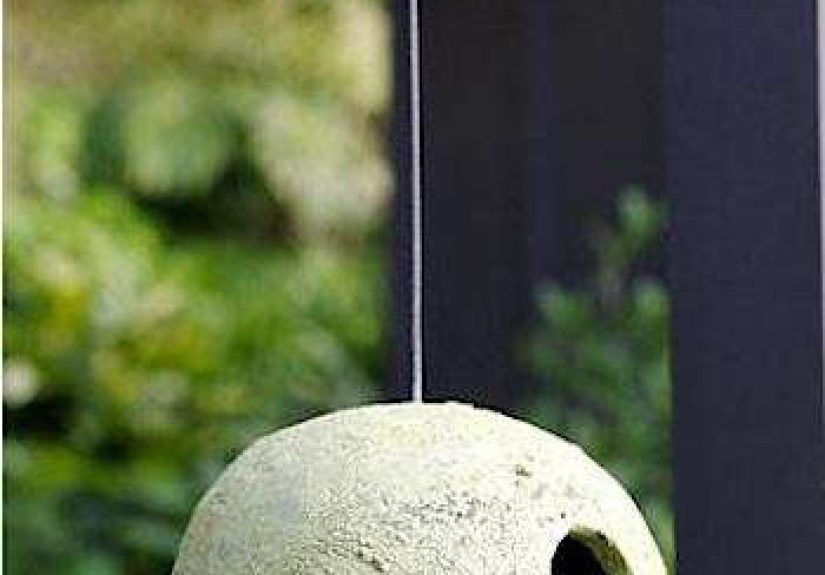
If you love outdoor birdhouses but flinch at anything too cutesy, a Stan Bitters ceramic birdhouse feels like the antidote. It is sculptural, earthy, and gloriously unconcerned with cottagecore clichés. Instead of pretending to be a tiny colonial mansion for sparrows, it leans into what made Bitters famous in the first place: rough texture, honest clay, strong silhouette, and that distinctly organic-modern attitude that turns an object into architecture.
But here is the real question: is a Stan Bitters birdhouse merely stylish garden decor, or is it a serious outdoor nesting structure? The best answer is this: it can be both, but only when you think like a designer and a bird. That means appreciating the artistry while paying attention to placement, ventilation, drainage, predator protection, and the habits of the local species you hope will move in.
This guide takes a close look at what makes the Stan Bitters birdhouse special, why it still matters in modern outdoor design, how it fits into a bird-friendly landscape, and what kind of experience it creates in a yard, patio, or garden room. In other words, we are talking about form, function, feathered tenants, and the rare backyard object that can make your outdoor space feel smarter without becoming smug about it.
Who Was Stan Bitters, and Why Does His Birdhouse Matter?
Stan Bitters earned a lasting reputation as one of the most recognizable figures in California ceramics and organic modernist design. His work moved comfortably between art, architecture, and landscape. He created murals, planters, fountains, tiles, fireplaces, hanging lanterns, and birdhouses that looked less like accessories and more like fragments of the earth arranged by someone with very good instincts.
That background matters because the Stan Bitters birdhouse was never just a novelty item. It emerged from the same design language that shaped his larger environmental ceramics. The birdhouse carries the DNA of the rest of his work: tactile surfaces, handmade presence, sculptural weight, and an ability to look perfectly at home among gravel, cactus, decomposed granite, stucco walls, weathered wood, and midcentury lines.
In practical terms, that means the birdhouse does what the best garden objects do. It anchors space. It catches the eye from across a patio. It looks as good hanging near a courtyard wall as it does near a tree branch. And unlike trendy outdoor decor that screams for attention and then dates itself six months later, Bitters’ style ages with remarkable grace. The piece looks ancient and modern at the same time, which is a neat trick for something built to host birds.
What Makes a Stan Bitters Birdhouse Different?
A sculptural outdoor object first, a birdhouse second, and that is not an insult
Many birdhouses are designed backward. They start with decoration and end with a confused bird. A Stan Bitters birdhouse starts with material and shape. Its rounded ceramic form, weather-tolerant cord, and hand-thrown character give it visual authority. It does not look mass-produced because the whole point is that it does not. The irregularity is the charm.
That handmade look is especially important in the garden, where polished perfection can read as fake. A Bitters birdhouse has texture that works with outdoor light. Morning sun reveals ridges and shadows. Late afternoon gives the clay warmth. On cloudy days, it still has presence. That is one reason collectors, architects, and design-minded homeowners continue to admire his smaller objects as much as his monumental work.
The material has personality
A ceramic birdhouse simply behaves differently than a standard painted wood box. It has heft. It feels cooler to the touch in mild shade. It reads as an art object even when empty. It also ages differently. Good clay does not ask for the same kind of cosmetic upkeep that many painted wooden birdhouses demand. No peeling trim, no tiny faux shutters, no embarrassing “rustic” sign that says WELCOME BIRDS as if the marketing team got involved.
That said, ceramic is not magic. If an outdoor birdhouse is going to function for nesting, the details still matter. The entrance size must suit the target species. The house needs protection from extreme sun and driving weather. It should not swing wildly like a backyard pendulum auditioning for a physics class. Birds prefer shelter that feels safe and stable, not an avant-garde thrill ride.
Can a Stan Bitters Birdhouse Actually Work for Birds?
Yes, but only when expectations are realistic. A beautiful birdhouse is not automatically a successful nest box. Birds care less about design cred and more about survival. They want the right entrance hole, enough interior protection, good drainage, airflow, species-appropriate dimensions, and reduced access for predators.
This is where many homeowners get tripped up. They buy a gorgeous modern birdhouse, hang it wherever it photographs well, and then wonder why no one moves in. Birds are not ignoring your style. They are evaluating safety.
So if you are treating a Stan Bitters birdhouse as a true habitat feature, think through these basics:
1. Species fit comes first
Only cavity-nesting birds use birdhouses. That includes species like wrens, chickadees, some bluebirds, nuthatches, and swallows, depending on your region. Cardinals, robins, and hummingbirds are not browsing modernist ceramic rentals. They are looking elsewhere.
That means you should choose and place the birdhouse with a target species in mind. Entrance-hole size is crucial. Too large, and you invite aggressive competitors or predators. Too small, and your intended guest gets turned away like someone showing up to dinner in a car that cannot fit the parking garage.
2. Placement matters as much as the house itself
The best birdhouse placement is stable, protected, and away from obvious predator access. Many bird experts prefer pole mounting with a predator guard because poles are easier to protect than trees and fences. If you hang a ceramic birdhouse, it should be in a sheltered spot where wind is not constantly rocking it and where cats, raccoons, and snakes do not have an easy route.
Orientation matters too. In many climates, it is wise to avoid the harshest afternoon sun. Morning light is usually friendlier. You also want a clear flight path to the entrance and some nearby natural cover, such as shrubs or low branches, without creating an easy ambush point for predators.
3. Ventilation and drainage are not glamorous, but they are essential
No one has ever posted a dramatic before-and-after reel about drainage holes, but birds care deeply. A functional birdhouse needs a way to shed moisture and regulate heat. Stale, damp, overheated interiors are bad news for eggs and nestlings. If you are comparing decorative ceramic birdhouses, this is one of the first design details to inspect.
A serious nest box should also be cleanable. The birds may be wild, but you should not run a permanent no-maintenance hotel with mystery residue from last season. A nest box that cannot be inspected or cleaned is far less useful over time.
How to Style a Stan Bitters Birdhouse Outdoors
Now for the fun part. The Stan Bitters outdoor birdhouse is unusually flexible as garden art. It looks natural in spaces that lean modern, desert-inspired, Japanese-influenced, Mediterranean, and even eclectic cottage gardens that need one disciplined, grounding note.
Best settings for visual impact
Courtyard gardens: Hang it near a stucco wall, gravel bed, or ceramic planter grouping. The contrast between rough clay and quiet architecture is especially effective.
Patios with native plants: Use it as a vertical accent near sages, grasses, manzanita, or drought-tolerant shrubs. It feels collected rather than staged.
Midcentury landscapes: If your yard already includes concrete, aggregate, warm wood, or block walls, this birdhouse will look as though it has always belonged there.
Small urban gardens: Because the form is compact yet expressive, it adds a sculptural note without eating up valuable floor space. That is a win in patios where every square foot already has a job.
The secret is restraint. Do not surround a Stan Bitters birdhouse with too many competing ornaments. It does not need a committee. Let the clay speak.
What to Look for Before You Buy or Hang One
If you are considering a Stan Bitters piece, or a birdhouse inspired by his style, ask a few practical questions before you fall in love at first texture:
Is it intended as real bird habitat or primarily as garden art? There is nothing wrong with either answer, but you should know which lane you are in.
Is the hanging method weather-resistant? Outdoor cords, hooks, and anchors should be sturdy enough for wind and exposure.
Does the house stay relatively stable? A small amount of motion is one thing. Constant spinning is another.
Does it offer drainage and ventilation? If not, admire it as sculpture and stop pretending it is a deluxe avian condo.
Can it be maintained? A beautiful object outdoors still needs occasional inspection.
Does the location support birds? Shelter, water, native planting, and predator reduction matter more than wishful thinking.
In other words, a designer birdhouse deserves the same scrutiny as any other piece of outdoor infrastructure. Good looks help; good judgment finishes the job.
Why the Stan Bitters Birdhouse Still Feels Fresh
The design world has a habit of rediscovering what was already brilliant. Stan Bitters fits that pattern perfectly. His work feels current because it never chased “current” in the first place. He trusted clay, scale, texture, and architecture. That is why a birdhouse designed decades ago can still feel more relevant than something released last week with a breathless product description and five colorways named after oat milk.
There is also a broader appeal here. People increasingly want gardens that do more than look nice from the kitchen window. They want outdoor spaces that feel lived in, habitat-aware, personal, and grounded. A Stan Bitters birdhouse fits that impulse beautifully because it sits at the intersection of art and ecology. It gives you an object to admire and, potentially, a place for wildlife to use. That is a rare double achievement.
The Experience of Living With a Stan Bitters Birdhouse Outdoors
Living with a Stan Bitters birdhouse outdoors is less like adding decor and more like introducing a quiet personality into the garden. At first, you notice the form. The clay has weight, and the roughness catches light in a way smooth surfaces never do. Early in the morning, when the sun is low and your coffee is still too hot to drink, the birdhouse looks almost prehistoric hanging there, as if it had been excavated from a smarter civilization that took both art and birds very seriously.
Then the seasons begin to work on it, and that is when the relationship gets interesting. In spring, the piece feels hopeful. Everything around it is pushing outward: leaves, shoots, pollinators, plans. The birdhouse becomes part of the garden’s promise. You start glancing at it without realizing you are doing it. Is anyone interested? Has something moved in? Is that a wren on the fence, or are you now the kind of person who invents emotional backstories for every brown bird with a tiny attitude problem?
By early summer, the birdhouse starts acting like a visual anchor. Plants get loose and exuberant, patio furniture shifts around, and the yard becomes a little more casual. The Bitters form keeps its composure. It does not disappear into greenery, and it does not fight with it either. That balance is rare. Plenty of outdoor objects either vanish once the garden fills in or demand constant attention like they are campaigning for office. This one simply holds its place.
If birds do begin to use the area, your experience changes again. You become more observant. You notice flight paths, the timing of morning activity, the way small birds pause before committing to an opening. You start thinking more seriously about shade, wind, nearby cover, and whether the route from shrub to perch to shelter feels safe. The birdhouse stops being an ornament and becomes a reason to understand your yard better.
There is also something deeply satisfying about the contrast between the object’s rugged material and the quickness of bird life around it. Clay is slow. Birds are not. The house hangs there with a kind of ancient patience while everything living around it darts, rustles, chirps, vanishes, and returns. That tension gives the garden drama without any melodrama. No fountain soundtrack required.
Guests react in a particular way too. People who care about design notice it immediately. They ask what it is, who made it, where you found it. People who do not care about design still notice it, which may be the highest compliment. They just call it “that cool birdhouse” and stand under it for a second longer than expected. It works on both levels. It is sophisticated without becoming exclusive.
And then there is the emotional part, which is harder to describe but very real. A Stan Bitters birdhouse gives an outdoor space a sense of intention. Not perfection. Intention. It suggests that the yard was shaped by someone who likes texture, wildlife, weather, and objects with soul. It does not scream luxury. It whispers discernment. Even when empty, it feels alive because it is built around possibility.
That may be the best reason people continue to love it. The experience is not only about whether a bird nests there this season. It is about how the piece changes the mood of a garden and the attention of the person living with it. It slows your eye down. It rewards repeat viewing. It makes the yard feel more like a place and less like leftover square footage. In a world crowded with disposable outdoor trends, that kind of lasting presence is a small miracle hanging from a cord.
Final Thoughts
The Outdoors: Stan Bitters Birdhouse story is really a story about what happens when craftsmanship, landscape design, and habitat awareness meet in one object. It is not the cheapest route to backyard birding, and it is certainly not the most ordinary. That is the point. A Stan Bitters birdhouse asks more of you than a generic box from a big-box shelf. It asks you to think about materials, placement, species, weather, and visual rhythm.
But it also gives more back. It gives your garden sculpture with purpose. It gives your patio a touch of California design history. It gives your eye something rich to land on. And when it is thoughtfully placed in a bird-friendly setting, it can offer shelter that matters to the wildlife around you.
That is not just good outdoor decor. That is good outdoor thinking.