Table of Contents >> Show >> Hide
- What Is Pad Thai Gai?
- Key Flavor Elements (So It Tastes Like Pad Thai, Not “Noodles With Vibes”)
- Ingredients
- Equipment
- Before You Cook: The 5-Minute Prep That Saves the Whole Dish
- Step-by-Step: Pad Thai Gai
- Technique Notes: How to Avoid the 3 Most Common Pad Thai Problems
- Easy Substitutions (Without Turning It Into a Different Dish)
- Make-Ahead & Storage
- FAQ
- of Real-World Pad Thai Gai Experiences (The Fun Part)
- Conclusion
Pad Thai is the dish that makes people say, “I could totally cook Thai food at home,” and then immediately order takeout.
Today, we’re doing the first part and the second part (because leftovers exist): a craveable, weeknight-friendly
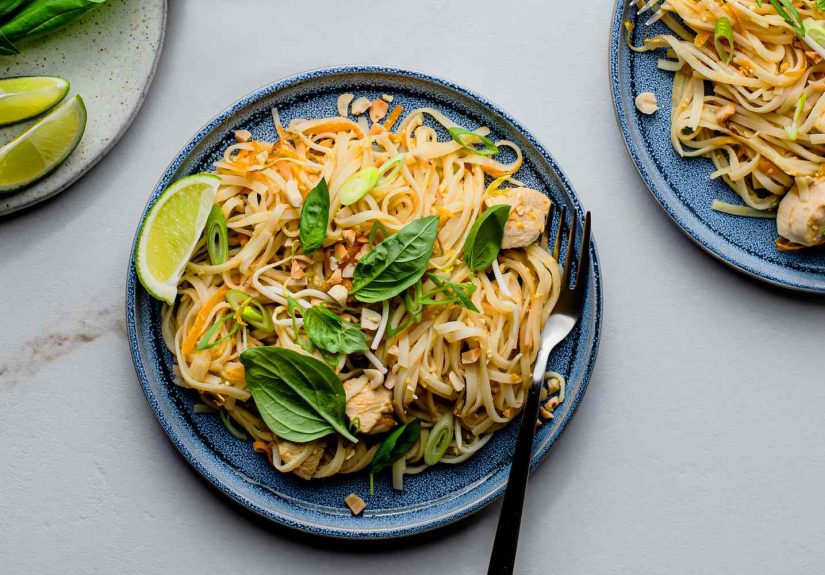
Pad Thai GaiThai stir-fried rice noodles with juicy chicken, a tangy-sweet-salty sauce, eggs, crunchy peanuts,
and that essential lime squeeze that somehow turns “good” into “where has this been all my life.”
This recipe focuses on real-deal flavor and smart technique: how to keep rice noodles chewy (not mushy), how to build a sauce
that tastes balanced instead of “sweet mystery glaze,” and how to stir-fry fast enough that everything stays bright and lively.
If you can prep ingredients, you can cook Pad Thai. If you can’t prep ingredients… you can still cook Pad Thai, but it will be
a little more like a competitive sport.
What Is Pad Thai Gai?
Pad Thai is Thailand’s iconic stir-fried noodle dish, known for its signature balance of
sweet, sour, and salty flavors. “Gai” means chicken, so Pad Thai Gai is the chicken version.
It’s typically made with flat rice noodles, eggs, aromatics, a tamarind-forward sauce, and toppings like peanuts, bean sprouts,
and lime.
Key Flavor Elements (So It Tastes Like Pad Thai, Not “Noodles With Vibes”)
The Classic Sweet–Sour–Salty Trio
- Tamarind for sour, fruity tang
- Fish sauce for salty depth and savory punch
- Palm sugar (or brown sugar) for rounded sweetness
This trio is what makes Pad Thai instantly recognizable. You’ll see plenty of modern riffs (some delicious, some suspicious),
but tamarind + fish sauce + sugar is the core you can build on with confidence.
Texture Is Half the Magic
- Chewy noodles (not soggy, not stiff)
- Juicy chicken (thin slices cook fast and stay tender)
- Soft egg curds for richness
- Crunch from peanuts and bean sprouts
Ingredients
Serves: 3–4 | Time: 35–45 minutes (most of that is soaking noodles and prepping)
Noodles & Protein
- 8 oz flat rice noodles (Pad Thai-style or “rice sticks”)
- 10–12 oz boneless, skinless chicken breast or thighs, thinly sliced
- 2 large eggs
- 2–3 tbsp neutral oil (peanut, canola, avocado), plus a little extra if needed
Aromatics & Stir-Fry Add-Ins
- 2–3 garlic cloves, finely chopped
- 2 shallots (or 1 small onion), thinly sliced
- 1–2 tsp chili flakes or Thai chili paste (optional, to taste)
- 2 cups mung bean sprouts (some for the pan, some for topping)
- 3 green onions, sliced
- 1/3 cup roasted peanuts, chopped
- 1 lime, cut into wedges (plus extra if you’re a lime personno judgment)
Pad Thai Sauce (Makes ~1/2 cup)
- 3 tbsp tamarind concentrate or tamarind paste (see notes below)
- 3 tbsp fish sauce
- 2–3 tbsp palm sugar or packed brown sugar (start with 2, adjust later)
- 1–2 tbsp lime juice (optional for extra brightness)
- 1–3 tbsp water (as needed to loosen sauce)
- 1–2 tsp chili sauce (optional)
Tamarind note: Tamarind products vary a lot. If you have a thick concentrate, you’ll likely need a splash
of water to thin it. If you have a milder paste, you may use a little more. The goal is a sauce that tastes bold and balanced
before it hits the wok.
Equipment
- Large wok or wide skillet (surface area helps the noodles fry instead of steam)
- Mixing bowl for sauce
- Tongs or two wooden spoons for tossing noodles
Before You Cook: The 5-Minute Prep That Saves the Whole Dish
Pad Thai cooks fastlike “blink and your noodles are now one large noodle” fast. So do this first:
- Make the sauce and keep it next to the stove.
- Slice chicken thinly (thin = quick = tender).
- Crack eggs into a bowl and beat lightly.
- Chop aromatics, sprouts, and toppings.
Step-by-Step: Pad Thai Gai
Step 1: Soak (or Prep) the Rice Noodles
Place rice noodles in a large bowl and cover with warm water. Soak until pliable but not fully soft, usually
20–40 minutes depending on noodle thickness. Drain well.
Why soak? Many Pad Thai methods rely on finishing the noodles in the pan, where they absorb sauce and turn
perfectly chewy. Overcooked noodles tend to tear, clump, and lose the bouncy texture you want.
Step 2: Mix the Sauce
In a bowl, whisk tamarind, fish sauce, sugar, and optional chili sauce/lime juice. Add 1 tablespoon water to start, then whisk.
Taste. You want a sauce that is:
- tangy (tamarind-forward)
- salty-savory (fish sauce present, not shy)
- sweet (but not candy)
Adjust with a touch more sugar (if too sharp), a bit more tamarind (if too sweet), or a splash of water (if too intense/thick).
Step 3: Quick-Cook the Chicken
- Heat a wok or large skillet over medium-high heat.
- Add 1 tablespoon oil, then add chicken in a single layer.
- Stir-fry 2–4 minutes until just cooked through. Remove to a plate.
Tip: Don’t overcook the chicken here. It’s coming back to the pan later, and nobody dreams of “extra-dry
chicken souvenir slices.”
Step 4: Scramble the Eggs
- Add a little more oil if the pan is dry.
- Pour in beaten eggs and gently scramble into soft curds.
- Push eggs to one side of the pan (or remove briefly if you prefer more control).
Step 5: Stir-Fry Aromatics
Add garlic and shallots. Stir-fry about 15–30 seconds until fragrant. Keep things movinggarlic burns fast, and burned garlic
tastes like regret.
Step 6: Add Noodles + Sauce and Toss Like You Mean It
- Add drained noodles to the pan.
- Pour in the sauce (start with about 3/4 of it).
- Toss constantly using tongs or two spoons, lifting and folding so noodles absorb sauce evenly.
- If noodles look dry or stiff, add 1–2 tablespoons water to help them loosen and finish cooking.
You’re aiming for noodles that are glossy, tender, and still pleasantly chewy. This usually takes
2–4 minutes once sauce is added.
Step 7: Bring It Home
- Add chicken back to the pan.
- Add half the bean sprouts and half the green onions.
- Toss 30–60 seconds to combine.
- Turn off heat, then add a handful of peanuts (save the rest for topping).
Step 8: Serve Like a Pro
Plate immediately. Top with extra sprouts, peanuts, and green onions. Serve with lime wedges and optional chili flakes.
Let everyone finish their own bowl with limebecause Pad Thai is a “choose your own adventure,” and the best ending is always
“more lime.”
Technique Notes: How to Avoid the 3 Most Common Pad Thai Problems
Problem 1: Soggy Noodles
- Soak noodles until pliable, not fully soft.
- Use a wide pan and high heat so noodles fry instead of steam.
- Don’t drown the pan in sauceadd most, then finish with small adjustments.
Problem 2: Clumpy “One-Noodle-to-Rule-Them-All” Situation
- Drain noodles well (excess water encourages sticking).
- Toss constantly once noodles hit the pan.
- Add small splashes of water only when needed to loosen.
Problem 3: Flat Flavor
- Taste the sauce before cooking and adjust.
- Finish with lime at the table (it brightens everything).
- Don’t skip peanutsthey add richness and texture that reads as “restaurant-level.”
Easy Substitutions (Without Turning It Into a Different Dish)
No Palm Sugar?
Use brown sugar. Palm sugar has a softer, caramel-like sweetness, but brown sugar still gets you close and is widely used as
a practical swap in home kitchens.
No Tamarind?
Tamarind is the signature sour note. If you can’t find it, a mix of lime juice and a touch of rice vinegar can create acidity,
but the flavor won’t be the same. If you want Pad Thai that tastes like Pad Thai, tamarind is worth the hunt.
Gluten-Free?
Rice noodles are typically gluten-free. The main thing to check is your fish sauce (most are gluten-free, but labels vary).
Nut-Free?
Skip peanuts and use toasted pumpkin seeds or crispy shallots for crunch. It won’t be identical, but it will still be wildly
enjoyable.
Want More Veggies?
Add shredded carrots, thin bell peppers, or snap peasjust keep cuts thin so they cook quickly and don’t waterlog the pan.
Make-Ahead & Storage
Make Ahead
- Sauce: Mix up to 3 days ahead and refrigerate.
- Chicken: Slice and refrigerate up to 24 hours ahead.
- Toppings: Chop peanuts/greens in advance for faster weeknight cooking.
Leftovers
Store leftovers in an airtight container in the refrigerator and eat within 3–4 days.
Reheat until steaming hot. For best texture, warm in a skillet with a small splash of water to loosen noodles.
Food safety note: If reheating, aim for an internal temperature of 165°F for hot leftovers.
FAQ
Is Pad Thai supposed to be sweet?
A littleyes. But it shouldn’t taste like dessert. The goal is balance: sweet supports sour and salty instead of dominating it.
If yours tastes too sweet, add more tamarind and finish with lime.
Can I use pre-cooked noodles?
You can, but it’s tricky. Pre-cooked noodles tend to break or turn gummy when tossed hard in a hot pan. Soaking dried rice noodles
usually gives better results.
What cut of chicken is best?
Thighs are more forgiving and stay juicy. Breast works great if sliced thin and cooked quickly.
Why does restaurant Pad Thai taste different?
Heat and speed. Restaurants use very hot burners and cook in seconds. You can get close at home by using a wide pan, cooking in
batches if needed, and keeping everything prepped before you turn on the heat.
of Real-World Pad Thai Gai Experiences (The Fun Part)
If you’ve ever made Pad Thai at home and thought, “This tastes good, but it doesn’t taste like the place I love,” you’re not alone.
Most home-cooked Pad Thai misses the mark for one reason: the cook is trying to cook while the dish is demanding they
perform. Pad Thai is less of a slow dinner and more of a quick, delicious sprintso the experience changes completely when
you treat prep like part of the recipe, not an optional side quest.
One of the most satisfying moments is when the noodles go from “stiff and suspicious” to “silky and bendy” right in the pan.
It happens fast. You’ll toss, you’ll add a splash of water, you’ll toss again, and suddenly everything looks glossy and alive.
That’s when you know you’re doing it rightbecause the noodles aren’t just coated; they’re seasoned. They’ve absorbed the
sauce and taken on the sweet-sour-salty personality that makes Pad Thai feel like a complete dish rather than noodles wearing a sauce
costume.
Another very real Pad Thai experience: the “lime awakening.” You might taste the dish straight from the pan and think it’s close,
but maybe slightly heavy. Then you squeeze fresh lime over the top and everything snaps into focus. The richness lifts, the tamarind
pops, the chicken tastes brighter, and the peanuts suddenly make sense. It’s the culinary equivalent of cleaning your glasses and
realizing the world has been in HD this whole time.
Home cooks also tend to discover their personal Pad Thai identity. Some people love it tangier and keep tamarind as the loudest
flavor in the room. Others like a slightly sweeter finish and add a little extra sugar. Spice lovers chase heat with chili flakes
or chili sauce. And then there’s the texture crowd (the correct crowd, obviously), who pile on sprouts and peanuts so every bite
has crunch, softness, chew, and a little snap.
If you’re cooking for family or friends, Pad Thai Gai has a special kind of table energy. It’s casual, customizable, and somehow
makes everyone hover near the stove like they’re watching a season finale. Serve it right away, put out lime wedges and chili,
and let people build their perfect bite. The bowl disappears faster than expected, someone inevitably asks if there’s more, and you
realize you’ve just created that rare weeknight dinner that feels like a treatwithout needing a reservation, a delivery app, or a
mystery “service fee” that costs more than your peanuts.
Conclusion
Pad Thai Gai is all about balance, prep, and fast stir-fry confidence. Soak your noodles just until pliable, build a tamarind-forward
sauce you actually like, cook hot and quick, and finish with lime. Once you nail the technique, you can riff endlesslymore veggies,
different proteins, extra heatwhile still keeping that unmistakable Pad Thai soul.