Table of Contents >> Show >> Hide
- Why These Old Price Photos Feel Like a Jump Scare
- Before You Panic: A 30-Second Inflation Reality Check
- 30 Pics That Make Your Wallet Do a Double-Take
- Pic #1: A 5-cent postage stamp (1960s vibes)
- Pic #2: The movie ticket that cost less than your parking
- Pic #3: White bread for about fifty cents a pound (1980)
- Pic #4: Eggs under a buck (1980)
- Pic #5: Ground beef for “taco night on easy mode” money
- Pic #6: Coffee that didn’t require a second job
- Pic #7: Milk that cost less than a fancy bottle of water
- Pic #8: Gas for around a dollar (1980 era)
- Pic #9: Electricity at “why is the AC even off?” rates
- Pic #10: A brand-new home for the price of a modern kitchen renovation
- Pic #11: Rent ads that look fake (but weren’t)
- Pic #12: College tuition that didn’t come with a lifelong pen-pal relationship with your lender
- Pic #13: A restaurant menu where “add cheese” costs a nickel
- Pic #14: The haircut price that makes barbers look like time travelers
- Pic #15: Minimum wage nostalgia (and the not-so-funny math)
- Pic #16: A newspaper ad for a brand-new car that costs less than a modern compact’s down payment
- Pic #17: Phone service that used to mean “a cord, a wall, and patience”
- Pic #18: Airfare that’s either shockingly cheap or shockingly notdepending on the decade
- Pic #19: A “luxury” grocery item that became normal (hello, avocados)
- Pic #20: The soda price that makes you wonder if carbonation used to be free
- Pic #21: A fast-food combo for under $3 (1990s energy)
- Pic #22: A bag of chips that mysteriously weighs less than your feelings
- Pic #23: A candy bar for a quarter (or less)
- Pic #24: A magazine for pocket change
- Pic #25: A hotel room rate that looks like a typo
- Pic #26: A doctor visit bill that’s smaller than your copay today
- Pic #27: Family health insurance premiums: the “how did we get here?” category
- Pic #28: Child care costs that used to be “a budget line” and now feel like “a second mortgage”
- Pic #29: A concert ticket that didn’t require a strategic plan
- Pic #30: The “everything is a subscription” shock
- So… Is It Just Inflation, or Are Prices Actually “Out of Hand”?
- How to Use These “Then vs. Now” Pics Without Melting Your Brain
- Conclusion
- Shared Experiences: From the Price-Tag Time Machine
Somewhere on the internet, a perfectly normal person posts a photo of a 1970s diner menu and suddenly we’re all
collectively staring at “Hamburger: 35¢” like it’s an ancient artifact from a lost civilization. Then your brain does
the thing it always does: “So you’re telling me… my paycheck used to buy a small kingdom?”
This “old prices vs. now” trend keeps going viral because it’s relatable, a little infuriating, and weirdly comforting
(in the way that group screaming is sometimes therapeutic). But there’s also real economics behind the sticker shock.
Today we’ll break down what those throwback price tags really mean, what inflation explains (and what it doesn’t),
and share 30 “pics” worth of price whiplashcomplete with context, caveats, and a dash of humor.
Sources and methods, in human terms: For “then” and “now” reference points, this article draws on well-known U.S.
datasets and institutions such as the U.S. Bureau of Labor Statistics (CPI and Average Price Data), the U.S. Census Bureau/HUD
(housing series), the U.S. Energy Information Administration (energy prices), the Federal Reserve Bank of St. Louis (FRED data portal),
the U.S. Department of Labor (minimum wage history), the U.S. Postal Service (postage rates), the National Center for Education Statistics
(tuition trends), USDA Economic Research Service (food prices), CMS (health spending), and KFF/Peterson-KFF (health cost context).
Real life still varies by city, brand, and “how fancy the aisle lighting is.”
Why These Old Price Photos Feel Like a Jump Scare
Prices from the 20th century hit differently because they’re tiny numbers attached to everyday stuff: bread, stamps,
movie tickets, a gallon of gas, a whole house. Your brain doesn’t automatically adjust for inflation, and it definitely
doesn’t adjust for “this product now contains 14 new adjectives on the label.”
When someone shares a 1980 grocery receipt, you’re not only seeing a smaller dollar amountyou’re also seeing a different world:
different wages, different interest rates, different housing supply, different technology, and often different expectations for quality
(safety features, packaging, portion sizes, and “now it’s organic, cage-free, gluten-free, and personally endorsed by a chicken influencer”).
Before You Panic: A 30-Second Inflation Reality Check
Inflation is the long-term rise in the overall price level. It’s why a dollar in 1970 doesn’t buy what a dollar buys now.
The most common yardstick is the Consumer Price Index (CPI), which tracks changes in prices paid by urban consumers for a basket of goods and services.
That basket changes over time, because we change over time (and because nobody in 1975 was budgeting for a monthly streaming subscription and cloud storage).
Here’s the key point: some “then vs. now” comparisons are fair… and some are apples-to-AVOCADO-TOAST.
The most honest comparisons do at least one of these:
- Compare similar products and sizes (a pound is a pound; a “value meal” is a moving target).
- Use inflation-adjusted dollars (CPI-style) for context.
- Compare to wages (how many work hours did it take then vs. now?).
30 Pics That Make Your Wallet Do a Double-Take
Think of these as the captions you’d write under those viral images: the old menu, the faded receipt, the vintage newspaper ad.
The numbers are reference pointsnot a guarantee of what your local store charges todaybecause regional differences and brand choices can swing prices a lot.
-
Pic #1: A 5-cent postage stamp (1960s vibes)
Then: First-Class mail was priced in single digitslike 5¢ for a stamp in the early 1960s.
Now: A USPS Forever stamp is 78¢ (as of early 2026). That’s not “out of hand” so much as “this hand is holding decades of inflation.”
-
Pic #2: The movie ticket that cost less than your parking
Then: Average movie tickets were a couple dollars or less in many decades of the 20th century.
Now: Modern ticket prices vary wildly by city, format, and whether you’re basically watching the film inside a spaceship (IMAX, premium screens, etc.). The real surprise is that snacks often steal the show.
-
Pic #3: White bread for about fifty cents a pound (1980)
Then: About $0.50 per pound in early 1980 (U.S. city average).
Now: Around $1.83 per pound in late 2025still “bread,” but now the bread aisle has a PhD program’s worth of options.
-
Pic #4: Eggs under a buck (1980)
Then: About $0.88 per dozen in January 1980 (U.S. city average).
Now: Egg prices jump around a lot. One late-2025 reference point: roughly $2.71 per dozen (U.S. city average). Some weeks you feel like you should finance an omelet.
-
Pic #5: Ground beef for “taco night on easy mode” money
Then: Early 1980s ground beef prices were often in the low single digits per pound in national averages.
Now: Recent national averages commonly land several dollars per pound, depending on fat content, brand, and whether it’s wearing a “grass-fed” badge like a tiny cape.
-
Pic #6: Coffee that didn’t require a second job
Then: Early 1980 data shows coffee (ground roast) in the low single digits per pound in national averages.
Now: Mid-to-high single digits per pound is common in recent averagesand that’s before we even talk about the $7 drink with foam art that looks like a disappointed swan.
-
Pic #7: Milk that cost less than a fancy bottle of water
Then: In the mid-1990s, fresh whole milk averaged about $2.48 per gallon (U.S. city average).
Now: By late 2025, it’s roughly $4.05 per gallon in the same national measure. The milk itself didn’t get “worse”we just have a more expensive everything around it.
-
Pic #8: Gas for around a dollar (1980 era)
Then: In the early 1980s, national average gasoline prices could hover around the $1-ish range depending on the month and measure.
Now: Recent years often sit in the $3–$4 neighborhood, with spikes and dips that can make your group chat sound like amateur energy analysts.
-
Pic #9: Electricity at “why is the AC even off?” rates
Then: In the early 1980s, average residential electricity prices were just a few cents per kWh in many national series.
Now: Mid-teens cents per kWh is common in national averages. Your location matters a lot hereelectricity is basically a zip-code personality test.
-
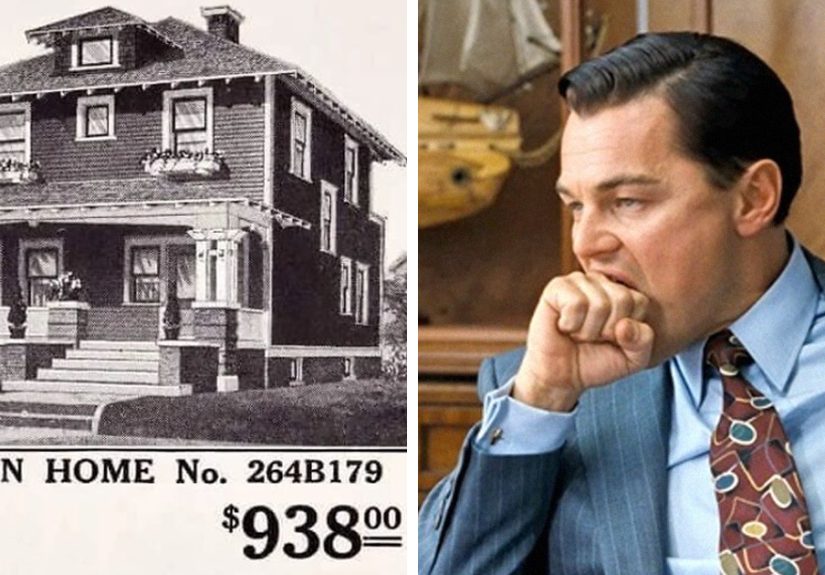
Pic #10: A brand-new home for the price of a modern kitchen renovation
Then: The U.S. median sales price of houses sold in 1970 was in the tens of thousands of dollars.
Now: In recent data, that median sits in the hundreds of thousands. That’s inflation plus major housing-market forces like supply constraints, land costs, local rules, and demand shifts.
-
Pic #11: Rent ads that look fake (but weren’t)
Then: Old apartment listings often show monthly rent that looks like a modern utility bill.
Now: Rent is a major pain point because it’s tied to housing supply and local demandnot just the general inflation trend.
-
Pic #12: College tuition that didn’t come with a lifelong pen-pal relationship with your lender
Then: Sticker prices at many institutions were far lower in the late 20th century.
Now: Tuition and fees have risen significantly over time. Net price depends on aid, but the “headline number” is a big reason this topic stings.
-
Pic #13: A restaurant menu where “add cheese” costs a nickel
Then: Vintage menus often show add-ons in literal cents.
Now: Add-ons can cost dollars, and the modern menu also includes a lot more variety (and a lot more “limited-time” chaos).
-
Pic #14: The haircut price that makes barbers look like time travelers
Then: Basic haircuts were frequently priced in a couple dollars in many places decades ago.
Now: Personal services are labor-heavy, and labor costs rise over timeso this is where you really feel inflation plus wage pressure.
-
Pic #15: Minimum wage nostalgia (and the not-so-funny math)
Then: The federal minimum wage in 1970 was $1.60 an hour.
Now: The federal minimum wage is $7.25 an hour (though many states and cities set higher minimums). The wage-vs.-cost-of-living debate lives right here.
-
Pic #16: A newspaper ad for a brand-new car that costs less than a modern compact’s down payment
Then: Car ads from the 1960s–1990s often look “cheap,” but cars also offered fewer safety features and less technology.
Now: New vehicles include advanced safety and electronics, and prices reflect both inflation and “you are basically buying a computer that can drive.”
-
Pic #17: Phone service that used to mean “a cord, a wall, and patience”
Then: Landlines were the default, long distance cost extra, and texting didn’t exist because nobody had invented “brb” yet.
Now: You pay for a pocket supercomputer plus a global network. The service category changed so much that simple comparisons can be misleading.
-
Pic #18: Airfare that’s either shockingly cheap or shockingly notdepending on the decade
Then: Historical airfare comparisons are tricky because deregulation, fees, route competition, and what’s included in the ticket all changed.
Now: Base fares can be competitive, but add-ons (bags, seat choices) can turn a “deal” into a “life lesson.”
-
Pic #19: A “luxury” grocery item that became normal (hello, avocados)
Then: Some foods were less common in certain regions because supply chains were different.
Now: Global supply makes variety easiersometimes cheaper, sometimes notdepending on weather, fuel costs, and demand.
-
Pic #20: The soda price that makes you wonder if carbonation used to be free
Then: Old receipts often show single sodas for well under a dollar.
Now: Single-serve convenience is expensive; multi-packs and store brands can still be a better deal.
-
Pic #21: A fast-food combo for under $3 (1990s energy)
Then: A few dollars could buy a full meal at many chains.
Now: Deals still exist, but menu pricing got more complex (tiers, app discounts, “limited-time” pricing that changes like the wind).
-
Pic #22: A bag of chips that mysteriously weighs less than your feelings
Then: Older packaging often had different sizes for “standard.”
Now: Sometimes the price rises; sometimes the bag shrinks. This is why people talk about “shrinkflation.”
-
Pic #23: A candy bar for a quarter (or less)
Then: Small treats were truly small purchases.
Now: The “impulse buy” aisle can feel like it’s charging rent. Brands, cocoa costs, and packaging all play a role.
-
Pic #24: A magazine for pocket change
Then: Print media pricing was tied to ad revenue and high circulation.
Now: With fewer print subscribers, per-unit costs rise. Also, half your “magazine” is now a subscription you forgot to cancel.
-
Pic #25: A hotel room rate that looks like a typo
Then: Old travel brochures show nightly rates that are hard to believe now.
Now: Travel prices depend on demand, location, and season. Plus, modern booking includes more fees and taxes stacked like pancakes.
-
Pic #26: A doctor visit bill that’s smaller than your copay today
Then: Health care billing has changed dramatically, and “price” is often not what people actually pay after insurance.
Now: Health spending is a major driver of household anxiety. Premiums and out-of-pocket costs are why this topic gets so emotional.
-
Pic #27: Family health insurance premiums: the “how did we get here?” category
Then: In the late 1990s, annual family premiums were far lower than today’s levels.
Now: Recent employer-sponsored family premiums are commonly in the tens of thousands annually (with costs split between employers and workers).
-
Pic #28: Child care costs that used to be “a budget line” and now feel like “a second mortgage”
Then: Child care existed, of course, but pricing and availability shifted as labor markets and household patterns changed.
Now: Labor-heavy services tend to rise faster because you can’t “automate” caring for kids the way you can automate making a phone smaller.
-
Pic #29: A concert ticket that didn’t require a strategic plan
Then: You could sometimes buy a seat without needing three devices and a prayer.
Now: Ticketing fees, dynamic pricing, and demand spikes can push prices into “I’ll just listen at home” territory.
-
Pic #30: The “everything is a subscription” shock
Then: Many goods were one-time purchases: a camera, a map, a set of encyclopedias that doubled as furniture.
Now: Some costs moved from “buy once” to “pay monthly,” which makes budgets feel tighter even when the tech is wildly better.
So… Is It Just Inflation, or Are Prices Actually “Out of Hand”?
Inflation explains a lot, but it’s not the whole story. Some categories have risen faster than overall inflation, especially:
housing (supply constraints and high demand), health care (complex pricing and system costs),
education (tuition dynamics and funding shifts), and many labor-heavy services (because productivity gains are harder there).
Meanwhile, some things got better deals over timeespecially techbecause manufacturing and innovation drove quality up while per-unit costs fell.
The twist is that we don’t only buy “things” anymore; we buy services, and services are often where budgets feel the tightest.
How to Use These “Then vs. Now” Pics Without Melting Your Brain
- Ask “Compared to what?” Is the old price the same size, same quality, same product category?
- Check wages. “How many hours of work was that?” can be more meaningful than “How many dollars?”
- Watch for fees. Modern pricing hides costs in add-ons (tickets, travel, subscriptions).
- Separate inflation from supply. Housing and child care are heavily shaped by local supply and policy.
- Don’t ignore quality upgrades. A safer car and a smarter phone aren’t the same goods they used to be.
Conclusion
The internet loves old price tags because they’re instant time machines: one glance and your brain is in 1978,
ordering a burger, buying a stamp, and thinking, “Wow, I could afford… everything.” But the real story is bigger than
“prices are out of control.” Inflation is real and cumulative, yesbut so are changes in housing markets, labor costs,
health care complexity, and the way modern life bundles costs into monthly payments.
The best takeaway isn’t “everyone used to have it easy.” It’s this: prices tell a storyabout the economy, the world we built,
and what we value. And if you want to do your own “30 pics” challenge, add context: adjust for inflation, compare to wages,
and let your friends argue about it in the comments like nature intended.
Shared Experiences: From the Price-Tag Time Machine
The funniest part of this trend is how quickly it turns into story hour. Someone posts a photo of a $0.25 cup of coffee, and suddenly
everybody has a relative who “worked their way through school” and also somehow bought a house, a car, and a small boat using only summer-job money
and pure determination. These memories aren’t always precise, but they’re emotionally accurate: people remember the feeling of affordability.
For a lot of folks, the “20th-century price photo” isn’t just about numbersit’s about milestones. The first apartment where the rent check didn’t
require a pep talk. The first grocery run as an adult where you learned that cereal is a luxury item if you refuse to eat anything that isn’t shaped
like a tiny cinnamon life preserver. The first time you filled a gas tank and still had money left for dinner. Those moments imprint. So when you see
an old receipt with a total that’s lower than a modern delivery fee, it pokes that soft spot in your brain labeled: “Why does adulthood cost so much?”
People also share these pics as a kind of informal family archive. A grandparent keeps a stack of old menus in a kitchen drawer like they’re baseball cards.
A parent finds a newspaper ad in a box and sends it to the group chat with the caption: “LOOK AT THIS.” Sometimes it’s playful“we were basically living on easy mode”
and sometimes it’s a real, aching comparison“my wages didn’t rise like this.” Both reactions can be true at once. The past had cheaper sticker prices, but it also had
different opportunities, different safety nets, and different barriers for different people.
The most interesting “experience” stories are the ones that add context without killing the fun. Like the person who posts a 1980 grocery receipt and says,
“Yes, the total is tiny, but my fridge was also tiny and my options were basically: bread, milk, eggs, and vibes.” Or the one who shares a $1.55 movie ticket
and adds, “Sure, but the theater seats felt like lawn chairs and the screen was the size of a motivational poster.” Those details matter because they show how our lives
changed alongside prices. We’re paying more in many categories, but we’re also buying a different version of modern life.
If you want to join the trend, try making it personal (and useful): compare one “then” receipt to your current budget, then add a sentence about wages, rent, or what
was included. You’ll get the laughs and the insight. And honestly, if your post inspires even one person to meal-plan, shop smarter, or renegotiate a bill,
that’s a better flex than any 25-cent coffee photothough those are still delightful.