Table of Contents >> Show >> Hide
- What Exactly Is a “Poisson Tea Towel”?
- A Short History of Tea Towels (and Why Fish Make Sense)
- Choosing the Best Fabric for Your Poisson Tea Towel
- Smart Ways to Use a Poisson Tea Towel in Everyday Life
- Caring for Your Poisson Tea Towel So It Lasts
- How a Simple Fish Towel Elevates Your Kitchen Style
- Real-Life Experiences with Poisson Tea Towels
- Final Thoughts on Poisson Tea Towels
If your kitchen had a sense of humor, it would absolutely own a Poisson tea towel.
“Poisson” is French for “fish,” so we’re talking about those charming, fish-patterned
kitchen towels that somehow manage to be practical, stylish, and just a little bit
whimsical all at once. Whether you’re drying glasses after a seafood feast or using it
as a mini piece of wall art, a Poisson tea towel does more than mop up spillsit tells
a story about how you live, cook, and decorate.
In this guide, we’ll dive into what makes a Poisson tea towel special, how to choose
the best fabric, ways to style and use it beyond drying dishes, and how to care for it
so your friendly fish don’t fade away before their time.
What Exactly Is a “Poisson Tea Towel”?
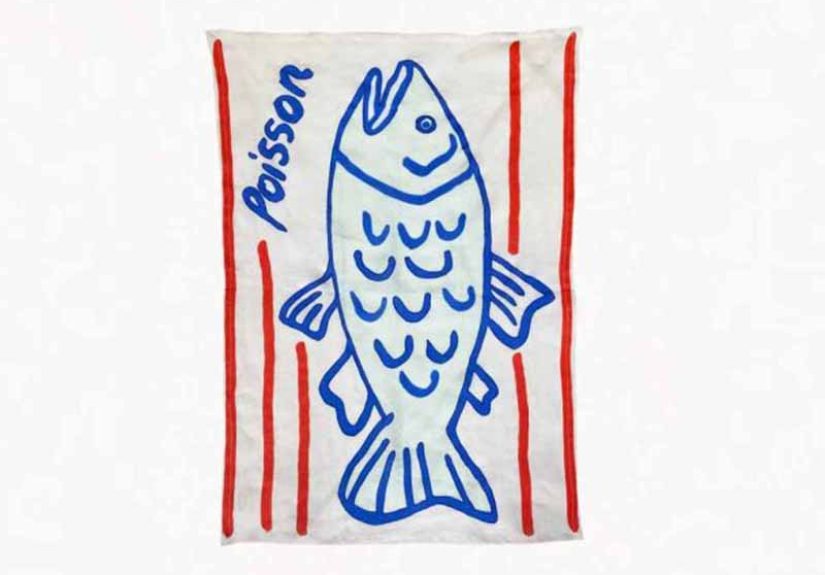
A Poisson tea towel is essentially a dish towel or kitchen towel decorated with fish
motifsanything from minimalist line drawings of sardines to brightly colored schools
of tropical fish. You’ll see them in coastal-inspired kitchens, French country décor,
and homes where someone clearly loves seafood, the ocean, or just quirky textiles.
Most Poisson tea towels come in classic tea towel sizes (roughly 16×24 to 20×28 inches),
and they’re typically made from linen, cotton, or a blend. Some are flat-woven and smooth,
ideal for drying glassware without leaving lint. Others are slightly textured, making them
better at absorbing big splashes or acting as hot-pad stand-ins.
Think of the Poisson tea towel as part hardworking kitchen sidekick, part mini art print.
It’s decorative enough to leave hanging on the oven handle but functional enough to grab
when you’re straining pasta or pulling a warm baking dish onto the counter.
A Short History of Tea Towels (and Why Fish Make Sense)
Tea towels didn’t start as casual décor items. They trace back to 18th-century England,
when households used soft, lint-free linen cloths to dry delicate china and tea sets
without scratching or leaving fibers. These linens became status symbols in Victorian
homes, often embroidered or carefully decorated to match elegant tea services.
Even earlier, linen cloths appeared in places like ancient Egypt, where they were used
to wipe hands and utensils during meals, hinting at the long relationship between fine
fabric and food rituals. Over time, these practical cloths evolved into
what we now call tea towels, and later into canvas-like surfaces for printing patterns,
advertising designs, and tourist motifs.
Enter fish. As coastal décor and “seaside kitchen” aesthetics gained popularity,
fish-themed textiles became a natural fit. Today’s fish and seafood print kitchen towels
are marketed as colorful, whimsical accents that bring a hint of the ocean to everyday
spacesperfect for beach houses, seafood enthusiasts, or anyone who likes a playful nod
to the sea in their décor.
Choosing the Best Fabric for Your Poisson Tea Towel
A cute print is great, but the right fabric is what makes a Poisson tea towel something
you actually reach for every day instead of leaving it strictly as decoration.
Linen vs. Cotton vs. Blends
Linen is the classic tea towel fabric. It’s made from flax fibers, which are
naturally strong, quick-drying, and excellent at wicking moisture away. Linen tea towels
are known for drying faster than cotton, making them more hygienic in warm or humid
kitchens and less likely to stay damp and musty. Linen also tends to last longer
when properly cared for and develops a soft, lived-in feel over time rather than wearing out.
Cotton tea towels are highly absorbent, easy to find, and often more affordable.
They soak up water well but hold onto moisture longer than linen, so they may take more time
to dry and can be more prone to staying damp if they’re crammed on a hook or thrown into a
corner of the counter.
Blendsoften linen-cotton or cotton-poly mixesaim to balance durability,
print clarity, and cost. Linen-cotton blends often achieve better absorbency than pure cotton
with a little more structure, while cotton-poly blends can boost color vibrancy and help
prevent shrinking, though they may not be quite as absorbent as 100% natural fibers.
For an everyday workhorse that still looks refined, a linen or linen-heavy Poisson tea towel
is hard to beat. For bright, budget-friendly fish prints where style is your top priority,
cotton or cotton-poly blends work well.
Weave, Weight, and Print Quality
Beyond the fiber itself, pay attention to how the towel is made:
- Weave: Flat, tight weaves are ideal for drying glassware without leaving lint.
- Weight: Slightly heavier towels feel more substantial and versatile; lighter ones dry faster and fold smaller.
- Print: Digital prints can capture intricate fish details and vibrant colors, while screen prints often have a more graphic, bold look.
If you’re planning to display your Poisson tea towel like a mini art piece, choose crisp
printing and colors that complement your kitchen palettethink indigo, seafoam, coral, or
sunny yellow fish.
Smart Ways to Use a Poisson Tea Towel in Everyday Life
A Poisson tea towel is so much more than “the thing that hangs on the oven door.”
Here are clever, real-world ways to put it to work.
In the Kitchen
- Drying dishes and glassware: A linen or linen-blend Poisson tea towel is perfect for drying wine glasses, mugs, and plates without streaks.
- As a bread or pastry liner: Line a basket with your fish tea towel when serving baguette, croissants, or rolls. It keeps crumbs in check and looks charming.
- As a mini table runner: Lay it down the center of a small table for a casual seafood dinnerinstant “bistro by the sea” vibes.
- As a makeshift pot holder: Fold it over a couple of times to grab warm handles or trivets in a pinch (just don’t use it on extremely high heat like you would a thick oven mitt).
Beyond the Kitchen
- Wall art: Frame a particularly beautiful Poisson tea towel or hang it with wooden poster bars for inexpensive, unique art.
- Eco-friendly gift wrap: Wrap a bottle of olive oil, a cutting board, or a cookbook in a fish tea towel for a hostess gift that doubles as décor.
- Coffee cart styling: Drape one over your coffee or tea station to add texture and protect the surface from spills.
- Picnic accessory: Use it as a small picnic cloth for snacks or as a soft layer under a cutting board when prepping outdoors.
Caring for Your Poisson Tea Towel So It Lasts
Even the cutest fish print won’t look good if the towel is stiff, stained, or smelling
suspiciously like last week’s seafood night. Good care keeps your Poisson tea towel both
hygienic and pretty.
How Often to Wash
If you use your tea towel lightlymostly for drying clean dishesa weekly wash is often
the minimum recommended. But if it’s doing heavy-duty work like wiping
hands, catching spills, or hanging around a busy stove, washing it more frequently is
smarter and more sanitary.
Washing and Detergent Tips
Many fabric experts recommend a gentle first wash before using a new tea towel to remove
finishing agents and improve absorbency. A few general care tips:
- Use mild, bleach-free detergent to avoid weakening fibers or fading your fish print.
- Skip fabric softener. It coats fibers, makes towels less absorbent, and can trap odors.
- Wash in warm or cool water according to the care label; hotter water can help sanitize but may also affect color vibrancy if used too often.
- Avoid overloading the washing machine so the towel can rinse clean and fully.
Drying Without Ruining the Print
You can tumble dry tea towels on low heat for convenience, but for longevity, many linen
specialists recommend line-drying and then lightly ironing while the towel is still just
a bit damp. This helps keep fibers smooth and reduces wrinkles.
If you line-dry outside, hang the towel with the printed side facing away from direct
sunlight to slow fading. In cooler weather or small spaces, a drying rack works welljust
be sure the towel is hanging flat so air can circulate.
Some laundry pros also suggest occasional hot washes (when the fabric allows) or a
gentle boil-wash for deeply used tea towels to sanitize them more thoroughly, especially
if you use them for messy jobs. Always check the care label first; linen and
high-quality prints deserve a little extra respect.
How a Simple Fish Towel Elevates Your Kitchen Style
A Poisson tea towel is a small accessory with an outsized impact. Because it’s front-and-center
in most kitchenson oven handles, hooks, and countersit acts like a rotating piece of art.
Swap in a navy-and-white fish print and suddenly your plain white kitchen feels like a tiny
seaside café. Choose bright, playful colors and the room instantly feels more relaxed and fun.
You can even treat Poisson tea towels as part of your seasonal décor:
- Summer: Aqua blues, sandy neutrals, and little shoals of fish to echo beach days.
- Fall: Muted, hand-drawn fish in warm grays and ochres for a cozy, bistro feel.
- Holidays: A witty “festive fish” pattern paired with red or green accents.
The best part? Compared with remodeling a kitchen or even buying new dishes, a Poisson tea towel
is an affordable way to experiment with style. If you get bored, fold it into a bread basket or
use it as gift wrap and rotate in a new school of fish.
Real-Life Experiences with Poisson Tea Towels
Beyond the fabric specs and care tips, Poisson tea towels really shine in the little everyday
moments. Here are some lived-in, “this actually happens in real kitchens” experiences that show
how surprisingly usefuland delightfula fish tea towel can be.
The Seafood Night Savior
Picture this: you host a casual seafood nightshrimp boil, grilled fish, maybe a big pot of
mussels. There’s always that slightly chaotic moment where everyone is squeezing lemon, dipping
bread, and juggling plates. A Poisson tea towel thrown down the center of the table acts as a
spill-catcher, a place to rest serving spoons, and a visual anchor that makes the whole spread
look intentional rather than messy. When the evening’s over, you shake the crumbs outside, toss
the towel into the wash, and your tablecloth underneath is still in good shape. Guests often
comment on the towel first“Where did you get that fish towel?”before they even ask for the
recipe.
The Small-Kitchen Style Hack
In a studio apartment or compact kitchen, you don’t always have space for big artwork or elaborate
décor. A Poisson tea towel hanging neatly on the oven door can actually become the focal point of
the entire room. One well-chosen designsay, a simple navy fish pattern on natural linencan pull
together mismatched dishes, an old countertop, and an inherited table. Swap out the towel every
few months and it feels like a mini makeover: same cabinets, same appliances, totally different
mood. It’s an easy way to express personality when you’re not allowed to paint the walls or
change hardware.
The “Unexpected Gift That People Actually Use”
Hostess gifts can be awkward. Flowers need a vase, wine might not match what’s being served, and
scented candles are hit-or-miss. A Poisson tea towel wrapped around a bottle of sparkling water,
olive oil, or a loaf of artisanal bread hits that perfect sweet spot: thoughtful, not too personal,
charming, and genuinely useful. People remember the gift because they see and touch it every time
they dry a dish. Over time, the towel absorbs tiny marks of daily lifecoffee drips, berry stains,
flour dust from bakingand it becomes part of the host’s own kitchen story instead of just another
object on a shelf.
The Everyday Mood Booster
There’s something strangely uplifting about grabbing a towel covered in happy little fish when
you’ve just spilled sauce or knocked over a glass of water. Instead of feeling annoyed, you get
a tiny visual reminder of beach days, fresh air, and calm waves. For people who spend a lot of
time cooking, those micro-moments matter. Over a year of breakfasts, lunches, and late-night snacks,
your Poisson tea towel quietly turns into a familiar, comforting presence. It’s the thing you
instinctively reach for when the pan pops or the kettle whistlessmall, but dependable, and just
cheerful enough to make clean-up feel less like a chore and more like a ritual.
Put simply, a Poisson tea towel is one of those little objects that doesn’t change your life in
a dramatic waybut it does make the daily rhythm of cooking, cleaning, and serving feel a bit
more intentional, a bit more beautiful, and a lot more fun.
Final Thoughts on Poisson Tea Towels
A Poisson tea towel might be a humble piece of fabric, but it brings together history, design,
function, and personality. Choose a high-quality linen or well-made cotton, treat it kindly in
the wash, and let those fish show up everywherefrom your bread basket to your gallery wall.
It’s proof that even the smallest kitchen detail can make everyday life feel just a little more
joyful.