Table of Contents >> Show >> Hide
- Introduction: When Your Face Feels Like a Weather Balloon
- What Are Sinus Pressure Points?
- Why Sinus Pressure Happens
- How to Use Pressure Points for Sinus Relief Safely
- Best Pressure Points for Sinus Issues
- 1. Yintang: The Point Between the Eyebrows
- 2. LI20: Beside the Nostrils
- 3. Bitong: The Upper Nose Point
- 4. ST3: Under the Cheekbones
- 5. BL2: Inner Eyebrow Area
- 6. Frontal Sinus Massage: Across the Forehead
- 7. Maxillary Sinus Massage: Along the Cheeks
- 8. GB20: Base of the Skull
- 9. LI4: Between the Thumb and Index Finger
- A Simple 5-Minute Sinus Pressure Point Routine
- What Pressure Points Can and Cannot Do
- Other Home Remedies That Pair Well With Sinus Massage
- When to See a Doctor for Sinus Issues
- Common Mistakes to Avoid
- Personal Experience: What Sinus Pressure Point Relief Can Feel Like in Real Life
- Conclusion: Gentle Pressure, Smarter Sinus Care
Note: Pressure point massage may help ease sinus pressure, facial tension, and congestion for some people, but it is not a cure for sinus infection, allergies, nasal polyps, or chronic sinusitis. Use it as a gentle comfort tool alongside evidence-based care, and contact a healthcare professional if symptoms are severe, persistent, or getting worse.
Introduction: When Your Face Feels Like a Weather Balloon
Sinus pressure has a special talent for making ordinary life feel dramatic. One minute you are answering emails, and the next your forehead, cheeks, nose, and teeth seem to be holding a tiny protest. Whether your symptoms come from a cold, seasonal allergies, dry air, irritants, or sinusitis, that stuffed-up, heavy-headed feeling can make you want fast relief.
This is where many people start searching for pressure points for sinus issues. Acupressure and sinus massage are simple, hands-on techniques that use gentle pressure around the face, head, neck, and hands. The goal is not to “drain an infection by magic” or replace medical treatment. Instead, pressure point massage may help relax tight facial muscles, encourage a feeling of drainage, reduce discomfort, and make breathing feel a little easier.
Think of it as giving your sinuses a polite nudge, not a wrestling match. Done correctly, sinus pressure point massage should feel soothing, never painful. In this guide, you will learn the most commonly used sinus pressure points, how to massage them safely, when they may help, and when your sinuses need more than a DIY spa moment.
What Are Sinus Pressure Points?
Sinus pressure points are specific areas on the face and body that people massage to help relieve sinus discomfort, nasal congestion, headache pressure, and facial tightness. Some of these points come from traditional acupressure and acupuncture systems, while others overlap with modern sinus massage techniques that target areas over the frontal, maxillary, ethmoid, and sphenoid sinuses.
Acupressure uses fingers instead of needles. You apply steady, gentle pressure to a point for a short period of time, often using small circular motions. Sinus massage focuses more directly on rubbing areas around the eyebrows, nose, cheeks, and jaw to help loosen tension and promote comfort.
The scientific evidence for acupressure specifically treating sinus conditions is still limited. However, facial massage, warm compresses, hydration, saline rinses, and other home-care strategies are often used to manage mild sinus symptoms. Pressure points may be most useful as a complementary technique for temporary relief, especially when congestion makes your face feel puffy, tender, or tight.
Why Sinus Pressure Happens
Your sinuses are air-filled spaces behind your forehead, cheeks, nose, and eyes. They help humidify air, produce mucus, and support normal breathing. When the lining of the nose and sinuses becomes inflamed, mucus may not drain well. That can create pressure, congestion, postnasal drip, headache, and facial pain.
Common causes of sinus pressure include viral colds, allergies, acute sinusitis, chronic sinusitis, nasal irritation, dry indoor air, smoke exposure, and structural issues such as a deviated septum or nasal polyps. Sometimes sinus discomfort is not actually sinus-related at all. Dental problems, migraine, jaw tension, and nerve pain can imitate sinus pressure, which is why recurring or unusual symptoms deserve medical evaluation.
How to Use Pressure Points for Sinus Relief Safely
Before you begin, wash your hands and sit comfortably. Relax your shoulders, breathe through your mouth if your nose is blocked, and avoid pressing directly on irritated skin, open wounds, bruises, or areas with swelling.
Basic Technique
Use your index fingers, middle fingers, or thumbs. Apply light to moderate pressure, then move in slow circles for 30 seconds to 2 minutes per point. The sensation should feel firm but pleasant. If a point feels sharp, painful, or makes symptoms worse, stop. Your sinuses are already having a day; they do not need a finger-powered interrogation.
Best Time to Try It
Pressure point massage often works best after a warm shower, after using a warm compress, or before bed. Warmth may help loosen mucus and relax facial muscles, making massage feel more effective. You can also try it after saline spray or nasal irrigation, as long as you use nasal rinses safely with distilled, sterile, or previously boiled and cooled water.
Best Pressure Points for Sinus Issues
1. Yintang: The Point Between the Eyebrows
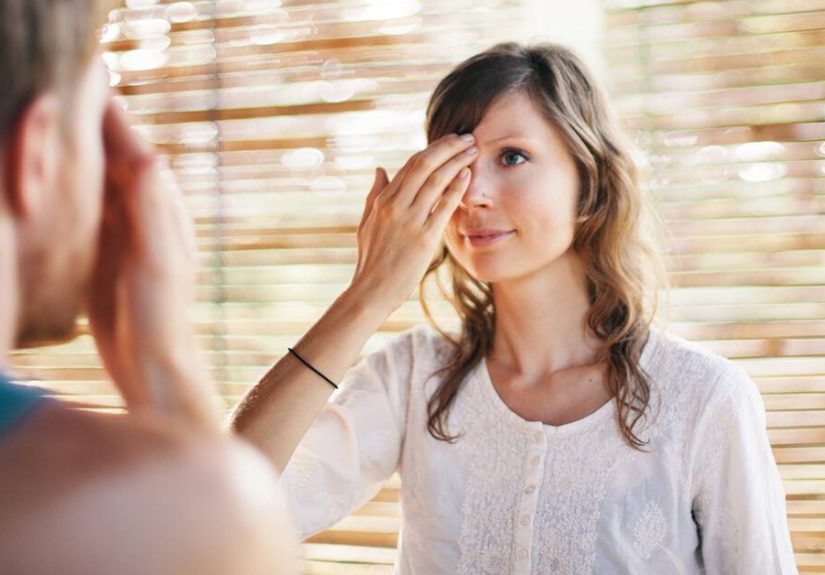
Yintang is located between your eyebrows, right above the bridge of your nose. Many people naturally press this spot when they have a sinus headache or tension in the forehead.
How to use it: Place one or two fingers between your eyebrows. Press gently and make small circles for 60 seconds. Breathe slowly. This point may help with forehead pressure, stress-related facial tension, and that “my face needs a reset button” feeling.
2. LI20: Beside the Nostrils
LI20, often called Yingxiang, is found on both sides of the nose, where the nostrils meet the cheeks. This is one of the most commonly mentioned acupressure points for nasal congestion.
How to use it: Place your index fingers beside each nostril. Apply gentle pressure upward and inward, then massage in small circles for 1 to 2 minutes. This point may be helpful when your nose feels blocked, especially during mild congestion from a cold or allergies.
3. Bitong: The Upper Nose Point
Bitong is located slightly higher than LI20, near the top of the nasolabial groove where the nose meets the cheek. It is often used in traditional acupressure for stuffiness and nasal blockage.
How to use it: Use your fingertips to press gently on each side of the nose, just above the nostril crease. Massage for 30 to 60 seconds. Avoid pressing too hard, especially if your nose is sore from blowing it all day like a tiny trumpet.
4. ST3: Under the Cheekbones
ST3 is located below the eyes, roughly in line with the pupils and level with the lower edge of the nostrils. This area sits near the maxillary sinuses, which can cause cheek pressure and upper tooth discomfort when inflamed.
How to use it: Place two fingers on each cheek, just under the cheekbones. Massage outward in gentle circles for 1 to 2 minutes. This can feel especially soothing when your cheeks feel full or tender.
5. BL2: Inner Eyebrow Area
BL2 is located at the inner end of each eyebrow, near the bridge of the nose. Many people feel sinus pressure here when the frontal sinuses are irritated.
How to use it: Place your thumbs or index fingers at the inner corners of your eyebrows. Press gently upward, then use tiny circular motions for 30 to 60 seconds. Do not press into the eye socket.
6. Frontal Sinus Massage: Across the Forehead
The frontal sinuses sit behind the forehead. When they feel blocked, you may notice heaviness above the eyebrows or a dull headache.
How to use it: Place your fingertips in the center of your forehead. Slowly massage outward toward your temples. Repeat for 1 to 2 minutes. You can also use a warm compress on the forehead first for added comfort.
7. Maxillary Sinus Massage: Along the Cheeks
The maxillary sinuses are located behind the cheekbones. Congestion here can create cheek pain, upper tooth sensitivity, and pressure near the nose.
How to use it: Start beside the nose, then sweep your fingers outward under the cheekbones toward the ears. Use light pressure and repeat for 1 to 2 minutes. This massage should feel relaxing, not like you are trying to knead bread dough on your face.
8. GB20: Base of the Skull
GB20 is located at the base of the skull, in the soft hollows on either side of the neck. While it is not directly over the sinuses, it is often used for headache, neck tension, and pressure that spreads from the face to the head.
How to use it: Place your thumbs in the hollows at the base of your skull. Press gently upward for 30 seconds, release, and repeat. Keep your neck relaxed. This point may be useful when sinus discomfort comes with a tight neck or tension headache.
9. LI4: Between the Thumb and Index Finger
LI4, also called Hegu, is located in the webbing between the thumb and index finger. It is commonly used in acupressure for headache and facial pain. However, pregnant people are often advised to avoid strong stimulation of this point unless cleared by a healthcare professional.
How to use it: Pinch the fleshy area between the thumb and index finger on one hand. Hold steady pressure for 30 to 60 seconds, then switch hands. Avoid this point during pregnancy unless a clinician says it is safe for you.
A Simple 5-Minute Sinus Pressure Point Routine
If you want an easy routine, start with warmth. Place a warm, moist washcloth over your nose, cheeks, and forehead for 2 to 3 minutes. Then move through this sequence:
- Massage Yintang between the eyebrows for 60 seconds.
- Press LI20 beside the nostrils for 60 seconds.
- Sweep along the cheeks under the cheekbones for 60 seconds.
- Massage the inner eyebrows gently for 30 seconds.
- Finish at the base of the skull with light pressure for 60 seconds.
Afterward, drink water and give your nose a break. If you blow your nose, do it gently. Forceful blowing can irritate the nasal passages and sometimes increase pressure.
What Pressure Points Can and Cannot Do
Pressure points may help you feel more comfortable, especially if sinus pressure is mild or linked to congestion, allergies, or muscle tension. They may temporarily reduce the feeling of fullness, relax tight areas, and help you breathe more calmly.
However, pressure points cannot kill bacteria, shrink nasal polyps, correct a deviated septum, cure chronic sinusitis, or replace prescribed medicine. If your symptoms are caused by bacterial sinusitis, severe allergies, or chronic inflammation, you may need treatments such as saline irrigation, nasal corticosteroids, allergy management, antibiotics in select cases, or evaluation by an ear, nose, and throat specialist.
Other Home Remedies That Pair Well With Sinus Massage
Use Saline Spray or Nasal Irrigation
Saline sprays and nasal rinses can help clear mucus, allergens, and irritants from the nasal passages. If you use a neti pot or squeeze bottle, always use distilled, sterile, or previously boiled and cooled water. Tap water may be safe to drink, but it is not safe for nasal rinsing unless properly boiled or filtered according to safety guidance.
Try Warm Compresses
A warm compress over the cheeks, nose, and forehead can ease facial discomfort. Use warm, not hot, water. Your goal is comfort, not a face sauna with consequences.
Stay Hydrated
Fluids help keep mucus thinner and easier to move. Water, warm tea, broth, and other nonalcoholic fluids can support comfort when you are congested.
Use Moist Air Wisely
A humidifier may help if dry air irritates your nose. Clean it regularly to prevent mold and bacteria. Steam from a shower may also provide short-term relief, but avoid inhaling very hot steam directly.
Consider Over-the-Counter Options Carefully
Pain relievers may help with sinus headache or facial pain. Nasal steroid sprays may help allergy-related inflammation when used consistently. Decongestant sprays can provide short-term relief, but using them too long can worsen congestion. Always follow label directions and ask a clinician if you have high blood pressure, heart disease, glaucoma, pregnancy, or take other medications.
When to See a Doctor for Sinus Issues
Most mild sinus symptoms from a cold improve with time and self-care. But you should seek medical advice if symptoms last more than 10 days without improvement, improve and then suddenly worsen, include high fever, cause severe facial pain, or come with swelling around the eyes.
Get urgent medical help if you have trouble breathing, confusion, stiff neck, vision changes, severe headache, or swelling/redness around the eye. These symptoms are not “just sinus pressure” territory. They deserve professional attention quickly.
Common Mistakes to Avoid
The first mistake is pressing too hard. More pressure does not mean better results. Your face contains delicate tissues, nerves, and blood vessels. Gentle, steady pressure is enough.
The second mistake is treating pressure points as a cure-all. If your symptoms are chronic, recurring, or severe, massage may feel nice but will not solve the underlying cause.
The third mistake is unsafe nasal rinsing. Never use plain tap water in a nasal rinse. Use distilled, sterile, or boiled and cooled water, and clean your irrigation device after each use.
The fourth mistake is ignoring allergies. If your sinus pressure appears every spring, after dusting, around pets, or during mold season, allergy control may matter more than any pressure point routine.
Personal Experience: What Sinus Pressure Point Relief Can Feel Like in Real Life
For many people, sinus pressure point massage becomes part of a practical “feel better” routine rather than a miracle fix. Imagine waking up with that familiar heavy sensation across your forehead. Your nose is stuffy, your cheeks feel inflated, and your coffee tastes like warm mystery water because your sense of smell has temporarily packed a suitcase and left town.
A realistic routine might begin in the bathroom after a warm shower. The steam has softened things slightly, and your face feels less tight. You place a warm washcloth over your cheeks and forehead for a minute or two. Then you press gently between your eyebrows, using slow circles. At first, nothing dramatic happens. No movie soundtrack. No instant mountain-air breathing. But after a minute, the muscles around your brow may soften, and the pressure can feel less sharp.
Next, you move to the points beside your nostrils. This area can be surprisingly tender, especially if you have been blowing your nose frequently. Gentle pressure is key. Some people notice a mild opening sensation in the nasal passages. Others simply feel less facial tension. Both outcomes are valid. Sinus massage is not a competition, and nobody gets a trophy for pressing hard enough to make their eyes water.
Cheek massage can be the most satisfying part, especially when the maxillary sinuses feel full. Sweeping outward under the cheekbones may feel like smoothing pressure away from the center of the face. If upper teeth ache from sinus pressure, this step may bring a sense of relief, although dental pain that persists should always be checked by a dentist or healthcare professional.
In the evening, pressure point massage can also become a wind-down habit. Congestion often feels worse when lying down, so pairing massage with hydration, a clean humidifier, saline spray, and an elevated pillow may make bedtime more comfortable. The routine does not have to be complicated. Five minutes is enough for many people.
The biggest lesson from real-life use is consistency and gentleness. Pressure points tend to work best when used early, before discomfort becomes intense. They also work better when combined with smart sinus care: drinking fluids, avoiding smoke, managing allergies, using saline safely, and resting when your body is clearly asking for a meeting.
It is also important to know when to stop experimenting. If sinus pressure keeps returning every few weeks, lasts for months, or comes with fever, thick drainage, worsening pain, or swelling, the best “pressure point” may be the button on your phone that calls a healthcare provider. Comfort techniques are helpful, but good medical care is the real MVP when symptoms point to infection, chronic inflammation, or structural problems.
Conclusion: Gentle Pressure, Smarter Sinus Care
Pressure points for sinus issues can be a simple, low-cost way to ease facial pressure, congestion discomfort, and sinus-related tension. Points near the eyebrows, nostrils, cheeks, hands, and base of the skull are commonly used in acupressure and sinus massage routines. When performed gently, these techniques may help you feel more comfortable during mild congestion, allergies, or cold-related sinus pressure.
Still, sinus pressure point massage works best as part of a broader care plan. Warm compresses, hydration, saline sprays, safe nasal irrigation, allergy control, and appropriate medical treatment all have their place. Listen to your symptoms. If they are severe, long-lasting, or unusual, do not try to massage your way through a problem that needs professional care.
In short: be kind to your sinuses, use clean and safe habits, and remember that your face is not a stubborn jar lid. Gentle pressure wins.