Table of Contents >> Show >> Hide
- Why White Bathrooms Still Feel Luxurious
- Why Pedestal Sinks Are Perfect for a Luxe White Bathroom
- Designing the Layout: Elegance Begins With Space
- Materials That Make a White Bathroom Feel Luxe
- Lighting: The Jewelry of a Luxe Bathroom
- Mirrors That Elevate Pedestal Sinks
- Storage Solutions for Pedestal Sink Bathrooms
- How to Keep a White Bathroom From Feeling Cold
- Best Design Styles for White Bathrooms With Pedestal Sinks
- Practical Maintenance Tips
- Experience-Based Design Notes: Living With a Luxe White Bathroom With Pedestal Sinks
- Conclusion
A luxe white bathroom with pedestal sinks sounds simple at firstalmost suspiciously simple. White walls, white fixtures, a pair of sculptural sinks, done. Right? Not exactly. A truly luxurious white bathroom is not just a room that accidentally ran out of color. It is a carefully layered space where light, texture, symmetry, metal finishes, storage, tile, and comfort all work together like a very polished little orchestra.
Pedestal sinks are the quiet stars of this design style. They bring elegance without the bulk of a heavy vanity, creating an open, airy look that feels fresh, refined, and timeless. In a white bathroom, they also help the room breathe. Instead of filling the lower half of the space with cabinetry, pedestal sinks leave the floor visible, which makes even a modest bathroom feel more graceful. Translation: your bathroom can look like it belongs in a boutique hotel, even if the square footage is more “city apartment” than “private estate with swans.”
This guide explores how to design a white bathroom with pedestal sinks that feels luxe, practical, and personal. We will cover layout, materials, lighting, mirrors, storage, hardware, maintenance, and styling details that make the difference between “clean and classic” and “cold and clinical.” Because yes, white bathrooms can look amazingbut without warmth and texture, they can also start giving dental-office energy. We are avoiding that with enthusiasm.
Why White Bathrooms Still Feel Luxurious
White bathrooms remain popular because they deliver what most people want from a bathroom: brightness, cleanliness, calm, and flexibility. White reflects light beautifully, helping small or windowless bathrooms feel more open. It also works with nearly every design style, from traditional and cottage-inspired interiors to sleek contemporary spaces.
But the secret to a luxe white bathroom is not using one flat shade of white everywhere. A high-end white bathroom usually combines several whites and near-whites: warm ivory walls, crisp porcelain sinks, creamy marble veining, soft white towels, and maybe a pale stone floor. These subtle shifts keep the room visually interesting without disturbing the peaceful palette.
The Power of Layered Whites
Layering white tones creates depth. A glossy white subway tile wall, a honed marble floor, a matte plaster ceiling, and polished porcelain pedestal sinks may all be “white,” but they each reflect light differently. That variety makes the design feel intentional and expensive. Think of it like wearing an all-white outfit: linen, silk, leather, and cotton do not look the same, and that is exactly why the outfit works.
White as a Flexible Backdrop
A white bathroom also allows hardware, lighting, art, and natural materials to stand out. Brass faucets glow against white tile. Chrome feels crisp and classic. Matte black adds contrast. Pale oak, walnut, or cane accessories soften the look. Because white is neutral, you can refresh the room later with towels, rugs, framed art, or new sconces without ripping out the entire bathroom. Your wallet may quietly applaud.
Why Pedestal Sinks Are Perfect for a Luxe White Bathroom
Pedestal sinks have a long design history, but they are not stuck in the past. Today, they can feel vintage, transitional, modern, or sculptural depending on the shape and faucet choice. Their biggest advantage is visual lightness. Unlike bulky vanities, pedestal sinks reveal more floor space and keep the room feeling open.
In a white bathroom, pedestal sinks can look especially elegant because they become architectural objects. A pair of matching pedestal sinks creates symmetry, which is one of the easiest ways to make a bathroom feel high-end. Symmetry tells the eye, “Someone planned this.” And in interior design, looking planned is half the battle.
Single vs. Double Pedestal Sinks
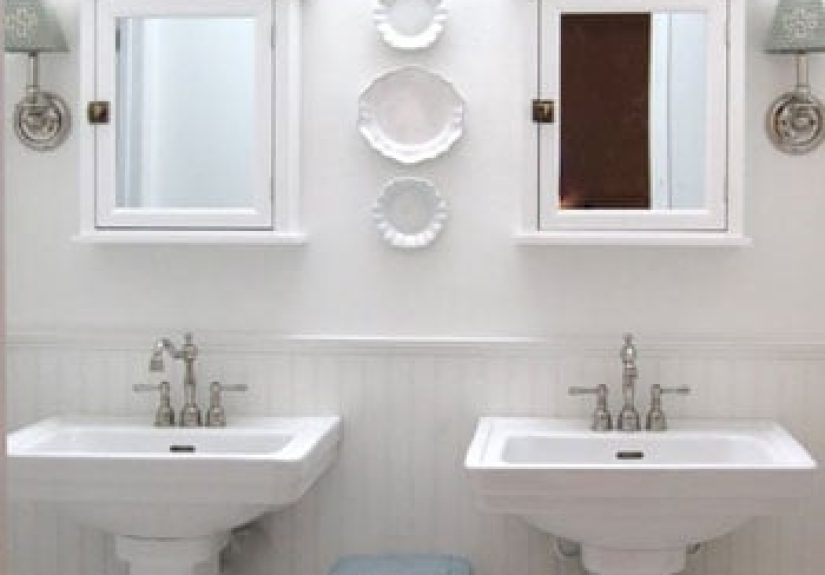
A single pedestal sink works beautifully in powder rooms, guest baths, and smaller full bathrooms. It gives the space a refined focal point without overwhelming the layout. A double pedestal sink arrangement, however, feels especially luxurious in a primary bathroom. Two sinks placed beneath matching mirrors and sconces create a balanced, hotel-like effect.
Double pedestal sinks do require careful planning. Since pedestal sinks do not include built-in drawers or cabinets, the bathroom needs another storage strategy. This may include a recessed medicine cabinet, a linen tower, wall-mounted shelves, a freestanding cabinet, or built-in storage elsewhere in the room.
Choosing the Right Pedestal Sink Shape
The sink shape sets the tone. A rounded pedestal sink feels soft, traditional, and romantic. A rectangular pedestal sink looks cleaner and more tailored. A console-style pedestal sink with exposed legs can feel airy and slightly Parisian. For a luxe white bathroom, choose a sink with enough deck space for soap and daily essentials, but avoid oversized ledges that invite clutter. Clutter is luxury’s sworn enemy, wearing a toothpaste-stained cape.
Designing the Layout: Elegance Begins With Space
A luxury bathroom is not only about materials; it is about movement. The room should feel comfortable to use. Pedestal sinks save visual space, but the layout still needs proper clearance around doors, toilets, tubs, and showers.
Place pedestal sinks where they can act as a focal point. In a narrow bathroom, a sink centered on the short wall can create a strong visual anchor. In a larger bathroom, twin pedestal sinks along one wall create rhythm and balance. If there is a window, consider placing the tub or a decorative feature nearby and letting the sinks occupy a well-lit vanity wall.
Make Plumbing Part of the Plan
Pedestal sinks hide some plumbing, but not everything. Because there is no vanity cabinet to cover pipes, installation should be neat and carefully aligned. Choose attractive supply lines and a finish that coordinates with the faucet. A beautiful white bathroom can lose its charm quickly if the plumbing below the sink looks like it was assembled during a power outage.
Think About Daily Routines
Before choosing a layout, consider how the bathroom will be used. Is it a guest bathroom where people only wash hands? A primary bath where two people get ready at the same time? A family bathroom with skincare, hair tools, towels, and mystery bottles that multiply overnight? The more daily function the room needs, the more thoughtful the storage must be.
Materials That Make a White Bathroom Feel Luxe
White bathrooms become luxurious through material quality and contrast. The best choices feel timeless, durable, and pleasant to touch. Marble, porcelain, ceramic tile, polished nickel, brass, glass, and natural wood accents can all work beautifully.
Marble and Marble-Look Surfaces
Marble is a classic choice for a luxe white bathroom because its veining adds movement and personality. Carrara marble offers soft gray veining, while Calacatta marble typically has bolder patterning. If natural marble feels too delicate or expensive, porcelain marble-look tile can provide a similar effect with easier maintenance.
Use marble or marble-look tile on the floor, shower walls, backsplash, or a narrow ledge above the pedestal sink. A small stone backsplash is especially practical behind pedestal sinks because it protects the wall from water splashes while adding a refined detail.
Subway Tile With a Twist
White subway tile remains popular because it is simple, versatile, and classic. To make it feel more custom, experiment with scale, grout color, finish, or installation pattern. A handmade-look white tile with slight surface variation feels warmer than perfectly flat tile. A vertical stack pattern feels modern. A herringbone layout adds movement without shouting for attention.
Warm Metals for a Softer Look
White bathrooms can feel chilly if every finish is cold. Brass, champagne bronze, or aged nickel can add warmth and depth. For a timeless approach, use one dominant metal finish for faucets, shower trim, towel bars, and sconces. If mixing metals, keep it intentional. For example, polished nickel plumbing with brass mirror frames can look layered and elegant when repeated in more than one place.
Lighting: The Jewelry of a Luxe Bathroom
Lighting can make or break a white bathroom. Since white surfaces reflect light, the room can become either glowing and flattering or harsh enough to make everyone question their life choices before breakfast. The goal is layered lighting: ambient light, task light, and decorative light.
Sconces Beside the Mirror
Wall sconces placed at eye level on either side of the mirror provide balanced facial lighting. This is especially useful for shaving, makeup, skincare, and checking whether that “small amount” of dry shampoo has become a winter storm. In a bathroom with two pedestal sinks, matching sconces and mirrors create a polished, symmetrical effect.
Overhead Lighting and Decorative Fixtures
Ceiling lights provide general illumination, but a decorative pendant or small chandelier can add a luxurious focal point if the ceiling height and bathroom layout allow it. Choose damp-rated fixtures where appropriate, especially near tubs and showers. The fixture should complement the room, not compete with it. In a white bathroom, a glass, brass, or polished nickel light can provide sparkle without visual clutter.
Soft Light Temperature
Bulb temperature matters. A very cool bulb can make a white bathroom feel sterile. A warm white bulb creates a softer, spa-like glow. The best choice often depends on the specific white paint, tile, and natural light in the room, so test bulbs before committing. Lighting is one of those small details that quietly decides whether your bathroom feels like a luxury suite or a grocery store freezer aisle.
Mirrors That Elevate Pedestal Sinks
Because pedestal sinks do not include a wide vanity cabinet, the mirror becomes a major design feature. A large framed mirror can add structure above a single sink. For double pedestal sinks, two matching mirrors create elegance and order.
For a traditional luxe bathroom, consider arched mirrors, beveled edges, or antique-inspired frames. For a modern look, choose slim metal frames, oval mirrors, or frameless designs with clean lines. Medicine cabinets are also practical because they provide hidden storage without changing the pedestal sink look.
Mirror Scale Matters
A mirror that is too small can make the sink area feel awkward. A mirror that is too large can overpower the pedestal. Aim for a mirror that relates to the width of the sink and leaves enough room for sconces or wall details. If using two sinks, align each mirror carefully with the faucet and basin below. Luxury loves alignment. It keeps a tiny ruler in its handbag.
Storage Solutions for Pedestal Sink Bathrooms
The main drawback of pedestal sinks is limited storage. However, this is not a deal-breaker. In fact, it can be a design advantage because it forces the room to stay edited and uncluttered. The key is to add storage that looks intentional.
Use Recessed Medicine Cabinets
A recessed medicine cabinet above each sink is one of the most efficient solutions. It keeps toothbrushes, skincare, and small items hidden while preserving a clean wall profile. Choose mirrored cabinets with elegant frames or simple beveled edges to maintain the luxe look.
Add a Freestanding Linen Cabinet
If space allows, a narrow freestanding cabinet can store towels, extra toiletries, and cleaning supplies. White painted wood blends into the room, while natural wood adds warmth. Glass-front doors look beautiful but require tidy contents. Solid doors are more forgiving, especially for real humans who own cotton swabs, sunscreen, and at least three bottles with one pump left.
Use Baskets and Trays
A woven basket beside a pedestal sink can hold rolled towels while adding texture. A small tray on a window ledge or shelf can organize soap, lotion, or a candle. The trick is restraint. One or two accessories look styled. Seven accessories look like the bathroom is hosting a yard sale.
How to Keep a White Bathroom From Feeling Cold
A white bathroom needs warmth, contrast, and texture. Without them, the room may feel flat. Fortunately, adding warmth does not require abandoning the white palette.
Bring in Natural Texture
Wood stools, woven baskets, linen roman shades, rattan accessories, and natural fiber rugs can soften the room. Even a small teak bench near the tub or shower can make the space feel more relaxed and spa-like.
Use Soft Textiles
High-quality towels, a plush bath mat, and a simple shower curtain can make a white bathroom feel inviting. Choose whites, creams, oatmeal, pale gray, or soft beige for a layered neutral look. For a crisp hotel effect, use bright white towels with subtle texture.
Add Art and Greenery
Framed artwork can bring personality to a white bathroom. Botanical prints, abstract sketches, or black-and-white photography all work well. A small plant can also add life, especially if the room has natural light. Choose plants that tolerate humidity, and avoid turning the bathroom into a rainforest unless that is truly the plan.
Best Design Styles for White Bathrooms With Pedestal Sinks
Pedestal sinks are versatile, which makes them suitable for several design styles. The surrounding elements determine the final mood.
Classic Traditional
A traditional white bathroom may include wainscoting, marble floors, polished nickel faucets, shaded sconces, and an arched mirror. The pedestal sink should have graceful lines, perhaps with subtle architectural detailing. This style feels timeless, elegant, and slightly formal without being fussy.
Modern Luxe
For a modern approach, choose a sleek pedestal sink with clean geometry, large-format white tile, minimal grout lines, and simple fixtures. Add a frameless glass shower, slim mirrors, and sculptural lighting. The result is serene and streamlined.
Cottage Chic
A cottage-inspired bathroom can pair pedestal sinks with beadboard walls, vintage-style faucets, floral wallpaper, painted wood trim, and soft linen accents. White keeps the look fresh rather than overly sweet. Think charming, not cupcake.
Parisian-Inspired
For a Parisian mood, combine white pedestal sinks with black-and-white tile, brass fixtures, antique mirrors, and a small framed artwork. Add a marble ledge or console detail for extra elegance. This style feels collected and romantic, as if the bathroom casually reads poetry and owns excellent cheese.
Practical Maintenance Tips
White bathrooms show dust, soap residue, and water spots more easily than darker rooms, but they are also easier to inspect and keep fresh. Choose materials wisely and create a simple cleaning routine.
Choose Durable Finishes
Porcelain and ceramic are practical choices for sinks and tile because they are durable and easy to clean. For natural stone, use proper sealing and stone-safe cleaners. Avoid harsh products that may damage marble or metal finishes.
Control Moisture
Good ventilation is essential in any bathroom. Use an effective exhaust fan, especially after showers. Moisture can damage paint, grout, wallpaper, and wood over time. A luxe bathroom should smell fresh, not like a damp towel that has lost the will to live.
Keep the Sink Area Clear
Because pedestal sinks have limited surface area, only keep daily essentials visible. A beautiful soap dispenser, a small towel ring, and maybe a tiny vase are enough. Store everything else behind a mirror cabinet, in a linen cabinet, or in a nearby drawer.
Experience-Based Design Notes: Living With a Luxe White Bathroom With Pedestal Sinks
After spending time in bathrooms designed around pedestal sinks, one thing becomes clear: they change the way the room behaves. A vanity encourages storage, but it also encourages accumulation. Pedestal sinks ask for discipline. They say, politely but firmly, “Do you really need four half-used moisturizers next to the faucet?” Often, the answer is no, even if the moisturizers have formed an emotional support group.
The most successful white pedestal sink bathrooms feel calm because every item has a place. In one compact guest bathroom, a white pedestal sink made the room feel twice as open. The floor continued underneath the sink, the wall tile stayed visible, and the room had a graceful flow that a cabinet vanity would have interrupted. The owners added a recessed medicine cabinet, two towel hooks, and a narrow linen tower just outside the bathroom door. The result was elegant and practical, with no daily clutter in sight.
In a larger primary bathroom, double pedestal sinks created a boutique-hotel effect. Each sink had its own oval mirror, side sconces, and polished nickel faucet. The design felt balanced without being stiff. The missing vanity storage was solved with a built-in cabinet on the opposite wall, which actually improved the room. Instead of cramming everything under the sink, the storage became part of the architecture. Towels, skincare, hair tools, and extra supplies were organized behind paneled doors. The sinks stayed beautiful because they were not forced to do every job at once.
One practical lesson is that wall protection matters. Pedestal sinks can splash, especially when used frequently. A small marble backsplash, tile wainscoting, or washable wall finish behind the sink is worth considering. It keeps the wall looking fresh and makes cleaning easier. This detail may not sound glamorous, but luxury is often just practicality wearing better shoes.
Lighting is another experience-driven detail that deserves attention. In a white bathroom, bad lighting is very obvious. One overhead light can cast shadows and make the room feel flat. Side sconces make the sink area more flattering and functional. Dimmer switches are also excellent because a bathroom needs different moods: bright for morning routines, soft for evening baths, and somewhere in between for staring into the mirror wondering why you walked in there.
The biggest surprise with white bathrooms is how much personality they can have. People sometimes assume white equals boring, but a white bathroom with pedestal sinks can be full of character. The personality comes from shape, proportion, texture, and small choices: a scalloped mirror, a ribbed glass sconce, a marble mosaic floor, a vintage rug, or a tiny framed sketch above the towel bar. These details keep the space from feeling generic.
Another experience-based tip is to avoid making everything too perfect. A luxe white bathroom should feel polished, but not untouchable. Add one natural texture, one warm metal, or one slightly imperfect handmade surface. A white bathroom becomes more inviting when it has a bit of softness. Even the most elegant room benefits from a towel that looks like someone is allowed to use it.
Finally, pedestal sinks are best for people who appreciate visual calm. If you love open space, classic lines, and a bathroom that feels clean the moment you enter it, they are a wonderful choice. If you need every product within arm’s reach, plan storage before installation. The sink itself is not the problem; the lack of planning is. With the right cabinets, shelves, medicine mirrors, and baskets, a luxe white bathroom with pedestal sinks can be both beautiful and surprisingly livable.
Conclusion
A luxe white bathroom with pedestal sinks is proof that elegance does not always require excess. In fact, its beauty comes from restraint. The pedestal sink offers sculptural simplicity. The white palette brings brightness and calm. The luxury comes from thoughtful layers: warm lighting, quality materials, balanced mirrors, smart storage, soft textiles, and just enough texture to make the room feel alive.
Whether the bathroom is small, spacious, vintage-inspired, or modern, pedestal sinks can create a refined focal point that keeps the room open and graceful. The key is planning. Choose durable surfaces, protect the walls, add hidden storage, use flattering lighting, and let the white palette become a canvas rather than a blank stare. Done well, this bathroom style feels timeless, fresh, and quietly glamorousthe kind of space that makes even brushing your teeth feel slightly more sophisticated.
Note: This article is written in original American English for web publishing and synthesizes real bathroom design principles, product considerations, and renovation best practices without embedding source links in the body content.