Table of Contents >> Show >> Hide
- What Is Pu-erh Tea?
- Potential Benefits of Pu-erh Tea
- What the Research Really Says
- Pu-erh Tea Dosage: How Much Should You Drink?
- How to Brew Pu-erh Tea Without Overdoing It
- Pu-erh Tea Side Effects
- Interactions and Who Should Be Careful
- Is Pu-erh Tea Better Than Green Tea or Black Tea?
- Tips for Buying Good Pu-erh Tea
- Experiences Related to Pu-erh Tea: Benefits, Dosage, Side Effects, and More
- Final Thoughts
Pu-erh tea has a reputation that sounds almost too good to be true: earthy flavor, ancient roots, a smoother sip than some harsher teas, and a wellness halo big enough to make your kitchen shelf feel spiritually upgraded. But before we crown it the emperor of fermented tea, let’s do what smart tea drinkers do best: let it steep for a minute.
Pu-erh tea is a type of Camellia sinensis tea, the same plant that gives us green, black, oolong, and white tea. What makes pu-erh different is its post-fermented processing and aging, which create its signature deep, mellow, sometimes woodsy flavor. Fans love it for the taste alone, but many also drink pu-erh tea for possible benefits related to energy, digestion, metabolism, and overall wellness.
Here’s the balanced truth: pu-erh tea contains caffeine and helpful plant compounds, and early research is interesting. But most of the strongest health evidence still applies to tea more broadly, not to pu-erh specifically. In other words, pu-erh may be promising, but it is not a magic potion in a cup. Sorry to the internet, which was hoping otherwise.
What Is Pu-erh Tea?
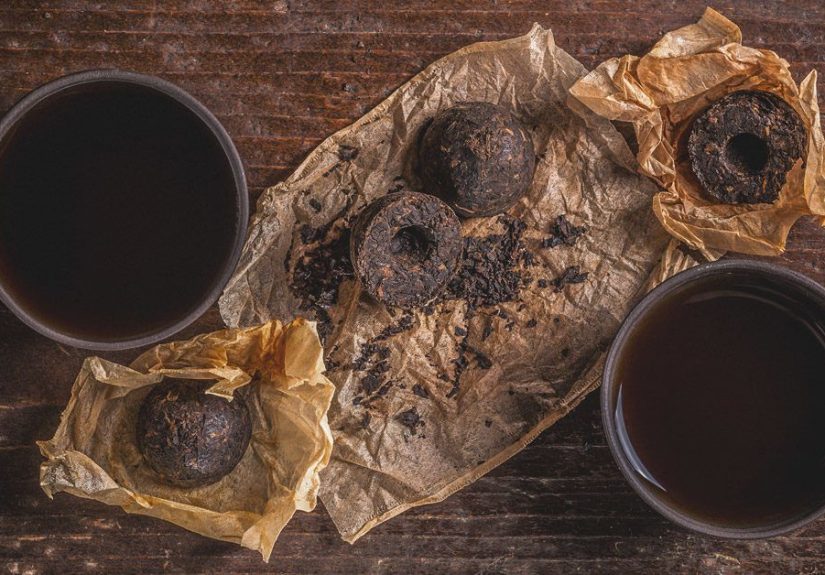
Pu-erh tea is traditionally made from large-leaf tea grown in China, especially Yunnan Province. It is commonly described as a fermented or post-fermented tea, which means microbes and aging help shape its flavor and chemical profile over time. That’s one reason pu-erh tastes so different from grassy green tea or brisk black tea. Depending on the style, it can taste earthy, mellow, woody, fruity, or even a little like a forest after rainin a good way, not in a “did I just drink mulch?” way.
There are two broad styles you’ll often see:
Raw pu-erh
Raw pu-erh is aged more gradually and can start out brighter, more floral, more bitter, or more astringent. Over time, the flavor tends to soften and deepen.
Ripe pu-erh
Ripe pu-erh goes through an accelerated fermentation process, which usually creates a darker liquor and a richer, smoother, earthier taste sooner.
Both styles still come from the tea plant, which means both can contain caffeine and various polyphenols and other compounds linked to tea’s potential health effects.
Potential Benefits of Pu-erh Tea
Let’s separate what pu-erh tea may do from what people online claim it does while holding a teacup like a philosopher.
1. It may support alertness and focus
Because pu-erh tea contains caffeine, it can help you feel more awake, focused, and mentally switched on. If you drink it in the morning or early afternoon, it may offer that classic tea effect: less “rocket launch” than a giant coffee, but enough lift to help you stop blinking at your inbox like it personally offended you.
That benefit has more to do with caffeine than anything mystical. So if pu-erh perks you up, congratulationsyou are experiencing biochemistry, not sorcery.
2. It provides antioxidant compounds
Like other true teas, pu-erh contains polyphenols and other plant compounds that may help protect cells from oxidative stress. Fermentation changes the tea’s composition, so pu-erh is not chemically identical to green tea or black tea. That does not make it better or worse across the board; it just means the compound mix is different.
This matters because many of tea’s proposed health effects are tied to these plant chemicals. Researchers are especially interested in how fermented teas interact with metabolism, inflammation, and the gut microbiome. That said, human evidence is still developing, so it is smarter to say “interesting potential” than “proven cure-all.”
3. It may have metabolic and cholesterol-related potential
Pu-erh tea is often marketed for weight loss and cholesterol support. Some lab, animal, and early review data suggest it may influence fat metabolism, lipid handling, or gut bacteria in ways that could support metabolic health. That sounds encouraging, but there is a catch the size of a family teapot: strong human clinical evidence is limited.
So can pu-erh tea fit into a weight-management routine? Sure. Can it replace consistent eating habits, movement, sleep, and medical care when needed? Absolutely not. If a tea could do all that alone, treadmills would be extinct.
4. It may be gentler for some people than other caffeinated drinks
Many tea drinkers report that pu-erh feels smoother or easier on the stomach than coffee. That experience is real for some people, though it is still personal and not guaranteed. The lower acidity profile compared with certain coffees, the slower sipping style, and the overall brew strength may all play a role.
Still, “gentler” is not the same as “risk-free.” If you are sensitive to caffeine, prone to reflux, or already dealing with stomach irritation, pu-erh can still bother you.
5. It may support a calming daily ritual
Not every benefit has to arrive wearing a lab coat. Preparing pu-erh tea can be a ritual that encourages a slower pace, better hydration habits, and a small break from screens, stress, and chaos. That does not mean the tea itself is curing burnout, but the routine around it may help you feel more grounded.
Sometimes wellness is not about finding one heroic superfood. Sometimes it is about sitting down for ten minutes and not answering a single notification. Revolutionary, I know.
What the Research Really Says
Here is the most responsible summary: tea in general is associated with several potential health perks, especially when it replaces sugary drinks. Observational research on tea has linked regular intake with better cardiovascular and metabolic outcomes, but those studies cannot prove cause and effect.
When it comes to pu-erh tea specifically, the research is promising but still not definitive. Many pu-erh findings come from animal studies, cell studies, or reviews that call for better human trials. That means pu-erh is best viewed as a potentially helpful beverage, not a stand-alone treatment for high cholesterol, obesity, diabetes, digestive disease, or anything else you should be discussing with a licensed clinician.
Pu-erh Tea Dosage: How Much Should You Drink?
There is no universally established medical dosage for pu-erh tea. It is a beverage, not a standardized prescription product, and caffeine levels can vary a lot based on leaf type, age, amount used, steep time, and how many infusions you make.
For most healthy adults, a practical approach looks like this:
Beginner range
1 cup per day is a sensible starting point if you are new to pu-erh tea or sensitive to caffeine.
Common daily range
1 to 3 cups per day is a reasonable amount for many adults, provided your total caffeine intake from all sources stays in a moderate range.
Upper limit reminder
For most adults, total daily caffeine intake should generally stay under about 400 milligrams per day. That includes coffee, tea, energy drinks, soda, pre-workout powders, chocolate, and some medications.
During pregnancy
Pregnant people are generally advised to keep total caffeine intake below 200 milligrams per day, unless their healthcare provider tells them otherwise.
If you are breastfeeding
Moderate caffeine intake is usually better tolerated than high intake, but some babies may be more sensitive, especially if they become fussy or sleep poorly.
If you are caffeine-sensitive, a smaller serving or shorter steep is usually the smartest move. Drinking pu-erh late in the day can also backfire if your brain treats caffeine like an invitation to rehearse every awkward moment from middle school at 1:17 a.m.
How to Brew Pu-erh Tea Without Overdoing It
If your goal is flavor and a moderate caffeine intake, not “I can now hear colors,” try this:
Simple brewing method
Use about 1 teaspoon of loose leaf for 8 ounces of water. Steep for 2 to 4 minutes and taste before making it stronger. Some pu-erh teas are designed for multiple short infusions, which can spread out the experience and help you avoid one giant over-extracted cup.
Drink it plain first
Before adding sugar, syrups, or creamers, taste the tea on its own. Many people discover they like pu-erh best when it is simple. Also, if you are drinking tea for health reasons, turning it into dessert in a mug may not exactly support the mission.
Pu-erh Tea Side Effects
Most side effects linked to pu-erh tea are really caffeine side effects or tea-related issues more broadly.
Common side effects
- Jitteriness or restlessness
- Insomnia or lighter sleep
- Anxiety or feeling wired
- Fast heartbeat or palpitations
- Headaches
- Dizziness
- Upset stomach
- Heartburn or acid reflux in sensitive people
- More frequent urination
Iron absorption concerns
Tea can reduce iron absorption, especially non-heme iron from plant foods. If you have iron-deficiency anemia, borderline iron levels, or take iron supplements, drinking pu-erh with meals may not be the best strategy. In that case, spacing tea away from iron-rich meals or supplements is often the more practical move.
Sleep disruption
Even if pu-erh feels smoother than coffee, it still contains caffeine. Some people can drink it after dinner and sleep like a stone. Others will spend half the night reorganizing their thoughts and wondering why the ceiling suddenly looks so interesting. Know thyself.
Blood pressure and heart rate
Caffeine can temporarily raise heart rate and blood pressure in some people. If you have uncontrolled high blood pressure, arrhythmias, panic symptoms, or known sensitivity to stimulants, it is wise to be cautious and discuss intake with your healthcare provider.
Interactions and Who Should Be Careful
Pu-erh tea is not harmless for every single person in every single context. A few groups should be extra careful.
You may need to limit or avoid pu-erh tea if you:
- Are highly sensitive to caffeine
- Are pregnant and already getting caffeine from other sources
- Are breastfeeding and notice baby fussiness or sleep disruption
- Have anxiety, panic symptoms, insomnia, reflux, or frequent palpitations
- Have iron-deficiency anemia
- Take stimulant products or certain medications that may interact with tea or caffeine
Tea extracts and weight-loss supplements are a separate issue. Concentrated tea extracts can be much riskier than normal brewed tea, especially when taken on an empty stomach or combined with other stimulant ingredients. If a product is marketed like it belongs in an action movie trailer, that is usually not a great sign.
Is Pu-erh Tea Better Than Green Tea or Black Tea?
Not universally. It depends on what you want.
Choose pu-erh tea if you want:
- A richer, earthier flavor
- Aged or fermented tea character
- A slower, more ritual-style tea experience
- Something different from grassy green tea or brisk black tea
Choose green tea if you want:
- A fresher, lighter flavor
- More research focused on catechins and green tea compounds
- A tea commonly linked with heart and metabolic health discussions
Choose black tea if you want:
- A bolder taste
- A familiar breakfast-tea vibe
- A stronger caffeine profile in many cases
The healthiest tea is usually the one you actually enjoy and can drink consistently without loading it up with sugar or ignoring how your body responds.
Tips for Buying Good Pu-erh Tea
- Buy from a reputable tea seller with clear sourcing and storage information.
- Start with small quantities until you know what styles you like.
- Look for a clean aroma, not musty, sour, or suspiciously funky notes.
- If you are new, try a mellow ripe pu-erh before diving into intense aged raw versions.
- Store it in a cool, dry place away from strong odors. Your tea should not taste like yesterday’s garlic noodles.
Experiences Related to Pu-erh Tea: Benefits, Dosage, Side Effects, and More
One reason pu-erh tea has such a loyal following is that the experience often feels different from drinking other teas. First-time drinkers usually notice the aroma before anything else. Instead of the grassy snap of green tea or the malty punch of black tea, pu-erh often arrives with a deeper scentearthy, woody, sometimes even slightly sweet. For some people, that first cup is love at first sip. For others, it is more like, “Interesting… I need a second date with this tea.” Both reactions are normal.
Many regular drinkers describe pu-erh as a steady tea rather than a flashy one. They do not always talk about feeling intensely energized. Instead, they often mention a smoother kind of alertness: less dramatic than a large coffee, but enough to make a work session, study block, or long afternoon feel more manageable. People who switch from sugary coffee drinks to unsweetened pu-erh sometimes also say the ritual helps them cut back on extra calories without feeling deprived. The tea becomes a habit that replaces something heavier.
Digestive experiences are more mixed. Some drinkers say pu-erh feels easier on the stomach than coffee, especially after meals. Others love it as a post-dinner tea because the warm, earthy flavor feels grounding and satisfying. But not everyone gets that result. People who are sensitive to caffeine or drink it too strong on an empty stomach may notice nausea, stomach discomfort, or that unpleasant “I have made a tactical error” sensation. This is where dosage matters more than tea-world enthusiasm.
Sleep is another common theme in real-life pu-erh experiences. Someone may swear they can drink it at night with no problem, while someone else has one late mug and spends the evening mentally redecorating the house. That difference is not proof that one person is superior. It is just caffeine sensitivity doing what caffeine sensitivity does. Timing, portion size, and brew strength can completely change the experience.
There is also the ritual factor. Pu-erh tends to invite slower brewing, multiple infusions, and a little more attention. For some people, that turns tea into a mindful break rather than a rushed beverage. The benefit is not only what is in the cup, but also what the cup interrupts: doomscrolling, stress snacking, and the strange modern belief that every waking second must be optimized. A warm pot of pu-erh can be surprisingly effective at convincing you to sit down and be a human for a minute.
Long-term drinkers often say their appreciation grows over time. The taste becomes more nuanced, the brewing becomes more intuitive, and the tea starts to feel less like a trendy wellness item and more like part of daily life. That may be the most realistic takeaway of all. Pu-erh tea is not a miracle fix, but for many people, it can be an enjoyable, useful, and genuinely satisfying habit when consumed in a sensible amount.
Final Thoughts
Pu-erh tea can absolutely earn a place in a healthy routine. It offers caffeine, plant compounds, an intriguing fermentation story, and a flavor profile that many people end up loving once their taste buds stop expecting a sweet bottled drink. The possible benefits are promising, especially around alertness and broader tea-related wellness patterns, but the human evidence on pu-erh itself is still developing.
The smartest approach is simple: enjoy pu-erh tea as a beverage, not a miracle. Start with a moderate amount, pay attention to your caffeine tolerance, avoid treating it like a substitute for medical care, and be extra careful if you are pregnant, iron-deficient, medication-sensitive, or prone to insomnia and anxiety.
In short, pu-erh tea may not solve all your problems. But it may make your afternoon a lot more interestingand honestly, that is already doing more than most beverages.