Table of Contents >> Show >> Hide
- What Is the Tu-160 “Blackjack,” Exactly?
- So What Does “Bringing Back Blackjack” Mean in 2026?
- Why Revive a Soviet-Era Bomber Instead of Building Something New?
- The Industrial Reality: “Restart Production” Is the Hard Part
- Combat Context: Big Bombers, Real Vulnerabilities
- What the Tu-160 Revival Signals About Strategy
- Conclusion: A Reunion Tour With Real Strategic Weight
- Experiences: What the Blackjack Revival Feels Like From the Human Side (Bonus)
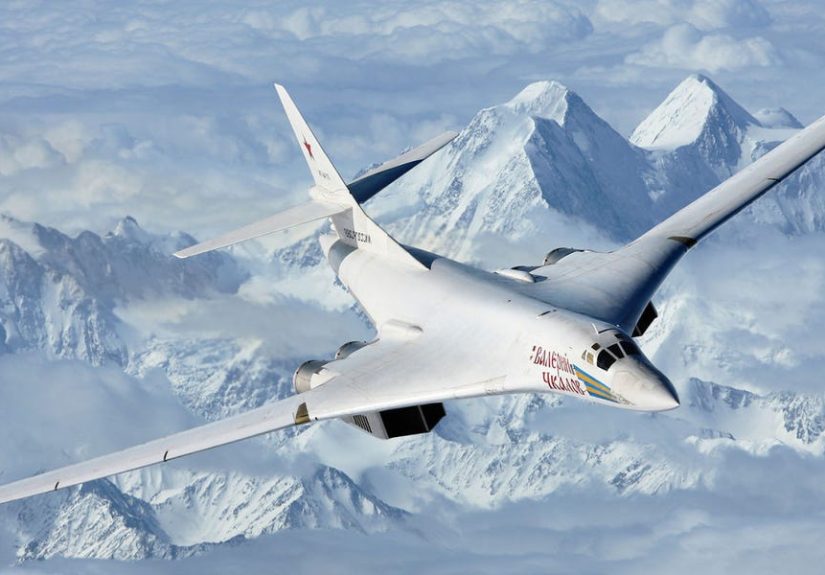
If warplanes had personality types, the Tupolev Tu-160 “Blackjack” would be the dramatic one who shows up late, wearing a white suit, and still somehow steals the spotlight. NATO gave it the nickname “Blackjack.” Russia calls it the “White Swan.” Either way, it’s the same idea: big, fast, and impossible to ignore.
And now, decades after the Soviet Union stopped building new Tu-160s, Russia is trying to “bring it back” with modernized versions and newly built airframesessentially a Cold War icon getting a 21st-century refresh. This isn’t just nostalgia with afterburners. It’s a mix of deterrence messaging, military-industrial reality, and the blunt logic of standoff weapons in modern war.
What Is the Tu-160 “Blackjack,” Exactly?
The Tu-160 is the last major strategic bomber design to enter service before the Soviet Union collapsedan aircraft born in the late Cold War, when “strategic aviation” meant one thing: making sure the other side knew you could reach them.
Technically, the Tu-160 is a supersonic, variable-sweep wing heavy bomber built around range, speed, and payload. It’s often compared to the U.S. B-1 because the roles overlap and the silhouettes rhyme: a sleek body, swing wings, and an emphasis on long-distance strike.
The Tu-160’s “signature move”: standoff missiles
The Blackjack’s most important job today isn’t sneaking past radar at treetop height like a movie sceneit’s launching long-range cruise missiles from far away. That standoff approach matters because modern air defenses are unforgiving, and Russia (like every major power) would rather keep expensive bombers out of harm’s way if missiles can do the risky part.
In practical terms, the Tu-160 functions as a flying missile magazine: get airborne, travel within safe corridors, and launch salvos that can reach targets at long distances. This is why the aircraft stays relevant even when stealth bombers dominate headlines. Stealth is one way to survive; distance is another.
So What Does “Bringing Back Blackjack” Mean in 2026?
When people say Russia is bringing back the Blackjack, they’re usually referring to two related efforts: modernizing existing Tu-160s and restarting production of new or newly completed airframes in upgraded forms. In Russian naming, you’ll often see “Tu-160M” (modernized) and “Tu-160M2” (new-build or deeply rebuilt to a modern standard).
Modernization: Tu-160M
A modernization program updates avionics, navigation, communications, and weapons integrationbasically the parts that age fastest. The goal is to keep the airframe useful as a modern cruise-missile carrier, with improved systems and (in some cases) newer engines.
New-build restart: Tu-160M2
Restarting production is the more ambitious (and more difficult) piece. The Soviet-era supply chain is gone, skilled labor has aged out, tooling has to be recreated, and sanctions complicate access to modern components. In other words: it’s not like pulling a classic car out of a garage and changing the oil. It’s more like rebuilding the factory that built the carwhile the factory is on firethen asking it to meet modern emissions standards.
Russia has publicly showcased milestones along the way, including high-profile appearances by senior leadership and test flights associated with the upgraded Tu-160 family. Official statements in 2024 and 2025 also pointed to deliveries of modernized bombers, reinforcing the message that this is not just a plan on paper.
Why Revive a Soviet-Era Bomber Instead of Building Something New?
The short answer: because designing a brand-new stealth bomber is brutally hard, painfully expensive, and sloweven for countries that are very good at building aircraft. The longer answer includes strategy, industry, and timing.
1) Deterrence is partly theaterand the Tu-160 is built for the stage
Strategic bombers have always doubled as political signals. They’re visible, trackable, and symbolic. A submarine deterrent is deadly but invisible; a bomber is deadly and photogenic. When a Tu-160 appears in exercises, long-distance flights, or official videos, it’s communicating: “We can reach far, carry a lot, and we’re still in this game.”
That signaling has become more pronounced as nuclear rhetoric and great-power competition intensified. The Tu-160’s return, modernization, and publicized flights sit neatly inside that broader story: Russia wants audiencesdomestic and internationalto believe its long-range strike forces remain credible and improving.
2) It’s a bridge to a future bomber that keeps slipping right
Russia has talked for years about a next-generation bomber program (often discussed under the PAK DA umbrella). But next-gen aviation programs are notorious for delays. Reviving the Tu-160 buys time and preserves capability while the “future bomber” stays stuck somewhere between concept art and factory reality.
Think of the Tu-160 revival as a strategic “keep the lights on” planexcept the lights are powered by four massive engines and the electricity bill comes with a comma.
3) Cruise-missile warfare rewards payload, range, and availability
Modern conflicts have reinforced the value of standoff strike. If your doctrine emphasizes long-range cruise missiles, then a platform that can carry many missiles and fly far becomes extremely useful. It also spreads risk: missiles can be produced (and lost) faster than bombers can.
The Tu-160 is well-suited to that role. It’s not a stealthy penetrator like a B-2 or the emerging B-21 concept. Instead, it’s a high-end launchera strategic quarterback who throws from behind the line rather than running headfirst into it.
The Industrial Reality: “Restart Production” Is the Hard Part
Announcing a production restart is easy. Actually doing it is where things get messyespecially for a complex aircraft built in small numbers. The Tu-160 program has faced recurring questions about capacity, pace, and consistency.
Engines: the heart transplant problem
One of the most discussed hurdles has been the engine line. The Tu-160’s NK-32 family is powerful, specialized, and historically difficult to produce at scale. Modernized variants (often described as improving efficiency and performance) matter because they affect range, reliability, and the whole restart schedule.
In plain English: if you can’t reliably produce engines, you don’t really have a bomber “revival.” You have an ambitious sculpture project.
Avionics and components under sanctions pressure
Modern avionics require microelectronics. Sanctions and export controls don’t make modernization impossible, but they can make it slower, more expensive, and more improvisational. That usually means substitutions, domestic workarounds, and delaysespecially when the original design was never optimized for a modern electronics ecosystem.
Workforce and tooling
Aerospace manufacturing is a craft industry disguised as heavy industry. Skilled labor, specialized tooling, quality control, and supply chain depth all decide whether “two aircraft a year” is realistic or a fantasy. Satellite imagery and open-source analysis have also drawn attention to expansion activity at key plants, suggesting sustained effortbut also highlighting that scale remains limited.
Combat Context: Big Bombers, Real Vulnerabilities
The Tu-160’s current operational environment isn’t the 1980s. It’s a world of drones, satellite surveillance, long-range precision strike, and airfields that can be targeted deep behind front lines. Even if bombers launch from “safe” airspace, they still need runways, fuel, maintenance facilities, and storage sites for missiles.
Airbases are the new front line
Recent years have shown that long-range aviation assets can be pressured indirectly by attacks on infrastructure and bases. Strikes and attempted strikes on facilities associated with strategic aviation have become part of the broader pattern of shaping operations: hit the bomber force’s logistics and basing, and you reduce sortie generationwithout ever dogfighting a bomber.
This matters for the “Blackjack revival” story because it changes the cost-benefit math. A modernized bomber is valuable, but it’s also a high-profile target. The more a country invests in a small number of exquisite assets, the more it must invest in protecting the ecosystem that keeps those assets operational.
What the Tu-160 Revival Signals About Strategy
Russia’s decision to modernize and restart Tu-160 production suggests a few strategic priorities that are hard to miss:
- Standoff strike is central: Long-range cruise missiles remain a core tool for both conventional strike and nuclear signaling.
- Strategic messaging still matters: Highly visible platforms are used to project confidence and continuity.
- Industry constrains ambition: Modernization is partly a workaround for the slow pace of truly new aerospace programs.
- Quantity is limited, so survivability shifts to basing and defense: If the fleet is small, every airframe (and every runway) becomes precious.
In that sense, “bringing back Blackjack” is less about creating a brand-new threat and more about preserving a specific kind of capability: the ability to launch lots of long-range weapons from far away, backed by the symbolism of a strategic bomber force.
Conclusion: A Reunion Tour With Real Strategic Weight
The Tu-160 is a rare aircraft: a supersonic heavy bomber that looks like it was designed by someone who believed aerodynamic drama was a moral virtue. Russia’s effort to revive and modernize it is not just an engineering storyit’s a strategy story.
The Blackjack’s return reflects the realities of modern deterrence and modern war: standoff weapons matter, visible signals matter, and building brand-new strategic aircraft is so hard that “upgrading the legend” can be the most practical path. Still, the revival comes with constraintsindustrial bottlenecks, limited production tempo, and a battlefield where airbases themselves can be contested.
In other words: Russia isn’t simply bringing back a bomber. It’s trying to keep a whole strategic ecosystem aliveone engine, one airframe, and one headline at a time.
Experiences: What the Blackjack Revival Feels Like From the Human Side (Bonus)
Even if you’ve never stood on a runway or worn hearing protection that makes you look like a budget sci-fi extra, the Tu-160 revival is the kind of story that triggers a very specific reaction in aviation fans: equal parts awe, unease, and “wait, they’re building that again?”
Picture the scene that enthusiasts always describe when discussing big strategic aircraft: the first moment you realize how enormous they are. Photos flatten everything. In person, a heavy bomber doesn’t look like a “plane” so much as a moving building with wings. People who have toured aviation museums or attended airshows often say the same thing: you walk up confident, then you stop talking because your brain is busy recalibrating scale.
The Tu-160’s mythology adds another layer. It’s not just largeit’s fast, and that combination feels almost unfair, like watching a refrigerator win a sprint. There’s a reason writers keep comparing it to the B-1: both have that sleek, swept-wing “I was designed during a very intense meeting” vibe. When you read about the Blackjack coming back, you can almost hear the soundtrack switch to Cold War mode: radar screens, icy routes, and long-distance patrols that were always half training, half performance art.
For analysts and military watchers, the experience is different but just as visceral. A revived Tu-160 program isn’t only about nostalgiait’s about what gets funded, what gets prioritized, and what a country wants to show the world. Following the news becomes a ritual: a rollout here, an engine milestone there, a carefully staged flight, a claim of new deliveries, a grainy clip that sends social media into detective mode. It’s like watching a prestige TV series where every episode ends with a teaser, except the budget is measured in billions and the stakes are measured in deterrence.
And then reality intrudesbecause modern conflict is unromantic. Today’s “feel” of strategic aviation includes drone threats, satellite surveillance, and airbases that can’t assume they’re safe just because they’re far away. That changes the emotional texture of the story. The Blackjack revival isn’t simply “cool plane returns.” It’s “cool plane returns… to a world that can see it, target it, and pressure the system that supports it.”
If you’re a casual reader, the experience might be simpler: a mix of fascination and disbelief. The Tu-160 sounds like something from a different eraMach numbers, swing wings, and the idea that a single aircraft can carry a small library of missiles. Yet it’s being discussed in present tense. That contrast is exactly why this story sticks: the past is back, but it’s wearing modern electronics and living in a world that fights differently.
In the end, the “human experience” of Russia bringing back the Blackjack is a kind of cognitive whiplash. It’s the sensation of watching a relic become relevant again, not because the world moved backward, but because certain strategic problemsdistance, deterrence, and signalingnever really went away.