Table of Contents >> Show >> Hide
- What Is Ryan's Room Wooden Toys Bag O' Blocks?
- What Makes This Wooden Block Set Stand Out?
- Why Wooden Blocks Still Matter in a Screen-Happy World
- Who Is This Toy Best For?
- How to Get More Play Value From Bag O' Blocks
- Safety, Storage, and Practical Parent Notes
- Final Verdict
- Extra Experiences Related to Ryan's Room Wooden Toys Bag O' Blocks
If you have ever watched a toddler ignore a complicated, blinking, singing, battery-hungry toy in favor of a plain wooden block, congratulations: you have witnessed the tiny philosopher at work. Children do not always want a toy that performs like a Vegas stage show. Sometimes they want a block. A simple, sturdy, honest little block. And that is exactly why Ryan’s Room Wooden Toys Bag O’ Blocks still deserves attention.
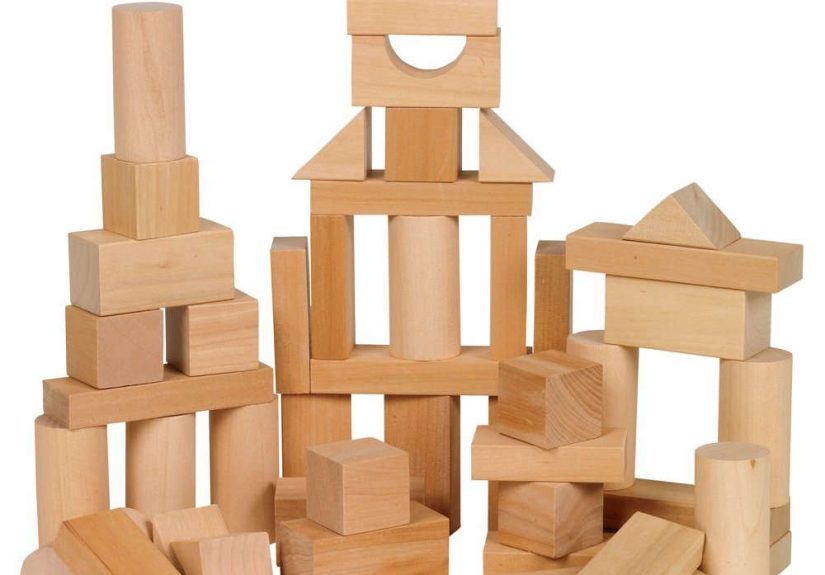
This classic wooden block set has the kind of old-school charm that makes adults say, “Now that looks like a real toy,” while kids say absolutely nothing because they are too busy building a crooked castle, knocking it down, and calling it progress. The appeal is wonderfully simple. The set includes 50 wooden blocks, offers nine unique shapes, and comes with a drawstring bag for storage and transport. The blocks are also sized with little hands in mind, which is excellent news for small builders and for parents who do not want the living room to look like a construction site designed by raccoons.
But a set like this is more than decor-friendly nostalgia. Wooden blocks remain one of the most useful toys in early childhood because they invite open-ended play. There are no rigid rules, no one “correct” outcome, and no robotic voice shouting “great job” every six seconds. A child gets to think, test, stack, compare, imagine, talk, rebuild, and try again. In other words, the child gets to be the engine of the fun.
What Is Ryan’s Room Wooden Toys Bag O’ Blocks?
Ryan’s Room Wooden Toys Bag O’ Blocks is a classic building toy designed for toddlers and preschoolers who enjoy stacking, sorting, building, toppling, and repeating that cycle like tiny performance artists. Historically, the set has been described as a collection of 50 building blocks made of wood, with smaller-sized pieces that work well for young children. It includes nine distinct shapes, which gives the set enough variety to feel creative without becoming overwhelming.
That balance matters. Some block sets are so tiny, so specialized, or so complicated that they feel less like free play and more like unpaid engineering homework. Ryan’s Room Bag O’ Blocks avoids that problem. It sticks to the basics: shapes, balance, structure, and imagination. The included drawstring bag also makes the set easier to store, carry, and rescue from the mysterious household dimension where toy pieces go when you are not looking.
Visually, the set carries the warm, natural look people usually associate with wooden toys. That matters more than it may seem. Wooden blocks tend to feel substantial without being flashy. They do not overwhelm the senses, and they invite focus. A toy like this is not trying to out-yell the room. It quietly waits for a child to decide whether today is a “build a zoo” day or a “create a bridge for stuffed giraffes” day.
What Makes This Wooden Block Set Stand Out?
1. It keeps the play open-ended
The best thing about Bag O’ Blocks is also the least dramatic thing about it: the set does not tell a child what to do. There is no fixed storyline and no narrow script. One day the blocks become towers. The next day they become roads, fences, beds for dolls, pretend food, alphabet props, or the world’s least structurally sound spaceship. Open-ended toys like this encourage creativity because the child has to supply the plot.
2. It supports real developmental skills
This is where wooden blocks stop being “cute” and start being quietly brilliant. Building with blocks helps children practice fine motor skills, hand-eye coordination, problem-solving, and early spatial reasoning. When children compare shapes, balance pieces, and decide which block belongs where, they are learning through play instead of feeling like they have been enrolled in a tiny startup accelerator.
Block play also supports early math and STEM learning. Children experiment with size, symmetry, quantity, patterns, stability, and cause and effect. They learn that a skinny tower can wobble, a wider base can help, and gravity remains deeply committed to its brand. These simple discoveries are the early building blocks of later scientific and mathematical thinking.
3. It encourages language and social growth
Wooden blocks may look quiet, but they often spark a surprising amount of conversation. Children explain what they are making, negotiate turns, describe shapes, ask for pieces, and tell elaborate stories about their creations. One block becomes a bridge. Another becomes a bakery. Suddenly the living room has zoning issues. That kind of pretend-and-build play supports vocabulary, storytelling, listening, and collaboration.
4. It is refreshingly low-tech
Parents are increasingly drawn to toys that do not require batteries, apps, charging cables, firmware updates, or a support ticket. Ryan’s Room Wooden Toys Bag O’ Blocks fits beautifully into that low-tech category. It offers a slower, calmer style of play that lets kids take the lead. In a world full of noisy toys determined to “engage” children by shouting at them, a wooden block set feels like a polite guest.
Why Wooden Blocks Still Matter in a Screen-Happy World
There is a reason child-development experts keep returning to simple toys like blocks. These toys ask children to do the important work themselves. They plan. They test. They imagine. They rebuild. They talk. They fail in small ways and try again. That is real learning, and it is wonderfully ordinary.
With Ryan’s Room Bag O’ Blocks, the experience is tactile in the best way. Kids feel the weight of the pieces, notice the edges and shapes, hear the clack of wood on wood, and learn how small changes affect a structure. This kind of hands-on play supports concentration and patience. It also encourages independent play because a child does not need constant instructions to keep going.
Another bonus is that wooden block play can grow with the child. A younger toddler may simply stack and knock down. A slightly older child may sort by shape, build enclosures for toy animals, or create patterns. Preschoolers may invent cities, write signs, and turn the blocks into part of a larger pretend world. The same set evolves as the child does, which is more than can be said for many trendy toys that become irrelevant right after the first dramatic unboxing.
Who Is This Toy Best For?
Ryan’s Room Wooden Toys Bag O’ Blocks is especially well suited to toddlers and preschoolers, particularly children who enjoy building, sorting, or pretend play. Product descriptions for the set have historically positioned it for young children, and the smaller-sized blocks were specifically noted as being a good fit for little hands. That makes the toy appealing for families looking for a first or early wooden block set.
It is also a smart option for adults who prefer toys with a long shelf life. Grandparents tend to like wooden toys because they feel timeless. Parents like them because they usually pull double duty as both entertainment and quiet developmental support. Teachers and caregivers appreciate them because block play works well for solo play, side-by-side play, and group play.
Children who are highly imaginative often get a lot from a set like this. So do children who like repetition and construction. The beauty of a good block set is that it meets kids where they are. A child can use it in a simple way today and a more complex way six months later. The blocks do not judge. They are extremely professional about it.
How to Get More Play Value From Bag O’ Blocks
Build by theme
Invite a child to build a house, a school, a farm, a rocket, or a city street. The themed prompt gives structure without limiting creativity.
Sort before building
Ask children to group the blocks by shape, size, or color tone before they build. This adds a gentle learning layer without making play feel like a pop quiz.
Mix blocks with books
Read a story and then challenge the child to build something from it. A bridge from a fairy tale, a house from a picture book, or a zoo for favorite animals can connect literacy and imaginative play in a natural way.
Use them for early math play
Count blocks, compare heights, make patterns, or talk about which structures are taller, wider, longer, or more stable. The math happens almost by accident, which is usually when kids tolerate it best.
Let the tower fall
Adults sometimes rush to preserve the masterpiece. Kids are often just as interested in the crash as the construction. That dramatic collapse is not failure. It is physics with sound effects.
Safety, Storage, and Practical Parent Notes
Whenever you buy a block set for a young child, age-appropriateness matters. Safety guidance for children’s toys consistently emphasizes choosing toys that match a child’s developmental stage and avoiding hazards linked to parts that are too small or materials that are not suited to the age group. For young children, supervision is still important, especially during active group play where blocks can become projectiles in the hands of an overly enthusiastic architect.
The included drawstring bag is more useful than it sounds. A good storage solution means the toy is easier to put away, easier to transport, and more likely to stay in rotation. Parents know the painful truth: if cleanup is annoying, the toy slowly migrates from “favorite” to “why is this under the couch again?” A bag keeps the set together and makes it easier to bring along for visits to grandparents’ houses, playdates, or quiet afternoons away from screens.
It is also worth noting that wooden blocks work best when they are easy to access. Put the bag on a low shelf, and children are more likely to pull it out on their own. That little bit of independence matters. Sometimes the best toy is not the fanciest one in the room. It is the one the child can reach, understand, and immediately use.
Final Verdict
Ryan’s Room Wooden Toys Bag O’ Blocks is the kind of toy that makes a strong case for simplicity. It does not try to do everything. It does not light up, sing, teach eleven languages, or claim to prepare your toddler for the stock market. It offers 50 wooden blocks, nine useful shapes, easy storage, and endless ways to play. Honestly, that is plenty.
For parents shopping for a classic wooden block set, this toy checks the right boxes: durable material, open-ended design, strong replay value, and developmental benefits that feel natural rather than forced. For children, it offers what many of the best toys offer: freedom. Freedom to build, imagine, narrate, destroy, rebuild, and stay in charge of the whole glorious mess.
And maybe that is the secret of why toys like this last. A block does not get old because a block is never finished. It can become whatever the child needs that day. A tower. A road. A wall. A garage. A dragon cave. A sandwich, if the pretend restaurant is open. Wooden blocks are humble little overachievers. Ryan’s Room Bag O’ Blocks simply gives them a neat bag and sends them to work.
Extra Experiences Related to Ryan’s Room Wooden Toys Bag O’ Blocks
One of the most enjoyable things about a set like Ryan’s Room Bag O’ Blocks is how differently children use it from one day to the next. On Monday, a toddler may dump the whole bag dramatically onto the rug like a tiny contractor arriving late to the site. The mission is simple: stack three blocks, grin wildly, and then knock them over with the confidence of someone who has never heard the phrase “load-bearing wall.” On Tuesday, those same blocks are suddenly food at a pretend diner. A rectangle becomes toast. A cylinder becomes soup, which is not how soup works, but imagination is not a department known for strict realism.
Parents often notice that wooden blocks create a quieter kind of engagement. Not silent, exactly. There will still be sound. There will be negotiations. There may be a crash. But the play feels less frantic. A child studies the pieces, rotates them, experiments with balance, and keeps returning to the set without needing bells, songs, or flashing rewards. It is the toy equivalent of a deep breath.
Another common experience is that adults end up joining in almost by accident. You sit down meaning to supervise for two minutes, and ten minutes later you are helping design a parking garage for stuffed bears. Wooden blocks invite collaboration because the play is so flexible. There are no complicated instructions to learn, so grandparents, siblings, babysitters, and parents can all jump in easily. That makes the toy useful for family play, not just solo play.
The storage bag also becomes part of the routine in a surprisingly satisfying way. Children can help gather the blocks, drop them back in, and carry the set to another room. That simple cleanup pattern gives the toy a full life cycle: dump, build, rebuild, narrate, collapse, collect, repeat. It is not glamorous, but it is practical, and practical toys tend to stay useful longer than novelty toys that burn bright for three days and then disappear into a basket of forgotten chaos.
Perhaps the best experience tied to Ryan’s Room Bag O’ Blocks is the sense that the toy grows with the child. Early on, the joy may come from banging, stacking, and toppling. Later, the child starts naming shapes, creating patterns, assigning pretend roles, and building more intentional structures. Eventually, the blocks become props in larger stories. At that point, you realize the toy was never “just blocks.” It was a toolkit for thinking, creating, communicating, and experimenting. Not bad for a bag of wood, really.