Table of Contents >> Show >> Hide
- Quick Snapshot: What You Actually Get
- What Is the Savor Student Credit Card?
- How the Cash Back Works (And Why It’s Student-Friendly)
- What Counts as “Grocery,” “Dining,” “Entertainment,” and “Streaming”?
- The Welcome Bonus: Small, Achievable, Useful
- How to Maximize Savor Student (Without Becoming a Rewards Goblin)
- Savor Student vs. Other Student Cards: When It’s the Best Pick
- Fees, APR, and the “Don’t Let Interest Eat Your Cash Back” Rule
- Eligibility and Application: What Students Should Know
- Credit Building 101: How to Use Savor Student to Actually Improve Your Score
- Perks Beyond Cash Back: Security and Digital Tools
- Frequently Asked Questions
- Final Take: Who the Savor Student Card Is Perfect For
- Student Experiences: What Using Savor Student Feels Like in Real Life (About )
College life is basically a nonstop scavenger hunt for affordable food, decent Wi-Fi, and a chair that doesn’t squeak during a 9 a.m. lecture.
If you’re going to spend money on “food and fun” anyway, the Savor Student Credit Card is built to quietly pay you back for itwithout charging you an annual fee.
This guide breaks down what the Savor Student card is, how its cash back works, what counts (and what doesn’t), and how to use it to build credit
without accidentally financing your own late-night pizza habits at 27% APR. (Because yes, credit cards can be helpful. And yes, they can also be spicy.)
Quick Snapshot: What You Actually Get
- $0 annual fee
- Unlimited 3% cash back at grocery stores (excluding superstores like Walmart and Target) and on dining, entertainment, and eligible streaming
- Unlimited 1% cash back on all other purchases
- $50 welcome bonus after you spend $100 within 3 months of account opening (bonus timing and eligibility rules apply)
- No foreign transaction fees (student-friendly if you study abroad or travel)
- Bonus earning opportunities through Capital One Entertainment and Capital One Travel (when booked through their platforms)
- Designed for students with little or no credit history (credit level often described as “fair” for student products)
What Is the Savor Student Credit Card?
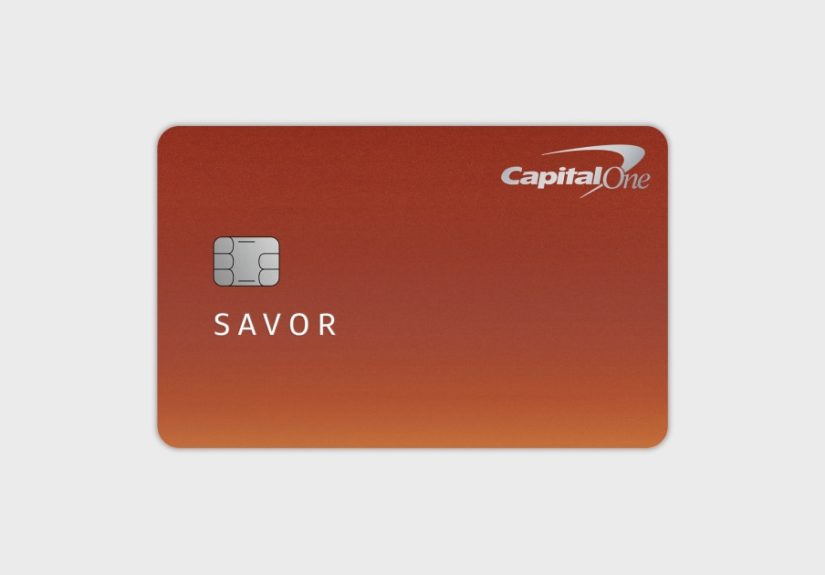
The Savor Student card is a student rewards credit card from Capital One. It’s essentially the “cash back for campus life” optionaimed at categories
where many students spend most: dining, groceries, entertainment, and streaming.
If you’ve seen “SavorOne Student” mentioned online, you’re not imagining things. Capital One’s Savor family went through naming changes, and the student
version is commonly discussed as part of that same rebrand era. The important takeaway: the student product focuses on 3% categories that match
everyday student spending.
How the Cash Back Works (And Why It’s Student-Friendly)
Cash back cards sound simplespend, earn, repeatbut the details matter. The Savor Student card shines because it offers a strong ongoing rate in categories
that are typically “high frequency, low-ish ticket” for students: meals, groceries, and subscriptions.
The Core Earning Rates
- 3% cash back at grocery stores and on dining, entertainment, and eligible streaming
- 1% cash back on everything else (think: textbooks, campus bookstore merch, random Amazon “needed for class” purchases)
Translation: if your monthly budget is mostly food and fun, the Savor Student card is a strong “default” card. If your spending is more evenly spread out,
a flat-rate student card (like a 1.5% everywhere option) could be simpler.
What Counts as “Grocery,” “Dining,” “Entertainment,” and “Streaming”?
Category rewards depend on how the merchant is coded, not what you think you bought. (A salad at a stadium can be “entertainment,” and a protein bar
at a big-box store can be “not grocery.” The universe is messy like that.)
Grocery Stores (3% Category)
Grocery typically includes supermarkets and specialty markets. The big catch: superstores like Walmart and Target are usually excluded.
If you do most of your “grocery” shopping at a superstore, your rewards may not land in the 3% bucket.
Dining (3% Category)
Dining often includes restaurants, cafes, bars, lounges, fast-food chains, and bakeries. That covers a lot of real life: coffee runs, taco nights,
and the occasional “I deserve this” brunch after midterms.
Entertainment (3% Category)
Entertainment can include places like movie theaters, certain ticketing and event merchants, amusement parks, tourist attractions, aquariums, zoos,
bowling alleys, and similar categories. Some exclusions can apply based on merchant codes.
Streaming (3% Category)
Streaming usually covers eligible music and video streaming services. Not every subscription or digital service qualifies, and some categories can be excluded.
If you’re stacking subscriptions like trading cardsmusic, movies, “live TV,” plus the one you forgot you pay forthis category can quietly add up.
The Welcome Bonus: Small, Achievable, Useful
A lot of student cards either (1) don’t offer a bonus or (2) offer one that basically requires you to buy a laptop, a couch, and a small yacht in the first
90 days. Savor Student’s bonus is usually structured to be realistic: spend a modest amount early on, and you earn a one-time cash bonus.
The key rule with any bonus: never spend extra just to “earn” it. If you wouldn’t buy it with your debit card today, it’s not a “bonus,” it’s
a “future-you problem.”
How to Maximize Savor Student (Without Becoming a Rewards Goblin)
Maximizing rewards doesn’t require spreadsheets, color-coded calendars, or negotiating with your roommates about who pays for pizza.
It’s mostly about putting the right purchases on the right cardand paying on time.
Use It for the 3% Stuff You Already Buy
- Groceries (at qualifying grocery stores, not superstores)
- Dining: coffee shops, restaurants, takeout
- Entertainment: movie tickets, attractions, events (when coded that way)
- Streaming subscriptions you actually use
Be Strategic with “Everything Else”
The card earns 1% on purchases outside the bonus categories. If you have another card that pays a flat 1.5% or 2% everywhere, it can be smart to use that
for non-category spending. If you don’t, 1% is still better than 0%, and simplicity is worth something.
Example: Monthly Spending Breakdown
Let’s say a student spends this per month:
- $250 groceries (qualifying store)
- $200 dining
- $40 streaming
- $60 entertainment
- $150 everything else
The 3% categories total $550 → about $16.50 cash back.
The “everything else” $150 → about $1.50 cash back.
Total ≈ $18 per month, or about $216 per yearbefore any bonus offers.
Savor Student vs. Other Student Cards: When It’s the Best Pick
The best student credit card is the one that matches your spending habits and keeps you out of interest trouble. Here’s how Savor Student typically compares.
Versus a Flat-Rate Student Card (Example: 1.5% Everywhere)
A flat-rate card is simple: you don’t have to think. But if you spend heavily in dining and groceries, Savor Student’s 3% can beat 1.5% by a lot.
The tradeoff is that some purchases only earn 1% on Savor Student.
A quick way to think about it:
if a large chunk of your spending is in Savor Student’s 3% categories, you’ll likely come out ahead.
If most of your spending is “everything else,” a flat-rate card may win.
Versus Discover it Student Cash Back
Discover’s student cash back style is famous for rotating 5% categories (with activation) and an end-of-first-year cash back match for new cardmembers.
That can be incredibly valuable if you track categories and remember to activate. If you want “set it and forget it,” Savor Student’s consistent 3% categories
can feel easier to live with.
Versus Chase Freedom Student
Chase Freedom Student is often positioned as a straightforward starter card with a modest bonus and simple earning.
If you want a “first card that’s easy to manage” and you value the Chase ecosystem later, it can be appealing.
But if your budget is heavy on dining/groceries/streaming, Savor Student’s category rewards may be more lucrative.
Versus Bank of America Travel Rewards for Students
If you care more about travel-style rewards and want a student-friendly card with travel leanings (and no foreign transaction fees),
a student travel card can make sense. If your spending is mostly day-to-day food and entertainment, Savor Student is more directly tuned for that.
Fees, APR, and the “Don’t Let Interest Eat Your Cash Back” Rule
The Savor Student card has a $0 annual fee, which is great. But the real cost of credit cards usually isn’t the annual feeit’s interest.
If you carry a balance, interest charges can wipe out your cash back faster than you can say “group project.”
A practical rule of thumb:
If you can’t pay it off this month, don’t put it on the card.
Use the card like a safer, trackable payment toolnot a loan.
Eligibility and Application: What Students Should Know
Student credit cards are built to be accessible, but issuers still need to confirm basic eligibility.
You generally must be at least 18 and be a student (enrolled, or admitted and planning to enroll soon).
If You’re Under 21
U.S. rules generally require applicants under 21 to demonstrate an ability to repay (often via independent income) or use an eligible adult co-signer/joint applicant,
depending on issuer policies and the specific situation. This is why student card applications ask about income.
Pre-Approval Can Be a Smart First Step
Capital One commonly promotes checking whether you’re pre-approved before applying, which can help you avoid unnecessary hard inquiries
and reduce the “apply-and-hope” stress.
Credit Building 101: How to Use Savor Student to Actually Improve Your Score
Rewards are fun, but the long-term win is building credit. Your credit score is influenced by factors like payment history and how much of your available credit you use.
Translation: pay on time and keep balances manageable.
Three Student-Proof Habits
- Turn on autopay for at least the minimum payment (then manually pay the full balance whenever possible).
-
Keep utilization low by paying early if your balance climbs.
Example: If your limit is $500, try not to let your statement close with $450 on itpay some down before the statement date. - Stay consistent. One late payment can do more damage than a semester of perfect cash back can fix.
Perks Beyond Cash Back: Security and Digital Tools
A modern student card isn’t just plasticit’s an app, alerts, and security features designed to reduce panic.
Capital One commonly includes tools such as account alerts, card lock/unlock, and virtual card numbers for safer online shopping.
If you’re new to credit, those features matter because mistakes usually happen in the cracks: a forgotten subscription, a missed due date, a card lost under your bed
for three weeks (no judgment).
Frequently Asked Questions
Is Savor Student good for groceries?
It can be excellentif you shop at qualifying grocery stores. If your grocery runs happen at superstores, you may not earn the 3% grocery rate there.
Will it help me build credit?
Yes, if you use it responsibly: pay on time, keep balances under control, and avoid maxing out your limit.
Does it work internationally?
Student cards from Capital One are commonly marketed as having no foreign transaction fees, which is helpful for study abroad or travel.
Always confirm the current terms before you leave the country (or before you buy that “cheap” flight you found at 2 a.m.).
Should I carry a balance to build credit?
No. Paying interest doesn’t help your score. Paying on time does. If you can pay in full, do it.
What if my credit limit is small?
That’s normal for starter cards. A smaller limit can still build creditjust make small purchases, pay them off, and keep utilization low.
If needed, make multiple payments per month.
Final Take: Who the Savor Student Card Is Perfect For
The Savor Student Credit Card is a strong match if your spending looks like many students’ budgets: groceries, dining, streaming, and entertainment.
It’s especially appealing if you want a no-annual-fee card with meaningful category rewardsand you’re willing to be just responsible enough to avoid interest charges.
If you want maximum simplicity across every purchase, a flat-rate student card might feel cleaner.
But if “food and fun” is your core budget reality, Savor Student is built for exactly that.
Student Experiences: What Using Savor Student Feels Like in Real Life (About )
Imagine a pretty normal week: you buy groceries on Sunday because your “meal plan” is mostly vibes. You grab coffee twice, because you’re a student and caffeine is
basically a study tool. You split takeout with friends on Wednesday, and by Friday you’re streaming something “in the background” while you pretend to finish a paper.
None of that is glamorous… but it is consistent spending.
In that routine, the Savor Student card feels less like a “finance product” and more like a quiet little rebate machine. You’re not chasing rotating categories,
you’re not setting quarterly reminders, and you’re not doing mental math at the checkout line. You just use the card where it naturally fits:
dining, groceries (at an actual grocery store), and subscriptions you already pay for.
One common student win: the grocery split. Say you and your roommates do a shared grocery run, and you put the full cart on your card. Everyone Venmos you back.
You earn the cash back on the whole purchase, but you only pay your share out of pocket. (That’s not “gaming the system.” That’s just being the designated shopper.
Congratulations, you’ve been promoted to Household CFO.)
Another very real experience: learning how credit limits and statements work the first time. Many students start with modest limits. That can be annoying
(“I can’t even buy my textbook bundle?”), but it’s also protective. It forces you to pay attention. Students often discover the “pay early” trick:
you don’t have to wait for the due date. If your balance starts creeping up, you can pay mid-month so your utilization stays healthy and your available credit
doesn’t feel cramped.
The card is also a teachersometimes a strict one. If you carry a balance, you learn quickly that interest is the opposite of cash back.
Earning a few dollars in rewards is nice, but paying interest is like tipping a villain. Many students end up adopting the simplest system:
put predictable expenses on the card (groceries, dining out, streaming), then set autopay for the full statement balance.
That way you get the rewards and avoid the “why is my balance still here?” mystery.
Finally, there’s the confidence factor. Having a card with a solid rewards structure can make money feel more trackable.
You can see transactions in an app, get alerts, lock the card if it goes missing, and keep your budget honest.
Used responsibly, Savor Student becomes less about “buying stuff” and more about building a credit history that will matter later
when you’re renting an apartment, setting up utilities, or trying to qualify for better financial products after graduation.