Table of Contents >> Show >> Hide
- What Is Septoplasty?
- Common Reasons for Septoplasty
- What to Expect Before Septoplasty
- What Happens During Septoplasty?
- Recovery: What to Expect After Septoplasty
- Risks and Possible Complications of Septoplasty
- Septoplasty vs. Rhinoplasty (And Other Add-Ons)
- Who Is (and Isn’t) a Good Candidate for Septoplasty?
- Smart Questions to Ask Your Surgeon
- Real-Life Septoplasty Experiences and Practical Tips
- Bottom Line
If you’ve ever tried to fall asleep while one nostril feels like it’s filled with concrete, you’ve already met one of the main reasons people consider septoplasty. This common nasal surgery is designed to straighten a crooked septum, open your airway, and help you finally breathe like a person in a nasal spray commercial. But it’s still surgery, which means it comes with preparation, recovery time, and some real risks to weigh.
This in-depth guide walks you through what septoplasty is, why doctors recommend it, what to expect before and after surgery, and the potential complications you should know about before you sign any consent forms.
What Is Septoplasty?
Septoplasty is a surgical procedure that straightens the nasal septum the thin wall of bone and cartilage that separates your two nostrils. In a perfect world, that wall sits right in the middle. In reality, most people have at least a slight bend. When that bend (a deviated septum) is big enough to block airflow, it can cause chronic congestion, sinus infections, snoring, and even sleep-disordered breathing.
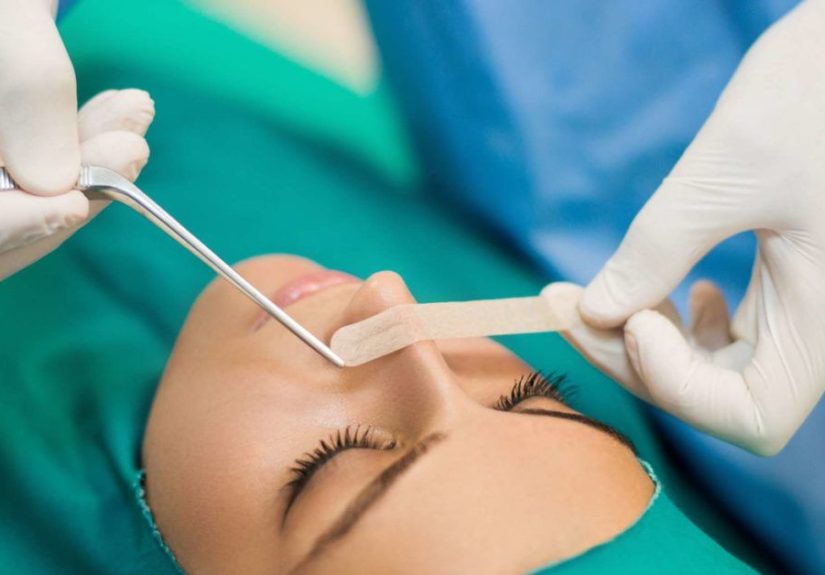
During septoplasty, an ear, nose, and throat (ENT) surgeon works from inside your nostrils. They lift the thin lining that covers the septum, reshape or remove crooked pieces of bone and cartilage, and then reposition the lining. No external cuts are usually needed, and the main goal is functional to help you breathe better, not to change how your nose looks from the outside.
Septoplasty is typically:
- Done as an outpatient surgery (you go home the same day).
- Performed under general anesthesia or local anesthesia with sedation.
- Completed in about 30–90 minutes, depending on how crooked things are inside.
Common Reasons for Septoplasty
Not every deviated septum needs surgery. Many people get by with saline sprays and allergy meds. Septoplasty is usually recommended when symptoms are persistent, bothersome, and haven’t responded well to medical treatment.
1. Trouble Breathing Through Your Nose
The biggest reason for septoplasty is chronic nasal obstruction feeling like one or both sides of your nose are always blocked. You might notice:
- One nostril is always harder to breathe through.
- Breathing gets worse when you lie down, exercise, or have a cold.
- You’re a “mouth breather” by necessity, not by choice.
2. Frequent Sinus Infections and Pressure
A significantly deviated septum can interfere with normal sinus drainage, setting you up for recurrent sinus infections, facial pressure, and headaches. If nasal steroid sprays, decongestants, and allergy treatment haven’t made much difference, your ENT may suggest septoplasty to improve airflow and drainage pathways.
3. Snoring and Sleep Disruption
Chronic nasal blockage can contribute to snoring and may worsen obstructive sleep apnea in some people. Septoplasty alone is not a cure for sleep apnea, but improving nasal breathing can make other treatments (like CPAP) more comfortable and effective.
4. Nosebleeds and Dryness
A sharp bend or spur in the septum can create turbulent airflow and dry out certain areas, leading to recurrent nosebleeds and crusting. Straightening the septum can sometimes reduce these issues.
5. Trauma or Cosmetic Reconstruction
Previous injuries from sports, accidents, or that one unfortunate encounter with a door frame can distort the septum. Septoplasty may be done on its own or combined with rhinoplasty (a septorhinoplasty) to both improve breathing and refine the nose’s appearance.
What to Expect Before Septoplasty
1. Evaluation with an ENT Specialist
Your ENT will ask about your symptoms, medical history, past nasal injuries, allergies, and prior treatments. They’ll examine your nose using a lighted instrument or a small camera (nasal endoscope) to see exactly how your septum is shaped and whether other structures (like the turbinates) are also contributing to the blockage.
2. Imaging and Additional Tests
In some cases, your doctor may order a CT scan of the sinuses to look for chronic sinusitis, polyps, or other structural issues. This is especially common if you have long-standing sinus infections or facial pain.
3. Medical Optimization
Before surgery, your provider may ask you to:
- Stop taking blood-thinning medications (like aspirin, ibuprofen, or certain supplements) several days in advance, if medically safe.
- Quit smoking or vaping, since nicotine impairs healing.
- Control allergies or infections as much as possible before surgery.
4. Pre-Op Instructions
You’ll get specific instructions on when to stop eating and drinking before your surgery time, when to arrive, and what to bring. Make sure you arrange a ride home you won’t be allowed to drive yourself after anesthesia, even if you insist you feel “totally fine.”
What Happens During Septoplasty?
While details vary by surgeon and hospital, a typical septoplasty looks roughly like this:
- Anesthesia: You’re given either general anesthesia (you sleep through the surgery) or local anesthesia with sedation (you’re very relaxed, and your nose is numb).
- Internal Incision: The surgeon makes a small cut inside one nostril to access the septum. No external facial incisions are usually needed.
- Lifting the Lining: The thin membrane that covers the septum (the mucosa) is gently lifted to expose the underlying bone and cartilage.
- Reshaping the Septum: Crooked or thickened areas are trimmed, repositioned, or removed. The goal is a straighter, more open nasal passage while keeping enough structure to support your nose.
- Additional Procedures If Needed: Many people have a turbinate reduction at the same time if enlarged turbinates are also blocking airflow.
- Stabilizing the Septum: The mucosa is repositioned, and the surgeon may place thin internal splints or soft packing to keep everything in place and reduce bleeding.
Once you’re done, you’ll go to a recovery area until the anesthesia wears off and your team is sure you’re stable enough to go home.
Recovery: What to Expect After Septoplasty
The First 24–72 Hours
Expect to feel stuffy, congested, and a little miserable but in a “short-term investment” kind of way. Common early symptoms include:
- Bloody or pink-tinged drainage from the nose.
- Pressure and mild to moderate pain around the nose, cheeks, or upper teeth.
- Swelling inside the nose, making breathing feel worse before it gets better.
- A dull headache and general fatigue.
Your surgeon will give you detailed instructions, which usually include:
- Keeping your head elevated, even while sleeping.
- Avoiding nose blowing for at least a week or two.
- Sneezing with your mouth open (very glamorous, but important).
- Using saline sprays or rinses as directed to keep the nose moist and clear of crusts.
- Avoiding heavy lifting, strenuous exercise, or bending over for about 1–2 weeks.
One to Two Weeks After Surgery
Most people can return to school or desk work in about 7–10 days, once pain and visible swelling improve. Internal splints or packing, if used, are usually removed at a follow-up visit within the first week. This appointment is not anyone’s favorite life experience, but it’s usually quick and brings noticeable relief in breathing.
Longer-Term Healing
Even after you feel mostly back to normal, your septum and nasal tissues continue healing for several months. It can take that long for swelling to fully settle and for you to appreciate the final improvement in airflow. In some cases, subtle changes in breathing can continue for up to a year as the internal tissues remodel.
Risks and Possible Complications of Septoplasty
Septoplasty is considered a relatively low-risk, routine ENT surgery, but “low-risk” never means “no risk.” It’s important to understand both general and procedure-specific complications before you decide.
General Surgical Risks
- Bleeding: Some bleeding is expected, but occasionally, heavy bleeding may require additional treatment or packing.
- Infection: Uncommon, but possible. You may receive antibiotics depending on your surgeon’s protocol and risk factors.
- Anesthesia reactions: Serious reactions are rare, but your anesthesiologist will review your history to minimize risk.
Septoplasty-Specific Risks
- Persistent or recurrent nasal obstruction: Symptoms may not fully resolve, or they may recur over time.
- Septal perforation: A small hole can form in the septum. Sometimes it causes whistling, crusting, or bleeding and may need further treatment.
- Changes in sense of smell: Temporary changes are more common; permanent changes are rare but possible.
- Altered nose shape: Septoplasty isn’t meant to change your external appearance, but subtle changes can occur, especially if extensive cartilage work is needed.
- Numbness of teeth, gums, or nose tip: Usually temporary, due to irritation of small nerves that run through the area.
- Hematoma (blood collection) or scar tissue: May need to be drained or removed in a follow-up procedure.
- Very rare complications: Like cerebrospinal fluid leak (a leak of fluid around the brain) are extremely uncommon but serious.
Your individual risk depends on your anatomy, overall health, and the complexity of your septal deviation. This is why an honest, detailed conversation with a board-certified ENT or facial plastic surgeon is essential.
Septoplasty vs. Rhinoplasty (And Other Add-Ons)
People often confuse septoplasty with rhinoplasty. In simple terms:
- Septoplasty = function. The focus is to improve breathing by straightening the septum inside the nose.
- Rhinoplasty = form. The focus is to change the external shape or size of the nose.
When both are done together, the procedure is called septorhinoplasty. This can improve both airflow and cosmetic appearance at the same time.
In addition, surgeons often perform turbinate reduction if enlarged turbinates are contributing to congestion. Think of it as clearing the side “curtains” of tissue in the nasal passage while also straightening the wall.
Who Is (and Isn’t) a Good Candidate for Septoplasty?
Good Candidates Often Have:
- Documented deviated septum on exam or imaging.
- Chronic nasal obstruction, sinus issues, or snoring that isn’t controlled by medications.
- Realistic expectations: breathing improvement, not a brand-new celebrity nose (unless combined with rhinoplasty).
- Overall good health and ability to undergo anesthesia.
Septoplasty May Not Be Ideal If:
- Your congestion is mainly due to uncontrolled allergies or environmental irritants.
- You’re expecting a guaranteed cure for chronic headaches or fatigue that may have multiple causes.
- You have uncontrolled medical conditions that increase surgical risk.
A thorough evaluation helps your surgeon determine whether septoplasty is likely to meaningfully improve your symptoms, or whether other treatments (like allergy management, nasal sprays, or CPAP for sleep apnea) should be optimized first.
Smart Questions to Ask Your Surgeon
- “What is causing my nasal obstruction a deviated septum, turbinates, polyps, or a mix?”
- “What percentage of patients like me notice clear improvement in breathing after septoplasty?”
- “Will I need turbinate reduction or other procedures at the same time?”
- “What are my specific risk factors, given my anatomy and health conditions?”
- “How much downtime should I realistically plan for work, exercise, and travel?”
- “If my symptoms don’t fully resolve, what are the next steps?”
Real-Life Septoplasty Experiences and Practical Tips
Every recovery story is a little different, but patients tend to describe a few common themes. Understanding these ahead of time can help you prepare mentally, physically, and logistically.
The “Why Did I Do This?” Phase
Many people report a moment in the first few days after surgery where they feel worse than they expected. You’re swollen, your nose is packed or splinted, and breathing through your mouth dries out your throat. It’s extremely common to think, “I made a huge mistake.” The key is remembering that this phase is temporary and usually lasts only a few days.
Simple comfort strategies can make that window more tolerable:
- Humidifiers: A cool-mist humidifier can help with dry mouth and throat from mouth breathing.
- Soft, salty foods: Soups, mashed potatoes, yogurt, and smoothies are easier to handle when you’re tired and congested.
- Short, frequent rests: You may not sleep perfectly through the night at first, so naps are your friend.
The First “Wow, I Can Breathe” Moment
Many patients describe a surprisingly emotional moment usually after the splints or packing are removed when they notice air flowing through both nostrils for the first time in years. It may not be perfect yet, and there may still be swelling, but it often feels like someone opened a window in a stuffy room.
That first full nasal breath can be a powerful reminder of why you went through surgery in the first place. You might notice subtle changes right away, like:
- Climbing stairs feels less tiring.
- You aren’t constantly reaching for decongestant sprays.
- Your partner comments that you’re snoring less.
Work, Exercise, and Daily Life
In real life, people’s return to activity varies a bit. Desk workers often go back in about a week, sometimes sooner if they can tolerate a little congestion and avoid heavy lifting. Jobs that involve physical exertion, heat exposure, or risk of facial injury (like construction, sports coaching, or law enforcement) may require a longer break.
Most surgeons recommend avoiding strenuous exercise and heavy lifting for around two weeks. Even after that, you’ll be asked to ramp up gradually and avoid contact sports or activities that could risk a hit to the nose while things are still healing.
Emotional and Practical Expectations
It’s easy to focus only on the physical side, but there’s an emotional component too. Some people feel impatient or worried if their breathing isn’t instantly perfect. Others feel unexpected relief not just from breathing better, but from finally addressing a long-term problem they had normalized.
A few practical tips from typical patient experiences:
- Plan your entertainment: Line up shows, audiobooks, or podcasts for the first few days when you’re resting more and not in the mood for anything demanding.
- Stock up on tissues and saline spray: You’ll use them more than you think.
- Arrange help at home: Especially for the first 48 hours, it’s nice to have someone who can handle chores, kids, or pets while you rest.
- Follow instructions exactly: Patients who keep their follow-up appointments, use saline rinses, and respect activity limits generally report smoother recoveries.
Long-Term Satisfaction
Long-term studies suggest that most people experience significant improvement in nasal airflow and quality of life after septoplasty, especially when the primary issue truly was a deviated septum. Some patients notice subtle drifting of symptoms over years, but many are simply happy they can breathe, sleep, and exercise more comfortably.
In everyday language: while the first week may not be fun, a lot of people feel the trade-off is worth it. The key is going in with realistic expectations, choosing an experienced surgeon, and giving your body the time it needs to heal fully.
Bottom Line
Septoplasty is not about getting a “new nose” it’s about giving the nose you already have a fair chance to do its job. For the right person, straightening a deviated septum can reduce congestion, improve sleep, and cut down on sinus problems. But it’s still real surgery with real risks, so it deserves thoughtful consideration and a thorough conversation with a qualified ENT specialist.
This article is meant for general education and should not replace personal medical advice. If you’re thinking about septoplasty, talk with your healthcare provider about your specific symptoms, goals, and medical history.