Table of Contents >> Show >> Hide
- What Counts as a “Geranium,” Anyway?
- Should You Overwinter Your Geraniums This Fall?
- Why Overwintering Can Lead to Bigger Blooms Next Year
- What to Do Right Now Before Frost Hits
- The 3 Best Ways to Overwinter Geraniums
- Which Overwintering Method Is Best?
- Common Mistakes That Ruin Overwintered Geraniums
- How to Wake Geraniums Up for Spring
- Final Verdict: Yes, Overwintering Geraniums Is Usually Worth It
- Gardener Experiences: What People Learn After Overwintering Geraniums
If your geraniums are still strutting around the porch like they own the place, fall can feel a little rude. One chilly night, one smug frost, and suddenly those bright blooms are done performing. But here’s the good news: you do not have to treat every geranium like a one-season fling. In many parts of the United States, the popular garden geraniums we grow in pots, window boxes, and sunny beds can be overwintered indoors and brought back for another round next year.
And yes, that can mean earlier flowers, fuller plants, and a stronger start in spring. No, it is not wizardry. It is mostly timing, decent light, a little pruning, and resisting the urge to love your plant to death with too much water.
If you are wondering whether you should overwinter your geraniums this fall, the answer is: probably yes, if the plants are healthy, you like the variety, and you are willing to give them a little winter shelter. The trick is choosing the right method now, before cold weather turns your blooms into botanical mush.
What Counts as a “Geranium,” Anyway?
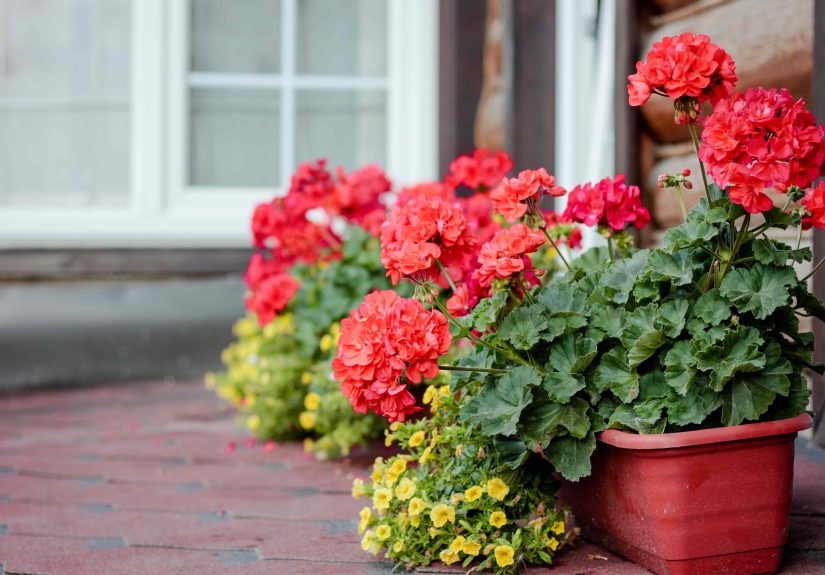
Let’s clear up one gardening identity crisis. The colorful “geraniums” most people grow in containers and summer beds are usually Pelargoniums, not the hardy perennial cranesbills that stay outdoors in colder climates. That matters because tender geraniums cannot handle hard frost. If you live somewhere with cold fall nights, they need protection before freezing weather arrives.
So if your plant spent the summer blooming its heart out in red, coral, pink, salmon, white, or some suspiciously cheerful hot magenta, this article is for that plant.
Should You Overwinter Your Geraniums This Fall?
For many gardeners, overwintering geraniums is absolutely worth it. These plants are easy to grow, bloom for months, and often have colors or forms you may not find again next year at the garden center. Saving them can cut spring spending, preserve favorite varieties, and give you a head start on the growing season.
That said, not every geranium deserves a VIP winter pass. Skip overwintering if the plant is badly diseased, infested with pests, or already so stressed that it looks like it needs a therapist more than a sunny window. Start with your healthiest plants. Strong plants adapt better indoors, root more easily from cuttings, and recover faster in spring.
In other words, fall is a good time to be selective. Save the best, compost the rest, and do it without guilt. Gardeners call that “good judgment.” Plants call it “betrayal.”
Why Overwintering Can Lead to Bigger Blooms Next Year
The phrase “bigger blooms” needs one small reality check: overwintering does not magically turn a tired geranium into a floral fireworks factory. But it can give you advantages that often lead to earlier and more abundant flowering in the next season.
First, overwintered geraniums already have an established root system or a strong genetic head start from cuttings. Second, by late winter or early spring, you can begin pruning and encouraging fresh branching before outdoor planting time. More branching often means more bloom stems. Third, you are not waiting for tiny spring nursery plants to size up from scratch.
That is why many gardeners find that saved geraniums bloom sooner and look fuller once warm weather returns. The plant is not starting from zero. It is starting with history, and hopefully, a decent winter haircut.
What to Do Right Now Before Frost Hits
1. Pick your winners
Choose only healthy, vigorous, disease-free geraniums. Look for sturdy stems, decent leaf color, and strong flowering performance. Plants with mushy stems, leaf spots, mildew, or obvious pest problems are poor candidates for overwintering.
2. Act before the first hard frost
This is the big one. Do not wait until a freeze has already blackened the leaves. Geraniums should be dug, potted, or clipped for cuttings before the first fall frost. A little procrastination is human. A frozen geranium is compost.
3. Check carefully for bugs
Before bringing any plant indoors, inspect leaves, stems, and the soil surface. Aphids, whiteflies, spider mites, and hitchhiking mystery creatures all enjoy a free ride into your house. Remove dead foliage, rinse or treat plants if needed, and avoid bringing indoor chaos to your windowsill jungle.
4. Prune for the move
If you are bringing whole plants indoors, trim them back by about one-third to one-half. This reduces stress, improves airflow, and helps the plant fit into its winter quarters without trying to impersonate a shrub. Remove spent flowers and weak stems, too.
5. Decide on your overwintering method
You have three smart options: keep the whole plant growing indoors, store it bare-root in dormancy, or take cuttings and grow younger plants through winter. The best method depends on your space, light, and patience level.
The 3 Best Ways to Overwinter Geraniums
Method 1: Keep Geraniums as Houseplants
This is the easiest method for most people, especially if your geraniums are already growing in containers. If they are planted in the ground, dig them carefully and repot them in fresh potting mix. Use a container with drainage holes, because winter root rot is not the kind of excitement anybody wants.
Place the plant in your brightest window, ideally with several hours of direct sun. A south-facing window is usually best. If natural light is weak, supplement with grow lights. Geraniums tend to get leggy in warm, dim rooms, so cooler indoor conditions are better than tropical living-room spa treatment.
Water when the potting mix becomes dry near the surface, not on a rigid calendar. Geraniums prefer to dry slightly between waterings. Fertilize lightly, or wait until late winter when new growth picks up. Through the season, pinch back lanky stems to encourage bushier growth.
Best for: gardeners with sunny indoor space who want flowers or active plants all winter.
Method 2: Store Geraniums Bare-Root and Dormant
This old-school method still works, especially if you do not want several large pots occupying every bright surface in your home. Dig the plants before frost, shake or brush off the soil from the roots, and store them in a cool, dry, frost-free place. Some gardeners place them in paper bags; others hang them upside down. Either way, good air circulation matters.
This method is lower maintenance, but it is also less forgiving. The foliage will decline, and the plants may look unimpressive by late winter. That is normal. In late winter or early spring, trim away dead material, prune back to live green tissue, pot them up, water thoroughly, and move them into bright light so growth can restart.
It is not glamorous, but it is practical. Think of it as plant hibernation with a slightly chaotic dress code.
Best for: gardeners with cool storage space and not much room by sunny windows.
Method 3: Take Geranium Cuttings
If you are short on space, cuttings may be your best bet. Take healthy stem-tip cuttings about 3 to 4 inches long, or a little longer depending on the variety. Remove lower leaves and any flower buds, because the cutting needs to focus on rooting, not trying to put on a show.
Dip the cut end in rooting hormone if you have it, then place the cutting in a fast-draining rooting medium such as perlite, vermiculite, sand, or a peat-based mix. Keep it in bright, indirect light. Moist, not soggy, is the goal. A loose plastic cover can help hold humidity, but do not let leaves sit against wet plastic.
Once roots form, pot the cuttings individually and grow them on in a bright location through winter. These younger plants are often easier to manage than mature specimens and can become compact, vigorous bloomers by planting time.
Best for: gardeners who want to save favorite varieties without hauling big pots indoors.
Which Overwintering Method Is Best?
If you want the simplest route, bring the whole plant indoors. If you want to save space, take cuttings. If you want to save money and have a cool storage area, try the bare-root method. There is no universal winner. The best method is the one that fits your house, your schedule, and your tolerance for looking at a sleeping plant all winter and trusting the process.
Many experienced gardeners actually hedge their bets. They keep one whole plant, take a few cuttings, and maybe store one bare-root. That way, if one method flops, the others can still carry the season. It is not indecisive. It is strategic.
Common Mistakes That Ruin Overwintered Geraniums
Waiting too long
If frost hits first, your options shrink fast. Move early.
Bringing pests indoors
Always inspect plants before bringing them inside. One overlooked infestation can become a winter-long indoor soap opera.
Overwatering
This is the classic mistake. Geraniums are much more likely to sulk, yellow, or rot in soggy soil than in slightly dry soil.
Too little light
Weak winter light causes long, floppy stems and poor bloom potential. Bright windows or supplemental light help a lot.
Keeping weak plants out of sentimentality
We all get attached. But a diseased plant is not a rescue project; it is a warning label.
How to Wake Geraniums Up for Spring
By late winter or early spring, start nudging your saved geraniums back into active growth. Prune leggy or dead stems, refresh the potting mix if needed, and move plants into the brightest possible light. Resume watering a little more regularly as new growth appears. Once growth is active, begin light feeding with a balanced fertilizer.
Before moving plants outside for the season, harden them off gradually. Set them outdoors for short periods in mild conditions, increasing exposure over a week or two. Do not shove a cozy indoor geranium into bright sun and cold wind without warning. That is not hardening off. That is betrayal with weather.
After the danger of frost has passed, plant them back into containers or garden beds with well-draining soil and plenty of sun. Keep deadheading spent flowers during the season to encourage continued blooming.
Final Verdict: Yes, Overwintering Geraniums Is Usually Worth It
If your geraniums are healthy and you have even a little indoor room, overwintering them this fall is a smart move. It saves money, preserves favorite plants, and gives you a useful jump on next season. For bigger blooms, the secret is not just saving the plant. It is saving the right plant, using the right method, and giving it the light, pruning, and patience it needs between now and spring.
So before cold weather barges in, take action. Pot one up. Snip some cuttings. Try the paper-bag method if you are feeling old-school. Your future spring containers may thank you with earlier color, fuller growth, and the kind of bloom show that makes neighbors slow down when they walk by.
Gardener Experiences: What People Learn After Overwintering Geraniums
One of the most common experiences gardeners report with overwintering geraniums is surprise at how different the plants look by February compared with how they looked in August. In summer, geraniums are all confidence: glossy leaves, big flower heads, bright color, no drama. In winter, they can get leggy, sparse, and frankly a little awkward. New overwinterers often think they are failing when the plant stretches, drops some leaves, or stops flowering. In many cases, though, the plant is simply adjusting to lower light and indoor conditions. That shift does not automatically mean the plant is doomed. It means winter is doing what winter does.
Another frequent lesson is that cuttings are often easier than expected. Gardeners who feel intimidated by propagation usually assume it is some advanced greenhouse trick requiring ten tools, a lab coat, and suspicious confidence. Then they try a few geranium cuttings and realize the process is refreshingly doable. A clean cut, a simple rooting medium, steady moisture, and bright indirect light can go a long way. By the time roots form, many people are hooked. Suddenly they are eyeing every healthy stem like a propagation opportunity.
People also learn that indoor light is the make-or-break factor. A plant near a genuinely bright window can stay compact and reasonably happy. The same plant on a dim shelf across the room may turn into a long-stemmed plea for help. That experience teaches gardeners to be more honest about what counts as “bright.” Human eyes are terrible at judging plant light. A room that feels cheerful to us can still be gloomy for a sun-loving geranium.
There is also the classic watering lesson. Many gardeners discover that their winter instinct is to water too often, especially when the plant looks less than perfect. But extra water does not fix low light, cool temperatures, or winter slowdown. It mostly creates yellow leaves and root problems. Over time, successful overwinterers get more comfortable checking the soil first and watering only when needed.
Perhaps the most satisfying experience comes in spring. After months of modest growth and patient care, the plant begins pushing fresh leaves, branching more strongly after pruning, and setting buds again. Gardeners who stuck with the process often say that first flush of renewed growth feels surprisingly rewarding. You are not just buying spring color; you helped carry it through winter. That creates a different kind of attachment to the plant.
Many gardeners also notice that even when one overwintering method underperforms, another can succeed beautifully. A mature plant may get too leggy indoors, while cuttings stay compact and vigorous. A bare-root specimen may look rough at first, then rebound once potted and warmed. Those mixed results are normal. Overwintering geraniums is less about perfection and more about stacking the odds in your favor.
In the end, the experience tends to make gardeners more observant, more patient, and a little bolder. Once you have coaxed a favorite geranium through winter and watched it bloom again, fall cleanup stops feeling like the end of the story. It starts feeling like the beginning of next year’s color plan.