Table of Contents >> Show >> Hide
- Introduction: The Smoke Alarm Nobody Wants to Hear
- What Are Head and Neck Cancers?
- Why Smoking Weed May Raise Cancer Risk
- What the Recent Research Found
- How Weed Smoke Compares With Tobacco Smoke
- Major Risk Factors That Can Combine With Cannabis Use
- Is Vaping or Eating Cannabis Safer?
- Practical Ways to Lower Risk
- When to See a Doctor
- Experiences and Real-Life Lessons: What People Often Learn Too Late
- Conclusion: A Clear-Eyed Look at Cannabis and Cancer Risk
Note: This article is for educational purposes only and should not replace advice from a licensed doctor, dentist, oncologist, or other qualified health professional.
Introduction: The Smoke Alarm Nobody Wants to Hear
For years, marijuana has enjoyed a softer public image than cigarettes. Cigarettes got the villain soundtrack, the skull-and-crossbones energy, and the awkward health-class posters. Weed, meanwhile, often gets marketed as natural, relaxing, creative, and somehow magically outside the rules of smoke biology. But lungs, mouths, throats, and vocal cords do not read marketing copy. They notice heat, tar, irritants, toxins, and repeated inflammation.
Recent research has raised an uncomfortable but important question: can smoking weed increase the risk of head and neck cancers? The answer is not as simple as “one puff equals cancer,” and no serious medical expert should pretend it is. However, the evidence is becoming harder to ignore, especially for heavy or long-term cannabis smokers. A large 2024 study published in JAMA Otolaryngology–Head & Neck Surgery found that people diagnosed with cannabis use disorder had a higher risk of developing head and neck cancers, including cancers of the mouth, throat, voice box, and related areas.
That does not mean everyone who smokes weed will develop cancer. It does mean the old assumption that marijuana smoke is harmless deserves a retirement partywithout the smoke machine.
What Are Head and Neck Cancers?
Head and neck cancers are a group of cancers that begin in the tissues and organs of the mouth, throat, voice box, nasal cavity, sinuses, and salivary glands. Many of these cancers are squamous cell carcinomas, meaning they start in the thin, flat cells lining moist surfaces such as the inside of the mouth and throat.
Common types include oral cancer, oropharyngeal cancer, laryngeal cancer, nasopharyngeal cancer, hypopharyngeal cancer, nasal cavity cancer, sinus cancer, and salivary gland cancer. Symptoms can be sneaky at first, which is why they are sometimes dismissed as allergies, a stubborn cold, a canker sore, or “probably nothing.” Unfortunately, “probably nothing” is not a diagnosis.
Warning Signs Worth Taking Seriously
Possible warning signs include a sore in the mouth that does not heal, a lump in the neck, persistent sore throat, trouble swallowing, voice changes, hoarseness, ear pain, unexplained bleeding, numbness in the mouth, loose teeth, or a red or white patch inside the mouth. These symptoms can have many causes, and most are not cancer. Still, if they last more than two weeks, it is wise to get checked by a doctor or dentist.
Why Smoking Weed May Raise Cancer Risk
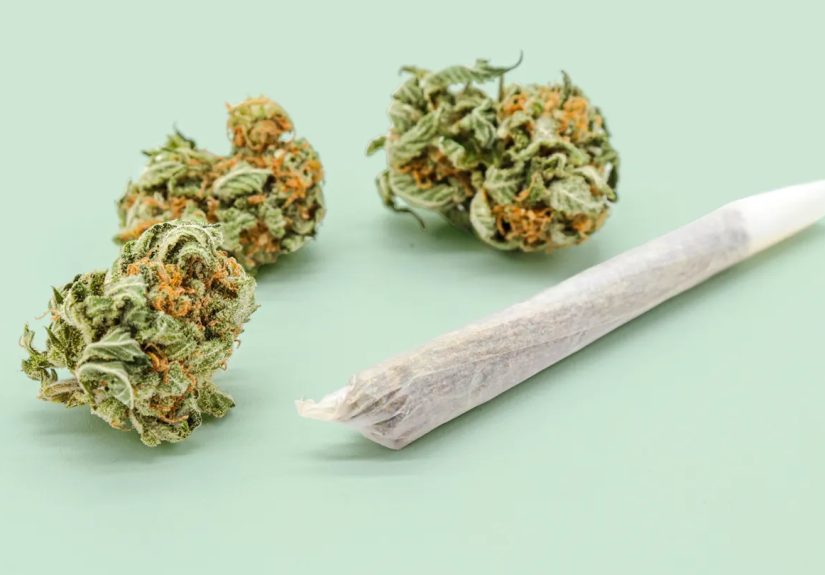
The main concern is not simply cannabis as a plant. The concern is combustion. When plant material burns, it creates smoke filled with chemicals that can irritate and damage the tissues it touches. Marijuana smoke contains many of the same toxins, irritants, and carcinogens found in tobacco smoke. That matters because the mouth, throat, and voice box are the first places cannabis smoke passes through before it ever reaches the lungs.
Think of the upper airway like the front porch of your respiratory system. If smoke keeps knocking on that porch every day, the paint eventually starts peeling. In biological terms, repeated exposure may contribute to chronic inflammation, cellular stress, DNA damage, and changes in the tissue lining the mouth and throat. Cancer often develops after years of accumulated genetic and cellular injury.
Deep Inhalation and Hot Smoke
Some cannabis smoking habits may increase exposure. Many users inhale deeply, hold smoke in the lungs, or smoke unfiltered products. The smoke also passes directly over delicate tissues in the lips, tongue, gums, tonsils, throat, and larynx. Even before smoke reaches the lungs, it has already had a meet-and-greet with the areas where head and neck cancers can develop.
Blunts can add another layer of risk because they involve tobacco leaf wrappers. Mixing cannabis with tobacco, smoking spliffs, or alternating between weed and cigarettes may compound exposure. Add alcohol to the routine, and the risk picture becomes even more concerning, because alcohol and tobacco are already major risk factors for cancers of the mouth, throat, and voice box.
What the Recent Research Found
The 2024 study in JAMA Otolaryngology–Head & Neck Surgery analyzed a large group of adults and found an association between cannabis use disorder and a higher risk of developing head and neck cancers. The increased risk was observed across several cancer sites, including oral, oropharyngeal, nasopharyngeal, salivary gland, and laryngeal cancers.
That finding does not prove that cannabis directly causes these cancers in every case. Observational studies can show associations, but they cannot control perfectly for every lifestyle factor. For example, some cannabis users also smoke tobacco, drink alcohol, have different diet patterns, or have different rates of medical screening. Still, the size and seriousness of the association make it important for public health conversations.
The Key Message: Risk Is Not the Same as Destiny
Risk does not mean certainty. Driving without a seatbelt does not guarantee a crash injury, but it is still a bad strategy. Similarly, smoking weed does not guarantee head or neck cancer, but heavy, frequent, long-term smoke exposure may increase riskespecially when combined with tobacco, alcohol, poor oral health, or HPV infection.
How Weed Smoke Compares With Tobacco Smoke
Tobacco remains one of the clearest and most established causes of head and neck cancers. Cigarettes, cigars, pipes, smokeless tobacco, and secondhand smoke have decades of evidence behind their cancer risk. Cannabis research is younger, partly because marijuana laws historically made large, long-term studies difficult. But younger research does not mean irrelevant research.
Marijuana smoke and tobacco smoke are not identical, but they overlap in an important way: both can contain cancer-causing chemicals created by burning plant material. The body does not give cannabis smoke a free pass because it came with a more relaxed playlist.
Why “Natural” Does Not Automatically Mean Safe
One common argument is that cannabis is natural. So are poison ivy, wildfire smoke, and getting chased by a goose. Natural substances can still irritate, inflame, or harm the body. The issue is not whether cannabis grows from the earth. The issue is what happens when it is burned and inhaled repeatedly over time.
Major Risk Factors That Can Combine With Cannabis Use
Head and neck cancer risk usually does not come from one factor alone. It often builds like a bad sandwich: one risky layer, then another, then another, until the whole thing becomes a medical problem no one ordered.
Tobacco Use
Tobacco is one of the strongest known risk factors for head and neck cancers. People who smoke cigarettes or cigars, use chewing tobacco, or smoke pipes face higher risk, especially when exposure continues for many years. Combining tobacco with cannabis can make it harder to separate which substance is doing the most damage, but from a prevention standpoint, the practical advice is simple: avoid inhaling smoke whenever possible.
Alcohol Use
Heavy alcohol use raises the risk of cancers of the mouth, throat, and voice box. Alcohol can irritate tissues and may make it easier for carcinogens to enter cells. The combination of smoking and drinking is especially risky because the exposures can work together. A nightly routine of weed, cigarettes, and alcohol is not self-care; it is a group project your cells did not sign up for.
HPV Infection
Human papillomavirus, especially HPV type 16, is a major risk factor for oropharyngeal cancers involving the tonsils and base of the tongue. HPV-related throat cancers have increased in the United States. The HPV vaccine can help prevent infections linked to several cancers, including certain head and neck cancers.
Poor Oral Health
Poor oral hygiene, untreated gum disease, chronic irritation, and delayed dental visits can make it easier to miss early warning signs. Dentists are often the first professionals to notice suspicious lesions, patches, or lumps in the mouth. Skipping dental checkups because “nothing hurts” is like ignoring your car’s dashboard because the radio still works.
Is Vaping or Eating Cannabis Safer?
Many people ask whether vaping or edibles reduce head and neck cancer risk. The honest answer is: maybe in some ways, but not completely, and not without other risks.
Edibles do not expose the mouth, throat, and lungs to combustion smoke, so they may avoid some smoke-related harms. However, edibles can lead to overconsumption because effects take longer to appear. Too much THC can cause panic, confusion, impaired judgment, vomiting, rapid heart rate, or accidental injury. They are not harmless gummy bears wearing tiny medical coats.
Vaping avoids combustion, but it can still expose the airway to heated chemicals, flavorings, additives, and concentrated THC. The long-term cancer risks of cannabis vaping are still not fully understood. Products from unregulated sources are especially concerning because users may not know what they are inhaling.
Practical Ways to Lower Risk
If you use cannabis, lowering risk starts with being honest about frequency, method, and context. Occasional use is different from daily heavy smoking. Smoking once a month is different from smoking multiple times a day. Sharing a joint at a concert is different from years of waking, baking, repeating, and calling it a wellness plan.
Reduce or Stop Smoking
The most direct way to reduce smoke-related risk is to stop smoking cannabis. If quitting completely feels unrealistic, reducing frequency is still meaningful. Fewer smoking sessions mean fewer exposures to hot smoke and fewer opportunities for tissue irritation.
Avoid Mixing Cannabis With Tobacco
Blunts, spliffs, and tobacco wraps may increase exposure to tobacco-related carcinogens. If someone is trying to reduce head and neck cancer risk, combining cannabis and tobacco is a poor choice.
Limit Alcohol
Because alcohol is a known risk factor for several head and neck cancers, cutting back can make a real difference. This is especially important for people who smoke anything, including cannabis.
Get the HPV Vaccine
The HPV vaccine is a powerful prevention tool. It is commonly recommended for adolescents, but some adults may also benefit. Anyone unsure about eligibility should ask a healthcare provider.
Schedule Dental and Medical Checkups
Regular dental exams can help catch suspicious mouth changes early. A dentist can inspect the tongue, gums, cheeks, throat area, and floor of the mouth. Doctors can evaluate persistent voice changes, swallowing problems, throat pain, or neck lumps.
When to See a Doctor
Make an appointment if you notice a mouth sore that does not heal, a lump in the neck, ongoing hoarseness, trouble swallowing, unexplained ear pain, a persistent sore throat, bleeding in the mouth, numbness, or a red or white patch that does not go away. Do not wait for symptoms to become dramatic. Cancer does not always enter the room wearing a cape.
Early diagnosis often gives people more treatment options and better outcomes. Even if the issue turns out to be infection, reflux, allergies, or dental irritation, getting checked is better than guessing. Google is useful for recipes and fixing a printer. It is not a substitute for a scope, biopsy, exam, or professional evaluation.
Experiences and Real-Life Lessons: What People Often Learn Too Late
People rarely think about head and neck cancer when they are young, social, and healthy. Smoking weed may start as a weekend habit, a stress reliever after work, or a way to sleep. At first, the consequences can seem minor: dry mouth, coughing, throat scratchiness, morning mucus, or a voice that sounds like it spent the night arguing with a lawn mower. These signs are easy to laugh off. Many people do.
One common experience is normalization. A person starts smoking occasionally, then more often. Friends smoke too, so it feels ordinary. The smell, the cough, the throat burn, and the dry mouth become part of the routine. Because marijuana is increasingly legal and socially accepted, users may assume it has been fully cleared by science as safe. But legalization is not the same thing as risk-free. Alcohol is legal. Tobacco is legal. Neither is exactly a vitamin.
Another experience is confusion around symptoms. Someone might develop a lingering sore throat and blame seasonal allergies. A small mouth sore might be blamed on spicy food. Hoarseness may be written off as talking too much, singing in the car, or yelling at a sports game. A lump in the neck may be dismissed as a swollen gland. Sometimes those explanations are correct. Sometimes they are not. The lesson is not to panic; the lesson is to pay attention.
People who quit or reduce smoking often report noticing how much irritation they had accepted as normal. Their throat feels less raw. Their cough improves. Their breath smells better. Their dentist stops giving them that “we need to talk” look. Some also realize that cannabis had become less of a choice and more of a reflex: stressed, smoke; bored, smoke; can’t sleep, smoke; celebration, smoke. Recognizing that pattern can be uncomfortable, but it can also be empowering.
Families and partners often experience the issue from another angle. They may worry about secondhand smoke, especially around children, older adults, or people with asthma. They may also notice changes the smoker does not notice: more coughing, a rougher voice, stronger odor, or avoiding activities that do not involve getting high. These conversations can be delicate. Nobody enjoys feeling judged. A helpful approach is to focus on health, not shame: “I care about you, and I want you to get that checked.”
Healthcare providers also report that honest disclosure matters. Some patients hesitate to mention cannabis because they fear judgment or legal trouble. But doctors and dentists are not there to write a character review. They need accurate information to understand risk, symptoms, medications, anesthesia concerns, and possible interactions. Saying “I smoke cannabis daily” may feel awkward for ten seconds. Hiding it can make care less effective.
The biggest real-life lesson is simple: do not wait until a symptom becomes impossible to ignore. If cannabis is part of your life, treat smoke exposure as a health factor worth managing. Reduce it where you can. Avoid combining it with tobacco and heavy alcohol. Keep dental appointments. Get vaccinated against HPV when appropriate. And if your mouth, throat, or voice starts sending warning signals, listen before it has to shout.
Conclusion: A Clear-Eyed Look at Cannabis and Cancer Risk
Smoking weed is often discussed as a lifestyle choice, a legal debate, or a wellness trend. But when the topic is head and neck cancer, the conversation needs less hype and more honesty. Cannabis smoke contains harmful substances. Heavy cannabis use has been linked in recent research to increased risk of head and neck cancers. The evidence is still developing, but it is strong enough to take seriously.
The smartest takeaway is not panic. It is prevention. Avoid smoke when possible. Do not mix cannabis with tobacco. Limit alcohol. Protect yourself against HPV. See a dentist regularly. Get persistent symptoms checked. Your mouth, throat, and voice are not replaceable accessories. Treat them like they matterbecause they absolutely do.