Table of Contents >> Show >> Hide
- What Makes a Snickerdoodle a Snickerdoodle?
- A Quick (Delicious) Backstory: Why the Name Is So Weird
- The Classic Snickerdoodle Formula
- Classic Snickerdoodles Recipe (Soft, Chewy, and Properly Crinkly)
- Cookie Science: Why Cream of Tartar Matters
- How to Get Your Ideal Texture: Soft, Thick, Chewy… or Crisp
- Flavor Variations That Still Feel Like Snickerdoodles
- Troubleshooting: When Cookies Get… Weird
- Storage, Freezing, and Make-Ahead Tips
- Food Safety: The Cookie Dough Temptation
- The Snickerdoodle Experience: of Cozy, Cinnamon-Sugar Life
- Conclusion
Snickerdoodles are the cookie equivalent of showing up to the party in sweatpants and somehow still being the best-dressed:
simple, cozy, and wildly lovable. They’re soft (or crisp, if that’s your vibe), rolled in cinnamon sugar, and finished with
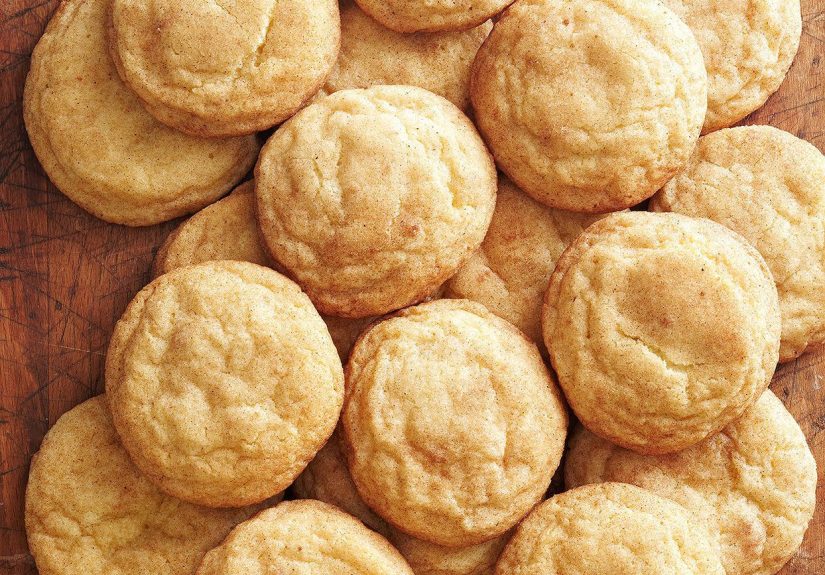
those signature crackly tops that make people say, “Wait… who made these?” before they accidentally eat three.
And yes, snickerdoodles look suspiciously like sugar cookies wearing a cinnamon-sugar coat. But the difference is more than
fashion. A classic snickerdoodle has a gentle tang and a particular chewthanks to an old-school ingredient that sounds like
it belongs in a medieval apothecary: cream of tartar.
What Makes a Snickerdoodle a Snickerdoodle?
At the most basic level, snickerdoodles are butter-and-sugar cookies rolled in cinnamon sugar. But their identity is defined by
three things:
- Cinnamon-sugar coating that bakes into a slightly crisp, sparkly shell.
- Crackled surface (the “crinkles”) that signals a tender interior.
- That subtle tang + chewy bite, traditionally from cream of tartar paired with baking soda.
If you’ve ever tasted a cookie and thought, “This is a sugar cookie… but it has personality,” congratulationsyou’ve met a snickerdoodle.
A Quick (Delicious) Backstory: Why the Name Is So Weird
“Snickerdoodle” sounds like a nickname your aunt gives her dog. The word’s origin is famously uncertain, with theories ranging from
playful nonsense-word traditions in American baking to possible connections with German dialect words for pastries. The important part is:
the name stuck, and we’re all better for it.
In other words, don’t overthink the etymologyoverthink the cinnamon ratio instead. That’s where the real drama lives.
The Classic Snickerdoodle Formula
Most traditional snickerdoodle recipes share a familiar ingredient list. The magic comes from balancefat, sugar, flour, leavening,
and the cinnamon-sugar “jacket.”
Key Ingredients (and What They’re Doing)
- Butter: Flavor, tenderness, and that bakery-style aroma that makes people wander into the kitchen “just to see what’s happening.”
- Sugar: Sweetness, spread, and that lightly crisp edge.
- Eggs: Structure and moisture. (Also: the reason raw dough is a no-gomore on that later.)
- All-purpose flour: The framework. Spoon-and-level it if you want consistent results.
- Cream of tartar: Tang, chew, and part of the classic snickerdoodle signature.
- Baking soda: Lift and those iconic cracks.
- Cinnamon + sugar: The headline act.
Classic Snickerdoodles Recipe (Soft, Chewy, and Properly Crinkly)
This is a reliable, classic-style snickerdoodle: soft centers, lightly crisp edges, cinnamon-sugar sparkle, and a gentle tang.
It’s the kind of cookie that disappears from the cooling rack like it owes someone money.
Ingredients (Makes about 24 cookies)
- 2 3/4 cups all-purpose flour
- 2 teaspoons cream of tartar
- 1 teaspoon baking soda
- 1/2 teaspoon fine salt
- 1 cup (2 sticks) unsalted butter, softened
- 1 1/2 cups granulated sugar
- 2 large eggs
- 2 teaspoons vanilla extract
For the Cinnamon-Sugar Coating
- 1/3 cup granulated sugar
- 1 1/2 tablespoons ground cinnamon
- Optional: a tiny pinch of salt (makes cinnamon taste even more cinnamon-y)
Instructions
- Prep. Preheat oven to 375°F. Line baking sheets with parchment paper.
- Mix dry ingredients. In a bowl, whisk flour, cream of tartar, baking soda, and salt.
- Cream butter + sugar. Beat softened butter and 1 1/2 cups sugar until light and fluffy (about 2–3 minutes). Don’t rush thisair helps texture.
- Add eggs + vanilla. Beat in eggs one at a time, then vanilla, scraping the bowl as needed.
- Combine. Add dry ingredients and mix just until no dry streaks remain. Overmixing = tough cookies.
- Roll. Stir coating ingredients together. Scoop dough into 1 1/2-tablespoon portions (about a ping-pong ball), roll into balls, then roll in cinnamon sugar.
- Bake. Place 2 inches apart. Bake 9–11 minutes, until edges look set but centers still look slightly soft.
- Cool smart. Let cookies rest on the sheet 5 minutes (they’re finishing the job), then transfer to a rack.
Pro move: If you want extra crinkles, roll the dough balls, let them sit for 5 minutes, then roll again in cinnamon sugar before baking.
It’s like giving them a second coat of confidence.
Cookie Science: Why Cream of Tartar Matters
Cream of tartar is a mild acid (potassium bitartrate) commonly used in baking. In snickerdoodles, it’s doing two big jobs:
- Flavor: It adds that classic, barely-tangy note that makes snickerdoodles taste different from plain cinnamon sugar cookies.
- Texture: It teams up with baking soda to help the cookies puff and crack, and it can also influence chewiness by affecting how sugars behave during baking.
Out of Cream of Tartar?
You can still make something delicious, but it may taste more like a cinnamon sugar cookie than a “true” snickerdoodle.
Common swaps include using baking powder instead of the cream-of-tartar + baking-soda combo, or using a small amount of an acidic ingredient
(like lemon juice or vinegar) in specific recipes. If you substitute, expect the tang to mellow.
How to Get Your Ideal Texture: Soft, Thick, Chewy… or Crisp
Snickerdoodles are flexible like that friend who’s down for brunch or a 10 p.m. taco run. You can nudge the texture with a few choices:
For Soft and Chewy Snickerdoodles
- Don’t overbake. Pull them when the centers look a bit underdone. They’ll set as they cool.
- Use room-temp butter. It creams properly and helps create a tender crumb.
- Measure flour carefully. Too much flour is the fastest route to “Why are these cookies auditioning as drywall?”
- Rest the dough (optional). Even 20–30 minutes can deepen flavor and control spread.
For Thicker Cookies
- Chill the dough. 30–60 minutes helps reduce spread.
- Use slightly larger scoops. Bigger dough balls hold moisture longer for gooier centers.
- Check your butter softness. Very melty butter can cause extra spread; softened is best for classic thickness.
For Crispier Snickerdoodles
- Bake 1–2 minutes longer. Let edges deepen slightly.
- Make smaller cookies. More surface area = more crisp.
- Let them cool completely uncovered. Trapped steam softens edges.
Flavor Variations That Still Feel Like Snickerdoodles
Classic snickerdoodles are hard to beat, but they also love a little remix. Here are upgrades that keep the cinnamon-sugar soul intact:
Brown Butter Snickerdoodles
Brown the butter (cook until nutty and golden), cool until it’s soft but not liquid, then proceed. You’ll get caramel notes that pair beautifully with cinnamon.
Pumpkin Spice Snickerdoodles
Add pumpkin pie spice to the coating, or swap half the cinnamon for pumpkin spice. For a true pumpkin dough, reduce moisture carefullypumpkin can turn cookies cakey fast.
Maple Snickerdoodles
Add a touch of maple extract to the dough or a spoonful of maple sugar to the coating. It turns “cozy” into “wear-a-sweater indoors by choice.”
Gluten-Free Snickerdoodles
Use a reputable 1:1 gluten-free baking flour blend (with xanthan gum included). Expect a slightly different spread and texture, but the cinnamon-sugar coating carries the experience.
Vegan Snickerdoodles
Use plant-based butter and an egg substitute (like a flax egg). The goal is moisture + binding. You may need to chill the dough so the cookies don’t overspread.
Troubleshooting: When Cookies Get… Weird
“My cookies spread into cinnamon pancakes.”
- Butter was too warm or dough wasn’t chilled.
- Not enough flour (or flour was under-measured).
- Baking sheets were hot from a previous batchcool them between rounds.
“They’re puffy but dry.”
- Overbaked by a couple of minutes (cookie time is heartbreak time).
- Too much flour or too little fat.
- Overmixed dough developed too much structure.
“No cracks. My snickerdoodles look… smooth. Suspiciously smooth.”
- Oven might be running cool; snickerdoodles love a properly heated oven.
- Leaveners may be old (baking soda loses punch over time).
- Dough balls may have been too cold and didn’t spread enoughtry baking a minute longer or letting dough sit a few minutes before baking.
Storage, Freezing, and Make-Ahead Tips
Storing Baked Snickerdoodles
Store in an airtight container at room temperature for 3–5 days. If you want to keep them softer, add a slice of sandwich bread to the container
(the cookies steal moisture from the breadpolitely, but decisively).
Freezing Dough
Scoop and roll into balls, then freeze on a sheet until solid. Transfer to a freezer bag. When ready to bake, roll frozen dough balls in cinnamon sugar
and bake straight from frozenjust add 1–2 minutes.
Freezing Baked Cookies
Freeze completely cooled cookies in airtight layers. Thaw at room temp. A quick 3–5 minute warm-up in a low oven can revive that “fresh baked” feel.
Food Safety: The Cookie Dough Temptation
Cookie dough is delicious. Cookie dough is also not meant to be eaten raw. Raw flour and raw eggs can carry germs that are only made safe through baking.
If you want that “dough vibe,” look for heat-treated flour and egg-free, safe-to-eat dough recipes specifically designed for that purpose.
The Snickerdoodle Experience: of Cozy, Cinnamon-Sugar Life
There are cookies you bake because you want dessert, and there are cookies you bake because you want a moment. Snickerdoodles are firmly in the
“I need a moment” category. The experience usually starts before the oven even preheats: you open the pantry, spot the cinnamon, and suddenly your brain
is playing a highlight reel of every kitchen that ever smelled like warm sugar.
In a lot of American homes, snickerdoodles are tied to seasons even though nobody officially declared them seasonal. The first cool day of fall hits and
cinnamon becomes a personality trait. Winter shows up and snickerdoodles slide right into cookie swap culture like they invented the concept. They’re the
dependable friend who doesn’t show up with dramajust good vibes and a slightly crackly top.
If you’ve ever baked with kids (or been the kid hovering near the mixing bowl), you know the cinnamon-sugar step is basically irresistible.
Rolling dough balls is oddly satisfyinglike making tiny snowballs, except your snowballs smell amazing and are socially acceptable to eat.
There’s often a “quality control” debate around the coating: one person wants a light dusting, another wants a thick cinnamon sweater.
Snickerdoodles tolerate both approaches, which is part of their charm. They’re not precious.
Then there’s the oven-door suspense. Around minute nine, you do the classic baker lean: face near the glass, pretending you’re not impatient,
watching for that moment when the cookies puff and the tops begin to crack. That first peek is pure anticipationbecause snickerdoodles don’t look done
until they’re almost done, and the difference between “soft and chewy” and “why is this crunchy” is about sixty seconds and one bad decision.
Fresh out of the oven, snickerdoodles are dangerously aromatic. People drift into the kitchen like cartoons floating toward a pie cooling on a windowsill.
Someone asks, “Are these ready?” while already reaching for one. Someone else says, “Let them cool,” which is technically correct and practically ignored.
The first bite is usually taken while the cookie is still warm enough to be slightly fragileedges set, center tender, cinnamon bright, sugar melting into
a thin crust. It tastes like comfort without being complicated.
Snickerdoodles also have a rare talent: they make ordinary days feel like a small celebration. Pack one in a lunch and it becomes a midday mood upgrade.
Bring a plate to a neighbor and suddenly you’re everyone’s favorite person on the block. Serve them with coffee and they do that cozy contrast thing
sweet cookie, bitter sip, repeat until you’re happier. Even the leftovers have personality; by day two they’re softer and more mellow, like the cookie has
settled into its own sweater.
And maybe that’s the point. Snickerdoodles aren’t trying to be flashy. They’re not a five-layer bar cookie with a complicated backstory.
They’re cinnamon, sugar, and a little bit of tangy magicproof that sometimes the best things in life are the ones you can make in one bowl,
share without a speech, and remember long after the last crumb disappears.
Conclusion
Snickerdoodles are classic for a reason: simple ingredients, big payoff, and a cinnamon-sugar finish that makes them feel instantly familiar.
Whether you keep them traditional with cream of tartar for that signature tang, or put your own spin on the recipe, the goal stays the same:
a cookie that’s cozy, crinkly, and impossible to eat “just one” of. Bake them slightly under for soft centers, roll them generously for extra sparkle,
and don’t be surprised if your kitchen suddenly becomes the most popular room in the house.