Table of Contents >> Show >> Hide
- What Is Spray Foam Insulation?
- How Spray Foam Insulation Works
- Open-Cell vs. Closed-Cell Spray Foam
- Main Foam Insulation Benefits Homeowners Actually Notice
- Where Spray Foam Insulation Makes the Most Sense
- Potential Drawbacks You Should Not Ignore
- Is Spray Foam Insulation Worth It?
- Real-World Experiences With Spray Foam Insulation
- Final Thoughts
Note: Publish-ready HTML body only. Review local building codes, climate-zone requirements, and installer guidance before publishing claims tied to specific projects.
Spray foam insulation has a bit of a reputation in the home-improvement world. Mention it at a barbecue, and someone will call it the smartest thing they ever added to their house. Someone else will call it expensive magic in a can. The truth sits comfortably in the middle. Spray foam insulation is a high-performance material that can insulate and air seal at the same time, which is a fancy way of saying it helps keep your home more comfortable without letting your HVAC system act like it is training for a triathlon.
For homeowners dealing with drafty rooms, uneven temperatures, muggy crawl spaces, or attics that feel like pizza ovens in July, spray foam can be a game changer. But it is not a miracle blob. It has different types, different uses, real benefits, and a few important cautions. If you are wondering what spray foam insulation is, how it works, and whether the foam insulation benefits are worth the cost, this guide breaks it all down in plain American English.
What Is Spray Foam Insulation?
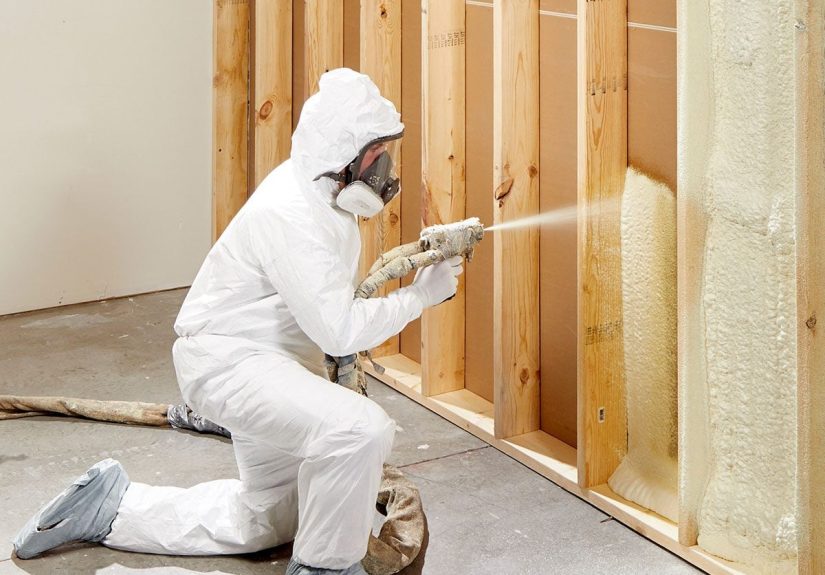
Spray foam insulation is a chemical-based insulation material that starts as liquid components and expands after application. Once installed, it hardens in place and fills gaps, cracks, and cavities that other insulation materials might leave behind. That expansion is the star of the show. Instead of simply sitting in a wall like a polite houseguest, spray foam spreads out, seals edges, and helps block the air movement that can make homes uncomfortable and inefficient.
That is what makes spray foam different from many traditional insulation products. Fiberglass and cellulose can do a good job slowing heat transfer, but they do not automatically air seal every tiny opening around wiring, framing, and penetrations. Spray foam often tackles both jobs at once: insulation and air sealing. In practical terms, that can mean fewer drafts, more stable indoor temperatures, and less conditioned air sneaking outdoors when no one is looking.
It is also helpful to know that “spray foam” can refer to more than one product. A small can used to seal a gap around a pipe is not the same thing as a professionally installed whole-house spray foam system. One is a handy detail product for air sealing small areas. The other is a full insulation strategy used in attics, walls, rooflines, basements, rim joists, and crawl spaces.
How Spray Foam Insulation Works
Spray foam works by expanding into place and creating a tighter building envelope. In a house, heat does not just move through walls and ceilings. It also rides along with moving air. That means a home can lose efficiency through tiny leaks around framing joints, wiring openings, duct penetrations, and other sneaky little cracks that are too small to impress you but large enough to annoy your energy bill.
When spray foam is installed correctly, it fills those irregular spaces and reduces air leakage. That matters because insulation performs better when air is not whipping through or around it. A better-sealed home usually feels less drafty in winter, less sticky in summer, and more consistently comfortable from room to room. In many homes, the payoff is not just energy savings. It is also the glorious end of that one bedroom everyone avoids because it feels like another climate zone.
Spray foam can also play a role in managing moisture, depending on the type used and where it is installed. That is one reason contractors and building pros pay close attention to climate, assembly design, substrate conditions, and local code requirements. Spray foam is powerful, but it works best when the product choice matches the location.
Open-Cell vs. Closed-Cell Spray Foam
Open-Cell Spray Foam
Open-cell spray foam is lighter, softer, and usually less expensive than closed-cell foam. It expands a lot, which helps it fill irregular cavities and hard-to-reach nooks. It is often chosen for interior applications where sound reduction and broad cavity fill matter. Because it is less dense, it generally has a lower R-value per inch than closed-cell foam, but it still offers solid insulation performance and excellent air sealing when installed correctly.
Open-cell foam is frequently praised for helping reduce sound transmission. If you want walls or floors that do a better job muting footsteps, voices, or general household chaos, this type can be appealing. That said, it is more vapor-permeable than closed-cell foam, so it is not the right answer for every application. In some areas, especially where moisture exposure is a concern, it needs careful design and should not be treated like a one-size-fits-all hero.
Closed-Cell Spray Foam
Closed-cell spray foam is denser, more rigid, and typically more expensive. It offers a higher R-value per inch, which makes it attractive when space is limited and you need more insulating power in less thickness. It also provides stronger resistance to moisture and air leakage. In some situations, it can add rigidity to the assembly, which is one reason many pros like it for specific walls, rooflines, and crawl space applications.
Because closed-cell foam is more moisture-resistant, it is often preferred in areas where damp conditions are a bigger concern. It is also commonly selected when homeowners want maximum thermal performance in tighter spaces. The tradeoff is cost. Closed-cell foam is usually the premium option, so the decision often comes down to performance goals, location, and budget.
Main Foam Insulation Benefits Homeowners Actually Notice
1. Better Energy Efficiency
The biggest selling point of spray foam insulation is energy performance. Because it insulates and air seals at the same time, it can reduce the amount of heated or cooled air escaping from the home. Less leakage means your heating and cooling equipment does not have to run as hard to keep indoor temperatures steady. Over time, that can translate into lower utility bills, especially in homes with obvious leaks or weak attic and crawl space insulation.
2. Improved Indoor Comfort
Comfort is where spray foam often wins fans. A home with fewer drafts tends to feel more stable, less chilly in winter, and less hot upstairs in summer. The temperature swing between rooms often shrinks. Floors can feel less cold. Bonus room over the garage stops behaving like a seasonal science experiment. Comfort is not flashy, but once people get it, they get very attached to it.
3. Air Sealing in One Step
Many insulation materials need a separate air-sealing strategy to work at their best. Spray foam already leans into that job. It expands into cracks, joints, and awkward cavities, helping limit uncontrolled airflow. That dual-purpose performance is one of the biggest foam insulation benefits and one reason it is often used in attics, rim joists, and other leak-prone areas.
4. Moisture Management Potential
In the right assembly, spray foam can help control moisture movement. Closed-cell foam especially is valued for its stronger resistance to moisture and air leakage. That does not mean every moisture problem disappears with a puff of foam and a contractor invoice, but it can be part of a smarter enclosure strategy. As always, the key phrase is “in the right assembly.” Moisture management depends on climate, ventilation, materials, and installation quality.
5. Sound Control
Open-cell spray foam in particular is often used where homeowners want quieter interiors. It can help reduce sound transfer through walls and floors, which is useful in bedrooms, offices, media rooms, and homes where everybody is somehow on a video call at the same time. It is not a recording-studio cheat code, but it can make a home feel calmer and less echo-prone.
6. Durability
Unlike loose-fill products that can shift or settle over time, spray foam stays where it is applied. That stability can help it maintain performance over the long haul when installed correctly. Because it adheres to the surface and cures in place, it is not likely to sag out of a cavity like an insulation material that has had enough of this whole “staying upright” thing.
7. High Performance in Tight Spaces
When wall or roof depth is limited, closed-cell spray foam can make a lot of sense because it offers more thermal resistance per inch than many common alternatives. That can be especially valuable in remodels, older homes, or design situations where every inch matters.
Where Spray Foam Insulation Makes the Most Sense
Spray foam is often used in places where air leakage is especially troublesome. Common applications include attics, roof decks, rim joists, crawl spaces, basement walls, and certain wall cavities during remodels or new construction. It is also popular in areas with complicated framing or lots of penetrations, where batt insulation might leave more gaps.
Rim joists are a classic example. They are awkward, easy to overlook, and frequently leaky. Spray foam can be especially effective there because it seals irregular edges and insulates the area at the same time. Attics are another high-impact zone. If an attic is poorly sealed and insulated, the whole house can feel the consequences. A thoughtful spray foam strategy at the roofline or attic floor can dramatically change comfort and efficiency.
That said, spray foam is not automatically the right answer for every attic, roof, or wall. Different climate zones and building assemblies call for different approaches. In some cases, a hybrid system or a different insulation type may be smarter. This is where design details matter more than marketing promises.
Potential Drawbacks You Should Not Ignore
It Costs More Up Front
Spray foam insulation usually costs more than fiberglass or blown-in insulation. That higher initial price is often the first reason homeowners hesitate. Whether it is worth it depends on how leaky the home is, where the foam is being installed, and whether the homeowner values comfort and performance as much as first-day price.
Installation Quality Matters a Lot
Spray foam is not a “good enough” product. It has to be installed correctly. Temperature, humidity, substrate conditions, component ratios, lift thickness, and curing all matter. Poor installation can lead to disappointing performance, odor complaints, shrinkage, or other issues no homeowner wants to discover after the check clears. This is not the time to hire someone whose business card looks like it was printed during a gas-station coffee break.
Safety During Installation Is Real
Professional spray foam installation involves chemicals that require proper handling. During and after installation, occupants and pets may need to stay out of the area until the manufacturer’s re-entry guidance is met. Workers need protective equipment and good site controls. That does not mean spray foam is automatically unsafe when properly installed. It means safety practices matter and should be taken seriously.
It Is Not a Substitute for Good Building Design
Spray foam can do a lot, but it cannot fix flashing failures, roof leaks, drainage problems, or bad design choices. If bulk water is entering the assembly, foam will not wave a tiny wand and solve it. Moisture issues must be addressed at the source. The best insulation plan starts with a healthy building shell.
Is Spray Foam Insulation Worth It?
For many homeowners, yes. Spray foam insulation can absolutely be worth it when the goal is to reduce drafts, improve comfort, tighten up the building envelope, and get stronger performance in places where traditional insulation struggles. Homes with hot upstairs rooms, cold floors, leaky crawl spaces, or uncomfortable bonus spaces often see meaningful benefits when spray foam is used strategically.
But “worth it” depends on the project. If you are insulating a simple open attic and budget is the main concern, another insulation system may offer a better cost-to-benefit ratio. If you are dealing with a leaky rim joist, a tricky roofline, or a moisture-prone crawl space, spray foam may earn its premium price. In short, it is usually most valuable where air leakage and assembly performance matter as much as raw R-value.
The smartest way to think about spray foam is not “Is it the best insulation?” but “Is it the best insulation for this location in this house?” Ask that question, and the answer gets much clearer.
Real-World Experiences With Spray Foam Insulation
When homeowners talk about their experience with spray foam insulation, the first thing they usually mention is not the chemistry, the density, or the R-value. It is the feeling. The house feels calmer. Quieter. Less drafty. Rooms that used to be annoying suddenly become usable. That is the real-world side of foam insulation benefits: people notice the house itself behaving better.
One common experience comes from older homes with plenty of “character,” which is real-estate code for “mysterious air leaks and at least one room that makes no sense thermally.” In these houses, spray foam is often used at rim joists, attic slopes, or problem wall sections. Homeowners frequently report that the improvement feels immediate. The upstairs stays more even. The first floor no longer has that cold breeze near the baseboards. The HVAC cycles seem less frantic, like the system has finally been allowed to breathe into a paper bag and collect itself.
Another familiar story involves bonus rooms over garages. These rooms are notorious for being too hot in summer and too cold in winter. When spray foam is installed in the floor system, roofline, or knee walls, many homeowners say the room finally becomes functional year-round. It goes from “storage for things we forgot we own” to office, guest room, or teen hangout space. That kind of upgrade feels less like insulation and more like gaining square footage without an addition.
Crawl spaces and basements also generate strong opinions. In damp or humid regions, homeowners often describe a big difference after closed-cell spray foam is used in the right application. Floors above the crawl space can feel warmer. Musty smells may be reduced when the entire moisture strategy is handled well. The keyword there is strategy. People who are happiest with spray foam usually did not treat it as a miracle product. They paired it with proper moisture control, drainage, sealing details, and a qualified installer.
There are also experiences that lean in the opposite direction, and they are worth hearing. Homeowners who had poor results often trace the problem back to installation quality, unrealistic expectations, or using the wrong foam in the wrong place. Some expected spray foam alone to solve comfort issues caused by duct leaks, bad windows, or an oversized HVAC system. Others hired contractors who did not explain re-entry guidance, ventilation, or what the work would actually involve. Those stories are a reminder that spray foam is a precision product, not a casual upgrade.
Contractor communication matters more than people expect. The best experiences usually involve homeowners who asked good questions: What type of foam are you using? Why this assembly? What prep is needed? How long before re-entry? What code requirements apply here? What moisture issues need fixing first? When those answers are clear, the project tends to go more smoothly and the results are easier to trust.
So the lived experience with spray foam insulation is not just “foam was added.” It is usually one of two stories. Either the house becomes more comfortable, quieter, and more efficient in all the places that used to be irritating, or the project becomes a lesson in why good materials still need good design and good installers. In other words, spray foam can be fantastic, but it likes competence almost as much as it likes expanding.
Final Thoughts
Spray foam insulation is one of the most effective tools available for homeowners who want stronger air sealing, better comfort, and higher insulation performance in the right parts of the house. It comes in open-cell and closed-cell forms, each with clear strengths. It can help reduce drafts, improve energy efficiency, quiet noisy rooms, and support moisture control when used correctly.
Still, the real secret to success is not just choosing spray foam. It is choosing the right type, the right location, and the right installer. Get those three things right, and the benefits can feel dramatic. Get them wrong, and your expensive insulation story becomes the kind of cautionary tale people tell at hardware stores. Choose wisely, ask questions, and remember: the best insulation upgrade is the one that makes your home feel better every single day, not just better on paper.