Table of Contents >> Show >> Hide
- What Is a Subcutaneous Injection?
- Subcutaneous vs. Intramuscular vs. Intravenous Injection
- Best Injection Sites for a Subcutaneous Shot
- Supplies You May Need
- How to Prepare for a Subcutaneous Injection
- How to Give a Subcutaneous Injection: General Steps
- What to Expect After the Injection
- Tips to Make Subcutaneous Injections Less Stressful
- Common Mistakes to Avoid
- Safe Sharps Disposal at Home
- When to Call a Healthcare Professional
- Final Thoughts
- Experience Notes: What People Often Learn After Giving Subcutaneous Injections
- SEO Tags
A subcutaneous injection sounds like something that belongs in a medical drama, right between “stat!” and someone sprinting down a hallway with a clipboard. In real life, it is much calmer. A subcutaneous injection, often called a sub-Q or SQ shot, is a way to place medicine into the layer of fatty tissue just beneath the skin. It is commonly used for medications that need steady absorption rather than an instant, lightning-bolt effect.
People may use subcutaneous injections for insulin, certain blood thinners, fertility medications, some hormone therapies, allergy treatments, and several newer injectable medicines prescribed for chronic conditions. Because many subcutaneous injections are designed for home use, patients and caregivers are often trained to give them safely outside a clinic. That does not mean you should “wing it” like assembling furniture without the manual. The right technique matters.
This guide explains what a subcutaneous injection is, where it is usually given, how to prepare, how the injection process generally works, and what safety steps help prevent pain, bruising, infection, and needle-stick injuries. It is educational, not a substitute for hands-on training from a licensed healthcare professional. Always follow your prescription label, medication guide, and provider’s instructions first.
What Is a Subcutaneous Injection?
A subcutaneous injection delivers medication into the subcutaneous tissuethe soft, fatty layer between the skin and the muscle. This layer has blood vessels, but not as many as muscle tissue, so many medicines are absorbed more gradually. That slower absorption can be useful when a medication needs to work over hours, days, or even weeks, depending on the drug formulation.
The word “subcutaneous” literally means “under the skin.” The key idea is location. The medicine is not placed into a vein, and it is not pushed deep into a muscle. It goes into the fat layer, where it can be absorbed in a controlled way.
Common Medications Given Subcutaneously
Subcutaneous injections are used for many types of medications. Common examples include:
- Insulin for diabetes management
- Heparin or enoxaparin blood thinners
- Fertility medications
- Some hormone therapies
- Certain biologic medications for autoimmune conditions
- Some GLP-1 medicines prescribed for diabetes or weight management
- Some cancer-support medications, depending on the treatment plan
The technique may vary slightly depending on whether you are using a vial and syringe, a prefilled syringe, or an injection pen. Some medications must be injected slowly. Others come with a built-in safety device. Some should never be shaken, warmed, mixed, or injected into specific areas. Translation: the medicine’s instructions are not decorative paperwork. Read them.
Subcutaneous vs. Intramuscular vs. Intravenous Injection
Not all injections are the same. A subcutaneous injection goes into the fat layer under the skin. An intramuscular injection goes deeper into muscle tissue. An intravenous injection goes directly into a vein and should be done only by trained medical professionals unless a patient has very specific medical training and equipment.
Why does this matter? Because the route affects how fast the medication works, how much can be given, what needle type is used, and what safety rules apply. Giving a medication by the wrong route can change how it behaves in the body and may cause harm. If your prescription says “subcutaneous,” do not assume another injection method is close enough. Medicine is not horseshoes.
Best Injection Sites for a Subcutaneous Shot
The most common subcutaneous injection sites are areas with enough fatty tissue to gently pinch. Typical sites include:
- The abdomen, usually avoiding the area within about two inches of the belly button
- The front or outer thigh
- The back or outer area of the upper arm, often easier if someone else gives the shot
- The upper buttock or hip area, depending on the medication and caregiver training
The abdomen is often preferred for certain medications because it is easy to reach and has a predictable fat layer. However, not every medicine uses the same preferred sites. Some medication guides recommend the thigh, stomach, or upper arm. Others restrict where the injection should go. Always check the instructions that came with your medication.
Why Injection Site Rotation Matters
Using the exact same spot repeatedly can irritate the tissue. With insulin and some other frequent injections, poor rotation may contribute to lumps, thickened areas, bruising, tenderness, or uneven absorption. A smart approach is to rotate within approved areas while staying consistent enough to keep absorption predictable.
For example, someone using insulin may rotate around the abdomen but avoid injecting into the same tiny spot every time. Think of it like parking in the same neighborhood, not repeatedly on the same blade of grass.
Supplies You May Need
Your healthcare team or pharmacist should tell you exactly what supplies are required. Depending on the medication, you may need:
- The prescribed medication
- A prefilled syringe, injection pen, or vial with syringe and needle
- Alcohol swabs
- Clean gauze or cotton ball
- A small bandage, if needed
- An FDA-cleared sharps disposal container
- A clean, well-lit surface
Never reuse a needle or syringe. Needles become dull after one use, and reusing them increases the risk of pain, infection, contamination, and needle-stick injury. Also, never share injection supplies, even with someone you know well. Germs do not respect friendship.
How to Prepare for a Subcutaneous Injection
Good preparation makes the injection smoother and safer. Before you begin, take a moment to slow down. Rushing an injection is how people drop caps, forget steps, or suddenly wonder whether they washed their hands. Create a small routine and follow it every time.
Step 1: Wash Your Hands
Wash your hands with soap and water, then dry them well. If soap and water are not available, use hand sanitizer and let it dry. Clean hands help lower the risk of introducing germs at the injection site.
Step 2: Check the Medication
Look at the label and confirm the medication name, dose, expiration date, and instructions. If the medicine looks cloudy, discolored, has particles, leaked, froze, or seems different from what you were told to expect, do not use it until you check with your pharmacist or healthcare provider.
Some medications are naturally cloudy or need special handling, while others should be clear. This is why medication-specific instructions matter. When in doubt, pause and ask. Pausing is free. Guessing can get expensive.
Step 3: Choose and Inspect the Injection Site
Pick an approved site that is clean, dry, and free of cuts, scars, bruises, swelling, redness, tenderness, hard lumps, rashes, or irritated skin. Avoid injecting through clothing. Clothing is not sterile, and your jeans did not graduate from nursing school.
Step 4: Clean the Skin
If instructed, clean the site with an alcohol swab using firm, circular motion from the center outward. Let the skin air dry completely. Do not blow on it, fan it, or wave your hand like you are cooling soup. Wet alcohol can sting and may not disinfect properly if rushed.
How to Give a Subcutaneous Injection: General Steps
The exact method depends on your medication and device. The following is a general overview, not a replacement for your provider’s training or the manufacturer’s instructions.
Step 1: Get Comfortable and Stabilize the Skin
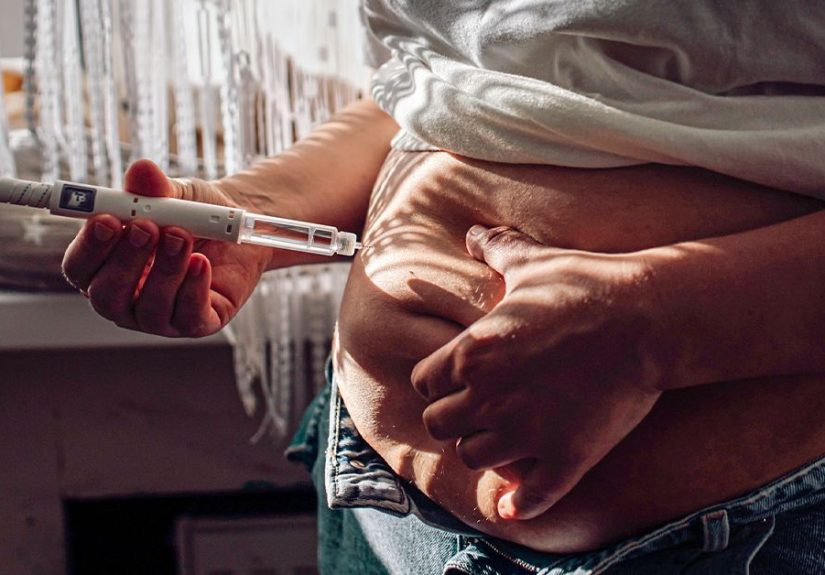
Sit or stand in a stable position. If you are injecting into your abdomen or thigh, relax the area as much as possible. Gently pinch a fold of skin if your instructions say to do so. Pinching helps lift the fatty layer away from the muscle, especially in thinner areas.
Step 2: Insert the Needle at the Correct Angle
Many subcutaneous injections are given at either a 45-degree or 90-degree angle, depending on the needle length, the device, the injection site, and the amount of fatty tissue. A healthcare professional should tell you which angle is right for your medication and body type.
Insert the needle smoothly and confidently. This is the one moment where hesitation can make things more uncomfortable. You do not need drama, force, or a motivational soundtrack. Just steady technique.
Step 3: Inject the Medication Slowly and Steadily
Push the plunger as directed until the medication is fully delivered. Some devices click. Some need to be held in place for several seconds after the injection to prevent medicine from leaking back out. Follow the instructions for your specific syringe or pen.
Step 4: Remove the Needle at the Same Angle
Pull the needle out gently at the same angle it went in. If there is a small drop of blood, press lightly with gauze or cotton. Do not rub the area unless your healthcare provider tells you to. Rubbing may increase bruising or irritation for certain medicines, especially blood thinners.
Step 5: Dispose of the Needle Immediately
Place the used needle, syringe, or pen needle directly into a sharps disposal container. Do not recap the needle unless your specific device instructions require a safety step. Do not toss loose needles into the household trash, recycling bin, purse, backpack, bathroom drawer, or the mysterious kitchen junk drawer where old batteries go to retire.
What to Expect After the Injection
Mild discomfort, a tiny drop of blood, or a small bruise can happen. A little redness right after the injection may also occur. These minor effects usually fade. However, you should contact your healthcare provider if you notice worsening redness, warmth, swelling, pus, severe pain, a spreading rash, fever, dizziness, trouble breathing, or signs of an allergic reaction.
If you inject a medication and realize you may have used the wrong dose, wrong medication, wrong site, expired medicine, or a damaged device, contact your healthcare provider, pharmacist, or local poison control center for guidance. For severe symptoms, call emergency services immediately.
Tips to Make Subcutaneous Injections Less Stressful
Injection anxiety is common. Even people who are perfectly calm about dentist appointments, tax forms, and parallel parking may feel nervous holding a needle. The goal is not to become a superhero. The goal is to create a safe, repeatable process.
Use a Routine
Set up supplies in the same order each time. Check the medication. Wash hands. Choose the site. Clean the skin. Inject. Dispose. Record the dose if instructed. A routine reduces mental clutter and helps prevent missed steps.
Let Alcohol Dry
Many people blame the needle for stinging when the real culprit is wet alcohol. Letting the site dry fully can make the shot more comfortable.
Relax the Muscle Nearby
Even though a subcutaneous injection does not go into muscle, tension can still make the area feel more sensitive. Breathe slowly, drop your shoulders, and avoid holding your breath.
Rotate Sites Thoughtfully
Keep a simple site rotation chart if you inject often. This can be as low-tech as a notebook or as modern as an app. The important thing is avoiding repeated trauma to the same area.
Ask for a Demonstration
If you feel unsure, ask your nurse, pharmacist, diabetes educator, or clinician to watch you demonstrate the technique. A five-minute correction can save weeks of frustration.
Common Mistakes to Avoid
Most injection problems come from small shortcuts. Avoid these common mistakes:
- Injecting into bruised, swollen, hard, or irritated skin
- Skipping handwashing
- Using a medication that looks unusual without checking first
- Reusing needles or syringes
- Forgetting to rotate injection sites
- Injecting too fast when the medicine should be given slowly
- Throwing sharps into regular trash
- Changing the dose without medical advice
Another mistake is comparing your technique to someone else’s. Your friend’s injection pen, dose schedule, needle angle, and preferred site may not apply to your medication. Personalized instructions exist for a reason.
Safe Sharps Disposal at Home
Used needles and syringes should go into a proper sharps container right away. FDA-cleared sharps containers are puncture-resistant, leak-resistant, and designed with secure lids. If a cleared container is not available, some local rules may allow a heavy-duty plastic household container as a temporary alternative, but disposal rules vary by state and community.
When the container is nearly full, follow your local disposal instructions. Pharmacies, health departments, mail-back programs, drop boxes, and household hazardous waste programs may be options depending on where you live. Do not recycle sharps. Recycling workers deserve a normal day at work, not a surprise needle encounter.
When to Call a Healthcare Professional
Call your healthcare provider or pharmacist if you are unsure how to use the medication, if the device misfires, if you miss a dose, if the medicine leaks, if you inject into the wrong site, or if you develop concerning symptoms. You should also ask for help if injections are becoming painful, stressful, or difficult to perform consistently.
For people who inject often, regular review of technique can be helpful. Bodies change. Injection sites change. Confidence changes. A quick refresher can improve comfort and medication reliability.
Final Thoughts
A subcutaneous injection is a common and useful way to deliver medication into the fatty tissue under the skin. With proper training, clean technique, site rotation, and safe sharps disposal, many people can give these injections at home confidently. The secret is not bravery. It is preparation.
Follow your healthcare provider’s instructions, use the correct device, inspect the medication, choose an approved site, inject as directed, and dispose of sharps immediately. When something feels off, ask a professional. A good question before an injection is always better than a worried phone call afterward.
Experience Notes: What People Often Learn After Giving Subcutaneous Injections
One of the most common experiences people describe after learning subcutaneous injections is surprise. The first shot may feel like a major event. The supplies are lined up, the alcohol swab is ready, the instruction sheet is open, and the needle looks much more dramatic than it did in the clinic. Then, after the injection is done, many people think, “That was it?” The anticipation often feels bigger than the actual shot.
A useful lesson is that comfort improves with repetition. The first few attempts may feel awkward because every step is new. People may overthink where to put their hands, how firmly to pinch the skin, whether the angle looks right, or how slowly to press the plunger. After a few supervised or properly instructed injections, the process usually becomes more familiar. It turns from a scary medical task into a careful routine, like brushing teeth with extra paperwork.
Another real-world lesson is that environment matters. Giving an injection in a cluttered bathroom while balancing supplies on the sink is not ideal. A clean table, good lighting, and enough time can make the whole process easier. Many people find it helpful to keep supplies together in a small container: medication, swabs, gauze, bandages, and the sharps container nearby. Having everything ready prevents the classic “needle in one hand, where is the gauze?” moment.
People also learn that site selection makes a difference. An area that looks convenient may not feel comfortable if the skin is tight, bruised, or too close to a waistband. Rotating sites becomes easier with a simple system. Some people divide the abdomen into zones. Others use the right thigh one day and the left thigh another day, if their medication allows it. The goal is to protect the skin and avoid using the same exact spot again and again.
Small technique details can also change the experience. Letting alcohol dry fully can reduce stinging. Keeping the hand steady can reduce discomfort. Not staring at the needle for five dramatic minutes can help, too. Some people prefer counting down. Others prefer looking away after positioning the needle. A caregiver may help if the injection site is hard to reach, such as the back of the upper arm.
People using blood thinners often discover that bruising can happen even when they do everything correctly. In that case, gentle pressure after the shot may help, while rubbing may make bruising worse. People using insulin or other long-term injectable medicines often discover the value of tracking injection sites because repeated use of one area can affect comfort and absorption.
The biggest experience-based takeaway is this: confidence comes from correct repetition, not from rushing. Nobody needs to act tough. Ask for training, read the medication guide, set up the supplies, follow the steps, and dispose of sharps safely. With practice, a subcutaneous injection can become a manageable part of care rather than the main character of the day.