Table of Contents >> Show >> Hide
- What Is the Right Meatloaf Temperature?
- Oven Temperature vs. Internal Temperature: Do Not Mix Them Up
- How to Check Meatloaf Temperature Correctly
- Why 160°F Matters for Ground Beef Meatloaf
- What Temperature Should Turkey Meatloaf Be?
- How Long to Cook Meatloaf
- Should You Rest Meatloaf After Baking?
- Can You Pull Meatloaf Before 160°F?
- How to Keep Meatloaf Moist at the Right Temperature
- Best Pan for Meatloaf Temperature Control
- Common Meatloaf Temperature Mistakes
- What If Your Meatloaf Is Undercooked?
- What If Your Meatloaf Is Overcooked?
- Best Oven Temperature for Meatloaf
- Experience Notes: What Cooking Meatloaf Teaches You
- Conclusion
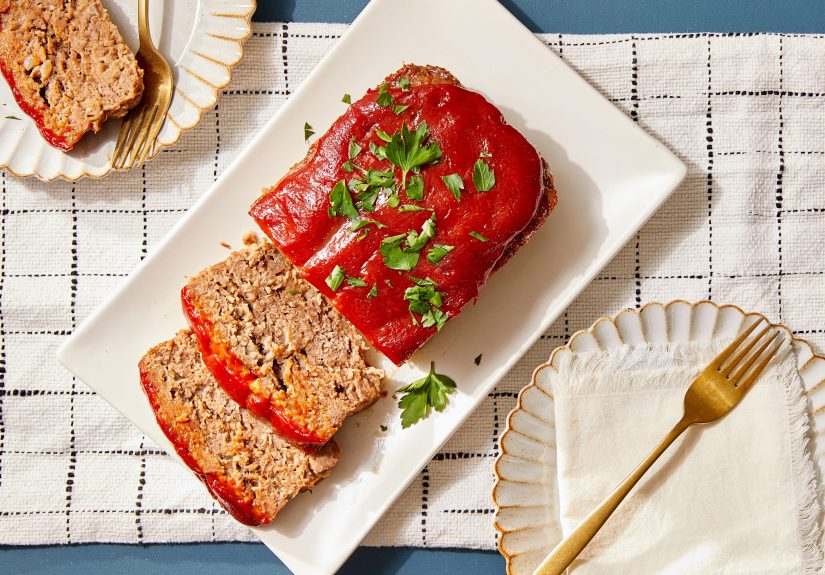
Meatloaf is one of those classic comfort foods that looks simple until you are standing in front of the oven asking the most important dinner question of the night: “Is it done yet?” The top may be browned, the glaze may be bubbling like a tiny tomato volcano, and the kitchen may smell like a 1950s diner in the best possible waybut looks can fool you. The real answer comes from one number: the internal meatloaf temperature.
For most traditional meatloaf made with ground beef, pork, veal, lamb, or a combination of those meats, the target temperature is 160°F. If your meatloaf is made with ground turkey or ground chicken, aim for 165°F. That little five-degree difference matters because poultry has its own food-safety rules. In other words, your meatloaf does not need guesswork, dramatic slicing, or family members squinting at the center like they are judging a diamond. It needs a thermometer.
This guide explains the best meatloaf internal temperature, how to measure it correctly, why oven temperature and internal temperature are not the same thing, and how to keep your loaf moist instead of turning it into a brick with ketchup frosting.
What Is the Right Meatloaf Temperature?
The ideal internal temperature for a classic meatloaf made with ground beef is 160°F. This is the temperature at the center of the loaf, not the temperature of your oven and not the temperature of the outside crust. Ground meat needs to be cooked thoroughly because bacteria can be mixed throughout the meat during grinding. That is why a steak can safely be cooked to a lower internal temperature, while ground beef needs a higher target.
If your recipe includes a blend of ground beef and ground pork, the same target applies: 160°F. Many traditional meatloaf recipes use beef and pork together because beef brings hearty flavor while pork adds fat and tenderness. That combination is delicious, but it still needs to reach the correct safe internal temperature.
Quick Meatloaf Temperature Chart
| Type of Meatloaf | Target Internal Temperature | Best Practice |
|---|---|---|
| Ground beef meatloaf | 160°F | Check the thickest center point |
| Beef and pork meatloaf | 160°F | Let rest before slicing |
| Ground turkey meatloaf | 165°F | Use moisture-rich ingredients |
| Ground chicken meatloaf | 165°F | Avoid overbaking |
| Stuffed meatloaf | 160°F or 165°F, depending on meat | Check both meat and filling area |
Oven Temperature vs. Internal Temperature: Do Not Mix Them Up
Most meatloaf recipes bake at 350°F to 375°F. That is the oven temperaturethe heat surrounding the meatloaf. The internal temperature is the heat inside the loaf itself. They are related, but they are not interchangeable.
Think of the oven as the gym and the meatloaf as the person on the treadmill. Just because the gym is hot does not mean the workout is finished. A meatloaf baked at 350°F still needs time for heat to move into the center. A thicker loaf takes longer than a flatter loaf. A loaf pan cooks differently than a free-form loaf on a baking sheet. A cold meatloaf pulled straight from the refrigerator takes longer than one assembled closer to room temperature.
That is why cooking time alone is not reliable. A recipe may say “bake for 60 minutes,” but your meatloaf might be done in 50 minutes or need 75. The thermometer is the judge. The clock is just an enthusiastic assistant with a clipboard.
How to Check Meatloaf Temperature Correctly
To check meatloaf temperature, use an instant-read thermometer or a probe thermometer. Insert the tip into the thickest part of the loaf, usually the center. Make sure the thermometer is not touching the pan, the bottom, or a pocket of melted cheese if you are making stuffed meatloaf. You want the temperature of the meat itself.
Step-by-Step Temperature Check
- Remove the meatloaf from the oven carefully.
- Insert the thermometer into the center from the top or side.
- Wait until the reading stabilizes.
- Look for 160°F for beef, pork, veal, or lamb meatloaf.
- Look for 165°F for turkey or chicken meatloaf.
- Let the meatloaf rest before slicing.
If the meatloaf has not reached the target, return it to the oven and check again in 5 to 10 minutes. Do not keep opening the oven every 45 seconds like it owes you money. Each peek lets heat escape and can slow down cooking.
Why 160°F Matters for Ground Beef Meatloaf
Ground beef is different from whole cuts of beef. With a steak, potential bacteria are mostly on the surface, where direct heat can destroy them quickly. With ground beef, the meat has been chopped and mixed, so bacteria can be distributed throughout. That is why meatloaf needs to reach a safe internal temperature all the way through.
The 160°F target helps ensure the meat is cooked safely while still leaving room for good texture. Go far beyond that temperature and your meatloaf can become dry, crumbly, and emotionally unavailable. Stop too soon and you risk an undercooked center. The sweet spot is accurate temperature control.
What Temperature Should Turkey Meatloaf Be?
Turkey meatloaf and chicken meatloaf should reach 165°F in the center. Ground poultry needs a slightly higher internal temperature than ground beef. Because turkey and chicken are leaner than beef and pork, they also dry out faster. This is where smart recipe design comes in.
For a juicy turkey meatloaf, include ingredients that hold moisture, such as eggs, milk-soaked breadcrumbs, grated onion, finely chopped mushrooms, ketchup, barbecue sauce, or a little olive oil. Some cooks use oats instead of breadcrumbs, while others add shredded zucchini or carrots. The goal is not to turn your meatloaf into a salad wearing a disguise. The goal is to keep lean ground poultry tender.
How Long to Cook Meatloaf
Cooking time depends on the size, shape, ingredients, pan, and oven temperature. As a general guide, a two-pound meatloaf baked at 350°F often takes about 60 to 75 minutes. A smaller one-pound meatloaf may take 35 to 50 minutes. A free-form loaf may cook faster than one packed into a loaf pan because more surface area is exposed to heat.
Here is a practical timing guide:
| Meatloaf Size | Oven Temperature | Approximate Time | Final Internal Temperature |
|---|---|---|---|
| 1 pound | 350°F | 35–50 minutes | 160°F or 165°F |
| 2 pounds | 350°F | 60–75 minutes | 160°F or 165°F |
| 3 pounds | 350°F | 75–95 minutes | 160°F or 165°F |
Use these times as a planning tool, not a final decision. Meatloaf is done when the thermometer says it is done. Your oven may run hot, your loaf may be extra thick, or your pan may hold heat differently. Meatloaf has variables. Thankfully, thermometers do not care about variables. They care about numbers.
Should You Rest Meatloaf After Baking?
Yes, let meatloaf rest for about 10 to 15 minutes after it comes out of the oven. Resting helps the juices redistribute and makes slicing much easier. If you cut into meatloaf immediately, the juices can run out onto the cutting board, leaving the slices drier than they needed to be.
Resting also helps the loaf firm up. Meatloaf is not steak, but it still benefits from patience. Those few minutes give the proteins time to settle, the binder time to hold, and the glaze time to stop behaving like molten lava.
Can You Pull Meatloaf Before 160°F?
For home cooking, the simplest and safest rule is to cook ground beef meatloaf until it reaches 160°F in the center. Some experienced cooks account for carryover cooking, where food continues to rise a few degrees after leaving the oven. However, for a general audience and consistent food safety, the clearest advice is to verify the target temperature with a thermometer.
If you remove meatloaf at 155°F and hope it climbs to 160°F, you need to monitor it closely. That approach leaves less margin for error, especially with thick loaves, cool kitchens, or inaccurate thermometers. For most home cooks, hitting 160°F before serving is the better habit.
How to Keep Meatloaf Moist at the Right Temperature
The fear with meatloaf is that cooking it to the correct temperature will dry it out. That can happen, but temperature is only one part of the story. Dry meatloaf usually comes from a combination of lean meat, overmixing, too little binder, too much cooking time, or slicing before resting.
Use the Right Meat Blend
A meatloaf made with 80/20 ground beef usually has more moisture and flavor than one made with very lean beef. A blend of beef and pork can be even more tender. If you prefer lean meat, add moisture with sauce, grated vegetables, or a panadea mixture of breadcrumbs and milk.
Do Not Overmix
Mix meatloaf gently until the ingredients are just combined. Overmixing can make the texture dense and rubbery. You are making dinner, not kneading dough for a construction project.
Add a Panade
A panade helps keep meatloaf soft. Combine breadcrumbs, crushed crackers, oats, or bread with milk, broth, or another liquid before mixing it into the meat. This gives the loaf structure without making it tough.
Glaze Near the End
A classic ketchup-based glaze adds flavor, color, and moisture. Apply some before baking and refresh it near the end, or add the glaze during the last 15 to 20 minutes to avoid burning sugars. Brown sugar, mustard, ketchup, barbecue sauce, Worcestershire sauce, and vinegar are all common glaze players.
Best Pan for Meatloaf Temperature Control
You can bake meatloaf in a loaf pan or shape it free-form on a rimmed baking sheet. A loaf pan creates a neat, tall shape and holds juices close to the meat. The downside is that the loaf may simmer in fat and take longer to cook through. A free-form loaf cooks more evenly around the sides and develops more crust. It may also reach the target meatloaf temperature faster.
If you love crispy edges, go free-form. If you love tidy slices, use a loaf pan. If you want the best of both worlds, shape the loaf on a parchment-lined baking sheet and keep it compact but not overly thick.
Common Meatloaf Temperature Mistakes
Relying Only on Color
Color is not a reliable indicator of doneness. Some meatloaf may still look slightly pink even after reaching a safe internal temperature, while another loaf may look brown before it is fully cooked. Ingredients such as ketchup, smoked paprika, Worcestershire sauce, onions, or cured meats can affect color.
Checking the Edge Instead of the Center
The edges cook faster than the middle. If you check only the edge, you may get a reassuring number while the center still needs time. Always measure the thickest central area.
Using a Dull or Slow Thermometer
A good instant-read thermometer makes the job easier. If your thermometer takes forever or gives suspicious readings, test it in ice water and boiling water. Kitchen confidence improves dramatically when your tools are not freelancing.
Slicing Too Soon
Even perfectly cooked meatloaf can fall apart if you slice it immediately. Resting is not optional if you want clean slices. Give it 10 to 15 minutes, then cut with a sharp knife.
What If Your Meatloaf Is Undercooked?
If you slice into meatloaf and discover the center is undercooked, do not panic. Put the slices or the whole loaf back into the oven and continue cooking until the center reaches the proper temperature. If the outside is already dark, loosely cover it with foil. For sliced undercooked meatloaf, arrange the slices in a baking dish, cover with foil, and heat until safe.
A microwave can work in a hurry, but the oven gives better texture. Either way, check the temperature again before serving. The goal is not “probably fine.” The goal is dinner without digestive drama.
What If Your Meatloaf Is Overcooked?
If your meatloaf has passed the ideal temperature and turned dry, you can still rescue the meal. Serve it with gravy, tomato sauce, mushroom sauce, barbecue sauce, or extra glaze. Leftover dry meatloaf can be crumbled into pasta sauce, tucked into sandwiches, chopped into hash, or used in a grilled cheese situation that may make everyone forget the original problem.
Next time, check the temperature earlier. Start checking about 15 minutes before the recipe’s suggested finish time. This gives you a chance to catch the loaf right as it reaches the target instead of discovering it at 185°F, wondering why it looks like it has been through a long emotional journey.
Best Oven Temperature for Meatloaf
The most common oven temperature for meatloaf is 350°F. This moderate heat allows the center to cook through without burning the outside. Some recipes use 375°F for a slightly faster bake or finish at 400°F to set the glaze. Both methods can work as long as you track the internal temperature.
For a balanced result, bake at 350°F until the meatloaf is close to done, then brush on extra glaze during the final 10 to 15 minutes. If you want a stickier top, increase the oven to 400°F briefly at the end, but keep an eye on it. Sugar burns quickly, and nobody invited bitter ketchup caramel to dinner.
Experience Notes: What Cooking Meatloaf Teaches You
After making meatloaf a few times, you start to realize that the recipe is only half the story. The other half is learning how your oven behaves, how your pan affects cooking, and how your meat mixture feels before it ever goes into the oven. Meatloaf is forgiving, but it rewards attention.
One of the most useful experiences is learning to shape the loaf evenly. A meatloaf that is thick in the middle and thin at the ends will cook unevenly. The ends may be done while the center is still lagging behind. A loaf shaped like a rounded rectangle with an even height cooks more predictably. It also slices better, which is important if you want leftovers for sandwiches the next day. And let us be honest: meatloaf sandwiches are half the reason meatloaf exists.
Another lesson is that moisture has to be planned. The juiciest meatloaves usually include a thoughtful binder and enough fat. A mixture of breadcrumbs and milk works beautifully because it traps moisture and gives the meat a tender texture. Finely grated onion is another small trick with a big payoff. It blends into the meat, adds flavor, and releases moisture as the loaf cooks. If someone at the table claims they do not like onions, they may never know. This is not deception; it is culinary diplomacy.
Experience also teaches you not to pack the meat too tightly. Pressing the mixture hard into a loaf pan can make the final texture dense. A gentle hand creates a softer bite. The loaf should hold together, but it should not feel like you are forming a meat brick for a tiny house.
The biggest game-changer, though, is using a thermometer every time. Once you stop guessing, meatloaf becomes easier and less stressful. You no longer have to cut into the center too early, drain out the juices, and pretend the sample slice was “for presentation.” You simply check the temperature, return it to the oven if needed, and rest it when it is done.
Resting may feel like a small step, but it makes a noticeable difference. A meatloaf sliced straight from the oven often crumbles and leaks juices. A rested meatloaf gives you cleaner slices and a better texture. During those 10 to 15 minutes, you can warm the side dishes, make gravy, toss a salad, or stand proudly in the kitchen accepting compliments from people who have not even tasted it yet.
Finally, every cook eventually develops a personal meatloaf style. Some prefer a sweet ketchup glaze with brown sugar. Others like a tangy glaze with mustard and vinegar. Some add mushrooms, peppers, cheese, oats, saltines, or barbecue sauce. These choices change the flavor, but the temperature rule stays steady. Whether your meatloaf is classic, spicy, smoky, turkey-based, or stuffed with cheese, the center must reach the right internal temperature before it earns its place on the plate.
That is the beauty of meatloaf: it welcomes creativity but respects precision. You can improvise with seasoning, glaze, and mix-ins, but the thermometer keeps the whole operation grounded. Target the right meatloaf temperature, let it rest, and you will get a dinner that is safe, juicy, sliceable, and worthy of a second helping.
Conclusion
The target meatloaf temperature is simple: cook beef, pork, veal, lamb, or mixed-meat meatloaf to 160°F, and cook turkey or chicken meatloaf to 165°F. Use an instant-read thermometer, check the thickest part of the center, and let the loaf rest before slicing. That one habit separates a reliable meatloaf from a guessing game with gravy.
A good meatloaf should be flavorful, moist, and safe to eat. With the right oven temperature, a balanced mix of meat and binders, a well-timed glaze, and a trustworthy thermometer, you can serve a classic comfort-food dinner without overcooking it into sadness. Target the temperature, trust the tool, and enjoy the kind of meatloaf that makes leftovers feel like a reward.
Note: This article is based on real U.S. food-safety guidance and practical cooking standards from reputable culinary and food-safety resources. It is written for general home-cooking education and should not replace official food-safety instructions for commercial kitchens or specialized dietary needs.