Table of Contents >> Show >> Hide
If you’ve ever tried to sweeten a tall glass of iced tea with granulated sugar,
you already know the struggle: the sugar sinks straight to the bottom, stares
at you, and refuses to dissolve. That’s where a good tea simple syrup
comes in. It’s smooth, customizable, and turns every glass of tea (or cocktail,
or latte) into something that tastes like it came from a fancy café instead of
your slightly messy kitchen.
In this guide, you’ll learn exactly how to make a basic tea simple syrup,
how to tweak it for different teas and flavors, how to store it safely, and
creative ways to use it. We’ll also walk through real-life tips and experiences
so you can skip the rookie mistakes and go straight to the good stuff.
What Is Tea Simple Syrup?
At its core, simple syrup is just sugar dissolved in water, usually in a
1:1 ratio by volume (one part sugar to one part water). Many bartenders and
recipe developers also use a richer 2:1 ratio when they want a thicker, more
concentrated syrup.
Tea simple syrup is simple syrup that’s infused with tea.
Instead of plain water, you steep your favorite teablack, green, herbal,
chai, or something more adventurousand then dissolve sugar into that tea.
The result is a liquid sweetener that carries both sweetness and tea flavor,
ideal for:
- Sweetening iced tea or sweet tea without grainy sugar at the bottom
- Flavoring cocktails and mocktails
- Adding a tea twist to coffee, matcha, or lattes
- Drizzling over fruit salads or desserts
Basic Tea Simple Syrup Ratio
Most tea syrups use the same backbone:
- 1 cup water
- 1 cup granulated sugar (white sugar or cane sugar)
- Tea: usually 1–3 tablespoons loose leaf or 2–4 tea bags per cup of water, depending on the strength you want
If you like your drinks very sweet or want to stretch the syrup further,
you can make a rich tea syrup using 2 cups sugar to 1 cup water.
This gives you a thicker, more shelf-stable syrup but a stronger sweetness
per spoonful.
Foolproof Tea Simple Syrup Recipe
Ingredients
- 1 cup water
- 2–3 tea bags or 1–2 tablespoons loose-leaf tea
- 1 cup granulated sugar
- (Optional) A few drops lemon juice or a tiny pinch of salt to brighten flavor
Step-by-Step Instructions
-
Heat the water.
Add 1 cup of water to a small saucepan. Bring it up to the right
steeping temperature for your tea:- Black tea or chai: just off a boil
- Green tea or delicate white tea: barely simmering (too hot = bitter)
- Herbal tea (chamomile, mint, rooibos, etc.): near boiling
-
Steep the tea.
Remove the pan from heat, add your tea bags or loose leaf, cover, and
steep 3–5 minutes for black or green teas, up to 10 minutes for herbal teas.
Go longer for stronger flavor, but don’t push it so far that tannins take
over and the syrup tastes harsh. -
Remove the tea.
Take out tea bags or strain loose leaves. Avoid squeezing the bags too hard;
that can release extra tannins and make the syrup bitter. -
Add the sugar.
Return the pan to low heat. Add 1 cup sugar and stir until fully dissolved.
There’s no need for a rolling boil; once the liquid is clear and no crystals
remain, you’re done. -
Balance the flavor.
Taste carefully (it will be hot!). If the tea tastes a bit flat, a couple of
drops of lemon juice or a tiny pinch of salt can round out the flavor. -
Cool and store.
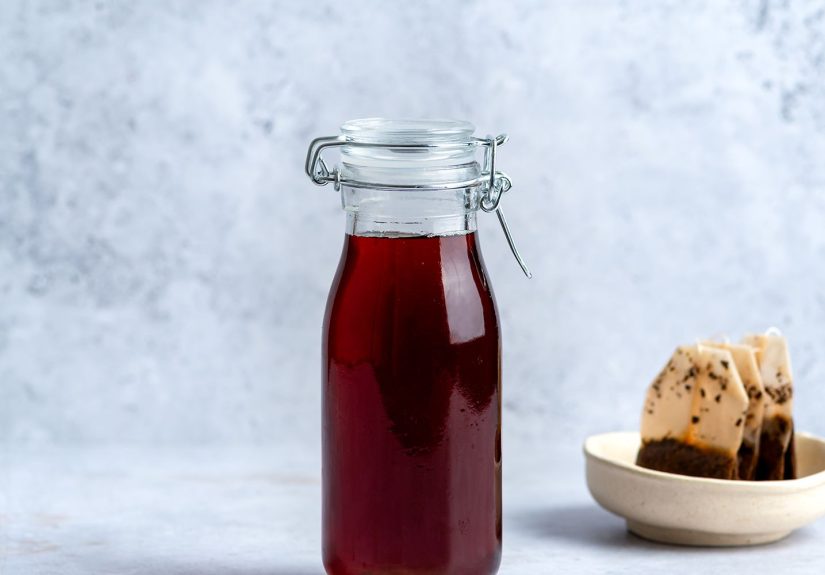
Let the syrup cool to room temperature, then pour into a clean glass jar or
bottle with a tight lid. Label it with the type of tea and the date.
Storage and Shelf Life
Because this is a 1:1 simple syrup, plan to store it in the refrigerator
and use it within about 2 weeks for best quality. Some recipes suggest up to
a month with very clean equipment and higher sugar ratios, but 2 weeks is a
safe, conservative guidelineespecially for tea and herb infusions.
If you see cloudiness, off smells, or mold, it’s time to say goodbye and
make a fresh batch. Syrup is cheap; food poisoning is not.
Choosing the Best Tea for Simple Syrup
Nearly any tea will work, but each type creates a very different flavor profile:
-
Black tea: Classic sweet tea vibes. Great in iced tea,
whiskey cocktails, and bourbon-forward drinks. -
Green tea: Light, grassy, slightly nutty. Pairs beautifully
with citrus and honey. -
Chai: Spiced and cozy. Excellent in lattes, coffee, or
fall/winter cocktails. -
Herbal tea: Mint, chamomile, rooibos, hibiscuseach gives
a distinct aroma and color. Great for caffeine-free mocktails. -
Flavored blends: Earl Grey, vanilla black tea, berry blends,
and other aromatics create syrups that taste like specialty coffeehouse mixes.
Start with 2 tea bags per cup of water for mild flavor. If you want a bolder
syrupespecially for cocktailsgo up to 3 or even 4 tea bags per cup, or
increase steep time slightly while watching for bitterness.
Flavor Variations: Level Up Your Tea Syrup
Once you’ve mastered the base recipe, you can treat tea simple syrup as a
blank canvas. Here are some tasty variations inspired by popular flavored
syrup and herb-infused syrup techniques.
1. Classic Sweet Tea Syrup
- Use strong black tea (like English breakfast or a Southern sweet-tea blend).
- Steep on the stronger side (5–7 minutes) for a bold tea flavor.
- Optional: add a lemon slice or a couple of mint sprigs while the syrup cools.
To serve, mix 2–4 tablespoons of syrup into a glass of cold water and ice,
or add to a pitcher for easy, no-fuss sweet tea concentrate. This “tea
syrup + water” approach is common in Southern sweet tea recipes and makes
it simple to adjust sweetness glass by glass.
2. Green Tea & Citrus Syrup
- Use green tea and keep the water just below boiling.
- Add a strip of lemon or orange zest while steeping.
- Remove zest before storing for a clean, bright flavor.
This version is great in sparkling water, iced green tea, or light vodka or
gin cocktails. It’s like sunshine in syrup form.
3. Chai Tea Simple Syrup
- Use chai tea bags or loose chai blend.
- Add 1 teaspoon vanilla extract after turning off the heat.
The chai version is fantastic in coffee, chai lattes, matcha, or drizzled
over pancakes, waffles, or French toast. Think “chai latte syrup” you’d
normally pay extra for at a cafémade at home.
4. Herbal Tea & Garden Herb Syrups
Herbal tea bags or loose blends work beautifully, and you can layer fresh
herbs on top:
- Mint + green tea for mojitos or mint iced tea
- Lavender + black tea for a floral, café-style drink
- Ginger + lemon herbal tea for a spicy, soothing mixer
Use about 1/2 to 1 cup fresh herbs per cup of syrup if you’re combining
them with tea, and strain carefully so no bits remain.
How to Use Tea Simple Syrup
1. Sweetening Iced Tea (Without Grainy Sugar)
Stir 1–2 tablespoons of tea syrup into a glass of iced tea, taste, and
adjust. Because the sugar is already dissolved, it blends instantly, even
in very cold drinks. This is especially handy when you’re making individual
glasses and everyone at the table likes a different level of sweetness.
2. Building Cocktails and Mocktails
Bartenders love simple syrup because it dissolves evenly and lets you
measure sweetness precisely. Tea simple syrup gives you built-in flavor:
- Black tea syrup in whiskey or bourbon cocktails
- Green tea syrup in gin or vodka highballs
- Chai syrup in rum or spiced whiskey drinks
- Herbal tea syrup in sparkling mocktails with club soda and citrus
Use about 1/2 to 1 ounce of syrup in a standard cocktail, adjusting
depending on how sweet you like it.
3. Coffee, Lattes, and Matcha
Tea syrup in coffee sounds odd, but chai or vanilla black tea syrup in a
latte can be surprisingly good. Chai syrup also works beautifully in hot or
iced matcha, adding both sweetness and spice without having to blend
multiple ingredients.
4. Desserts and Fruit
Drizzle tea syrup over:
- Fresh berries or fruit salad
- Pound cake, sponge cake, or cupcakes (as a soak)
- Vanilla or green tea ice cream
- Yogurt parfaits or chia pudding
A tea-based syrup works like a flavored glaze, giving desserts complexity
without adding heavy frosting.
Common Mistakes and How to Avoid Them
Over-Steeping the Tea
If your syrup tastes harsh or astringent, the tea may have steeped too long
or in water that was too hot. Next time, shorten the steeping time or let
the water cool slightly before adding the teaespecially for green and white
teas.
Crystallized Syrup
If you see sugar crystals forming:
- Make sure sugar is completely dissolved before cooling.
- Don’t scrape undissolved sugar off the sides of the pan into the jar.
- Store syrup in the coldest part of the fridge, not the door.
A richer syrup (2:1 sugar to water) is less likely to crystalize, but
also sweeter.
Cloudy or Funky Syrup
Cloudiness, strings, or any mold means the syrup should be discarded. To
reduce risk:
- Use very clean jars and lids.
- Cool the syrup with the lid loosely on, then seal once cold.
- Avoid dipping used spoons back into the jar.
Real-Life Experiences with Tea Simple Syrup
Once you start keeping a bottle of tea simple syrup in the fridge, it quietly
changes your kitchen habits. You’ll reach for it more often than you expect,
and you’ll start to notice what works and what doesn’t in everyday use.
One common experience people share is how tea syrup saves “meh” tea.
Maybe you bought a box of tea that turned out a little flat or boring on its
own. Turning it into syrup often brings out subtle flavors that weren’t
obvious in a regular mug of tea. A mildly fruity tea that tastes weak hot
might suddenly shine when concentrated into syrup and paired with sparkling
water and lemon.
Another practical lesson is about personal sweetness preferences.
When you serve iced tea to a group, someone always wants it unsweetened,
someone wants it very sweet, and the rest fall somewhere in the middle.
With tea simple syrup, you can brew a neutral, unsweetened base and let
everyone adjust with syrup. It’s the same logic that coffee shops use with
flavored pumpsonly you’re doing it with tea at home.
People who enjoy cocktails often describe tea syrup as a shortcut to
“signature drinks.” Instead of hunting for rare liqueurs, you can use
things you already havelike Earl Grey, rooibos, or a floral herbal blendto
build flavor into a simple sour or highball. Even mocktail drinkers benefit:
a splash of black tea syrup with lemon and club soda feels more grown-up
than plain juice and soda.
There’s also a learning curve around strength and steeping time.
The first batch many home cooks make is either too weak (tastes like slightly
flavored sugar water) or too strong and bitter. Over time, you’ll find your
sweet spot: for example, you might decide that 3 tea bags per cup of water,
steeped for 5 minutes, gives you the perfect balance for cocktails, while 2
bags for 4 minutes is better for everyday iced tea. The nice part is that
even “imperfect” batches are usually still usableif it’s too strong, you
just use a little less in the glass.
Storage experiences are also instructive. Many home cooks notice that
plain sugar-water syrup sometimes lasts longer than syrups
heavily infused with herbs, citrus peels, or fruit. Tea sits somewhere in
the middle: it adds flavor but also introduces organic material that can
shorten shelf life. This is why careful straining and refrigeration are so
important. If you’re making large batches, some people like to freeze part
of the syrup in ice cube trays and thaw cubes as needed, extending its life
without wasting anything.
Finally, there’s the simple joy factor. Having homemade tea simple syrup
around makes everyday drinks feel intentional. A regular glass of water can
become sparkling green tea lemonade. A basic gin and tonic turns into an
Earl Grey gin and tonic. A bowl of berries becomes dessert with a quick
drizzle of chamomile or hibiscus syrup. You’re not just sweeteningyou’re
layering flavor.
Over time, you’ll probably build a small “library” of favorite combinations:
maybe a bold black tea syrup for sweet tea and whiskey drinks, a bright
green tea citrus syrup for summer, and a cozy chai syrup for cooler months.
When that happens, congratulationsyou’ve fully embraced the quiet magic of
tea simple syrup, and your fridge door now secretly doubles as a beverage bar.
Conclusion
Tea simple syrup is one of those low-effort, high-impact recipes that makes
everything you drink taste more intentional and polished. With just three
basic ingredientswater, sugar, and teayou can build a versatile sweetener
that works for iced tea, cocktails, mocktails, coffee, desserts, and more.
Start with the basic 1:1 ratio, experiment with different teas and steeping
times, keep an eye on storage and freshness, and before long you’ll know
exactly how to tweak your syrup for any occasion. Once you’ve tried it,
you’ll wonder how you ever lived with clumpy sugar at the bottom of your
glass.