Table of Contents >> Show >> Hide
- Lead Is a Real Risk, Not an Internet Fairy Tale
- Lead in Food Is Usually a Contaminant, Not a Deliberate Ingredient
- Why “Zero Lead in All Food” Sounds Great but Gets Complicated Fast
- How Lead Gets Into Food
- The Foods That Keep Making Headlines
- Fears vs. Facts
- What Shoppers and Parents Should Actually Do
- The Bottom Line
- Real-World Experiences: What This Fear Actually Feels Like
Lead has become the horror-movie villain of modern food headlines. It’s invisible, unwelcome, and apparently lurking in everything from baby food to cinnamon to dark chocolate. One week it is applesauce pouches. The next week it is your spice rack. Then your favorite “healthy” square of dark chocolate gets dragged into the spotlight like it owes somebody money.
That fear is understandable. Lead is not one of those trendy ingredients that only sounds scary. It is genuinely toxic, especially for babies and young children. But the conversation around lead in food often gets flattened into two bad extremes: either “everything is poisoned” or “this is all media hype.” Neither version is useful. The truth is more annoying, more nuanced, and much more practical.
Here’s the reality: lead in food is a real public-health concern, but it is not usually a secret ingredient dumped into your groceries like some cartoon villain seasoning soup with a skull-and-crossbones shaker. In most cases, lead shows up as an environmental contaminant. It can enter food through soil, water, air, old industrial pollution, or manufacturing and processing problems. That means the right response is not panic. It is informed caution, smarter regulation, better testing, and calmer shopping habits.
This is where the “boogeyman” framing matters. Lead deserves respect. It does not deserve mythology. So let’s separate fears from facts and talk about what actually matters.
Lead Is a Real Risk, Not an Internet Fairy Tale
First, the serious part: lead is harmful even at very low exposure levels, and children are especially vulnerable. Their brains and nervous systems are still developing, and their bodies absorb lead more easily than adults do. That is why pediatricians, public-health agencies, and food regulators are so focused on reducing exposure early in life.
Adults are not off the hook, either. Chronic exposure has been linked to increased blood pressure, kidney problems, and reproductive issues. So when people say, “Well, I’m grown, I’ll just power through it,” that is not bravery. That is just a less adorable version of bad risk management.
At the same time, “lead is dangerous” does not automatically mean “every detectable amount in every food equals immediate disaster.” Modern toxicology is all about dose, frequency, source, and vulnerability. A one-time trace detection is not the same thing as a product with unusually high contamination eaten repeatedly by a toddler. That distinction matters a lot, and it often gets lost when headlines start hyperventilating.
Lead in Food Is Usually a Contaminant, Not a Deliberate Ingredient
This is one of the most important facts in the whole conversation. Lead is not legally approved as a food additive or color additive. In plain English: manufacturers are not supposed to be sprinkling lead into food like paprika. When lead shows up, it is typically contamination.
That contamination can happen because lead is stubbornly woven into the environment. It exists naturally in the earth, but human activity made the problem much worse for decades through leaded gasoline, lead paint, old plumbing materials, and industrial emissions. So some crops can pick up lead from contaminated soil or water. Some products can also be contaminated during processing, grinding, storage, or packaging. Occasionally, a contaminated spice or ingredient can spread the problem into finished foods.
That is why the right mental model is not “food companies are hiding lead in our food.” The better mental model is “lead can hitchhike into the food supply, and regulators and manufacturers are supposed to stop as much of that as possible.”
Why “Zero Lead in All Food” Sounds Great but Gets Complicated Fast
Everyone wants the same ideal outcome: as little lead in food as possible. Regulators want that. Parents want that. People who have ever read a recall notice while holding a spoon and a screaming toddler definitely want that. But “as low as possible” is not always the same as “absolute zero in every bite.”
Because lead exists in the environment, some foods can contain trace amounts even when no rules are broken and no company is doing something reckless. This is especially relevant for foods grown in soil, foods made from ingredients sourced around the world, and foods that naturally vary depending on geography and agricultural conditions.
That is one reason the FDA uses action levels and monitoring programs instead of pretending the problem can be solved with a single dramatic sentence. Its approach is to reduce exposure over time, identify high-risk categories, push industry toward better control measures, and act when levels are high enough to create a health concern.
That may sound less emotionally satisfying than yelling “ban it all,” but it is how real food safety usually works: less movie trailer, more careful math.
How Lead Gets Into Food
1. Soil and water
Crops can absorb lead from contaminated soil or irrigation water. This is one reason some plant-based foods can test differently depending on where and how they were grown. Root vegetables get extra attention because they grow directly in the soil and can be more vulnerable to contamination patterns that are harder to avoid completely.
2. Processing and manufacturing
Lead can also enter food during grinding, drying, transport, storage, or contact with non-food-grade equipment. This is especially important in spices and imported products, where contamination may happen somewhere along a long, messy supply chain.
3. Food contact materials
In some cases, older or noncompliant containers, ceramics, cookware, or utensils can contribute to lead exposure. That is not always the headline-grabber, but it is part of the bigger picture. Sometimes the problem is not the food itself. Sometimes it is the thing touching the food.
The Foods That Keep Making Headlines
Baby food
This is the category that makes parents feel like they need to apologize to a sweet potato puree. The concern is real, but it needs context. The FDA finalized action levels in 2025 for certain categories of processed foods intended for babies and young children. The goal is to keep pushing levels lower while still preserving access to nutritious foods.
Here’s the key nuance: those action levels are not a signal that parents should stop feeding children fruits, vegetables, grains, or other nutritious foods. In fact, regulators and pediatric experts consistently recommend variety rather than fear-based restriction. A child who eats a broad, nutrient-dense diet is usually in a better position than a child whose menu shrinks to five “safe” foods chosen from panic posts online.
Also important: baby food is usually only one part of a child’s total lead exposure. Homes built before 1978, lead dust, soil, plumbing, imported products, and certain jobs or hobbies in the household can matter too. Food matters, but it is not always the biggest piece of the puzzle.
Cinnamon and spices
This is where the story gets more dramatic. Recent FDA actions involving cinnamon products and the earlier cinnamon-applesauce pouch outbreak showed that very high contamination events can happen. Those were not “overblown wellness-blog concerns.” They were legitimate food-safety incidents.
But there is a difference between “some recalled cinnamon products had elevated lead levels” and “all cinnamon is dangerous.” Those are not the same statement, and treating them as the same statement is how reasonable caution turns into pantry paranoia.
Spices deserve attention because they are concentrated agricultural products and can be contaminated through sourcing or processing. That means recalls should be taken seriously. It does not mean you should stare suspiciously at every jar of cinnamon like it just muttered something threatening.
Dark chocolate
Dark chocolate has earned a strange place in this debate because it lives at the intersection of “health halo” and “scary lab test headline.” Independent testing has found lead and cadmium in some dark chocolate products, which is why this category keeps resurfacing in consumer warnings.
The smarter takeaway is not “dark chocolate is toxic.” It is “product choice and serving frequency matter.” If someone eats large amounts of the same product every day, exposure can add up more than it would for someone who treats chocolate like, well, chocolate. A little discernment beats dramatic renunciation every time.
Fears vs. Facts
Fear: If lead is detected, the food is automatically unsafe.
Fact: Detection alone does not tell the full story. The amount detected, the type of food, how often it is eaten, and who is eating it all matter. A laboratory can detect extremely small amounts of contaminants. That is useful for monitoring, but it can also make the public think every detection equals emergency.
Fear: The food supply is basically one big lead buffet.
Fact: Lead exposure in the United States has declined dramatically over time, even though important problems remain. The public-health system now catches more issues because testing, surveillance, and consumer reporting are better than they used to be. More headlines do not always mean the problem is brand-new. Sometimes they mean we are better at finding it.
Fear: The only solution is to stop eating the foods that get flagged online.
Fact: Over-restricting the diet can backfire, especially for children. Authorities consistently emphasize a varied diet. Rotating foods, choosing a range of fruits and vegetables, and not relying on one product day after day is more practical than trying to build a zero-risk menu in a non-zero-risk world.
Fear: Food is the only lead source that matters.
Fact: It is one source, not the whole story. Old paint, lead dust, water from lead plumbing, contaminated soil, imported goods, and certain home or workplace exposures are still major concerns. A family that obsessively swaps cereal brands but ignores peeling paint may be fighting the wrong battle.
What Shoppers and Parents Should Actually Do
- Take recalls seriously. If the FDA or a state agency says do not eat a recalled product, do not eat it. This is the easy part.
- Prioritize variety. Rotate foods, especially for babies and young children. Variety reduces the chance that one contaminated item becomes a daily exposure pattern.
- Support nutrition that helps. Adequate calcium, iron, and zinc can help reduce lead absorption. Good nutrition is not magic armor, but it is part of the strategy.
- Check your environment. If a child may have been exposed, think beyond the pantry: paint, dust, water, soil, imported products, ceramics, and family job exposures all matter.
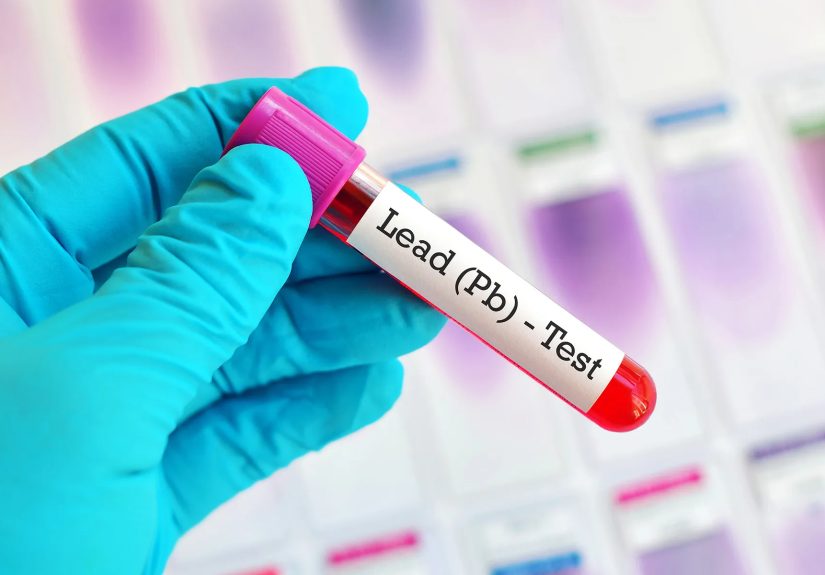
- Talk to a clinician when the risk is real. If a child has eaten a recalled product or may have other exposure sources, ask about a blood lead test.
- Avoid doom-scrolling as a meal-planning method. The internet is very good at turning a targeted contamination issue into a full-blown belief that lunch itself has become untrustworthy.
The Bottom Line
Lead in food is not a fake problem, and it should not be minimized. But it also should not be treated like a supernatural curse attached to every grocery cart. The facts are less theatrical and more useful: lead is a contaminant that can enter food from the environment or from manufacturing failures; children are especially vulnerable; some categories deserve closer scrutiny; rare contamination events can be serious; and the smartest response is risk reduction, not chaos.
So yes, the “boogeyman” in our food exists. But it is not defeated by panic, purity culture, or viral posts written in all caps. It is dealt with through testing, regulation, recalls, better sourcing, better nutrition, and better public understanding. In other words, the scariest thing about lead in food is not only the toxicology. It is how quickly fear can outrun facts.
And once fear starts sprinting, it usually drags your grocery list with it.
Real-World Experiences: What This Fear Actually Feels Like
If you want to understand the lead-in-food issue in practical terms, picture a parent standing in a kitchen at 10:30 p.m., phone in one hand, pouch puree in the other, wondering whether dinner has turned into a chemistry exam. That is the real emotional experience behind this topic. Lead fears in food do not usually begin with toxicology charts. They begin with a headline, a recall, a social-media post, or a half-heard news segment that makes ordinary people suddenly distrust ordinary things.
One common experience is the “pantry spiral.” A person reads about lead in cinnamon, then starts side-eyeing the spice rack, then remembers a story about chocolate, then baby food, then ceramic bowls, then old pipes, and within twenty minutes every object in the kitchen feels like a suspect. This reaction is deeply human. The problem is that it mixes high-risk scenarios with low-risk ones until everything feels equally alarming. A recalled product and a vague internet rumor do not belong in the same mental bucket, but stress loves putting them there anyway.
Another common experience happens in families with young children. Parents often feel guilty very quickly, even when they did nothing wrong. They bought food from normal stores. They followed labels. They trusted products designed for kids. Then a contamination story breaks, and suddenly they feel like they should have predicted a supply-chain problem from three states away. That guilt is heavy, and it is usually undeserved. A better response is to move from panic to action: check recall notices, talk to a pediatrician if exposure seems possible, and think broadly about all sources of lead, not just the last thing the child ate.
Then there is the experience of mixed messages. People hear “no safe level of lead” and interpret it as “any detected amount means immediate danger.” But regulators and doctors do not use that phrase to tell families that every bite is catastrophic. They use it to emphasize that lead is worth reducing wherever possible, especially for children. The public often hears an absolute statement and tries to live it out in an absolute way, which can lead to fear-driven decisions that are not actually healthier.
There is also a class difference to this issue that people do not always talk about. Families with older housing, aging plumbing, less access to testing, or fewer food choices may face a very different level of risk than families who can swap products, install filters, and shop across five stores. That is why lead is not just a personal wellness topic. It is a public-health and infrastructure topic. For many households, the scariest lead exposure is not artisan chocolate. It is the home environment.
In real life, the healthiest mindset is not denial and not obsession. It is steady vigilance. Take alerts seriously. Keep perspective. Feed kids a varied diet. Pay attention to recalls. Ask questions when something seems off. And remember that most families do not need to live in fear of every snack. They need good information, practical tools, and fewer reasons to feel like grocery shopping has turned into an escape room.