Table of Contents >> Show >> Hide
- The Paint Color That Feels Dated Now: Cool Gray
- Why Designers Are Over It
- But Wait: Is All Gray Bad?
- What to Use Instead of Cool Gray
- How to Tell If Your Gray Looks Outdated
- How to Replace Gray Without Making a Huge Mistake
- The Best Rooms to Update First
- Design Lesson: The Problem Was Never Neutrality
- Experiences Homeowners Commonly Have With This Outdated Paint Color
- Final Thoughts
If walls could sigh, a whole lot of them would be exhaling in cool gray right now.
For years, gray was the darling of home design. It looked clean, safe, modern, and just neutral enough to make buyers, renters, flippers, and Pinterest boards feel emotionally supported. Gray cabinets? Sure. Gray walls? Absolutely. Gray flooring? Why not go full storm cloud and commit to the bit?
But design trends move fast, and this one has hit the awkward phase. The outdated paint color designers hate most right now is cool gray, especially the flat, icy version often called millennial gray. Not every gray is banned from civilization, but the cold, blue-based grays that dominated the 2010s are now widely seen as overdone, impersonal, and strangely joy-resistant.
Today’s interior paint trends are moving toward warmth, depth, and personality. Homeowners want rooms that feel lived-in instead of staged. Designers want color palettes that look timeless instead of trend-chasing. And if you have a whole house painted in chilly gray, the message from many pros is basically this: it may be time to hand your roller a new assignment.
Here’s why cool gray has fallen out of favor, what to use instead, when gray can still work, and how to update your home without triggering a full decorating identity crisis.
The Paint Color That Feels Dated Now: Cool Gray
Let’s be specific. The shade designers are most tired of is not every soft stone tone or every deep charcoal accent. It is the cold, mid-tone, blue-undertone gray that became the default setting for “updated” homes over the last decade.
This version of gray became popular for obvious reasons. It paired well with stainless steel appliances, white trim, modern furniture, and open-concept layouts. It felt cleaner than beige and safer than actual color. Builders loved it. Flippers loved it. Sellers loved it. Soon, entire neighborhoods looked like they had been dipped in one giant bucket labeled “tastefully neutral.”
The problem is that what once looked fresh now often looks generic. Instead of feeling sophisticated, cool gray walls can make a room feel flat, chilly, and a little too eager to impress strangers at an open house.
Why Designers Are Over It
1. It can make a room feel cold
Gray is technically a neutral, but not all neutrals behave the same way. Cool gray tends to pull the temperature of a room downward. In a space with limited natural light, it can feel sterile rather than serene. Instead of “modern sanctuary,” you get “corporate waiting area with decorative throw pillows.”
2. It flattens personality
One reason gray spread so quickly is the same reason it now feels tired: everyone used it. When a color becomes the default answer for every living room, bedroom, kitchen, and hallway, it stops feeling intentional. Many designers now want homes to reflect real personality, collected style, and a sense of place. Cool gray often does the opposite. It erases character instead of building it.
3. It fights against the warmer materials trending now
Current home color palettes lean warmer. Think oak and walnut woods, brushed brass, plaster finishes, natural stone, clay accents, woven textures, and layered textiles. Against those materials, icy gray can look disconnected. It belongs to a more polished, less soulful era of decorating.
4. Undertones can turn weird fast
Gray is famously tricky. A paint swatch that looks elegant in the store can read blue, lilac, or vaguely rainy on your wall. That is especially true under LED lighting, northern exposure, or in rooms with lots of cool surfaces. If you have ever painted a room “soft gray” only to discover it now resembles a freezer aisle, you are not alone.
5. It became a trend, not a classic
Truly timeless paint colors adapt to different homes and decorating styles. Cool millennial gray, by contrast, became tied to a very specific period in design. Once a color is strongly associated with one era, it starts to date a space. That is exactly what has happened here.
But Wait: Is All Gray Bad?
No. Gray is not illegal. Your walls are not going to be arrested.
Some grays still work beautifully, especially when they are used thoughtfully. A few exceptions matter:
Warm grays and greiges
Grays with brown, taupe, mushroom, or beige undertones feel softer and more flexible. These shades have more warmth and usually play better with wood, stone, and organic textures. They can still deliver neutrality without making a room feel emotionally unavailable.
Deep charcoal
Dark charcoal can look dramatic, refined, and cocooning in the right room. It also still appears in some resale conversations as a shade buyers respond to in specific spaces, especially living rooms. That does not mean homeowners should paint every surface dark graphite. It just means gray has context. The truly outdated look is the blanket use of flat, cold, medium gray everywhere.
Functional spaces
Laundry rooms, garages, mudrooms, and certain bathrooms can still wear gray well, especially if the goal is practicality. But for main living areas, designers increasingly want more warmth and nuance.
What to Use Instead of Cool Gray
If you are ready to move on from gray walls, the good news is that the replacement options are much more interesting.
Warm whites
Not sterile white. Not blinding white. Not “this room doubles as a light reflector for aircraft.” Warm whites with creamy, ivory, or soft parchment undertones feel cleaner, calmer, and more timeless. They work beautifully in living rooms, kitchens, and bedrooms where you want brightness without harshness.
Mushroom, taupe, and putty
These nuanced neutrals are the grown-up cousins of gray. They have depth, softness, and a grounded quality that makes a space feel finished. Mushroom and putty shades are especially good if you want a neutral paint color that still looks current.
Khaki and sandy beige
Yes, beige is back, but it has been to therapy. Today’s beige is less builder-basic and more layered, earthy, and elegant. Khaki tones, sandy neutrals, and soft camel shades create warmth without feeling yellow or dated.
Earthy greens
Olive, moss, eucalyptus, and muted green-gray blends have become favorites because they connect interiors to nature. These shades feel calm, sophisticated, and slightly moody in the best way. They also pair wonderfully with wood furniture and vintage pieces.
Clay, terracotta, and dusty rose-browns
If you want more personality, earthy reds and clay-based hues are a smart next step. They add warmth and character while still feeling livable. In dining rooms, powder rooms, and even bedrooms, these colors can make a home feel richer and more custom.
Cocoa and chocolate browns
Brown has made a strong comeback, and no, not in a sad 1990s office-furniture way. Modern chocolate, espresso, and burnt umber tones can feel luxurious, enveloping, and surprisingly timeless when balanced with lighter textiles and natural materials.
How to Tell If Your Gray Looks Outdated
Not sure whether your gray paint is still working? Ask yourself a few brutally helpful questions:
- Does the room feel colder than it should, even when it is well decorated?
- Do the walls look blue, lavender, or flat depending on the time of day?
- Does your furniture seem disconnected from the wall color?
- Does the room feel more staged than lived-in?
- When you try to warm the space up with rugs, wood, or textiles, do the walls keep canceling the effort?
If you answered yes to more than one, your outdated paint color may be doing what many designers complain about: draining life from the room.
How to Replace Gray Without Making a Huge Mistake
Sample first, always
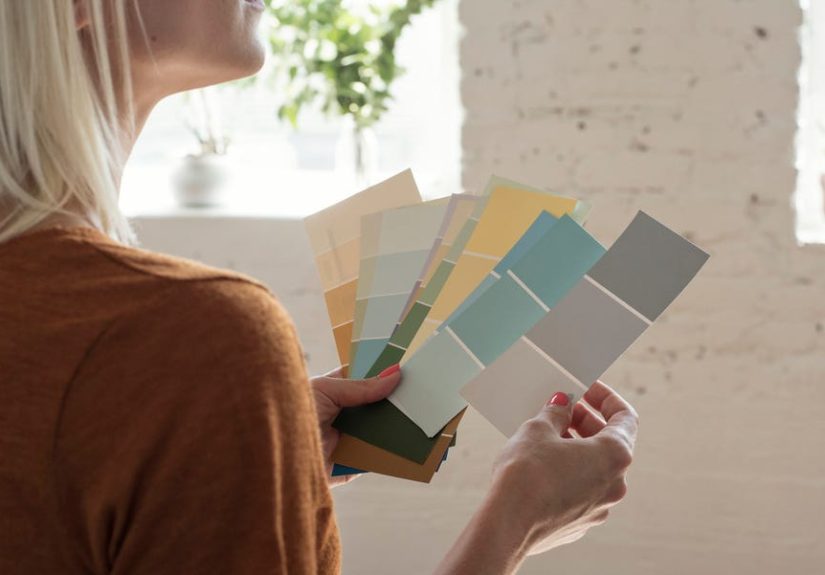
Paint swatches lie for a living. Test large samples on multiple walls and look at them in morning light, afternoon light, and lamplight. The right warm neutral should look stable, not moody in a bad way.
Read the undertones
If your flooring, countertops, or tile lean warm, choose a paint color that agrees with them. That is why putty, taupe, and creamy off-whites work so well: they are peacemakers.
Start with the main living areas
If your whole house is gray, do not panic-paint everything at once. Begin with the spaces where people spend the most time, such as the living room, kitchen, or primary bedroom. Once those rooms feel warmer, the contrast will help you decide what to repaint next.
Layer texture, not just color
A new wall color works best when the rest of the room supports it. Linen curtains, wool rugs, natural wood, matte ceramics, aged brass, and soft upholstery all help a warmer palette look intentional.
Do not chase every trend
The goal is not to flee gray only to fall into a short-lived color obsession. Choose shades that feel right for your home’s light, architecture, and mood. Trend-aware is good. Trend-trapped is exhausting.
The Best Rooms to Update First
Some rooms show the age of cool gray more quickly than others.
Living room
This is the biggest offender. An all-gray living room can feel especially flat because it often includes gray walls, a gray sofa, and gray-toned flooring. Switching the wall color alone can dramatically improve the room.
Bedroom
Bedrooms should feel restful, but cool gray often crosses the line from peaceful to chilly. Warm whites, muted olive, dusty taupe, and soft clay tones create a cozier retreat.
Kitchen
Gray cabinets and gray walls can look heavy or overly trendy, especially with cool lighting. Warmer cabinet colors, off-whites, muted green, or wood-forward palettes usually feel fresher now.
Hallways and open-concept spaces
Because these areas connect the home visually, outdated gray here can make the entire house feel stuck in a previous decade. Updating transitional spaces often creates the biggest overall payoff.
Design Lesson: The Problem Was Never Neutrality
Neutral paint colors are not the enemy. Designers still love neutrals. What changed is the definition of a good neutral.
The best neutral paint colors today are layered, warm, adaptable, and responsive to natural materials. They do not try to disappear. They support the room. They add softness, shape, and atmosphere. That is why taupe, mushroom, sand, khaki, cream, brown, and earthy greens are replacing cool gray in so many homes.
In other words, homeowners are not abandoning calm interiors. They are just trading cold calm for comfortable calm.
Experiences Homeowners Commonly Have With This Outdated Paint Color
The following examples are composite, reality-based scenarios inspired by common homeowner and designer experiences around outdated gray interiors.
One of the most common stories starts the same way: someone paints an entire open-concept space gray because it seems safe. At first, the result feels neat and updated. Then the seasons change. In winter, the room feels colder than expected. In the evening, the walls look faintly blue. Suddenly the beige sofa looks dingy, the oak table looks confused, and the homeowner starts buying more lamps, more pillows, and more blankets, trying to solve a problem that is really happening on the walls.
Another frequent experience happens during resale prep. A homeowner assumes gray is still the universal crowd-pleaser, because for years that was true. But when they walk through the house with a stager or designer, the feedback is different: the space looks too flat, too impersonal, too much like every renovated listing from a few years ago. The recommendation is often not “add more stuff.” It is “warm this place up.” A shift to creamy white, soft taupe, or light mushroom suddenly makes the same furniture feel better styled and more expensive.
Families also notice the emotional side of color more than they expect. Parents repainting a gray bedroom often describe the room as immediately softer and more restful once the walls go warmer. A child’s room painted in a dusty green or warm off-white can feel more welcoming than the old cool gray that once seemed modern. The color did not just change the look of the room. It changed the mood.
Designers often talk about the frustration of trying to “decorate around” a bad gray. Homeowners bring in wood tones, vintage rugs, woven baskets, brass sconces, and warmer art, hoping the room will magically come together. But the wall color keeps pushing everything back toward chilly and disconnected. Once the gray is replaced, the room finally clicks. It is one of those annoying design truths: sometimes the wall color is not a background decision. Sometimes it is the whole argument.
There is also the opposite experience, and it matters. Some homeowners still have a deep gray den, library, or media room they genuinely love. And honestly, fair enough. A moody charcoal can still feel dramatic and intentional when paired with the right light and texture. That is why the conversation around outdated paint colors needs nuance. Designers do not hate every gray forever. They hate the overused, one-note, cool gray formula that made homes feel copied and pasted.
What most people seem to want now is simple: a home that feels warmer, more personal, and less like it was painted for a hypothetical buyer in 2017. When homeowners switch from icy gray to a richer neutral or earthy tone, the reaction is often immediate. The house feels calmer. Skin tones look better. Wood looks richer. The room finally stops asking for help.
Final Thoughts
The outdated paint color designers hate is not a mystery anymore. It is the cold, overused version of gray that once dominated modern interiors and now often makes homes feel flat, chilly, and generic.
That does not mean every gray wall must disappear by sunrise. It does mean homeowners should look critically at cool gray rooms and ask whether the color still supports the way they want their homes to feel. In many cases, warmer neutrals, earthy greens, soft browns, and creamy whites do the job better.
Good paint should not just make a room look current. It should make the room feel right. And right now, for many designers and homeowners alike, that means less icy gray and a lot more warmth.