Table of Contents >> Show >> Hide
- Who Is Hilary Robertson (and Why Does She Care About Your Pile of Beautiful Things)?
- What “The Stuff of Life” Really Means
- The Book(s): A Styling Playbook Disguised as a Love Letter to Objects
- Five “Home Personalities” You’ll Recognize Immediately
- How to Make Your Collections Look Intentional (Not Like a Polite Garage Sale)
- Room-by-Room: Where the “Stuff of Life” Shines
- Common Styling Mistakes Robertson’s Approach Helps You Avoid
- The Big Idea: Homes Aren’t ShowroomsThey’re Stories
- Experience Add-On (About ): A 7-Day “Stuff of Life” Styling Experiment
There are two kinds of homes in the world: the ones that look like a furniture showroom (lovely, but suspiciously untouched), and the ones that look like actual humans live there (also lovely, and sometimes hiding a rogue sock behind a chair). Hilary Robertson has built an entire styling philosophy around the second kindbecause real life comes with objects. Lots of them. The mug you always grab first. The weird little bowl you bought on a trip and can’t stop defending. The stack of books that’s “temporary” in the way some hairstyles are “just for summer.”
Robertson calls it the stuff of life: the everyday flotsam and jetsam we collect over time, and the very things that make a house feel like home. Her work (and her books) argue that the goal isn’t to erase your personality in the name of “clean lines.” The goal is to make your personality look like it has a plan.
Who Is Hilary Robertson (and Why Does She Care About Your Pile of Beautiful Things)?
Hilary Robertson is a New York–based stylist, art director, and set designer known for translating lived-in spaces into images that feel personal, layered, andthis is keyachievable. She’s also the person you want in your corner when you’re staring at a shelf thinking, “Is this curated… or am I just hoarding politely?”
Her point is refreshingly human: people don’t fall in love with rooms because the sofa is expensive. They fall in love because the room tells the truth about who lives there. That truth is usually delivered by objectsart, books, ceramics, vintage finds, family photos, travel souvenirs, even practical items like baskets and hats. In other words: your life, in three dimensions.
What “The Stuff of Life” Really Means
“Stuff” has a reputation problem. Say it out loud and it sounds like clutter’s less charming cousin. But in Robertson’s world, “stuff” is the layer that turns a sterile space into something with warmth, memory, and narrative. It’s also the antidote to that oddly modern fear of having anything on a surface.
Think of it like this: minimalism is a style. Maximalism is a style. And living is not a style (although it does involve snacks, paperwork, and at least one object you can’t explain but refuse to throw away). Robertson’s approach is about bridging the gapso your home can feel real without feeling random.
The secret sauce is intention. You can own a lot and still look edited. You can own a little and still look rich in detail. The difference is arrangement, scale, rhythm, and a willingness to treat objects like characters in a story instead of extras who wandered onto the set.
The Book(s): A Styling Playbook Disguised as a Love Letter to Objects
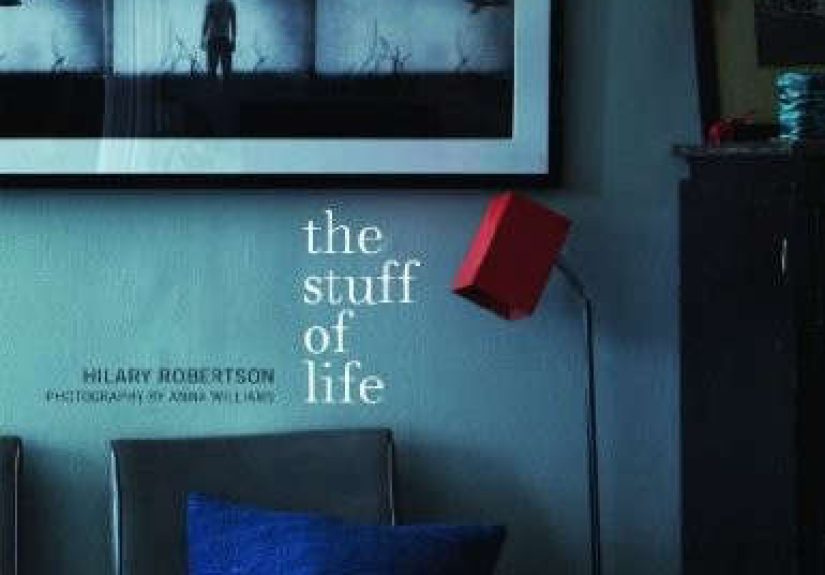
“The Stuff of Life” is widely known as Robertson’s styling blueprint: a guide to arranging and displaying the objects we accumulate over time, from artwork and ornaments to everyday pieces like baskets and even bicycles. The core idea stays consistent across editions: styling isn’t about perfectionit’s about giving your things a clear role so the room feels composed, not chaotic.
What makes Robertson’s work stand out is that it doesn’t treat styling as a mysterious gift bestowed upon a lucky few at birth (right next to “naturally photogenic”). She breaks the process into approaches you can actually use. You’re not “bad at styling.” You’re just missing a system.
Four Approaches to Arranging “Your Stuff” (So It Stops Looking Like It’s Waiting for Instructions)
1) Intuitive: The “I Like It, Therefore It Lives Here” Method
Intuitive arranging starts with instinct. You pull together objects you genuinely lovethen you make them look deliberate by giving them structure. This is where you lean on simple visual rules: group items in odd numbers, vary heights, and create one obvious focal point (so the eye knows where to land first).
Example: A console table vignette: a tall lamp (anchor), a small stack of books (platform), and a ceramic bowl (shape). Add one unexpected elementa framed snapshot or a tiny sculptureto keep it from feeling like a catalog display.
2) Narrative: Styling as Storytelling
Narrative arrangements are built around meaning. Instead of “pretty objects,” you’re creating a mini biography: travel mementos, inherited pieces, a postcard, a favorite cookbook, a found photo. The trick is to keep the story readable. If everything shouts, nothing speaks.
Example: A bookshelf section dedicated to “places that changed me”: two travel books, a small woven box, a framed map detail, and one object from that location. The shelf becomes a chapter, not a storage unit.
3) Practical: When Function Has to Win (but Can Still Look Great)
Practical arranging is where Robertson’s philosophy becomes deeply useful. Some objects aren’t sentimental or decorative. They’re just… necessary. Keys. Mail. Dog leash. Sunglasses. The solution isn’t to pretend these things don’t exist. The solution is to design a home for them.
Example: A tray near the entry with a small dish for keys, a slim container for mail, and a hook or basket for grab-and-go items. You’ve just turned “my life is a tornado” into “my life is a curated whirlwind.”
4) Curatorial: The “Mini-Museum” Approach
Curatorial styling is about editing, spacing, and displaylike you’re responsible for making people understand why these objects matter. Think negative space, consistent color notes, and a clear hierarchy (hero piece, support pieces, quiet background).
Example: A wall with a small gallery: one medium painting, two smaller works, and a sculptural wall light. The spacing is uniform, the palette has a thread, and nothing is fighting for dominance.
Five “Home Personalities” You’ll Recognize Immediately
One of the most helpful ideas associated with Robertson’s “stuff of life” framework is that homes tend to fall into recognizable styling personalities. This matters because there is no single “correct” way to live with objectsthere’s only the way that fits your habits and taste.
- The Neatnik: Loves clean lines and order. Needs “stuff” to live in contained momentstrays, boxes, neatly stacked books, one sculptural object at a time.
- The Bohemian: Collects textures, patterns, and global finds. Best when anchored by a few calm zones (negative space and fewer colors per vignette).
- The Naturalist: Drawn to wood, stone, ceramics, botanicals. Styling works when you repeat organic shapes and keep the palette grounded.
- The Sculpture Vulture: Loves objects as art. Needs smart lighting and breathing room, plus “platforms” (plinths, stacks, pedestals) so pieces feel intentional.
- The Noble Salvage: Vintage, worn-in, patina, history. Works best when you mix old and new so it feels collectednot like you moved into a movie set about a charming attic.
The takeaway: identify your default “personality,” then style to your strengths instead of forcing yourself into someone else’s aesthetic. The goal isn’t to become a different person. It’s to become a slightly more organized version of yourself.
How to Make Your Collections Look Intentional (Not Like a Polite Garage Sale)
Let’s talk about the fear every design lover has at least once: “What if my shelf looks like a yard sale with better lighting?” Here are Robertson-aligned principles that consistently fix the problem.
Use Anchors, Then Build Supporting Cast
Every surface needs one anchor: a lamp, a large vase, a framed piece of art leaning against the wall, a tall plant. Once you have an anchor, smaller items stop floating around like they lost their group chat.
Repeat Something on Purpose
Repetition is the difference between “collected” and “accidental.” Repeat a color (brass, black, white), a shape (rounded ceramics), or a material (woven texture). Your eye reads repetition as design.
Think in Levels
Flat arrangements feel like paperwork. Add levels using books, small stands, trays, and bowls. A stack of books isn’t just a stackit’s a stage.
Edit Without Erasing Yourself
Editing doesn’t mean minimalism. It means clarity. If everything is precious, nothing stands out. Rotate objects seasonally, store the “bench players,” and let your favorites have a turn being the star.
Yes, “Shelfies” Count as Styling Practice
The modern habit of photographing shelves (and consoles and coffee tables) is basically a free styling workshop. When you view your space through a camera lens, you instantly see what feels crowded, what looks lopsided, and where you need negative space. Your phone is not just a distractionit’s a truth-teller with a ring light.
Room-by-Room: Where the “Stuff of Life” Shines
Living Room: The Layering Headquarters
This is the room where personal objects belong front and center: books you actually read, art you love, bowls and trays that hold the little things. Keep one surface “quiet” (like a side table with a single lamp and one object) so the room feels balanced, not busy.
Kitchen: Practical Styling That Doesn’t Get in the Way
Kitchens are perfect for the practical approach. Use a beautiful crock for utensils, a tray for oils and salt, and one or two pieces that feel personal (a framed recipe, a small artwork, a handmade bowl). The goal is charm without sacrificing counter space you actually need.
Bedroom: The Soft Story
Bedrooms are where narrative styling works bestobjects that calm you, remind you of people you love, or make you feel grounded. Keep the palette gentle and the vignettes small. This is not the room for your entire collection of “interesting rocks.”
Hallways and Entries: The “Real Life” Zone
The entry is where life explodes first. Give it structure: hooks, baskets, a tray, a mirror, and one personal touch (a photo, an object from a trip). If your entry is under control, the rest of the house feels 30% more togetherscientifically speaking (by which I mean emotionally).
Common Styling Mistakes Robertson’s Approach Helps You Avoid
- Everything is small: Ten tiny objects read as clutter. Add one larger piece to anchor the group.
- Everything is pushed to the back: Bring pieces forward and vary depth. Let objects overlap.
- No negative space: Empty space is not “wasted.” It’s what makes your favorite objects look important.
- Matching too hard: A home isn’t a showroom. Mix materials and eras so the space feels lived-in.
- Keeping everything out at once: Rotation is your best friend. Even museums change exhibitions.
The headline: styling isn’t about owning the right things. It’s about arranging what you already have so your home feels honest and intentional.
The Big Idea: Homes Aren’t ShowroomsThey’re Stories
“The Stuff of Life” lands because it treats home as an evolving record of real people. The best rooms don’t feel sterile. They feel specific. They have layers: the practical layer, the decorative layer, the emotional layer, and the “I have no idea why I love this, but I do” layer.
Robertson’s gift is showing that you can honor those layers without letting them take over. You can collect, keep, display, and enjoywhile still making your space feel composed. In a world obsessed with perfection, that’s a very refreshing kind of beautiful.
Experience Add-On (About ): A 7-Day “Stuff of Life” Styling Experiment
If you want to feel the Robertson approach (not just read about it), try this week-long experiment. It’s designed around real-life behaviorbecause the point is to make your home work better, not to win an imaginary award for “Most Untouched Surface.”
Day 1: The “Hotspot” Audit
Walk through your home and identify the three main clutter hotspots (entry table, kitchen counter, nightstand, dining tableyes, the dining table that never sees dining). Don’t shame the clutter. Just notice it. Hotspots are usually a sign that something needs a designated landing zone.
Day 2: Build One Practical Station
Pick one hotspot and turn it into a practical arrangement: add a tray, a small bowl, a basket, or a catchall. Give each category a job. Keys go here. Mail goes there. Sunglasses get a bowl like the fancy little divas they are. The “experience” you’re aiming for is reliefbecause a system removes decision fatigue.
Day 3: Make One Narrative Vignette
Choose a small surface (a shelf, a nightstand, a windowsill) and style it like a story: one photo or artwork, one object with a memory, one book that reflects your taste. Keep it to 3–5 items. The experience should feel like a tiny emotional reset every time you walk by.
Day 4: Try the Curatorial Edit
Take a crowded shelf and remove one-third of what’s on it. Yes, one-third. Store those pieces elsewhere (not the trashthis isn’t a punishment). Now reintroduce one “hero” object and give it breathing room. The experience here is surprising: the shelf will look richer with fewer things because the remaining pieces read clearly.
Day 5: Add Levels and Height
Restyle a surface using levels: stack books, use a tray, prop art behind objects, vary height dramatically. The experience is visual energy. The arrangement will suddenly feel designed instead of merely “placed.”
Day 6: Photograph, Then Adjust
Take a quick photo of your styled areas. Photos reveal imbalance instantlythings that are too centered, too crowded, too symmetrical, or too flat. Make two small adjustments (move one object, remove one object, add one taller element). The experience is clarity: your eye becomes sharper, faster than you expect.
Day 7: Rotate One Collection
Choose a small collectionceramics, framed prints, coffee table booksand rotate what’s on display. Put half away in a box or cabinet. The experience is novelty without spending money. Your home will feel “refreshed” because you changed the narrative, not the square footage.
After seven days, you’ll notice something subtle but powerful: your objects stop feeling like clutter you have to manage and start feeling like a language you can speak. That’s the heart of “the stuff of life”not less living, but better living with the things that prove you were here.