Table of Contents >> Show >> Hide
- Why This Amazon Tiny House Is Getting So Much Attention
- What “Expandable” Really Means in a Tiny House
- Why the Bathroom and Balcony Matter More Than They Seem
- Who This Kind of Tiny House Is Really For
- The Financial Appeal Is Real, but It Is Not the Whole Story
- The Legal and Practical Questions Buyers Cannot Ignore
- Design-Wise, This Is Why the Layout Works
- So, Is This Tiny House Just a Viral Curiosity?
- What the Experience of Living in a Tiny Expandable House Actually Feels Like
- Conclusion
Somewhere between the housing crisis, the minimalist movement, and America’s deep love affair with online shopping, we arrived at a sentence that would have sounded ridiculous a decade ago: you can browse for a tiny house on Amazon. Not a birdhouse. Not a dollhouse. A real, grown-up, “please-pass-the-salt-I-live-here-now” house.
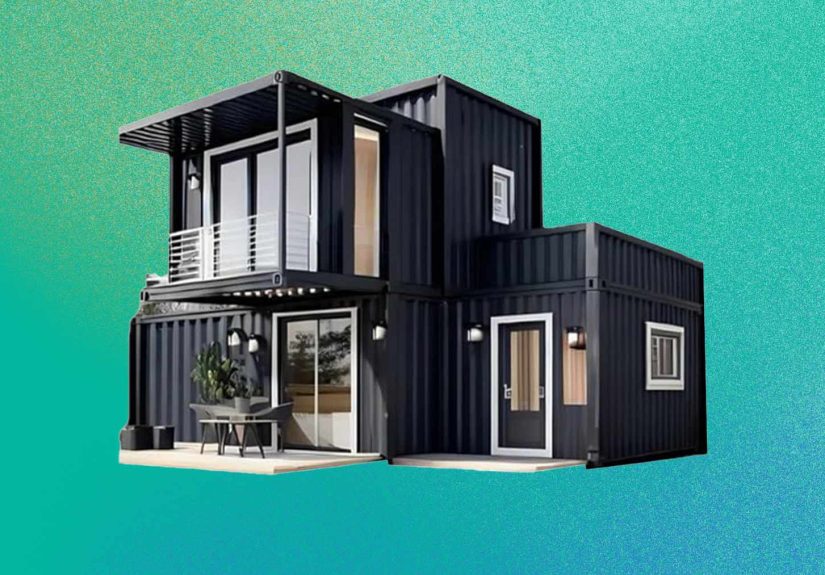
And not just any tiny house, either. The model grabbing attention is the kind of listing designed to make downsizers, dreamers, and backyard-guest-house schemers do a double take. It promises a bathroom, a balcony, and an expandable design, which in tiny-home language is basically the holy trinity. One feature means functionality. One means charm. One means flexibility. Put them together, and suddenly this is not just a compact shelter. It is a lifestyle pitch in steel-frame form.
But does this kind of Amazon tiny house represent the future of smart, flexible living, or is it just an internet-age fantasy wrapped in glossy product photos? The answer, as usual, is a little more interesting than either extreme. These homes are not magic, and they are not a joke. They sit in that fascinating middle ground where design ambition, affordability anxiety, and modern convenience all collide.
This is what makes the idea so compelling. In a market where full-size homes often feel financially out of reach, a compact prefab home with a real bathroom, outdoor space, and expandable footprint feels less like a novelty and more like a quiet rebellion. It says: maybe you do not need 2,500 square feet, three rooms full of furniture you forgot you owned, and a garage haunted by old paint cans. Maybe you just need a smaller home that works harder.
Why This Amazon Tiny House Is Getting So Much Attention
Tiny homes have been popular for years, but most of them tend to lean heavily in one direction. Some are cute but impractical. Some are cheap but painfully bare-bones. Some are technically “tiny homes” but feel more like upgraded storage sheds with commitment issues. The Amazon model that has been circulating in lifestyle coverage stands out because it hits several emotional and practical triggers at once.
First, there is the bathroom. That may sound like the least glamorous part of the sales pitch, but in reality it is the feature that separates “interesting structure” from “livable home.” A bathroom means privacy, routine, and independence. It means you are not marching to a separate bathhouse in flip-flops while pretending that is part of the rustic charm. In small-space design, convenience is not a luxury. It is the whole game.
Second, there is the balcony. This is where the listing gets a little flirtier. A balcony in a tiny home is not just extra square footage. It changes how the house feels. It adds vertical drama. It creates an outdoor perch for coffee, fresh air, or the highly important activity of standing outside and feeling superior about your clutter-free life. Tiny homes can sometimes feel inward-looking, but a balcony gives them a sense of openness and aspiration.
Third, there is the expandable design. That phrase is the real head-turner because it suggests something buyers desperately want: flexibility. Expandable layouts appeal to people who need more room than a micro-cabin can offer, but still want a footprint and price point that feel smaller than a conventional home. The promise is simple and powerful. Start compact, then stretch the layout in a way that supports real living rather than glorified camping.
What “Expandable” Really Means in a Tiny House
Expandable tiny homes are popular because they solve one of the oldest small-space problems: the house looks fine in photos until you imagine where the laundry basket goes. An expandable design can create more usable floor area, more distinct rooms, or a better separation between sleeping, cooking, and relaxing zones. That matters because tiny living only feels elegant when the layout is working. Otherwise, it feels like your blender lives in your bedroom, which is less “minimalist chic” and more “accidental chaos.”
In many prefab and modular designs, expandability can mean fold-out sections, modular add-ons, second-story configurations, or customizable room layouts. For buyers, that is a major psychological win. It means the house does not have to remain frozen in one rigid format. A single person might use it one way. A couple might configure it differently. A family could prioritize bedrooms, while a remote worker might carve out office space. That adaptability is a big part of the appeal.
Still, smart buyers should read “expandable” with both excitement and caution. In the prefab world, that word can cover a wide range of realities. Sometimes it means true structural expansion. Sometimes it means the seller offers alternative floor plans. Sometimes it means the house can be customized before delivery, not that it unfolds like a sci-fi gadget once it lands on your property. The dream is real, but the details matter.
The difference between prefab, modular, and move-in ready
This is where many shoppers need a reality check. “Prefab” does not always mean fully turnkey. “Modular” does not always mean mortgage-friendly. “Move-in ready” can sometimes mean the shell and systems are included, while fixtures, hookups, foundation work, permits, and site prep are very much your problem. Tiny-house listings often look glamorous because the rendering shows a completed lifestyle, not the installation invoice.
That does not make these homes bad deals. It just means buyers should think like project managers, not impulse shoppers. Before imagining fairy lights on the balcony, it is wise to ask what comes standard, what is optional, what is cosmetic, and what must be completed locally.
Why the Bathroom and Balcony Matter More Than They Seem
In a standard suburban home, a bathroom is expected and a balcony is a bonus. In a tiny house, both features carry extra weight because every square foot has to justify its existence.
The bathroom tells you the house is designed around daily life, not just visual appeal. A well-planned tiny-house bathroom can support full-time living, guest use, short-term rental potential, or backyard ADU functionality. It also signals that plumbing and wet-space planning have been considered, which is one of the hardest parts of compact construction. Nobody brags about drain lines on social media, but they are doing the Lord’s work.
The balcony, meanwhile, makes a small footprint feel emotionally larger. Tiny living is not only about reducing indoor square footage. It is also about extending how space is experienced. Outdoor access helps relieve the compression of a smaller interior. It creates a transition zone between private and open space. In design terms, that is valuable. In real life, it means you have somewhere to sip coffee, read a book, dry off after a rainstorm, or dramatically reconsider all your life choices under the stars.
Put differently, the bathroom makes the tiny house usable. The balcony makes it lovable.
Who This Kind of Tiny House Is Really For
The most successful tiny-house buyers are usually not chasing a trend. They are solving a problem. That is why this Amazon tiny house concept works best when matched to a clear use case.
Backyard guest house or ADU
For homeowners with enough land and the right local rules, a tiny house can function as a guest suite, in-law space, or detached accessory dwelling unit. In that context, a bathroom is essential, and a balcony adds appeal for visitors or renters. The expandable design is especially attractive because it may allow for more comfort without building a full-size addition onto the main home.
Vacation retreat
A compact prefab house can also serve as a weekend cabin or getaway property. Here, the balcony becomes part of the experience, not just a feature. It turns a small structure into a place that feels scenic and intentional. The home may be modest, but the lifestyle feels elevated.
Primary residence for downsizers
For solo homeowners, couples, or anyone tired of spending half their weekends cleaning rooms they barely use, a well-designed tiny home can be a legitimate downsizing option. Lower maintenance, potentially lower utility costs, and less wasted space all have real appeal. That said, the more permanent the plan, the more important it becomes to understand site, code, insurance, and financing requirements before clicking “buy now” with heroic optimism.
The Financial Appeal Is Real, but It Is Not the Whole Story
Part of the Amazon tiny-house obsession comes from timing. Americans have been navigating a brutally expensive housing landscape, and smaller homes naturally feel attractive when the price gap between compact living and conventional housing is so dramatic. Compared with the cost of a new traditional home, a prefab tiny home can look refreshingly attainable.
That affordability story is real, but it should be framed honestly. The listing price is only the opening act. Total cost can include land, grading, utility hookups, delivery, crane or placement services, foundation work, permits, interior upgrades, inspections, and ongoing maintenance. A tiny home may still be substantially cheaper than a full-size house, but it is rarely as simple as paying the posted number and waiting for a giant box of happiness to arrive fully solved.
Financing can also be trickier than buyers expect. Depending on the structure type and how it is classified, a tiny home may not qualify for a standard mortgage. Some buyers end up using personal loans, RV-style financing, cash, or custom lending arrangements. That does not make the purchase impossible, but it does mean the smartest buyers build a budget around the real project cost, not just the screenshot-friendly price tag.
The Legal and Practical Questions Buyers Cannot Ignore
This is the less glamorous side of the tiny-house fantasy, but it is also where good decisions happen. A beautiful prefab home is only useful if you can legally and safely place it where you want to live.
Zoning rules vary widely by city, county, and state. Some communities are fairly welcoming to ADUs and compact dwellings. Others treat tiny houses, especially those on wheels or with nontraditional classifications, as regulatory puzzles. You may need to confirm whether the home will be considered a tiny house, modular home, manufactured home, ADU, or something else entirely. That classification can affect placement, permitting, utilities, inspection standards, and financing.
Utilities are another major checkpoint. A tiny house with a bathroom is only delightful if the plumbing plan is realistic. Water, sewer, septic, electricity, heating, cooling, insulation, and ventilation all matter, especially if the home will be used year-round. Container-style and prefab homes can be durable, but they still need local adaptation to climate and code. A balcony may look breezy and glamorous in the product images, but if your insulation strategy is weak, winter will humble everyone involved.
Buyers also need to verify what construction and safety standards apply. Permanent occupancy, off-site construction, local code adoption, and installation requirements all shape whether a tiny home becomes a smooth housing solution or a prolonged administrative headache. A tiny footprint does not mean tiny paperwork. Quite the opposite, honestly.
Design-Wise, This Is Why the Layout Works
Beyond the marketing hook, there is a genuine design reason this type of tiny house is attractive. It uses the three biggest tricks in the small-space playbook: verticality, indoor-outdoor connection, and flexible footprint.
Verticality keeps the home from feeling flat and cramped. A second story, loft, or upper-level outdoor area naturally makes the structure feel more architectural and less boxy.
Indoor-outdoor connection keeps the home from feeling sealed shut. A balcony, terrace, or rooftop zone makes a compact structure feel larger than its floor plan suggests.
Flexible footprint allows the house to meet different needs over time. That is critical in a market where people want homes that can adapt to remote work, guest stays, hobbies, or future family changes.
In other words, the appeal is not just that the house is small. It is that the design tries very hard not to feel small.
So, Is This Tiny House Just a Viral Curiosity?
Not really. It is better understood as a symbol of what buyers want right now. People want homes that are cheaper, faster, smarter, more flexible, and less bloated. They want less dead space and more intentional living. They want a house that can act as a guest suite, a retreat, a rental, or a primary home without demanding a 30-year emotional support mortgage.
This Amazon tiny house taps into all of that. The bathroom says it is practical. The balcony says it is charming. The expandable design says it might actually grow with your needs. That combination is why the listing feels bigger than the structure itself.
Still, the fantasy becomes a good investment only when paired with boring grown-up homework. Check the rules. Confirm the build details. Understand the utility plan. Price the full project. Read the specifications like someone who enjoys fine print, even if you absolutely do not. Tiny-home success is built on tiny-home realism.
If you do that, this style of prefab home stops being internet bait and starts becoming something more meaningful: a genuinely modern answer to how people want to live now.
What the Experience of Living in a Tiny Expandable House Actually Feels Like
Living in a tiny house like this is not just about square footage. It is about how the space changes your habits. The first thing most people notice is that the house asks you to be intentional. In a conventional home, bad habits can hide in spare rooms, junk drawers, and closets stuffed with mystery cables from electronics you no longer own. In a tiny house, your habits stand in the middle of the room and wave at you. If you buy too much, it shows. If you clean as you go, the whole place feels calm. If you do not, the coffee mug on the counter suddenly has the visual power of a monument.
The bathroom becomes one of the most appreciated parts of the house because it makes everyday life feel normal. That sounds obvious, but it matters. There is a huge difference between a tiny structure that feels like a fun experiment and one that supports an actual routine. A real bathroom turns the home into a place where mornings make sense. You shower, brush your teeth, hang your towel, and move on with your day without feeling like you are improvising your entire existence.
The balcony changes the emotional temperature of the house. In a small interior, even a beautiful one, you occasionally want a pressure-release valve. The balcony becomes exactly that. It is where you take your first coffee, answer a phone call, read in the late afternoon, or step out after dinner and feel like the house extends past its walls. Some days it is a mini escape. Other days it is a front-row seat to weather, birds, neighborhood sounds, or a sunset that makes you feel suspiciously poetic.
The expandable design also affects the experience in a practical way. Instead of forcing every activity into one open area, the home can create better separation. That matters more than people think. It is one thing to admire an open layout online. It is another thing to live in one every day while cooking, working, relaxing, and trying not to stare at the dishes from the sofa. More structure in the floor plan usually means more peace in daily life.
There is also a surprising sense of relief that comes with living smaller. Less floor means less cleaning. Less furniture means fewer decisions. Less storage means you become more selective, which can be annoying at first and wildly satisfying later. Many people discover that the real luxury in a tiny home is not just affordability. It is clarity. You know what you own. You know where it goes. You stop buying random things just because a shelf exists somewhere to hold them.
Of course, tiny-house living is not all cinematic morning light and meaningful simplicity. Deliveries need planning. Storage needs discipline. Weather matters more. Noise matters more. A cluttered week shows up fast. But for the right person, those trade-offs feel manageable because the home gives something valuable back: efficiency, character, and a daily reminder that comfortable living does not always require excess.
That is the deeper reason this Amazon tiny house concept resonates. It is not merely small. It is aspirational in a very modern way. It offers the possibility of living with less wasted space while still keeping the features people care about most: privacy, outdoor connection, adaptability, and style. For buyers who are tired of oversized houses, oversized bills, and oversized expectations, that can feel less like a compromise and more like a clever upgrade.
Conclusion
This tiny house at Amazon is drawing attention for good reason. A bathroom makes it practical, a balcony makes it appealing, and an expandable design makes it feel adaptable in a housing market where flexibility is everything. It captures the modern tiny-home dream better than many smaller, simpler kits because it offers the possibility of actual comfort, not just novelty.
That said, the smartest way to admire a tiny home is with equal parts excitement and skepticism. These homes can be genuinely useful as guest houses, ADUs, vacation retreats, or even full-time residences, but only when buyers understand the real-world details behind the listing. In the end, this is not just a story about a compact house on Amazon. It is a story about how people want to live now: lighter, smarter, and with a little fresh air waiting on the balcony.