Table of Contents >> Show >> Hide
- What Are Ticking Stripe Bed Linens?
- Why Ticking Stripe Bedding Is So Popular
- Best Fabrics for Ticking Stripe Bed Linens
- How to Choose High-Quality Ticking Stripe Bed Linens
- Best Colors for Ticking Stripe Bed Linens
- How to Style Ticking Stripe Bed Linens
- Care Tips for Ticking Stripe Bedding
- Who Should Buy Ticking Stripe Bed Linens?
- Common Mistakes to Avoid
- Real-Life Experience With Ticking Stripe Bed Linens
- Conclusion: Are Ticking Stripe Bed Linens Worth It?
Ticking stripe bed linens are the quiet overachievers of bedroom design. They do not shout, sparkle, or behave like a diva throw pillow that needs its own spotlight. Instead, they bring crisp lines, vintage charm, and an easy “I have my life together” look to the bedeven if the laundry basket nearby tells a slightly different story.
At its simplest, a ticking stripe is a narrow, repeated stripe pattern traditionally associated with mattress and pillow ticking. Long before it became a favorite in farmhouse bedrooms, coastal cottages, modern country homes, and boutique-hotel-style spaces, ticking fabric had a practical job: covering mattresses and pillows so the filling stayed where it belonged. Today, ticking stripe bed linens turn that hardworking history into something softer, fresher, and far more decorative.
Whether you are choosing a ticking stripe duvet cover, cotton percale sheets, pillow shams, a quilt, or a relaxed linen blend, this pattern offers one rare decorating gift: it works almost everywhere. It can look rustic, tailored, coastal, vintage, minimal, or cozy depending on the color, weave, and styling. In other words, ticking stripe bedding is the design equivalent of a white T-shirt with excellent manners.
What Are Ticking Stripe Bed Linens?
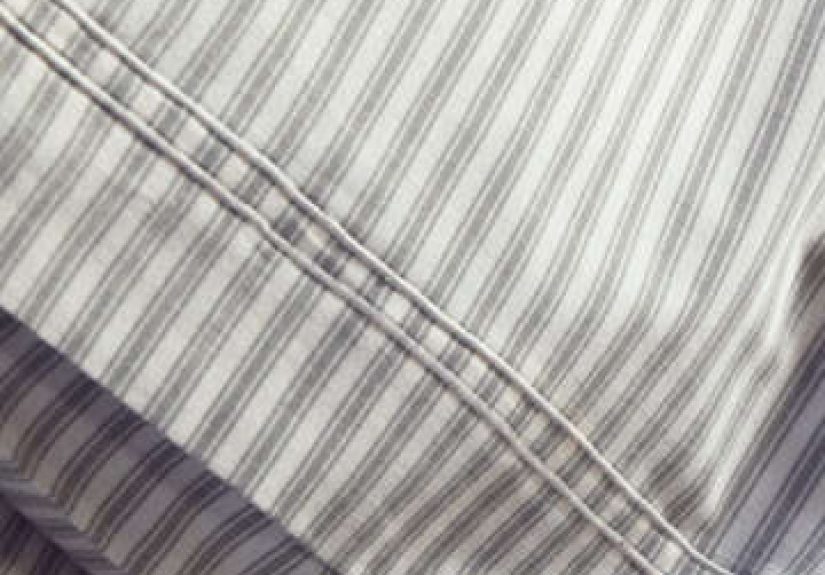
Ticking stripe bed linens are sheets, duvet covers, pillowcases, shams, quilts, coverlets, or decorative bedding pieces featuring narrow vertical or horizontal stripes inspired by traditional ticking fabric. Classic ticking stripes are usually slim, evenly spaced, and often shown in blue, gray, black, red, beige, or muted green against a white, ivory, cream, or natural background.
The pattern is intentionally simple. Unlike bold cabana stripes or dramatic hotel borders, ticking stripes are subtle enough to act almost like a neutral. From across the room, a fine blue-and-white ticking stripe may read as a soft texture rather than a busy print. Up close, it gives the bed depth, rhythm, and character.
Why the Word “Ticking” Matters
The name comes from historic mattress ticking, a tightly woven cotton or linen fabric used to cover mattresses, pillows, and feather beds. The fabric needed to be strong because nobody wanted straw, feathers, or stuffing poking through the bed at 2 a.m. That is not “rustic charm”; that is a medieval sleep interruption.
Modern ticking stripe bed linens are not necessarily made from old-fashioned ticking fabric. Many are made from cotton percale, linen, cotton-linen blends, twill, sateen, or washed cotton. The “ticking” part usually refers to the stripe style rather than the heavy utility fabric itself.
Why Ticking Stripe Bedding Is So Popular
Ticking stripe bedding has stayed popular because it solves a common bedroom problem: how to add pattern without making the room feel visually noisy. Florals can be romantic, plaids can be cozy, and bold prints can be fun, but ticking stripes are beautifully flexible. They add movement without taking over the bed.
The pattern also has a built-in sense of nostalgia. It reminds people of vintage quilts, old farmhouses, summer cottages, antique markets, and well-made things that do not need a trend forecast to justify their existence. Yet it still feels clean enough for modern bedrooms.
It Works With Many Design Styles
One reason designers love ticking stripe bed linens is their ability to blend into different aesthetics. In a farmhouse bedroom, blue ticking sheets with a white quilt feel warm and familiar. In a coastal room, navy ticking stripes paired with natural linen and woven baskets feel breezy without leaning too hard into “seashell souvenir shop.” In a modern bedroom, black or charcoal ticking stripes can add graphic structure while keeping the palette calm.
Ticking stripe linens also play nicely with solids, checks, florals, block prints, matelassé coverlets, waffle blankets, and quilts. This makes them useful for layered beds, especially if you like a collected look rather than a perfectly matched showroom set.
Best Fabrics for Ticking Stripe Bed Linens
The stripe may catch your eye, but the fabric determines whether you actually enjoy sleeping in the bedding. A pretty duvet cover that feels like a grocery bag is not a personality trait anyone needs. When shopping for ticking stripe bed linens, pay attention to the fiber, weave, finish, weight, and care instructions.
Cotton Percale
Cotton percale is one of the best choices for ticking stripe sheets and duvet covers. Percale uses a simple one-over, one-under weave that creates a crisp, matte, breathable fabric. It often feels cool and clean, similar to a freshly pressed button-down shirt. If you sleep warm, like a tidy bed, or enjoy bedding that gets better with repeated washing, cotton percale ticking stripe linens are a strong choice.
Yarn-dyed percale is especially appealing because the stripe is woven from colored yarns rather than printed on top of the fabric. This can help the pattern look richer and more lasting over time. Many high-quality striped sheet sets and duvet covers use this approach because the color is part of the textile, not just sitting on the surface like temporary decoration at a school dance.
Linen
Linen ticking stripe bed linens have a relaxed, airy look. Linen is breathable, naturally textured, and famous for looking better when it is slightly rumpled. That is excellent news for anyone whose relationship with ironing is “we met once and decided to see other people.”
Linen can feel crisp at first, but it usually softens with washing. It is ideal for relaxed bedrooms, warm climates, coastal styling, and people who prefer casual elegance over hotel-perfect smoothness. A linen ticking stripe duvet cover layered over cotton sheets can create a bed that feels luxurious without looking fussy.
Cotton-Linen Blends
A cotton-linen blend offers a nice middle ground. Cotton adds softness and familiarity, while linen adds texture and breathability. These blends often wrinkle less dramatically than pure linen and feel less crisp than pure percale. For ticking stripe duvet covers, shams, and quilts, cotton-linen blends can deliver that comfortable lived-in style many homeowners want.
Washed Cotton
Washed cotton ticking stripe bedding is a great option if you like softness from the first night. The washing process gives the fabric a broken-in feel and a more casual appearance. It may not have the crisp snap of percale, but it is cozy, approachable, and easy to style.
How to Choose High-Quality Ticking Stripe Bed Linens
Buying bedding should not feel like taking a textile science final, but a few details can save you from regret. A good ticking stripe bed linen set should look beautiful, fit your mattress, feel good against your skin, and survive regular laundering without becoming a sad striped napkin.
Check the Fiber Content
Look for clear fiber descriptions such as 100% cotton, 100% linen, organic cotton, cotton percale, or cotton-linen blend. In the United States, textile labeling rules generally require products to list fiber content, country of origin, and the responsible manufacturer or marketer. That label is not just tiny tag poetry; it is useful information.
If the product description is vague, be careful. Terms like “luxury feel,” “eco-inspired,” or “hotel style” sound nice, but they do not tell you what the fabric is made from. Real quality starts with real material information.
Do Not Worship Thread Count
Thread count can matter, but it is not the bedding scoreboard some marketing makes it out to be. Extremely high thread counts are not automatically better, especially if they are achieved through multi-ply yarns or clever counting. For cotton sheets, many excellent options fall in a moderate thread-count range. Fiber quality, weave, finishing, and construction usually matter more than a giant number on the package.
For ticking stripe percale, focus on the feel: crisp, breathable, and smooth enough for your comfort. For linen, look at weight, softness, and whether the fabric has been prewashed. For duvet covers and shams, check the closure type, interior ties, seam quality, and whether the pattern aligns neatly.
Look for Certifications When They Matter to You
Certifications can help shoppers evaluate claims. OEKO-TEX Standard 100 indicates that a textile has been tested for certain harmful substances. GOTS certification is relevant for organic textiles and includes environmental and social criteria throughout processing. These labels are especially useful if you are shopping for organic cotton ticking stripe bedding or trying to avoid vague “green” marketing.
That said, certification is only one part of the picture. A certified sheet still needs to fit your bed, feel good, and match how you actually sleep. A responsible purchase should be both thoughtful and comfortable.
Best Colors for Ticking Stripe Bed Linens
Color changes the entire personality of ticking stripe bedding. The same pattern can look vintage, coastal, modern, or romantic depending on the palette.
Blue and White
Blue-and-white ticking stripe bed linens are the classic choice. They feel fresh, historic, and easy to pair with white quilts, natural wood, rattan, brass lamps, and soft gray walls. Navy stripes look sharper and more nautical, while pale blue stripes feel gentle and cottage-inspired.
Gray and White
Gray ticking stripes are calm and versatile. They work well in modern farmhouse rooms, minimalist bedrooms, and neutral palettes. Pair gray ticking sheets with a white duvet and charcoal throw for a clean, adult look that says, “Yes, I own matching pillowcases.”
Black and Cream
Black ticking stripe bedding has more contrast and a slightly modern edge. It looks excellent with warm woods, matte black lighting, vintage rugs, and creamy walls. Use it when you want the charm of ticking stripes but with a little more graphic confidence.
Red, Green, and Brown
Red ticking stripes feel cheerful and traditional, especially around holiday bedding or cottage decor. Green stripes are earthy and soft, pairing beautifully with botanical prints and natural textures. Brown or tan ticking stripes create a rustic, antique-inspired mood that works well with quilts, woven baskets, and warm wood furniture.
How to Style Ticking Stripe Bed Linens
Styling ticking stripe bedding is refreshingly easy because the pattern behaves politely. It brings visual interest without acting like it owns the house.
Keep the Base Simple
For a timeless look, start with white or ivory sheets and add a ticking stripe duvet cover. Then layer a solid quilt or coverlet at the foot of the bed. This gives the stripes room to breathe and keeps the bed from looking too busy.
Mix Patterns Carefully
Ticking stripes pair well with florals, checks, plaids, and block prints, but scale matters. If your ticking stripe is very narrow, pair it with a larger floral or wider plaid. If every pattern is tiny, the bed may start to look like it is vibrating. Your bedroom should relax you, not challenge your eyesight.
Use Texture to Add Warmth
Because ticking stripes are simple, texture helps create depth. Add a waffle blanket, linen throw, quilted coverlet, chunky knit, or matelassé sham. Natural materials such as wood, cane, jute, ceramic, and aged brass also complement ticking stripe linens beautifully.
Try the Layered Cottage Bed
For a cozy cottage look, use ticking stripe sheets, a white quilt, floral shams, and a folded plaid blanket at the foot of the bed. Keep the color palette tightperhaps blue, cream, and tanso the mix feels charming instead of chaotic.
Try the Modern Minimal Bed
For a cleaner look, choose a black-and-white ticking stripe duvet cover, plain white sheets, two solid pillow shams, and one textured throw. Avoid too many decorative pillows unless you enjoy removing a small mountain every night before sleeping.
Care Tips for Ticking Stripe Bedding
Beautiful bed linens last longer when treated properly. Always follow the care label first, because fabric blends, dyes, finishes, and construction can vary. Still, a few general habits help keep ticking stripe bed linens crisp, clean, and inviting.
Wash Regularly
Sheets should usually be washed about once a week, especially if you sleep hot, have allergies, share the bed with pets, or enjoy midnight snacks with questionable crumb discipline. Duvet covers and shams can often be washed less frequently, depending on use, but they still need routine cleaning.
Use Gentle Detergent
A mild detergent is usually best for cotton, linen, and cotton-linen blends. Too much detergent can build up in the fibers and make bedding feel stiff. Fabric softener is not always necessary and may reduce absorbency over time.
Avoid Excessive Heat
High heat can shrink fibers, fade colors, and weaken fabric. Cool or warm water is often safer for preserving stripes, especially darker colors. Tumble dry on low or medium when allowed by the care tag, and remove bedding promptly to reduce wrinkles.
Accept a Few Wrinkles
Percale and linen are both known for wrinkling. This is not a flaw; it is part of their natural personality. If you want a polished look, smooth sheets by hand when they come out of the dryer or lightly iron pillowcases and shams. If you prefer a relaxed look, simply make the bed and let the stripes do their humble little dance.
Who Should Buy Ticking Stripe Bed Linens?
Ticking stripe bed linens are ideal for people who want bedding with character but not chaos. They are especially good for anyone who likes classic interiors, vintage-inspired bedrooms, farmhouse style, cottage decor, coastal rooms, or simple bedding that can evolve with the seasons.
They are also practical for people who get bored with plain white bedding but do not want a bold print. Ticking stripes add just enough pattern to make a bed feel designed. You can keep the rest of the room simple and still look like you made an effort.
Common Mistakes to Avoid
Choosing the Pattern but Ignoring the Fabric
A beautiful stripe will not save scratchy, poorly made bedding. Always consider the fabric first. For cool crispness, choose cotton percale. For relaxed texture, choose linen. For softness with structure, consider washed cotton or a cotton-linen blend.
Buying the Wrong Pocket Depth
If you are buying ticking stripe fitted sheets, check your mattress depth. Thick mattresses, pillow tops, and mattress toppers may require deep-pocket sheets. Nothing ruins bedtime faster than a fitted sheet snapping off the corner like it has joined a rebellion.
Overmatching Everything
A full ticking stripe sheet set, duvet cover, shams, bed skirt, curtains, and wallpaper can be a lot. Unless you are decorating a charming historical inn with unlimited confidence, balance the stripe with solids and textures.
Real-Life Experience With Ticking Stripe Bed Linens
Living with ticking stripe bed linens is a little different from simply admiring them in a product photo. In pictures, the bed always looks calm, symmetrical, and probably owned by someone who never loses the remote. In real life, bedding has to survive laundry day, sleepy mornings, pets, coffee, body heat, and the occasional dramatic blanket tug-of-war.
The first thing many people notice about ticking stripe bedding is how easy it is to style. A ticking stripe duvet cover can make a bed look finished even when the rest of the room is still catching up. Pair it with white sheets and two plain pillows, and suddenly the bedroom has a point of view. It is not loud, but it is not boring either. That balance is the magic.
Cotton percale ticking sheets are especially pleasant if you like a cool, crisp bed. They may feel a bit firm at first, but after several washes, they usually soften while keeping that fresh structure. The stripes also help hide minor wrinkles better than solid white sheets. This is wonderful because percale wrinkles easily, and most people do not wake up thinking, “Today I shall iron my bedsheets like a royal housekeeper.”
Linen ticking stripe duvet covers create a different experience. They feel more casual, textured, and relaxed. The first week may feel slightly rustic if you are used to silky sateen, but linen becomes more comfortable with time. It also gives the bedroom that effortless weekend look, as if fresh air, good coffee, and a stack of unread novels are part of the furniture.
Another pleasant surprise is how well ticking stripes handle seasonal changes. In spring, they look fresh with pale blue accents and white quilts. In summer, they feel breezy with linen throws and woven baskets. In fall, they pair beautifully with rust, olive, camel, or deep brown. In winter, they work under heavier quilts, wool blankets, and flannel layers. One stripe pattern can move through the year without requiring a complete bedroom identity crisis.
There are a few practical lessons too. First, darker stripes may fade faster if washed in hot water or dried on high heat. Second, cream backgrounds can look warmer in person than they appear online, so read color descriptions carefully. “Ivory” and “white” are not twins; they are cousins who disagree under LED lighting. Third, if you mix patterns, keep at least one color consistent. Blue ticking stripes, blue floral shams, and a blue plaid throw can look collected. Blue ticking, red floral, green plaid, and yellow pillows may look like the bed got dressed during a power outage.
Overall, ticking stripe bed linens are satisfying because they feel useful and beautiful at the same time. They do not demand perfection. They make a messy bed look a little more intentional and a well-made bed look timeless. That is a rare bedding talent.
Conclusion: Are Ticking Stripe Bed Linens Worth It?
Ticking stripe bed linens are absolutely worth considering if you want bedding that is classic, flexible, and quietly stylish. The pattern has deep roots in practical textile history, but today it works as a polished design choice for modern bedrooms. It can soften a minimalist room, freshen a farmhouse bed, add structure to cottage decor, or bring subtle pattern to a neutral space.
The key is choosing the right material for your sleep style. Cotton percale is crisp and breathable. Linen is relaxed and textured. Cotton-linen blends are balanced and easygoing. Washed cotton is soft and casual. Once you pick the fabric that suits you, the ticking stripe pattern does the rest: adding charm, order, and just enough personality without turning your bed into a circus tent.
In a world full of bedding trends that come and go faster than a fitted sheet in the dryer, ticking stripe bed linens remain a dependable favorite. They are simple, useful, beautiful, and surprisingly versatile. Not bad for a stripe that started out doing mattress duty.