Table of Contents >> Show >> Hide
- What Are Tomatoes?
- Tomato Nutrition Facts: What Is Inside One Tomato?
- Why Lycopene Makes Tomatoes Special
- Top Health Benefits of Tomatoes
- 1. Tomatoes Support Heart Health
- 2. Tomatoes May Help Lower Blood Pressure
- 3. Tomatoes Provide Antioxidant Protection
- 4. Tomatoes Support Skin Health
- 5. Tomatoes May Support Eye Health
- 6. Tomatoes Help Digestion
- 7. Tomatoes Can Support Weight Management
- 8. Tomatoes May Support Healthy Blood Sugar Patterns
- Fresh, Canned, Cooked, or Dried: Which Tomato Form Is Best?
- Are Tomatoes Safe for Everyone?
- Easy Ways to Eat More Tomatoes
- Practical Experiences With Tomatoes: What Real-Life Eating Teaches You
- Conclusion: Tomatoes Deserve Their Healthy Reputation
If the tomato had a publicist, it would probably be exhausted. One minute it is being called a fruit, the next minute it is being tossed into a salad like a vegetable, and somewhere in between it becomes the star of pizza sauce, salsa, soup, and the best BLT you have ever had. But beyond its kitchen celebrity status, the humble tomato is also a serious nutrition performer.
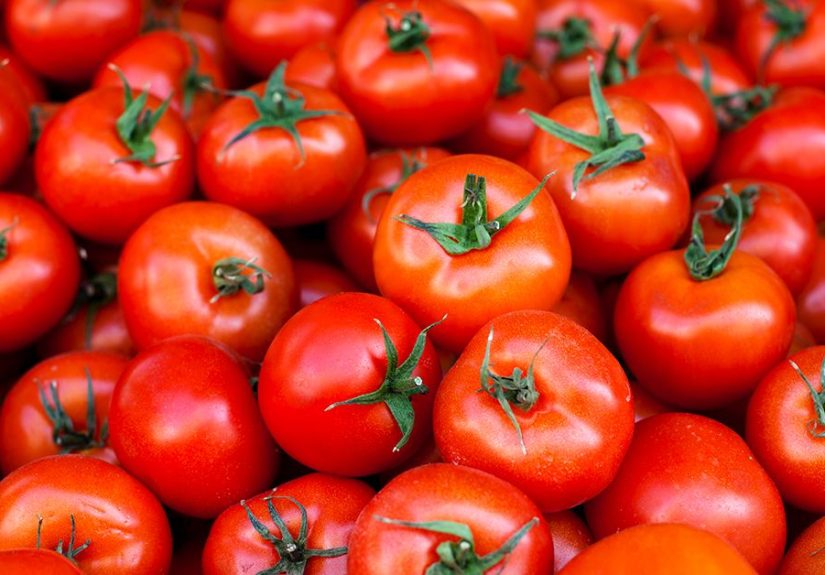
Tomatoes are low in calories, naturally hydrating, rich in vitamin C, and famous for lycopene, the red plant pigment that gives ripe tomatoes their bright color. They also provide potassium, folate, vitamin K, fiber, beta-carotene, lutein, and several antioxidant compounds that support everyday wellness. In other words, tomatoes are not just the cheerful red slices sitting politely on your sandwich. They are tiny nutrient packages wearing glossy skins.
This guide breaks down the nutrients in tomatoes, their most researched health benefits, the difference between raw and cooked tomatoes, possible downsides, and simple ways to eat more of them without turning every meal into spaghetti night.
What Are Tomatoes?
Botanically, tomatoes are fruits because they develop from the flower of the tomato plant and contain seeds. Culturally and culinarily, however, most people treat them like vegetables because they are savory, not sweet, and they fit comfortably into salads, sauces, soups, stews, sandwiches, and roasted dishes. This identity crisis has not hurt their popularity. If anything, it has made tomatoes more interesting at dinner parties.
The common tomato, Solanum lycopersicum, belongs to the nightshade family, along with peppers, eggplants, and potatoes. Tomatoes come in many varieties, including cherry, grape, Roma, beefsteak, heirloom, vine-ripened, yellow, orange, green, and purple types. Their nutrient levels can vary slightly by variety, ripeness, growing conditions, and preparation method, but most tomatoes share the same basic nutritional strengths: high water content, low calories, and a useful mix of vitamins, minerals, and antioxidants.
Tomato Nutrition Facts: What Is Inside One Tomato?
A raw, ripe red tomato is mostly water, which explains why it tastes so refreshing and why it can rescue a dry sandwich from emotional collapse. Per 100 grams, raw tomatoes provide roughly 18 calories, about 3.9 grams of carbohydrates, 1.2 grams of fiber, less than 1 gram of protein, and very little fat. They are also naturally low in sodium and contain no cholesterol.
Key nutrients in tomatoes include:
- Vitamin C: Supports immune function, collagen formation, wound healing, and antioxidant protection.
- Potassium: Helps regulate fluid balance, muscle function, nerve signals, and blood pressure support.
- Vitamin K: Plays a role in normal blood clotting and bone-related processes.
- Folate: Supports cell growth and is especially important during periods of rapid development.
- Fiber: Helps digestion, fullness, and healthy bowel habits.
- Lycopene: A carotenoid antioxidant strongly associated with tomatoes and tomato products.
- Beta-carotene: A plant pigment the body can convert into vitamin A.
- Lutein and zeaxanthin: Carotenoids that help support eye health.
Tomatoes are not the highest source of any single nutrient when compared with some leafy greens, beans, or citrus fruits, but their advantage is convenience. They are affordable, widely available, easy to prepare, and simple to add to meals. Nutrition does not have to arrive wearing a lab coat. Sometimes it arrives as salsa.
Why Lycopene Makes Tomatoes Special
Lycopene is the nutrient most often linked with tomato health benefits. It is a carotenoid, meaning it is part of a family of plant pigments that gives foods red, orange, and yellow colors. Lycopene acts as an antioxidant, helping protect cells from oxidative stress caused by unstable molecules known as free radicals.
Research on lycopene has explored possible connections with heart health, prostate health, skin protection, inflammation, and overall chronic disease risk. It is important to be realistic: tomatoes are not medicine, and eating one tomato will not cancel out a lifestyle built on stress, sleep deprivation, and fries. However, regularly eating tomatoes as part of a balanced diet may contribute to better long-term health patterns.
Raw vs. cooked tomatoes: which is better?
Both raw and cooked tomatoes are valuable, but they shine in different ways. Raw tomatoes preserve more vitamin C, which can be reduced by heat. Cooked tomatoes, on the other hand, often provide lycopene in a form that is easier for the body to absorb. Tomato sauce, tomato paste, stewed tomatoes, and roasted tomatoes can be especially rich in available lycopene because cooking breaks down plant cell walls and concentrates the tomato solids.
Pairing tomatoes with a little healthy fat, such as olive oil, avocado, nuts, or seeds, can also help the body absorb fat-soluble carotenoids like lycopene and beta-carotene. This is excellent news for anyone who already believed olive oil and tomatoes were meant to be together. Science has entered the chat and agrees.
Top Health Benefits of Tomatoes
1. Tomatoes Support Heart Health
Tomatoes support heart health in several ways. First, they provide potassium, a mineral that helps the body balance sodium and supports healthy blood pressure. Diets rich in fruits and vegetables are consistently associated with better cardiovascular health, and tomatoes fit neatly into that pattern.
Second, lycopene and other antioxidants in tomatoes may help protect LDL cholesterol from oxidative damage, a process linked with plaque buildup in arteries. Some studies also suggest tomato products may help improve blood vessel function and cholesterol markers. The strongest message is not that tomatoes alone prevent heart disease, but that they are a smart addition to a heart-friendly diet that includes vegetables, fruits, whole grains, legumes, nuts, lean proteins, and healthy fats.
2. Tomatoes May Help Lower Blood Pressure
Because tomatoes contain potassium and are naturally low in sodium, they can be useful in a blood-pressure-conscious eating pattern. Potassium helps relax blood vessel walls and supports the body’s ability to process sodium. This does not mean you should drown tomato slices in salt and call it a wellness strategy. The benefit is strongest when tomatoes are eaten in meals that are generally lower in sodium and rich in whole foods.
One practical tip: choose no-salt-added canned tomatoes, tomato sauce, or tomato paste when possible. Many processed tomato products can be surprisingly high in sodium. The tomato itself is innocent; the salt shaker often has a more dramatic personality.
3. Tomatoes Provide Antioxidant Protection
Tomatoes contain several antioxidants, including lycopene, vitamin C, beta-carotene, lutein, zeaxanthin, and various polyphenols. Antioxidants help reduce oxidative stress, which is involved in aging and many chronic disease processes. While antioxidant supplements often make louder promises than whole foods, tomatoes offer antioxidants in a natural food matrix along with water, fiber, and complementary nutrients.
This is one reason nutrition experts often recommend eating colorful plants rather than relying only on isolated nutrients. A ripe tomato is not just lycopene in a red costume. It is a combination of compounds working together in ways researchers are still studying.
4. Tomatoes Support Skin Health
Vitamin C helps the body make collagen, a structural protein important for skin, blood vessels, cartilage, and connective tissue. Tomatoes also contain carotenoids that may help protect the skin from oxidative stress related to sun exposure. This does not replace sunscreen. Please do not rub marinara on your face and walk proudly into the noon sun. But as part of a balanced diet, tomatoes may contribute to healthy skin from the inside.
Cooked tomato products with a little fat may be especially useful for increasing lycopene absorption. A simple meal like whole-grain pasta with tomato sauce and olive oil can be more than comfort food; it can be a practical way to include beneficial carotenoids.
5. Tomatoes May Support Eye Health
Tomatoes contain beta-carotene, lutein, and zeaxanthin, nutrients associated with eye health. Beta-carotene can be converted into vitamin A, which supports normal vision. Lutein and zeaxanthin are carotenoids found in the retina, where they help filter light and support visual function.
Tomatoes are not as concentrated in lutein and zeaxanthin as some leafy greens, but they still contribute to a colorful, eye-friendly diet. Combine tomatoes with spinach, kale, eggs, corn, or orange peppers, and your plate starts looking like it has a degree in nutrition.
6. Tomatoes Help Digestion
Tomatoes contain both water and fiber, a useful combination for digestion. Fiber adds bulk to stool and supports regular bowel movements, while water helps keep things moving. A medium tomato provides a modest amount of fiber, so tomatoes are best viewed as one helpful part of a higher-fiber diet rather than a complete digestive solution.
For more digestive support, pair tomatoes with beans, lentils, whole grains, vegetables, seeds, and fruit. A tomato and white bean salad, lentil soup with tomatoes, or whole-grain toast with avocado and tomato can make your digestive system feel like someone finally read the instruction manual.
7. Tomatoes Can Support Weight Management
Tomatoes are low in calories and high in water, which makes them useful for adding volume, color, and flavor to meals. Foods with high water content can help meals feel more satisfying without adding many calories. This is one reason vegetables and fruits are often recommended in healthy weight-management plans.
Tomatoes are also flexible. Add cherry tomatoes to lunch boxes, layer tomato slices onto sandwiches, stir canned tomatoes into soups, or spoon salsa over eggs, beans, or grilled chicken. They bring brightness and acidity, making meals taste more complete without relying heavily on creamy sauces or excess salt.
8. Tomatoes May Support Healthy Blood Sugar Patterns
Tomatoes are relatively low in carbohydrates and contain fiber, making them a friendly choice for many people watching blood sugar. They are not a major source of sugar, and their fiber and water content help slow the eating experience. Tomato-based meals can also be built around protein and healthy fats, such as eggs with tomatoes, chickpea tomato stew, or salmon with roasted tomatoes.
The key is the full meal. A tomato salad is very different from a giant plate of refined pasta with sugary tomato sauce. Tomatoes help most when they are part of a balanced plate rather than hidden under a mountain of low-nutrient extras.
Fresh, Canned, Cooked, or Dried: Which Tomato Form Is Best?
The best tomato is the one that fits your meal and helps you eat more nutrient-rich foods consistently. Fresh tomatoes are excellent for salads, sandwiches, salsas, and snacks. Canned tomatoes are convenient, affordable, and often harvested at peak ripeness. Cooked tomatoes can offer more bioavailable lycopene. Tomato paste is concentrated and powerful, delivering deep flavor and a strong lycopene boost in small amounts.
Sun-dried tomatoes are flavorful and nutrient-dense, but they can be higher in calories and sodium, especially when packed in oil or heavily salted. Ketchup and some commercial sauces may contain added sugar and sodium, so they are better treated as condiments rather than main tomato servings.
Smart tomato choices:
- Use fresh tomatoes when you want hydration, crunch, and vitamin C.
- Use cooked tomatoes when you want more available lycopene.
- Choose no-salt-added canned tomatoes for heart-friendly cooking.
- Add olive oil or avocado to improve carotenoid absorption.
- Check labels on sauces for sodium and added sugar.
Are Tomatoes Safe for Everyone?
For most people, tomatoes are safe, nutritious, and easy to include in a healthy diet. However, they may cause symptoms for some individuals. Tomato-based foods can trigger heartburn or reflux in people with gastroesophageal reflux disease because they are acidic. The effect varies from person to person, so keeping a simple food-and-symptom journal may help identify whether tomatoes are a true trigger.
Tomato allergy is uncommon but possible. Symptoms may include itching, swelling, hives, digestive discomfort, or breathing problems. Anyone with serious allergic symptoms should seek medical care. People taking medications affected by vitamin K, such as warfarin, should also keep their intake of vitamin K-containing foods consistent and follow medical guidance, although tomatoes are not among the highest vitamin K foods.
Some people avoid nightshade vegetables because they believe they worsen inflammation. Evidence does not support a blanket rule that everyone should avoid tomatoes. If you personally notice symptoms after eating tomatoes, it makes sense to discuss it with a healthcare professional or registered dietitian. Otherwise, there is no need to treat tomatoes like tiny red villains.
Easy Ways to Eat More Tomatoes
Tomatoes are one of the easiest healthy foods to add to everyday meals. They require very little culinary courage. If you can slice, stir, roast, or open a can, you can use tomatoes.
Simple tomato meal ideas:
- Breakfast: Add diced tomatoes to scrambled eggs, omelets, breakfast tacos, or avocado toast.
- Lunch: Use tomato slices in turkey sandwiches, grain bowls, wraps, or Mediterranean salads.
- Dinner: Simmer canned tomatoes with beans, lentils, fish, chicken, tofu, or vegetables.
- Snacks: Pair cherry tomatoes with hummus, mozzarella, cottage cheese, or whole-grain crackers.
- Sauces: Make a quick tomato sauce with garlic, olive oil, herbs, and no-salt-added crushed tomatoes.
For maximum flavor, store fresh tomatoes at room temperature until ripe. Refrigeration can dull their flavor and texture, although very ripe tomatoes can be refrigerated briefly to slow spoilage. Let chilled tomatoes come back toward room temperature before eating for better taste.
Practical Experiences With Tomatoes: What Real-Life Eating Teaches You
One of the best things about tomatoes is that they make healthy eating feel less like a project. Many nutritious foods require planning, soaking, marinating, or at least a motivational speech. Tomatoes are different. You can rinse a handful of cherry tomatoes and instantly upgrade a meal that was previously beige and emotionally questionable.
A common experience is discovering that tomatoes make simple food taste finished. A plain egg sandwich becomes brighter with two tomato slices. A bowl of beans becomes fresher with diced tomato, onion, lime, and cilantro. Leftover rice becomes dinner when cooked with canned tomatoes, garlic, peppers, and a protein. Tomatoes bring acidity, juiciness, color, and a little natural sweetness. That combination helps reduce the need for heavy sauces or too much salt.
Another useful lesson is that different tomatoes behave differently. Cherry and grape tomatoes are sweet, snackable, and reliable even outside peak season. Roma tomatoes are firmer and excellent for sauces. Beefsteak tomatoes are dramatic sandwich royalty, but only when ripe; an underripe beefsteak tomato can taste like wet cardboard with ambition. Heirloom tomatoes are often flavorful and beautiful, though they can be expensive and delicate. Canned tomatoes are the dependable pantry friend who shows up when fresh tomatoes are out of season.
Many home cooks also learn that cooked tomatoes are a secret weapon. A spoonful of tomato paste browned in olive oil can add depth to soups, chili, stews, and sauces. Roasting tomatoes concentrates their sweetness and turns ordinary pasta, eggs, or fish into something that tastes restaurant-level without restaurant-level stress. Tomato sauce can also carry other healthy ingredients. Finely chopped mushrooms, carrots, lentils, spinach, zucchini, or beans can disappear into a tomato base, which is convenient for picky eaters or anyone trying to increase vegetable intake without turning dinner into a negotiation.
There are also practical caution lessons. People with reflux often discover that tomato sauce at night can be a poor life choice, especially when paired with spicy food, large portions, or lying down too soon after eating. Others find that raw tomatoes are fine, but concentrated tomato paste or acidic sauces are more likely to trigger symptoms. In that case, smaller portions, lower-acid varieties, adding vegetables, or eating tomato dishes earlier in the day may help.
The most useful real-world strategy is variety. Eat tomatoes raw when they are ripe and flavorful. Use canned tomatoes when convenience matters. Cook tomatoes with olive oil when you want lycopene-rich comfort food. Add them to meals you already enjoy instead of forcing yourself into a “perfect” diet. A healthy eating pattern is built through repeatable habits, not one heroic salad followed by three weeks of nutritional chaos.
Conclusion: Tomatoes Deserve Their Healthy Reputation
Tomatoes are colorful, affordable, versatile, and genuinely nutritious. They provide vitamin C, potassium, fiber, folate, vitamin K, water, and a standout antioxidant called lycopene. Their benefits are most meaningful when they are part of a balanced diet rich in vegetables, fruits, whole grains, legumes, lean proteins, and healthy fats.
Raw tomatoes offer freshness and vitamin C. Cooked tomatoes provide more available lycopene. Canned tomatoes make healthy cooking easier. Tomato paste adds deep flavor with concentrated nutrients. Whether you prefer salsa, salad, roasted tomatoes, tomato soup, or a slow-simmered sauce, there is a place for tomatoes in a smart eating routine.
They are not magic. They will not single-handedly prevent disease, erase stress, or make a sad desk lunch emotionally fulfilling. But they can make meals healthier, brighter, and more satisfying with very little effort. For a food that cannot even decide whether it is a fruit or vegetable, that is pretty impressive.