Table of Contents >> Show >> Hide
- Why Trader Joe’s Poinsettias Are Such a Holiday Hit
- First, Know What You’re Actually Looking At
- How to Bring It Home Without Accidentally Ruining It in the Parking Lot
- The Light Trick That Keeps Poinsettias Looking Expensive
- Watering: The Place Most Poinsettias Go to Die
- Temperature: Keep It Cozy, Not Tropical-Sauna Weird
- Does Humidity Matter? Annoyingly, Yes
- Should You Fertilize a Poinsettia in Winter?
- How Long Will a Trader Joe’s Poinsettia Last?
- Can You Keep It Alive for Next Year?
- Are Poinsettias Toxic to Kids or Pets?
- Common Poinsettia Mistakes to Avoid
- What Thriving All Winter Actually Looks Like
- Real-Life Winter Experiences With Trader Joe’s Poinsettias
- Final Thoughts
- SEO Tags
There are a few unmistakable signs that the holiday season has officially clocked in: twinkle lights start appearing on porches, peppermint suddenly invades every snack aisle, and Trader Joe’s rolls out its poinsettias like they’re the floral equivalent of a drumroll. And honestly? Fair. A good poinsettia makes a room look instantly festive, even if the rest of your decorating strategy is just “I put a candle near a bowl of clementines and hoped for the best.”
Trader Joe’s has become a favorite stop for seasonal plants because the selection usually feels cheerful, affordable, and just a little dangerous to anyone who lacks self-control around “limited time” signs. Recent holiday offerings have included poinsettias in multiple sizes and colors, from classic red to softer tones and assorted varieties. That makes them easy to scoop up for mantels, dining tables, entryways, or as a host gift that looks far more expensive than it is. But bringing one home is the easy part. Keeping it alive through winter? That is where the real plot twist begins.
The good news is that poinsettia care is not complicated. The bad news is that poinsettias are dramatic in the way many beautiful things are dramatic. They do not enjoy cold drafts, soggy roots, blasting heat, or random neglect followed by a panic soak. Give them the right balance of light, warmth, moisture, and drainage, though, and they can stay colorful well beyond the holidays. In some homes, they can even hang on until spring and, with enough patience, rebloom the following year.
Why Trader Joe’s Poinsettias Are Such a Holiday Hit
Poinsettias are popular for one very simple reason: they do the most. Their bright color turns even the gloomiest winter corner into something merry. Trader Joe’s adds to the appeal by making them easy to grab during a grocery run, which is dangerous because nobody intends to buy “just one festive plant” while reaching for soup dumplings and dark chocolate peanut butter cups.
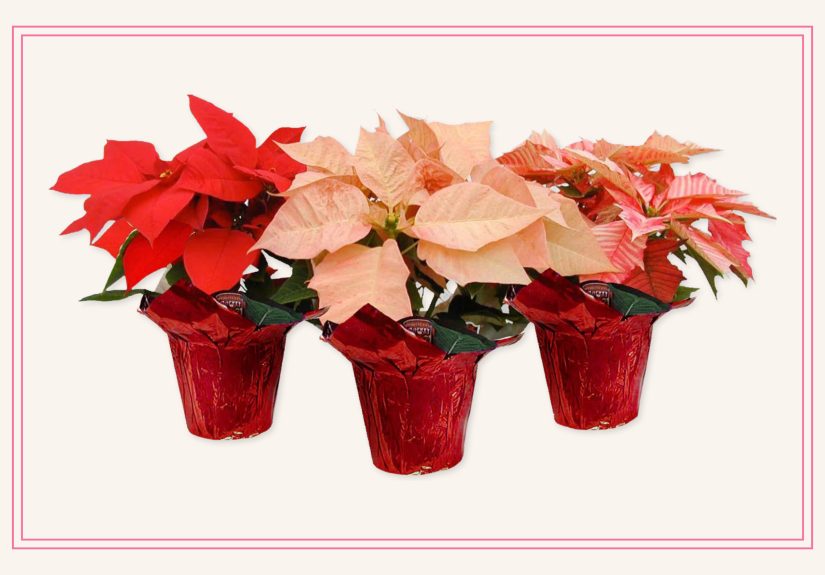
They also work with nearly every decorating style. Traditional red poinsettias look classic and warm. White or cream varieties feel elegant and a little more minimalist. Pink or blush selections bring a softer, playful vibe that works beautifully in modern interiors. Mini poinsettias can dress up a tablescape, while medium and large plants make an instant centerpiece. In other words, they are one of the rare seasonal plants that can fit into farmhouse, glam, cottage, modern, and “my house is mostly throw blankets” design schemes without a fight.
First, Know What You’re Actually Looking At
Here is a fun little botanical plot twist: the showy colored parts of a poinsettia are not actually flowers. They are modified leaves called bracts. The true flowers are the tiny yellow-green structures clustered in the center. This matters because those little central flowers tell you a lot about how fresh the plant is.
When shopping, choose a poinsettia with rich color, dark green leaves, and full foliage all the way down the stems. The center flowers should look tight and fairly fresh, not heavily coated in yellow pollen. A plant already shedding pollen is further along in its blooming cycle and may not hold its display as long. Also skip anything with broken stems, curled leaves, pest damage, dry soil, or a sad, sparse lower half. That poinsettia is already waving a tiny holiday distress flag.
Quick buying checklist
- Choose deep green foliage and vivid bracts.
- Look for unopened or barely opened center flowers.
- Avoid wilted, broken, or cold-damaged plants.
- Check under leaves for pests or webbing.
- Pick a plant with a balanced, bushy shape.
How to Bring It Home Without Accidentally Ruining It in the Parking Lot
Poinsettias are tropical plants native to Mexico, which means winter weather is very much not their thing. Even brief exposure to low temperatures can damage the leaves and bracts. Translation: do not carry your new plant through cold wind like it is somehow “building character.”
If it is chilly outside, ask for the plant to be sleeved or wrapped before heading to the car. Once inside the car, go straight home. Do not leave it sitting in an unheated vehicle while you make “one quick stop” that becomes twelve. At home, unwrap it promptly and place it in a bright, protected area. Also, do not let the leaves press against a freezing windowpane. That romantic winter-window look is for movies, not poinsettias.
The Light Trick That Keeps Poinsettias Looking Expensive
If you want your Trader Joe’s poinsettia to keep serving main-character energy all winter, light matters. These plants prefer bright, indirect light for at least six hours a day. An east-, south-, or west-facing window usually works well, as long as the sun is not so intense that it scorches the bracts.
Too little light leads to fading color and leaf drop. Too much harsh direct sun can stress the plant. So the sweet spot is a bright room with filtered daylight. If your poinsettia starts leaning like it is dramatically reaching for a spotlight, rotate the pot every few days so it grows evenly.
Best placement spots
- Near a bright east-facing window
- A few feet back from a sunny south-facing window
- On a well-lit dining table or console near natural light
- Away from exterior doors, fireplaces, space heaters, and HVAC vents
Watering: The Place Most Poinsettias Go to Die
If poinsettias had a dating profile, it would say: “Looking for consistency. No games. Absolutely no swamp conditions.” Overwatering is the most common mistake, but letting the plant bone-dry itself into a crisis is not great either.
The general rule is simple: water when the top inch of soil feels dry, or when the surface is dry to the touch and the pot feels lighter than usual. Then water thoroughly until excess runs out of the drainage hole. After that, let the pot drain completely. Do not let the plant sit in standing water.
This is especially important because many holiday poinsettias come wrapped in decorative foil or slipped into pretty cachepots. Those covers are festive, yes, but they are also excellent at trapping water and creating the kind of soggy root situation poinsettias absolutely hate. Remove the decorative cover before watering, or at least slide the plant out and make sure no water collects at the bottom.
Signs your watering routine needs help
- Yellow lower leaves: usually too much water
- Wilting with dry soil: not enough water
- Leaves dropping after staying wet: poor drainage or root stress
- Crispy edges: dry air, underwatering, or heat exposure
Temperature: Keep It Cozy, Not Tropical-Sauna Weird
Poinsettias do best in daytime temperatures around 65 to 70 degrees Fahrenheit, with slightly cooler nights. Many experts also note that temperatures dipping below 50 to 55 degrees can cause damage or stalled growth. That means your plant wants a cozy room, not a windowsill that feels like a meat locker after sunset.
Keep it away from cold drafts, frequently opened doors, radiators, heat vents, fireplaces, and appliances that pump out warmth. Sudden swings in temperature are one of the fastest ways to trigger leaf drop. If your plant looks fine one day and dramatically sulks the next, a draft is often the culprit.
Does Humidity Matter? Annoyingly, Yes
Winter indoor air can be dry enough to make people and plants equally unhappy. Poinsettias tend to look better when humidity is moderate rather than desert-level. If your home is very dry, you may notice bracts curling or leaves crisping faster than you would like.
You do not need to build a spa for your plant, but a few practical tricks help. Grouping houseplants together, running a humidifier nearby, or placing the pot on a pebble tray can improve the air around it. Just make sure the pot is not sitting directly in water. The goal is humidity, not root rot in a party hat.
Should You Fertilize a Poinsettia in Winter?
Usually, no. While poinsettias are active growers during the growing season, most university and gardening sources agree they do not need fertilizer while they are in holiday bloom. During winter, your priority is stable light, careful watering, and warm temperatures.
If you decide to keep the plant long term into spring and summer, that is when regular feeding can make sense. But during the holidays, skip the fertilizer. Your poinsettia is trying to look fabulous, not train for a marathon.
How Long Will a Trader Joe’s Poinsettia Last?
With good care, a healthy poinsettia can stay attractive for several weeks, often through Christmas, New Year’s, and sometimes well beyond. Some well-chosen plants hold their color for six weeks or more. Others can last two to three months in decent indoor conditions. The exact timeline depends on how fresh the plant was when you bought it and whether your home environment is kind or chaotic.
If your poinsettia starts losing leaves in early spring, that does not always mean you failed. It may simply be entering a rest period. Poinsettias are not just disposable decor. They are living tropical shrubs with a seasonal rhythm. Sometimes they look glamorous. Sometimes they look like they need a nap.
Can You Keep It Alive for Next Year?
Yes, technically. Also yes, it takes commitment. If you enjoy a gardening challenge, you can carry a poinsettia through spring and summer, prune it back, repot it, and then trigger color again by giving it long periods of uninterrupted darkness in fall. Most reblooming plans call for about 14 hours of darkness each night for seven to eight weeks starting in late September or early October.
That means no lamp light, no hallway glow, no “I just opened the closet for a second.” Poinsettias are oddly strict about their beauty sleep. If this sounds like too much work, there is no shame in composting the plant after the season and starting fresh next year. Not every holiday tradition needs a side quest.
Are Poinsettias Toxic to Kids or Pets?
Poinsettias have a dramatic reputation, but the reality is less scary than the myth. They are not considered deadly if nibbled. However, the milky sap can irritate the mouth, skin, and stomach, and it may cause vomiting or rash-like irritation in pets or sensitive people. So while the plant is not the holiday supervillain it was once made out to be, it still belongs out of reach of curious kids and snack-motivated pets.
If your dog, cat, or child chews on it and seems uncomfortable, contact a veterinarian, poison center, or your healthcare professional for guidance. In short: not a lethal menace, but also not a salad.
Common Poinsettia Mistakes to Avoid
- Buying a plant with damaged leaves or heavy pollen shed
- Letting it sit in a freezing car
- Placing it next to a drafty door or heater
- Watering on a schedule instead of checking the soil
- Leaving water trapped in foil or decorative covers
- Trying to fertilize it into submission during winter
- Assuming the bright red parts are flowers and ignoring the center buds when shopping
What Thriving All Winter Actually Looks Like
A thriving poinsettia is not necessarily one that looks identical from November through March. Real success looks more like this: the bracts stay colorful through the main holiday season, the leaves remain mostly full and green, the stems stay sturdy, and the plant avoids dramatic wilt-and-drop episodes. You may need to tweak placement, rotate the pot, or adjust watering as indoor conditions shift. That is normal.
In other words, thriving all winter does not mean perfection. It means your plant continues looking healthy, festive, and alive instead of becoming a leafless cautionary tale by December 19.
Real-Life Winter Experiences With Trader Joe’s Poinsettias
For many shoppers, the experience of bringing home a Trader Joe’s poinsettia starts with pure confidence. You spot a bright, cheerful plant near the registers, toss it into your cart, and immediately imagine yourself as the kind of person who always has fresh greenery and somehow remembers to mail holiday cards on time. Once it is home, the poinsettia usually looks fantastic right away. It brightens the kitchen counter, makes the entry table feel finished, and somehow improves the entire room’s attitude with almost no effort.
Then winter real life begins. A lot of people discover that the plant is perfectly happy for the first week, then suddenly starts dropping a leaf or two after a cold draft from the front door, a blast from a heating vent, or one enthusiastic overwatering session. That moment tends to send new poinsettia owners into a mild panic. They assume the plant is doomed, when really it is often just responding to stress. Once the plant gets moved to a steadier location and the watering routine calms down, it usually settles.
Another common experience is realizing that decorative foil is both cute and suspicious. Many people water the plant right in the wrapper, only to find that the bottom stays soggy for days. After that, they either remove the foil entirely or slide the plant out when watering, and suddenly the poinsettia starts behaving like a much easier houseguest. This is the kind of tiny care adjustment that feels almost insulting in hindsight. Like, that was the issue? Really? Yes. Really.
Some Trader Joe’s shoppers also find that poinsettias become accidental gateway plants. They buy one red plant for the dining table, then go back for a mini one for the bathroom, then a blush or cream variety for the console table because “it looked lonely in the store.” Before long, the house looks festive in a way that seems effortless, even though it was actually powered by impulse control failure and a reusable grocery bag.
Perhaps the most relatable winter experience is this: people expect a poinsettia to either survive heroically forever or collapse instantly, when the truth is more ordinary. A healthy plant can look wonderful for weeks with very basic care, and if it starts to decline later in the season, that does not mean you did everything wrong. It may simply be reaching the end of its peak display. For many households, that takes the pressure off. You can enjoy the plant fully without treating every yellow leaf like a personal betrayal.
And for the ambitious few who keep theirs into spring, the experience becomes less about holiday decor and more about plant parenting. The poinsettia loses some glamour, gets pruned back, maybe looks a little awkward for a while, and then slowly becomes a genuine long-term houseplant project. That journey is not for everyone, but it does give the plant a second identity. It stops being just a seasonal impulse buy and turns into proof that winter decor can have staying power when you meet it halfway.
Final Thoughts
Trader Joe’s poinsettias are popular for a reason: they are affordable, festive, and capable of making your home look instantly more polished. The secret to keeping them thriving all winter is not complicated. Start with a healthy plant, protect it from cold on the trip home, give it bright indirect light, water only when the soil starts to dry, and never let it sit in trapped water. Keep temperatures steady, skip the fertilizer during bloom, and avoid turning the plant into a draft detector.
Do that, and your poinsettia has an excellent chance of staying bright and beautiful long after the holiday cookies are gone. Which, frankly, is more than can be said for most seasonal purchases.