Table of Contents >> Show >> Hide
Train movies have been chugging through film history for so long that they practically helped invent the language of cinema. Put a locomotive on screen and you instantly get movement, rhythm, danger, class tension, strange encounters, and the delicious possibility that someone in the next car is lying through their very polished teeth. A train is not just transportation in movies. It is a plot machine with windows.
That is why train movies remain such a durable category. Whether the story is a silent-era stunt spectacular, a mystery in formal wear, a runaway thriller, a subway hostage drama, or a comedy fueled by bad luck and worse timing, the railway setting does a ridiculous amount of heavy lifting. It compresses strangers into one moving tube, gives the story a clock, and turns every stop, tunnel, and crossing into a chance for trouble. In screenwriting terms, it is basically cheating. Wonderful, elegant cheating.
This guide explores why movies set on trains keep working, what separates a great rail story from a forgettable one, and which examples best show the range of the form. From The Great Train Robbery and The General to Strangers on a Train, The Taking of Pelham One Two Three, Unstoppable, and Bullet Train, train cinema keeps proving that the tracks may be fixed, but the storytelling possibilities are not.
Why Train Movies Never Run Out of Steam
The first reason is visual. Trains are naturally cinematic. They cut through landscapes with built-in forward motion, which means even a quiet conversation can feel charged. A hallway in a house is just a hallway. A corridor in a train car feels like a fuse.
The second reason is structure. A train gives filmmakers boundaries without making the story feel small. There are compartments, dining cars, platforms, tunnels, conductors, timetables, and the endless pressure of the next stop. That combination creates a sweet spot for storytellers: the world is limited enough to control, but large enough to hide secrets. In other words, it is perfect for suspense, comedy, romance, and that special genre where everybody looks calm while internally screaming.
The third reason is symbolism. Railroads carry a lot of cultural baggage, and that is not a complaint. Trains can suggest industrial progress, class division, migration, labor, war, escape, modernity, nostalgia, or fate. In some films, the train is freedom. In others, it is a steel trap with upholstery. In the best railroad movies, it is both at once.
That symbolic flexibility is one reason train cinema stretches so easily across genres. A locomotive can be heroic in one film, haunted in the next, and weirdly funny right after that. Few settings can move so smoothly from Buster Keaton-level physical comedy to Hitchcockian dread without even changing tracks.
What Makes a Great Train Movie?
1. A Sense of Motion Beyond Speed
Great train films are not only about velocity. They are about momentum. Even slower stories feel like they are going somewhere emotionally. The Darjeeling Limited turns a rail journey into a moving therapy session for three damaged brothers. Mystery Train uses connected stories and a railroad atmosphere to make coincidence feel almost spiritual. The train is not just transport; it becomes the shape of the movie itself.
2. Tight Spaces That Increase Pressure
Confined settings make behavior more revealing. On a train, people cannot easily drift away from conflict. They can move one car over, sure, but the story knows where they are. That is why train thrillers work so well. In Strangers on a Train, the meeting itself feels fated because the setting removes ordinary social distance. In The Taking of Pelham One Two Three, the subway environment amplifies panic, procedure, and urban absurdity all at once.
3. A Good Use of Social Mixing
One of the classic pleasures of train movies is the accidental ensemble. On a train, rich passengers, broke passengers, professionals, drifters, romantics, crooks, and exhausted workers can all end up sharing the same moving world. Shanghai Express thrives on precisely that mix. Bullet Train turns it into a hyperactive joke machine. The finest films understand that trains are not just machinery. They are temporary societies.
4. A Meaningful Relationship to Time
Every train movie needs a clock, whether literal or emotional. Maybe the train cannot stop. Maybe it must be intercepted. Maybe a passenger has only one journey in which to say the thing they should have said years ago. The railway format gives stories urgency for free, but great filmmakers do more than borrow that urgency. They turn it into theme.
The Best Kinds of Train Movies
Silent Classics and Early Rail Adventures
If you want to see why trains matter to film history, start early. The Great Train Robbery helped establish action storytelling in American cinema and remains one of the foundational titles in the broader tradition of classic train films. It is proof that audiences have loved locomotives, outlaws, and cinematic motion since the medium was still figuring itself out.
Then there is The General, which treats the train like both co-star and stunt platform. Buster Keaton understood that locomotives were visually magnificent and physically funny. The result is one of the greatest action comedies ever made, and still one of the clearest demonstrations that machines on screen can have personality. In this case, the personality is “heroic with a side of chaos.”
Glamorous and Suspenseful Golden Age Journeys
Train movies matured beautifully in the studio era. Shanghai Express wraps romance, danger, and moral ambiguity inside a moving world of shadows and scandal. It shows how the train setting can become an entire social universe, where every glance matters and every compartment may contain either heartbreak or trouble. Sometimes both. Efficient filmmaking really is a marvel.
Strangers on a Train takes that same closed environment and weaponizes it. Hitchcock knew that a train is the ideal place for an apparently casual conversation to go horribly, memorably wrong. The film remains essential because it understands something fundamental about movies set on trains: once strangers are put on a shared path, coincidence begins to feel like destiny.
War, Labor, and the Weight of History
Some train films use the railway not as a glamorous backdrop but as a route through history. The Train is a standout example, turning a World War II mission involving stolen art into a rugged, muscular suspense story. The locomotive is not decorative. It is the battleground.
Rail stories also carry the American memory of labor and movement. Films and documentaries tied to freight hopping, railroad expansion, and working life tap into something larger than genre entertainment. Even when a movie is fictional, trains often bring with them echoes of migration, industrial change, and the cost of progress. That gives the best railway cinema emotional depth under the mechanics.
Urban Subway Panic and Modern Train Thrillers
Subway films deserve their own platform. The Taking of Pelham One Two Three transforms New York’s transit system into a pressure cooker where city bureaucracy, criminal logic, and civic personality collide. It is funny, tense, grimy, and wonderfully specific. The subway is not merely a location. It is the film’s temperament.
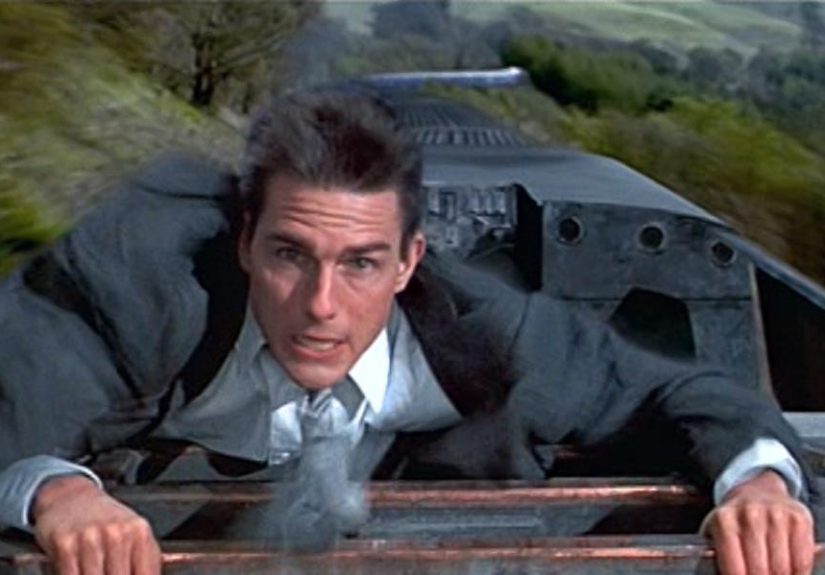
Runaway Train and Unstoppable take a different route by leaning into raw mechanical danger. These are not polite mysteries with silverware. These are steel-on-steel panic attacks. Unstoppable in particular works because it strips the premise to its most basic form: giant machine, bad situation, no easy fix, go. That simplicity is not a weakness. It is a rocket.
The Commuter shows how the format still adapts to modern paranoia, while Bullet Train proves that the train setting can also support a loud, neon, aggressively caffeinated action style. One film is a commuter nightmare. The other is what happens when a suitcase full of assassins gets dropped into a blender. Both understand the same basic truth: once the doors close, the story owns you.
Comedies, Character Studies, and Emotional Detours
Not every great train movie is a thriller. Planes, Trains and Automobiles uses travel misery to build one of the sharpest American comedies about frustration, loneliness, and unexpected friendship. It reminds viewers that transit stories often work best when they are really about human vulnerability in public.
Mystery Train is looser, cooler, and more meditative, showing that rail-centered storytelling can be soulful rather than frantic. The Darjeeling Limited pushes further into emotional comedy-drama, using the railway journey as a framework for grief, sibling rivalry, and the small humiliations that make growth possible. The train, as always, keeps everybody from escaping themselves too easily. Rude but effective.
Why Train Movies Work So Well for SEO Readers and Casual Viewers Alike
People searching for best train movies are often looking for more than a list. They want a mood. They want suspense, atmosphere, beautiful travel imagery, memorable characters, and the strange comfort of being trapped in a story that knows exactly where it is headed. Train films deliver that package with unusual reliability.
They also reward different kinds of audiences. Film history fans can trace the role of locomotives from early cinema to modern streaming releases. Thriller lovers can dive into hostage plots, runaway disasters, and murder mysteries. Comedy fans get travel chaos and social awkwardness. Viewers who want something more reflective can find train movies built around memory, grief, friendship, or transformation.
In other words, train movies are less a niche than a secret super-category hiding in plain sight. They overlap with action, noir, romance, war stories, comedy, art film, and even animation. Once you start looking, you realize the railway has been running through movie history the whole time.
How to Pick the Right Train Movie for Your Mood
If You Want Suspense
Start with Strangers on a Train, The Taking of Pelham One Two Three, Unstoppable, or The Commuter. These films make the most of confinement, urgency, and escalating pressure.
If You Want Classic Film Craft
Choose The General, Shanghai Express, or The Train. These titles show how train stories helped shape visual storytelling across decades.
If You Want Something Funny or Offbeat
Go with Planes, Trains and Automobiles, Mystery Train, or Bullet Train. Very different energies, same basic promise: the trip will not go according to plan.
If You Want Feeling, Not Just Plot
Watch The Darjeeling Limited or explore railroad-centered dramas like Train Dreams, where the train becomes a symbol of memory, labor, change, and the marks history leaves behind.
Experiences Related to Train Movies
Watching a great train movie feels different from watching a story set almost anywhere else. The experience begins with rhythm. Before the plot really settles in, there is already a pulse: wheels on tracks, stations passing by, the brief hush before a door opens, the tiny sway of a car in motion. That rhythm changes how a viewer reads the scene. Dialogue feels sharper. Silence feels heavier. Even a person walking down a narrow corridor can seem suspicious, lonely, or absurdly important. The train does that. It turns ordinary movement into dramatic movement.
There is also a special kind of intimacy in train cinema. Characters are close to one another in ways they would not normally choose. They overhear things. They misread glances. They notice shoes, luggage, accents, wedding rings, ticket stubs, and emotional damage packed with less care than the suitcase. As a viewer, you become part detective and part fellow passenger. You start scanning the frame the way people do in real transit spaces, wondering who is tired, who is hiding something, and who might snap if one more person blocks the aisle with a giant coat and a terrible attitude.
Train movies also create a strong emotional mix of control and helplessness. The tracks are fixed. The route exists. There is a timetable. That feels orderly. But once something goes wrong, the same order becomes terrifying. A delayed train is annoying in real life; in a movie, it can mean romance, disaster, revelation, or a body in the wrong compartment. Viewers feel that tension in their gut because the setting is both familiar and restrictive. You know the rules of the space, which means you immediately understand how dangerous it is when the rules fail.
Then there is the landscape effect. One of the great pleasures of movies set on trains is that they let the world slide by while the characters stay trapped with themselves. Cities, deserts, forests, industrial zones, snowy ridges, and anonymous platforms all pass outside the window, reminding you that the world is huge while the drama remains tightly enclosed. That contrast can make a movie feel epic and claustrophobic at the same time. Not bad for a few linked cars and a lot of steel.
For many viewers, train films also trigger memory. They recall childhood fascination with locomotives, family trips, holiday travel, old stations, delayed departures, or the simple thrill of looking out a window and wondering about the lives in all the towns you never entered. Even when the movie is violent or funny or deeply strange, that background nostalgia adds texture. A train movie often feels like motion plus memory.
And perhaps that is the deepest experience these films offer: the sense of being carried forward while still forced to look around. Great train cinema invites the viewer to notice people, spaces, timing, and emotional shifts with unusual intensity. It makes confinement feel expansive. It turns transit into story. It reminds us that every journey has a social world inside it and a symbolic one outside it. Also, and this is important, it makes dining cars seem far more glamorous than most of them probably are.
Final Thoughts
The enduring appeal of train movies comes down to one simple truth: the railway is one of cinema’s most reliable storytelling engines. It provides movement, pressure, visual elegance, social friction, and thematic depth all at once. That is why the form has lasted from silent classics to modern action spectacles and intimate character dramas.
The best train thrillers, classic train films, and railroad movies are never really just about transportation. They are about collision: between strangers, classes, desires, fears, schedules, and destinies. A train movie works when it understands that every carriage holds a story and every track suggests a choice that may already be too late to undo. Which, come to think of it, is probably why so many of them are impossible to stop once they get going.