Table of Contents >> Show >> Hide
If there were a crown for “Most Underrated Household Hero,” the humble tension rod would be giving duct tape a serious run for its money.
These adjustable, no-drill rods started life holding up shower curtains, but DIYers and Hometalk-style hackers quickly realized they’re
basically portable walls you can twist into place. From taming chaotic closets to dressing up your windows for the holidays, there are
dozens of creative uses for tension rods that can transform your home without holes, hardware, or drama from your landlord.
In this guide, we’ll walk through smart, real-world ways to use tension rods in every room of the house. You’ll see ideas inspired by
professional organizers and design sites, plus plenty of renter-friendly tricks. Think under-sink storage, pantry upgrades, plant displays,
seasonal decor, and even quick fixes for tiny bathrooms and awkward nooks. By the end, you’ll never look at that simple spring-loaded rod
the same way again.
Why Tension Rods Are Secret MVPs of Home Organization
Before we jump into specific tension rod hacks, it helps to know why these little rods are so versatile:
- No hardware, no holes: They rely on spring tension, so you don’t need screws, drills, or anchors.
- Adjustable length: One rod can fit multiple spaces as you twist to extend or shorten it.
- Budget-friendly: Basic rods are inexpensive, and you can often reuse the same rod in different spots over time.
- Renter-safe: When the lease is up, you just untwist, wipe the walls, and go.
- Lightweight but surprisingly strong: When used within their weight limits, they’re perfect for lightweight storage and decor.
With that in mind, let’s tour your home room by room and see where tension rods can quietly solve problems and create storage where none
seemed to exist.
Clever Storage Uses for Tension Rods
1. Under-Sink Cleaning Supply Bar
One of the most popular uses for tension rods is under the kitchen or bathroom sink. Pop a rod across the cabinet and hang spray bottles
by their triggers. Suddenly, the cabinet floor is freed up for bins, trash bags, or extra sponges instead of becoming a jumbled mess of
toppled cleaners.
Pro tip: Use a sturdy metal tension rod designed for closets or curtains, not the flimsiest version you can find. Keep the heaviest bottles
toward the center where the rod is strongest, and don’t overload it. If the rod bows more than a little, it’s time to lighten the load or
upgrade to a stronger model.
2. Drawer and Cabinet Dividers
Tension rods also make great improvised dividers. In deep kitchen drawers, place short rods vertically to corral cutting boards, sheet pans,
muffin tins, or freezer containers. In cabinets, line up a few rods side by side to keep lids or platters upright instead of sliding around
in a leaning tower of chaos.
For this hack, choose small-diameter rods that fit the depth of your drawer or cabinet. Install them snuglybut not so tight that you warp
the sidesso they stay in place when you open or close drawers.
3. Pantry and Snack-Station Storage
Tension rods are excellent helpers in the pantry, especially if you have narrow shelves or a lot of small items. Some smart ways to use them:
- Snack bar: Install a rod across part of the pantry and hang lightweight snack bags using binder clips or S-hooks.
- Gift-wrap station: In a tall pantry or closet, use a rod to hold rolls of wrapping paper vertically so they don’t crease or unroll.
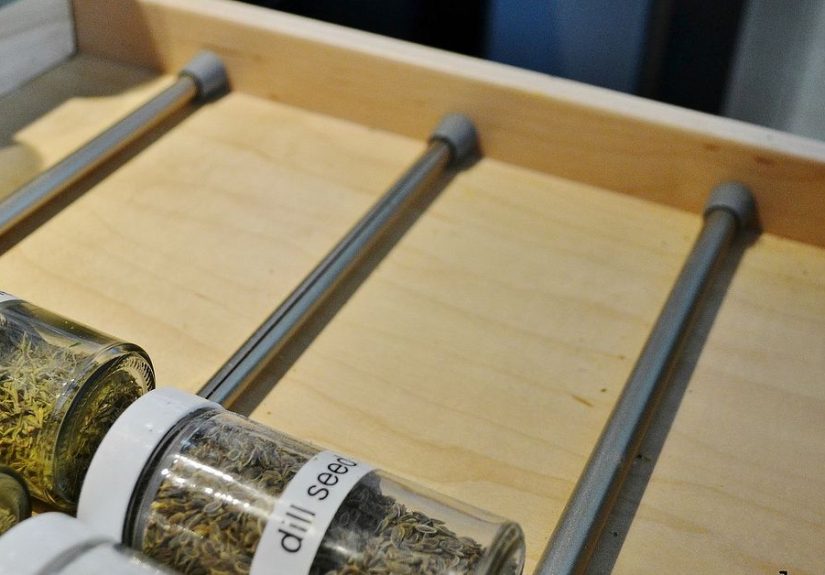
- Mini shelf: A short tension rod across a shelf can act as a low rail to keep small jars or spice containers from sliding off.
If you’re using a rod to support items (like wrapping paper or spices), test it with a few pieces first, then gradually add more. It’s better
to do two or three rods than to overload one and watch everything tumble out at 11 p.m. when you just wanted a snack.
4. Closet and Shoe Storage Hacks
Closet too small, wardrobe too big? Tension rods are your friend. Use them to:
- Double up hanging space: Place a rod below your existing closet rod to create a second tier for shorter items like shirts, blouses, and kids’ clothing.
- High-heel display: Secure rods a few inches away from the wall and hook heels over the rod so they’re easy to see.
- Scarf and accessory bar: Hang scarves, belts, ties, or hats from S-hooks attached to a rod along a closet wall or door frame.
In small entry or mudroom closets, a single tension rod can hold daily-use jackets and bags at a comfortable height. Add a second rod higher up
for off-season coats, or use it for hangers with baskets clipped on.
5. Laundry Room & Utility Space Helpers
Laundry rooms are naturally tension-rod-friendly spaces. Install a rod over the washer and dryer to air-dry delicate items or hang shirts
straight from the dryer to prevent wrinkles. If you don’t have wall space, mount a rod inside a closet or between two cabinets.
In utility rooms, rods can hold dusters, microfiber cloths, spray bottles, and even lightweight buckets. Add a second rod lower down for
cleaning rags and reusable mop pads so they dry quickly instead of sitting damp in a bin.
6. RVs, Dorm Rooms, and Rentals
Tension rods really shine in temporary or ultra-small spaces where every inch counts. In RVs and campers, people use them to hold small
curtains, create instant shelves inside cabinets, or keep pantry items from shifting while driving. In dorm rooms, a rod inside a wardrobe
or over a desk can hold a curtain, fairy lights, or a row of hanging organizers without damaging the walls.
When you’re in a rental or student housing, the magic factor is reversibility: you can install a tension rod, enjoy the extra function or
privacy for months, then take it down without leaving a trace.
Decorative Uses for Tension Rods
7. Holiday Garland and Seasonal Decor
One of the trendiest ways to use tension rods lately is for holiday decor, especially garlands in doorways, over windows, or across kitchen
openings. Instead of adding nails or command hooks, you plant a rod between two walls or inside a window frame, wrap it with garland, add
lights and ornaments, and then raise it into place.
This trick is ideal for renters, older homes with delicate trim, or anyone who doesn’t want to patch and paint just because they got a little
too excited about Christmas. Swap out the garland seasonallyspring greenery, fall leaves, mini flags, or even birthday bannersto keep the
look fresh all year.
8. Indoor Herb Gardens and Plant Hangers
Have a sunny window but no space for a full plant shelf? Use a sturdy closet-style tension rod to create a simple hanging garden. Place the
rod in the window frame, then hang small pots or planters using S-hooks or macramé hangers. It’s an easy way to grow herbs, trailing vines,
or small succulents without sacrificing countertop or sill space.
Just keep an eye on weight. Terracotta pots full of wet soil can be heavy. Consider lightweight plastic pots for this hack, and test the rod
by gradually adding plants instead of hanging everything at once.
9. Quick Privacy Curtains and Room Dividers
Tension rods can also stand in for traditional rods when you want a curtain but don’t want to drill. Use them:
- Inside a doorway to create a soft room divider or hide an open storage area.
- Across a nook to hide a washer and dryer, a craft zone, or a messy shelf.
- In front of open bookcases in a bedroom if you prefer a calmer, less cluttered look.
Lightweight fabrics work best herethink sheers, cotton curtains, or linen panels. In wider openings, look for “heavy-duty” tension rods that
explicitly mention being suitable for room-dividing panels or blackout curtains.
10. Art, Photos, and Kids’ Creations
Instead of taping art directly to the wall, hang a tension rod and use clips, binder rings, or mini clothespins to display photos, prints, or
kids’ masterpieces. This makes it easy to swap pieces in and out without repainting or peeling tape off the wall.
In a playroom or hallway, a simple rod-and-clips setup becomes a rotating gallery. Add a second rod lower down if you want a space that’s
kid-height so they can hang their own drawings and feel like mini curators.
How to Choose the Right Tension Rod
With so many uses for tension rods, choosing the right one matters. A few things to check before you click “add to cart”:
- Length range: Measure your space and pick a rod that fits comfortably within its adjustable range. For best grip, you want it somewhere in the middle of that range, not at the very shortest or very longest setting.
- Diameter and material: Thicker, metal rods are stronger and better for heavier curtains, plants, or multiple spray bottles. Smaller rods are great for drawers and lightweight pantry hacks.
- Weight rating: If the manufacturer lists a maximum load, obey it. If they don’t, assume it’s for lightweight use only.
- End caps: Rubber or silicone ends help protect walls and reduce slipping. They’re especially important on tile or glossy paint.
- Finish: For visible areas, choose a finish that complements your hardwarewhite, black, brushed nickel, or brass-toned rods can all look intentional instead of “temporary.”
Safety and When Not to Use Tension Rods
Tension rods are fantastic, but they aren’t magical. Skip them in situations where:
- You need to support heavy weight (like solid wood shelving or multiple large plants).
- The walls are highly textured or crumbly, which can prevent the ends from gripping well.
- The span is very wide and the rod visibly bows even with light items.
When in doubt, think of tension rods as helpers for lightweight storage, decor, and organizationnot structural supports.
If something looks unstable or the rod slides with a gentle tug, reconfigure or upgrade to a mounted solution with anchors and screws.
Real-Life Experiences: What You Learn After Living with Tension Rods
After you’ve used tension rods around your home for a while, you start to pick up some practical lessons that don’t always make it into
the product description. Consider this the “been there, learned that” sectionextra tips and experiences that can help you get better results.
Lesson 1: Tightening Correctly Matters More Than You Think
One of the most common complaints people have is, “My tension rod keeps falling down.” Most of the time, it’s not the rodit’s the way
it was installed. You want the rod long enough that you have to compress it slightly to fit it into place. If you slide it in loosely
and then twist a couple of times, it will feel tight but won’t have enough real tension to stay up under weight.
A useful trick is to extend the rod a little longer than the opening, compress it into place at a slight angle, then straighten it and
release. After that, give it a few final twists to “lock” it in. When properly installed, the rod should be hard to move with just your hand.
Lesson 2: Surfaces Make a Huge Difference
Another thing you quickly notice is that not all surfaces are equal. Smooth tile, high-gloss paint, and glass offer less grip.
In those spots, rods with grippy rubber ends are a must. If the ends are plastic and slippery, you can sometimes improve traction by
adding small silicone pads or even a strip of removable, non-damaging tape under each end.
In older homes with slightly uneven walls, you might need to experiment with placement. Moving the rod an inch or two up or down can
land you on a flatter section of wall and instantly make the setup more secure.
Lesson 3: Lighten the Load (and Respect the Bow)
That slight bow you see in the middle of an overloaded rod is your early warning system. A little curve under weight is normal.
A dramatic sag means you’re testing the laws of physicsand gravity will win eventually. When you see a noticeable bow, spread the
weight more evenly, remove a few items, or switch to a stronger rod.
People often run into this with plant hangers, heavy curtains, or too many spray bottles under the sink. It’s tempting to use the rod
like a fixed bar, but remember that it’s only held in place by friction. If you treat it gently and keep the load reasonable, it can last
for years.
Lesson 4: Tension Rods Are Addictive (in a Good Way)
Once you’ve successfully used a tension rod to solve one annoying problem, you start seeing potential tension rod spots everywhere.
That awkward gap above the bathroom door? Add a rod and use it for extra towel storage. The weird side space in your pantry?
A short rod can hold baking sheets, cutting boards, or reusable shopping bags. The open space under a bench or console table?
A rod and a simple curtain can hide shoes, seasonal decor, or kids’ toys.
A lot of DIYers keep a small stash of rods in a closet just for this reason. Whenever a new organizing or decor challenge pops up,
a tension rod is one of the first tools they reach for because it’s low-risk and easy to undo if the idea doesn’t work out.
Lesson 5: They’re Perfect for Testing Layouts Before Committing
Another underrated benefit: tension rods act like a “dress rehearsal” for more permanent solutions. Say you’re thinking about adding
a real rod and brackets for a room divider curtain, but you’re not sure about the exact height or width. Put up a tension rod first and
live with it for a week. Adjust height and placement until you like how it looks and feels, then you can install permanent hardware with
confidence.
The same idea applies to storage. Use tension rods to test where a drying rack, plant rail, or accessory bar makes the most sense.
Once you’ve found the sweet spot, you can either keep the tension rod as-is or upgrade to a fixed bar if you need extra strength.
In short, tension rods are more than cheap curtain holders. They’re flexible, renter-friendly tools for experimenting, tweaking, and
customizing your home. Whether you’re organizing on a budget, living in a rental, or just trying to squeeze more function out of every
nook and cranny, these simple rods can help your space work harderand look betterwithout leaving a trail of holes behind.