Table of Contents >> Show >> Hide
- What Is Low Blood Pressure?
- What Low Blood Pressure Can Feel Like
- Visual Guide to the Main Types of Low Blood Pressure
- Why Low Blood Pressure Happens
- When Low Blood Pressure Is an Emergency
- How Doctors Diagnose Low Blood Pressure
- Treatment: What Actually Helps?
- Everyday Triggers That Can Make Symptoms Worse
- Low Blood Pressure in Older Adults
- Visual Checklist: Is It Time to Talk to a Doctor?
- Common Experiences People Describe With Low Blood Pressure
- Conclusion
Generated with GPT-5.4 Thinking
Low blood pressure sounds like one of those “nice problems to have” until the room starts spinning, your knees turn into pudding, and your body suddenly acts like it forgot gravity exists. In reality, low blood pressure can be totally harmless for some people and a genuine medical problem for others. The difference usually comes down to one big question: Are you having symptoms?
This visual guide to low blood pressure breaks down what hypotension is, what it feels like, why it happens, when it is an emergency, and what doctors usually do about it. Think of it as a map for understanding the numbers, the warning signs, and the real-life experience of living with blood pressure that sometimes likes to take the scenic route downward.
What Is Low Blood Pressure?
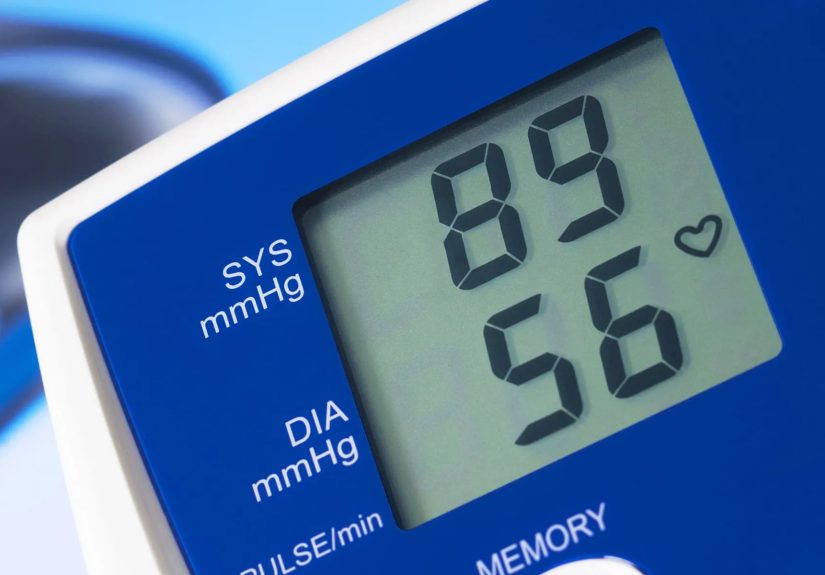
Low blood pressure, also called hypotension, usually means a reading below 90/60 mm Hg. Blood pressure is recorded as two numbers. The top number, called systolic pressure, measures pressure when the heart beats. The bottom number, called diastolic pressure, measures pressure when the heart relaxes between beats.
Quick Visual Snapshot
- 120/80 mm Hg or lower: Often considered normal for many adults
- Below 90/60 mm Hg: Usually considered low blood pressure
- Not always a problem: Some people naturally run low and feel perfectly fine
- More concerning when: It causes dizziness, fainting, weakness, confusion, or signs of shock
Here is the important part: a “low” reading is not automatically dangerous. Some athletes, younger adults, and very healthy people may have naturally lower numbers without symptoms. In other cases, a sudden drop in blood pressure can mean the brain, heart, and other organs are not getting enough blood flow. That is when the story changes from “interesting trivia” to “let’s not ignore this.”
What Low Blood Pressure Can Feel Like
Hypotension is often easier to recognize by symptoms than by numbers alone. When blood pressure drops too far, especially too fast, the brain is usually the first organ to complain. And the brain is not subtle when it is unhappy.
Common Symptoms
- Dizziness or lightheadedness
- Fainting or nearly fainting
- Blurred or dim vision
- Nausea
- Fatigue or unusual weakness
- Confusion or trouble concentrating
- Headache
- Neck or back pain
- Heart palpitations
Some people describe low blood pressure as feeling “floaty,” “foggy,” or “like my body is buffering.” Others feel shaky, clammy, tired, or weirdly drained after standing up, showering, exercising, or eating a large meal. If that sounds familiar, your body may be giving you an early warning that blood flow is not keeping up with demand.
Visual Guide to the Main Types of Low Blood Pressure
1. Naturally Low Blood Pressure
This is the peaceful version. Your numbers run low, but you feel normal. No dizziness. No fainting. No drama. In this situation, treatment may not be needed at all.
2. Orthostatic Hypotension
This is the “I stood up and instantly regretted it” type. Orthostatic hypotension happens when blood pressure drops after moving from sitting or lying down to standing. Clinically, it is usually defined as a drop of at least 20 mm Hg systolic or 10 mm Hg diastolic within 3 minutes of standing.
It can happen because blood pools in the legs, the nervous system responds too slowly, or the body is short on fluid. It is especially common in older adults and can be worsened by dehydration, bed rest, illness, or certain medications.
3. Postprandial Hypotension
This type shows up after meals. Blood is redirected to the digestive system, and if the heart and blood vessels do not compensate well enough, blood pressure can fall. The result? Dizziness, weakness, or that distinctly unfair feeling of being betrayed by lunch.
4. Severe Hypotension Linked to Shock
This is the urgent form. A severe drop in blood pressure can happen with major bleeding, serious infection, severe allergic reaction, heart problems, or other medical emergencies. In these cases, organs may not get enough oxygen-rich blood, and immediate treatment is critical.
Why Low Blood Pressure Happens
Low blood pressure is not one single disease. It is more like a clue, and that clue can point in several directions.
Common Causes
- Dehydration: Too little fluid means less blood volume
- Blood loss: Injury or internal bleeding can cause a sudden drop
- Heart problems: Irregular heart rhythm, heart attack, or poor pumping function
- Medications: Diuretics, blood pressure drugs, some antidepressants, Parkinson’s medications, and others
- Pregnancy: Circulation changes can lower blood pressure
- Severe infection: Sepsis can trigger dangerous hypotension
- Severe allergic reaction: Anaphylaxis can cause a rapid drop
- Nervous system disorders: Problems with autonomic control can impair blood pressure regulation
- Nutritional issues: Low vitamin B12, folate, or iron may contribute
- After eating: Especially in older adults
One reason hypotension can be tricky is that two people may have the same reading for totally different reasons. For one person, it may be mild dehydration after a hot day. For another, it may be a medication side effect. For someone else, it may be a heart rhythm problem that absolutely needs attention.
When Low Blood Pressure Is an Emergency
Most low blood pressure is not an emergency. But some cases absolutely are. The red flags usually show up when blood pressure is low enough to affect organ perfusion, meaning organs are not getting the blood they need.
Call 911 or Seek Emergency Care If Low Blood Pressure Comes With:
- Fainting that lasts or repeats
- Chest pain
- Shortness of breath
- Sudden confusion
- Cold, sweaty, clammy, or pale skin
- Rapid breathing
- Weak, rapid pulse
- Blue-tinged skin
- Heavy bleeding
- Symptoms of severe allergic reaction
If someone faints, lay the person flat if possible and raise the legs above heart level, provided there is no obvious injury. Loosen tight clothing. Do not pop them back up like a lawn chair. If they do not regain consciousness quickly or are not breathing normally, get emergency help right away.
How Doctors Diagnose Low Blood Pressure
Diagnosis is not just about catching one low reading on a machine. Doctors usually want context: what the blood pressure is doing, when symptoms happen, how long they last, what medications you take, and whether another condition may be causing the drop.
Common Evaluation Steps
- Repeated blood pressure checks: Sitting, lying down, and standing
- Medical history: Symptoms, timing, medications, fluid intake, illnesses
- Physical exam: Looking for signs of dehydration, bleeding, or infection
- Blood tests: To check anemia, blood sugar, and other possible causes
- Electrocardiogram (ECG): To look for heart rhythm problems
- Tilt table testing: Sometimes used for suspected orthostatic hypotension
- Home blood pressure tracking: Helpful when symptoms come and go
That last one matters. Blood pressure loves good timing. If symptoms strike only after standing, showering, or eating, a normal reading taken during a calm office visit may miss the real issue.
Treatment: What Actually Helps?
Treatment depends on the cause. That is the golden rule. If low blood pressure is caused by dehydration, the fix is different than if it is caused by a medication, a heart issue, or an autonomic disorder.
Simple Strategies That Often Help
- Drink more water if dehydration is part of the problem
- Stand up slowly, especially from bed or the couch
- Avoid long hot showers or overheating
- Eat smaller, more frequent meals if symptoms happen after eating
- Wear compression garments if a clinician recommends them
- Review medications with a healthcare professional
- Use physical counter-maneuvers, such as tensing leg muscles before standing
Medical Treatment
If lifestyle changes are not enough, doctors may prescribe medication. For some forms of symptomatic orthostatic hypotension, medicines such as midodrine or droxidopa may be used. Another medication, fludrocortisone, can help in some cases, but it is not the best fit for everyone and needs medical supervision.
One important caution: do not start “fixing” low blood pressure by loading up on salt or caffeine without guidance. Those tricks may help some people, but they can also backfire if you have heart disease, kidney problems, or another condition where extra sodium or stimulants are not a great idea.
Everyday Triggers That Can Make Symptoms Worse
Low blood pressure often becomes noticeable in specific situations. Learning your triggers can make a huge difference.
Common Triggers
- Getting out of bed too quickly
- Standing still for a long time
- Hot weather
- Hot baths or showers
- Large meals, especially carb-heavy meals
- Alcohol
- Vomiting, diarrhea, or fever
- Intense exercise without enough fluid replacement
In other words, your blood pressure may be fine during a normal afternoon and then suddenly turn dramatic after a hot shower and a giant pasta lunch. The body contains multitudes.
Low Blood Pressure in Older Adults
Hypotension deserves extra attention in older adults because the biggest danger is often not the number itself but the fall risk. Dizziness when standing can lead to trips, fractures, and hospital visits. Medications may also play a larger role, especially if someone is taking drugs for blood pressure, heart disease, depression, Parkinson’s disease, or prostate symptoms.
This is why persistent lightheadedness, falls, near-falls, or “I get woozy after meals” should not be dismissed as just aging. Sometimes the issue is treatable, and sometimes a medication adjustment makes a major difference.
Visual Checklist: Is It Time to Talk to a Doctor?
- You feel dizzy often when standing up
- You have fainted, nearly fainted, or feel unsteady
- You notice symptoms after meals
- You recently started a new medication
- You have heart disease, diabetes, Parkinson’s disease, or chronic illness
- You are pregnant and having repeated symptoms
- You are drinking fluids but still feel weak, foggy, or faint
If you checked even a few of those boxes, it is worth getting evaluated. A symptom diary can help: note the time, what you were doing, what you ate, your fluid intake, and any blood pressure readings. Doctors love useful patterns almost as much as they love accurate medication lists.
Common Experiences People Describe With Low Blood Pressure
Living with low blood pressure is often less dramatic than television makes it look and more annoying than people expect. The experience usually comes in waves. Someone may feel perfectly normal while sitting down, then stand up and suddenly feel as if the floor moved three inches to the left. It can be brief, but it can also be disruptive enough to shape how a person gets through the day.
One common experience is the morning wobble. A person gets out of bed too quickly, and within seconds there is dizziness, dim vision, or a strange rushing sensation in the head. It may pass after sitting back down, but the pattern can repeat day after day. Over time, people often learn to pause on the side of the bed before standing, not because they are being dramatic, but because they would prefer not to greet the morning by negotiating with gravity.
Another familiar story happens in hot environments. A long shower, a steamy bathroom, a summer afternoon, or standing in line outside can bring on weakness, nausea, or a heavy, drained feeling. Heat causes blood vessels to widen, and for people prone to hypotension, that extra relaxation in the system can feel like the body forgot to keep enough pressure upstairs where the brain lives.
Meals can also become surprisingly strategic. Some people notice they feel sleepy, shaky, or lightheaded after eating, especially after a large or carb-heavy meal. They may start choosing smaller meals, drinking more water, or taking a short walk afterward because they know the post-lunch slump is not just “I had tacos,” but “my blood pressure and my tacos are currently in a disagreement.”
Many people also describe low blood pressure as brain fog with a side of exhaustion. They are not always dramatically fainting. Sometimes they just feel slow, unfocused, or wiped out. Concentration gets harder. They may look fine to everyone else while feeling like their internal battery is stuck at 19% and refusing to charge. That mismatch can be frustrating, especially when symptoms are intermittent and others cannot see them.
There is also the emotional side. Recurrent dizziness can make people anxious about driving, climbing stairs, exercising, or going out alone. Older adults may become especially cautious because one faint or fall can change everything. Even younger adults may start quietly adapting their routines: more water bottles, fewer sudden movements, more checking for chairs, and a healthy distrust of standing up too enthusiastically.
The good news is that many people improve once they understand their pattern. For some, the solution is simple: better hydration, slower position changes, and medication review. For others, it takes more testing and a longer plan. But the experience of low blood pressure becomes much less mysterious when people learn to connect symptoms with triggers. Knowledge does not make dizziness fun, but it does make it a lot less random.
Conclusion
A visual guide to low blood pressure starts with one simple truth: low numbers matter most when they come with symptoms. Hypotension can be harmless, inconvenient, or dangerous depending on the cause, the speed of the drop, and the effect on blood flow to vital organs. Dizziness, fainting, blurry vision, fatigue, nausea, confusion, and weakness are all clues worth paying attention to.
The smartest approach is not panic. It is pattern recognition. Notice when symptoms happen, what seems to trigger them, and whether they are getting worse. If low blood pressure is frequent, disruptive, or paired with red-flag symptoms, it deserves medical attention. Because while low blood pressure may sound chill, sometimes it is a little too chill for comfort.