Table of Contents >> Show >> Hide
- What Does “Twunk” Mean, Exactly?
- Twink vs. Twunk: What’s the Difference?
- Where Did the Word Come From?
- Is “Twunk” an Official LGBTQ+ Identity?
- How to Use “Twunk” the Right Way
- Examples of “Twunk” in a Sentence
- Why This Word Can Be Tricky
- Can Straight People Use the Word?
- Should You Call Yourself a Twunk?
- What “Twunk” Says About LGBTQ+ Lingo as a Whole
- Experiences People Commonly Have With the Word “Twunk”
- Final Thoughts
Note: This article explains community slang for educational purposes. No one has to use any label, and no single body type or look is “better” than another.
Language in queer culture is creative, fast-moving, funny, and occasionally chaotic enough to deserve its own survival guide. One day you are minding your business online, and the next day someone is asking whether a celebrity has entered his “twunk era.” If you blink, you miss a whole dictionary’s worth of LGBTQ+ lingo.
So, what does twunk mean? In the simplest terms, a twunk is usually understood as a blend of “twink” and “hunk.” It is informal queer slang, most commonly used in gay male culture, for someone with a youthful or boyish vibe associated with “twink” culture, but with a more muscular build. In other words: soft edges meet gym membership. Youthful look, stronger frame, same internet chaos.
That said, this is not an official identity category, a scientific classification, or a membership card you receive in the mail after doing three push-ups and buying a fitted tank top. It is slang. It is cultural shorthand. And like a lot of queer slang, it can be playful in one setting, annoying in another, and totally unwelcome if someone uses it to stereotype people or reduce them to appearance alone.
What Does “Twunk” Mean, Exactly?
If you want the plain-English definition, twunk meaning usually comes down to this: a person, often a queer man, who has the youthful, boyish, or fresh-faced qualities linked with a twink, but with more visible muscle. That is why people often describe the word as a mash-up of “twink” and “hunk.”
In LGBTQ+ lingo, especially online and in pop-culture conversations, the term is less about strict rules and more about a vibe. Someone described as a twunk is often seen as:
- young-looking or youthful in style
- lean or athletic rather than bulky
- more muscular than a classic “twink” stereotype
- part of a playful body-type label used in queer spaces
Notice the phrase playful body-type label. That part matters. “Twunk” is not the same thing as being gay, queer, or male. It does not define someone’s whole identity, personality, values, or attractiveness. It is just one slang term from a much bigger ecosystem of queer slang that also includes words like “bear,” “otter,” “jock,” “femme,” and “daddy.” Think of it as niche vocabulary, not universal truth.
Twink vs. Twunk: What’s the Difference?
To understand how to use twunk, it helps to understand the word it grows out of: twink. Traditionally, “twink” has been used for a young or young-looking, slim, often smooth-faced queer man. “Twunk” takes that image and adds more muscle and more “hunk” energy.
Twink
A twink is usually imagined as slimmer, softer-looking, and more delicate or boyish in presentation. The stereotype often emphasizes youth, little body hair, and a lighter frame.
Twunk
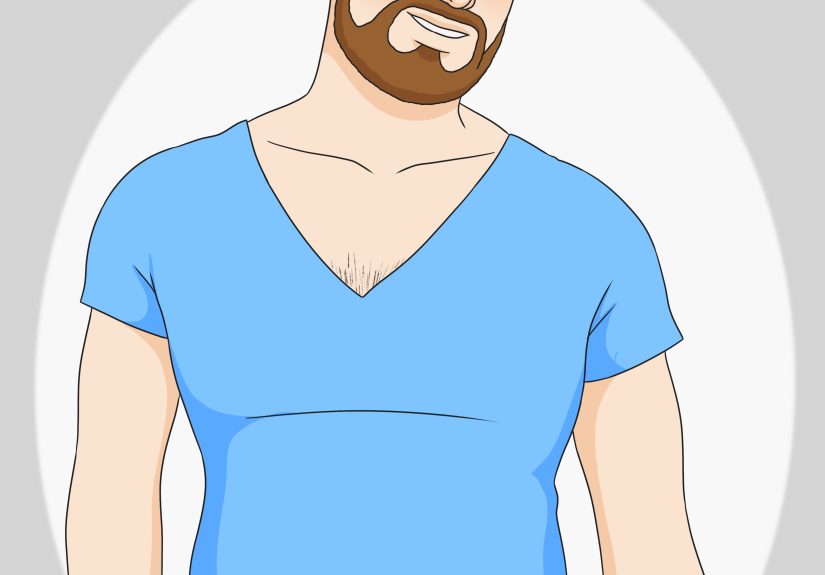
A twunk keeps some of that youthful or boyish image, but appears more muscular, athletic, or visibly built. Not bodybuilder-big. More like “someone discovered the gym and the gym discovered them back.”
Of course, slang is messy. Not every queer person agrees on the same exact definition. Some people use “twunk” loosely. Some use it ironically. Some never use it at all. And some would rather be described as “a person with a great haircut and excellent posture,” which, honestly, is valid.
Where Did the Word Come From?
The history of “twunk” starts with the older word “twink,” which has been around in queer slang for decades before exploding into mainstream internet culture. Over time, as queer communities created more playful sub-labels for style, body type, and social vibe, “twunk” emerged as an obvious blend word. Linguistically, it is not exactly Shakespeare. It is just efficient. Queer slang loves efficiency when it is not busy being dramatic.
That blend-word construction is part of what makes the term easy to understand even if you have never heard it before. You can practically see the formula:
Twink + Hunk = Twunk
Because the word is rooted in community slang, its meaning comes from usage more than from formal dictionaries. It gained traction in queer media, online conversations, meme culture, and app-based tagging systems where short labels became a fast way to describe style or appearance.
Is “Twunk” an Official LGBTQ+ Identity?
No. And that is an important distinction.
“Twunk” is not a formal sexual orientation, gender identity, or umbrella term like gay, bisexual, transgender, nonbinary, or queer. It is best understood as informal LGBTQ+ slang connected to appearance and subcultural style.
That means you should not treat it like a required label. Some people enjoy using specific community terms because they are funny, familiar, and help them feel part of a culture. Other people find those same labels restrictive, shallow, or exhausting. Both reactions make sense.
In fact, one of the healthiest ways to think about queer language is this: labels should help people describe themselves, not trap them inside a costume they never asked to wear.
How to Use “Twunk” the Right Way
If you are wondering how to use this LGBTQ+ lingo without sounding clueless or rude, here is the general rule: use it lightly, use it accurately, and never use it like a weapon.
1. Use it as slang, not as a diagnosis
Calling someone a twunk should not sound like you are reading lab results. It is casual slang, not a serious identity category. Use it conversationally, not like you are sorting humans into storage bins.
2. It works best when someone uses it for themselves
Self-description is usually the safest lane. If someone jokes that they are in their twunk era, great. They are defining their own vibe. That is very different from slapping the label on a stranger and acting like you cracked a code.
3. Pay attention to tone
Inside queer communities, the word can be affectionate, teasing, or playful. Outside that context, it can come off as flattening, mocking, or weirdly overfamiliar. Tone does a lot of heavy lifting here.
4. Do not use it as a substitute insult
This is a big one. A slang term that may feel playful in one community can become mean fast when outsiders use it to belittle queer men, mock femininity, or sneer at someone’s appearance. If the intent is ridicule, the problem is not the dictionary definition. The problem is the speaker.
5. Remember that not everyone wants an appearance label
Some people love niche queer labels. Others hear them and think, “Absolutely not, I am a person, not a Pokémon evolution.” Respect both camps.
Examples of “Twunk” in a Sentence
Here are a few natural, non-cringey ways the word might appear:
- “He used to joke that he had twink energy, but now his friends call him a twunk.”
- “That red-carpet look is giving polished twunk, not messy frat guy.”
- “She said the internet keeps calling that actor a twunk, and honestly, the math checks out.”
- “I don’t really use body-type labels for myself, but I get what people mean by twunk.”
Notice what these examples do not do: they do not assume the label is universal, and they do not act like someone’s worth is tied to fitting the term perfectly.
Why This Word Can Be Tricky
At first glance, “twunk” seems harmless and funny. Often, it is. But queer writers and researchers have also pointed out that words like “twink” and “twunk” can carry baggage related to body ideals, youth obsession, race, and narrow beauty standards.
That does not mean the word is forbidden. It means context matters. In queer culture, body-type slang can build community and create a sense of shared humor. At the same time, it can reinforce the idea that some bodies are more visible, more praised, or more “marketable” than others. That is where the term stops being a joke and starts feeling like a scoreboard no one asked for.
For example, many discussions around twink and twunk culture point out that these labels have historically centered youth, slimness, leanness, and often whiteness. That does not describe every person the term gets applied to today, but it helps explain why some people embrace the word while others side-eye it from across the room.
In other words, if you use “twunk,” use it with a little cultural awareness. Cute slang is still culture. Culture still has biases. Even the funny words come with footnotes.
Can Straight People Use the Word?
Technically, anyone can say almost anything. Socially, that is a very different question.
Because “twunk” comes out of queer slang, queer people are usually the ones best positioned to use it naturally and understand its tone. When straight people use queer-coded slang, it can sound fine in one moment and painfully awkward in the next. The difference usually comes down to respect, accuracy, and whether the speaker is using the term with understanding or just tossing it around because the internet told them it was funny.
If you are not part of the culture, the safest move is simple: do not overuse it, do not force it, and definitely do not use it to mock someone. If the term is not yours, treat it like visiting someone else’s kitchen. Be polite, do not rearrange the spices, and maybe do not act like you invented the recipe.
Should You Call Yourself a Twunk?
Only if you want to.
That is really the heart of it. If the term feels fun, accurate, or community-building for you, go for it. If it feels too narrow, too appearance-based, or just not your thing, skip it. Queer identity is already rich and varied enough without making people audition for the role of themselves.
You also do not need to “earn” the label by looking a certain way. Slang lives in conversation, memes, and community vibe. It is not a government form. No one is standing at a velvet rope with a clipboard whispering, “Sorry, not enough shoulder definition.”
What “Twunk” Says About LGBTQ+ Lingo as a Whole
The bigger lesson here is not just about one word. It is about how queer slang works. LGBTQ+ language often evolves to do several jobs at once: describe, joke, bond, tease, signal belonging, and sometimes push back against rigid ideas of gender and masculinity. That creativity is part of what makes queer culture so lively.
But lively language also needs thoughtful use. The best use of queer slang makes room for people rather than squeezing them into tiny boxes. A word like “twunk” can be funny and culturally specific without becoming a rulebook for who counts, who is attractive, or who belongs.
That is why the smartest way to understand twunk meaning is not as a hard category, but as a flexible piece of LGBTQ+ lingo. It is descriptive, informal, and highly context-dependent. It can be playful. It can be affectionate. It can also be overdone. Welcome to slang.
Experiences People Commonly Have With the Word “Twunk”
Many people do not learn the word “twunk” from a glossary. They learn it the modern way: by seeing it tossed around in memes, fandoms, celebrity discussions, or queer group chats where everyone seems to know the joke except the one person silently opening a new tab. Usually, the first reaction is some version of, “Wait, that is a real word?” Then comes the second reaction: “Why does it weirdly make sense?”
One common experience is seeing the word attached to a celebrity. Maybe an actor gets more athletic between one project and the next, and suddenly social media declares that he has “graduated from twink to twunk.” Half the internet treats this like breaking geopolitical news. The other half rolls its eyes and says maybe we should let people exist without turning them into categories with downloadable updates.
Another common experience is finding the term funny at first, then realizing it carries more pressure than expected. Some queer people enjoy these labels because they feel campy, community-based, and unserious. Others notice that constant talk about who is a twink, twunk, jock, or something else can start to feel like endless body ranking with better lighting. The joke lands differently when people begin using it to measure who is desirable, visible, or “doing masculinity correctly.”
There is also the experience of not fitting neatly into the label at all. Someone may have a youthful face but not a muscular build. Someone else may be athletic but hate the whole twink-twunk framework. Another person may like the humor of the word but not want appearance labels attached to their identity. That confusion is normal. Slang is often fuzzy at the edges, and people are always more complicated than the vocabulary used to describe them.
For some, the term becomes a playful inside joke among friends. A person starts lifting weights, buys one sleeveless shirt too many, and suddenly gets teased about entering a “twunk phase.” In that setting, it can feel warm and familiar because everyone understands the humor and no one is using it to shame anyone. The word works because the trust is already there.
For others, the word feels worse when it comes from outsiders. A stranger using “twunk” like a punchline can make queer slang sound less like community language and more like cosplay. That is often the moment people realize that context is not a side issue. It is the whole issue.
And then there is the aging conversation, which queer internet culture loves to dramatize for sport. People joke about “twink death,” “twunk eras,” and constant reinvention, but real life is less dramatic and much healthier. Most people are not moving through a fixed chain of gay Pokémon evolutions. They are just living, changing, working out or not working out, trying new styles, and hopefully learning that a sense of self is more durable than any temporary internet label.
That may be the most relatable experience of all: realizing that words like “twunk” can be amusing, useful, and culturally specific, but they are still just words. They can help explain a vibe. They cannot fully explain a person. And honestly, that is probably for the best.
Final Thoughts
So, what does “twunk” mean? It is informal LGBTQ+ slang, usually describing someone with the youthful or boyish qualities associated with a twink and the more muscular look associated with a hunk. It is a cultural shorthand, not a formal identity. It can be funny, flattering, ironic, or annoying depending on who says it, how they say it, and whether the person being described actually wants the label.
The best way to use the term is with accuracy, respect, and a sense of proportion. In other words: enjoy the language, but do not let the language start bossing people around. Because queer culture may love a clever label, but real life is always more interesting than the label.