Table of Contents >> Show >> Hide
- Quick Navigation
- What Figgy Pudding Actually Is
- Does Figgy Pudding Actually Contain Figs?
- What’s in Figgy Pudding (and Why It Tastes Like Christmas Smells)
- How Figgy Pudding Is Made: Steamed, Aged, and Sometimes “Fed”
- So Why Is Figgy Pudding a Christmas Tradition?
- Carols, Dickens, and the PR Campaign That Made Figgy Pudding Famous
- How to Serve Figgy Pudding (and Make It Feel Like an Event)
- How to Make a Modern, American-Friendly Figgy Pudding
- FAQ: Figgy Pudding Questions People Actually Ask
- The Figgy Pudding Experience: What It Feels Like (and Why People Keep Doing It)
- Conclusion
If your holiday soundtrack includes that one very polite (and also slightly threatening) line“Now bring us some figgy pudding”you’ve probably wondered: What exactly are we demanding here? A cup of chocolate pudding? A slice of cheesecake? A suspicious bowl of beige goo?
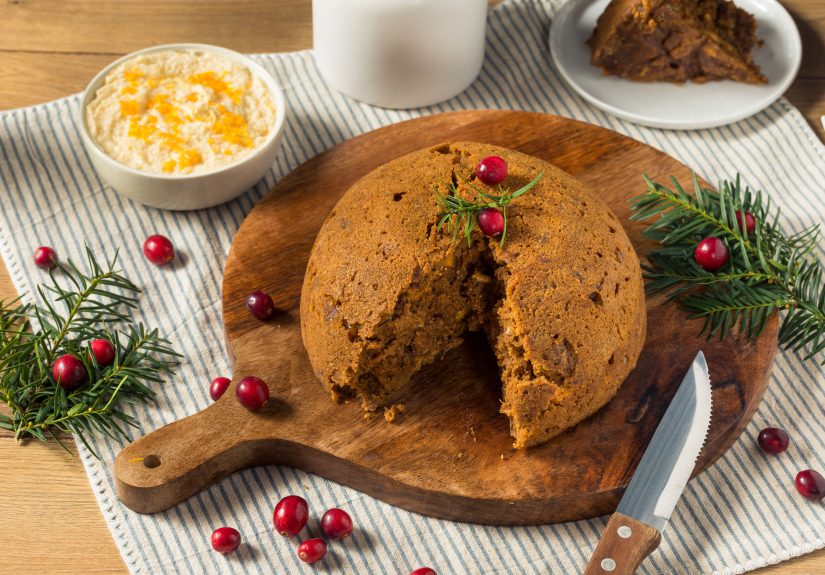
Plot twist: figgy pudding isn’t the creamy, spoonable “pudding” most Americans picture. It’s closer to a rich, steamed fruit cakedense, dark, fragrant with spice, and often boozed-up enough to make Santa blush. And the reason it became a Christmas tradition has everything to do with history, seasonal ingredients, and the ancient human urge to light dessert on fire and call it “festive.”
What Figgy Pudding Actually Is
Figgy pudding is a traditional British-style holiday dessert that’s typically steamed (or boiled) instead of baked. The texture is dense and cake-like, packed with dried fruit, warm spices, and a rich fattraditionally suetplus a little flour or breadcrumbs to hold everything together. Many versions are flavored with brandy or rum, and some are served flambéed, because apparently “dessert” and “campfire” were destined to meet.
In Britain, “pudding” can mean the sweet course in general, but it also refers to specific steamed dessertsespecially the kind made in a mold and cooked over simmering water. So when Americans hear “pudding,” we imagine a cup with a peel-back lid; when the British say it, they might mean a glorious dome of fruit and spice that needs a steamer, patience, and possibly a small prayer.
Does Figgy Pudding Actually Contain Figs?
Sometimes yes. Sometimes no. Which sounds illegal, but it’s historically normal.
The word “figgy” has been used loosely to describe fruit-filled puddings, and in some regions “figgy pudding” became essentially another name for Christmas pudding (also called plum pudding). In that older naming world, “plum” didn’t necessarily mean fresh plumsit often meant dried fruit like raisins and currants. Over time, recipes drifted, names overlapped, and the holiday dessert family tree got… cozy.
Modern recipes often include real figs because they’re delicious and they match the lyric everyone knows. But historically, the “figgy” part could be more about “fruity and dark and Christmasy” than “contains identifiable fig chunks.”
What’s in Figgy Pudding (and Why It Tastes Like Christmas Smells)
Figgy pudding is basically a greatest-hits album of winter pantry ingredients. While every family (and every recipe developer) has their own version, the classic formula usually includes:
- Dried fruit: raisins, currants, sultanas, chopped figs, dates, dried cherries or cranberries
- Candied citrus peel or zest: orange and lemon bring brightness to the dark, rich base
- Spices: cinnamon, nutmeg, cloves, allspice, gingerwarm, aromatic, and very “holiday candle” in the best way
- A rich fat: traditionally suet (beef or mutton fat), though butter or vegetable shortening are common modern swaps
- Binder: flour, breadcrumbs, or both (breadcrumbs sound odd until you realize they make the texture tender and sturdy)
- Eggs and sugar: structure + sweetness
- Alcohol (optional but iconic): brandy, rum, or stoutused for flavor, moisture, and preservation
Wait… what is suet?
Suet is a traditional fat used in British puddings. It helps create that classic dense-yet-tender crumb, and it holds up well during steaming. If suet isn’t your thing (or you don’t want to hunt it down), modern recipes often use butter or vegetable shortening, and vegetarian suet exists too. The dessert police will not kick down your door. (They’re busy steaming their own.)
How Figgy Pudding Is Made: Steamed, Aged, and Sometimes “Fed”
Figgy pudding isn’t a “whip it up after dinner” dessert. It’s a “start this before you finish decorating the tree” dessert. Traditional versions are made weeks ahead, giving the flavors time to deepen and meld. That long lead time isn’t just quaintit’s practical. Dried fruit and spices get better after resting, and the alcohol helps preserve the pudding and keep it moist.
The classic process looks like this:
- Soak the fruit in brandy or rum (sometimes overnight, sometimes longer).
- Mix the batter with fruit, fat, spices, eggs, and a binder like flour/breadcrumbs.
- Pack it into a mold (or a heatproof bowl) and cover tightly.
- Steam it for hours in a pot of simmering water.
- Cool and store in a dark, cool place or the fridge.
- Optional: “feed” it by brushing or drizzling a little alcohol over time.
- Re-steam or warm on Christmas Day, then serve with sauce.
The result is a dessert that feels almost ceremonialbecause it is. You don’t just “make” figgy pudding. You commit to figgy pudding.
So Why Is Figgy Pudding a Christmas Tradition?
The short answer: it’s rich, it’s make-ahead friendly, and it uses ingredients that historically made winter feel less bleak. The longer answer includes medieval cooking, religious calendars, Victorian nostalgia, and a surprising amount of social pressure from carolers.
1) It started as practical winter food (then got fancy)
The ancestors of Christmas pudding go back to medieval dishes that were more like thick porridges or savory pottagesoften containing meat, fruit, spices, and grains. Over time, as sugar became more available and tastes shifted, versions became sweeter and more dessert-like. By later centuries, the pudding evolved into the rich, fruit-studded holiday centerpiece many people recognize today.
2) The timing fit the seasonand the church calendar
Traditional Christmas puddings are often made in late fall, giving them time to mature before Christmas. In some households, that prep aligns with the last Sunday before Adventsometimes associated with the “stir up” prayer that helped people remember it was time to get the pudding going. Whether you’re religious or just spiritually committed to dessert, it’s a built-in calendar reminder: start the pudding now, thank yourself later.
3) It showcased expensive ingredients (aka: holiday flexing)
Historically, dried fruit, sugar, and imported spices weren’t everyday pantry items. A dense pudding loaded with raisins, candied peel, and warming spice signaled celebration, generosity, and a special occasion. In other words: Christmas dessert as edible sparkle.
4) It became a symbol of “Christmasness” in the Victorian era
Many modern Christmas traditions were amplified or rebranded during the 1800s, when nostalgia, family gatherings, and festive rituals became especially emphasized in popular culture. Christmas puddingdramatic, fragrant, make-ahead, and perfect for a grand finalefit right into that story.
Carols, Dickens, and the PR Campaign That Made Figgy Pudding Famous
Figgy pudding’s celebrity moment in the U.S. is largely thanks to British Christmas imagery exported through songs and stories. The carol “We Wish You a Merry Christmas” includes the line demanding figgy pudding, echoing older traditions where groups might visit wealthier households during the holidays asking (or insisting) for food and drink in exchange for good cheer.
Add Charles Dickens-style holiday storytellingwhere hearty, symbolic food represents warmth, community, and generosityand you’ve got a dessert that became shorthand for “old-fashioned Christmas,” even for people who’ve never seen one in real life.
So yes: Americans sing about figgy pudding not because it’s a staple at every U.S. holiday table, but because the lyric is catchy, the idea is charming, and there’s something deeply satisfying about demanding dessert with confidence.
How to Serve Figgy Pudding (and Make It Feel Like an Event)
Figgy pudding is usually served warm and sliced, often with something creamy to balance the rich fruit and spice. Classic options include:
- Brandy butter (hard sauce): sweetened butter whipped with brandymelts into the warm pudding like a holiday miracle
- Custard or crème anglaise: a smooth vanilla sauce that feels fancy but friendly
- Brandy sauce: a warm, pourable sauce with a gentle kick
- Whipped cream or vanilla ice cream: the “I’m just here to have a good time” American approach
The flambé moment
For the classic presentation, people warm a little brandy, pour it over the pudding, and carefully ignite it. It’s dramatic, it’s photogenic, and it makes your dining room smell like a holiday movie set. If you try it, keep it safe: warm the spirit, don’t douse it like gasoline, and keep anything flammable (including sleeves and eyebrows) far away.
How to Make a Modern, American-Friendly Figgy Pudding
If you want the tradition without the full three-hour steam session, you’ve got options. Think of figgy pudding as a spectrum: at one end is the deeply traditional steamed Christmas pudding; at the other is a baked, quicker “figgy pudding-inspired” dessert that still delivers the flavor.
A realistic plan for first-timers
- Choose your fruit mix: figs + raisins + cranberries is a great start (tangy, sweet, familiar).
- Soak the fruit: brandy or rum is classic, but apple cider or strong tea works for alcohol-free versions.
- Pick your method: steaming is traditional; a water bath in the oven can be more approachable.
- Don’t skip the sauce: brandy butter or vanilla custard is half the joy.
- Make it ahead: even 24–72 hours of rest noticeably improves flavor.
Easy swaps that still taste “right”
- No suet? Use butter, or try vegetarian suet if you want the traditional texture without the meat.
- No pudding mold? Use a heatproof bowl plus foil, or a Bundt pan if baking.
- Not into boozy desserts? Skip the alcohol and lean on citrus zest, vanilla, and spice for depth.
- Want more “fig” flavor? Add chopped dried figs and a spoonful of fig jam.
The goal isn’t perfectionit’s capturing that warm-spice, fruit-and-citrus, holiday-dessert vibe that makes people say, “Ohhhh, this is what the song was talking about.”
FAQ: Figgy Pudding Questions People Actually Ask
Is figgy pudding the same as Christmas pudding?
In many modern conversations, yesthe names are often used interchangeably. “Christmas pudding” and “plum pudding” are common traditional names, and “figgy pudding” shows up in songs and pop culture. Recipes vary by household and era, which is why you’ll see overlaps and debates.
Is it basically fruitcake?
They’re cousins. Both are dense, fruit-forward, spiced, and often made ahead. The big difference is technique: figgy/Christmas pudding is traditionally steamed, which gives it a unique moist, tight crumb and a more “sliceable dome” identity.
Do you have to age it for weeks?
You don’t have to, but it helps. Even a few days lets the flavors settle and deepen. If you want the full traditional experience, make it in late November and serve it at Christmas.
Can kids eat it if it has alcohol?
Many puddings use alcohol for flavor and preservation, and some of the alcohol may cook off during steaming, but not necessarily all of it. If you’re serving kids or avoiding alcohol, use juice, tea, or cider for soaking and skip the flambé.
The Figgy Pudding Experience: What It Feels Like (and Why People Keep Doing It)
Figgy pudding isn’t just a dessertit’s a holiday scene. Even before the first bite, the experience starts with the smell: citrus zest, cinnamon, clove, and dark fruit rising up like a Christmas candle that actually tastes good. The texture surprises first-timers most. You expect something creamy because your brain is stuck on the American idea of pudding, but what you get is a warm, dense slice that eats more like a tender fruitcakemoist, tight-crumbed, and richly sweet without being frosting-sweet.
The most “classic” experience is making it ahead, which turns the dessert into a slow-burn holiday project. You mix dried fruit and spices and think, “This seems like a lot.” Then you steam it and think, “This is taking forever.” Then you unwrap it and think, “Why does this look like a tiny brown planet?” And finally you taste it and think, “Oh. That’s why.” The flavors are layered: raisin-like sweetness, figgy caramel notes, bright pops of orange, and a warm spice finish that feels like wearing a sweater you actually like.
Serving figgy pudding is also its own kind of entertainment. It invites ceremony: a platter, a sauce boat, maybe a proud little sprig of holly on top like the pudding is about to give a speech. If you add brandy butter, it melts into the slice and creates this glossy, sweet-salty richness that tastes like holiday brunch decided to get serious. Custard feels gentlervanilla-smooth and comfortingwhile whipped cream makes it feel lighter and more “dessert course” than “historic reenactment.”
And then there’s the flambé moment, which is basically the dessert equivalent of fireworks. People lean back. Cameras come out. Someone says, “Is this safe?” Someone else says, “It’s tradition,” which is not an answer but does sound confident. When done carefully, the flame is quick and blue and oddly elegant. It doesn’t just look festiveit makes the pudding smell even more aromatic, as the warm spirit carries spice and citrus into the air.
The best part is how figgy pudding changes the mood at the table. It’s the kind of dessert that makes everyone slow down. A slice is rich enough that people don’t rush it, and the conversation naturally turns into stories: who grew up with steamed puddings, who only knows it from the song, who thought it was going to be chocolate (bless them), and who is now determined to make it next year “but earlier.” That’s why it lasts as a Christmas tradition: it’s not just something you eatit’s something you do, together, and then talk about while you go back for “just a sliver more.”