Table of Contents >> Show >> Hide
- What Is Jello Made Of?
- How Does Jello Get Its Jiggle?
- Regular Jello vs. Sugar-Free Jello
- Is Jello Healthy?
- Does Jello Have Any Nutritional Benefits?
- Is Jello Vegetarian or Vegan?
- Can Jello Fit Into a Balanced Diet?
- Homemade Jello vs. Store-Bought Jello
- Common Questions About Jello Ingredients and Nutrition
- Experiences With Jello: Why This Wiggly Dessert Sticks in People’s Memories
- Final Take
Note: HTML body only, ready for copy/paste and web publishing.
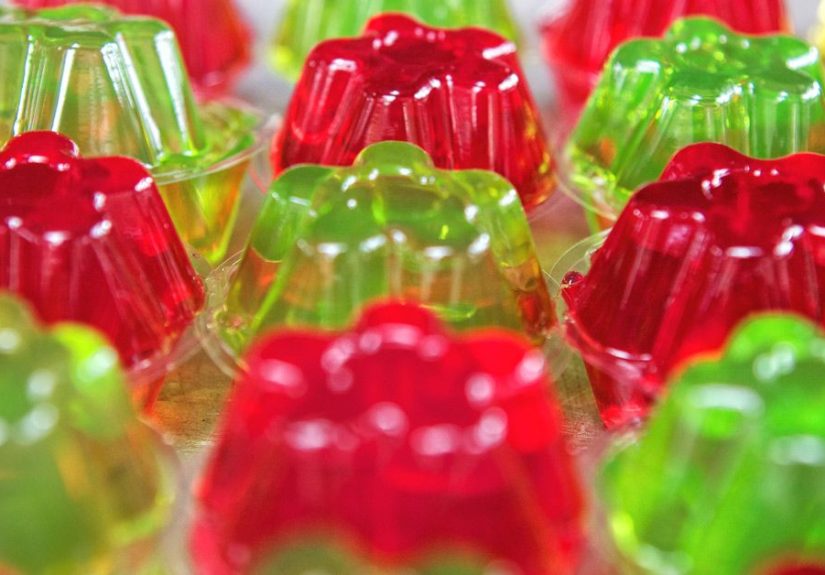
Jello is one of those foods that somehow manages to be a dessert, a side dish, a lunchbox memory, and a hospital tray regular all at once. It wiggles. It shines. It slides out of a bowl with the confidence of a tiny edible moon. But what is Jello made of, really? Is it mostly sugar? Is it protein? Is it secretly just fruit pretending very hard?
The short answer: classic Jello is usually made from gelatin, sugar, acids, flavorings, and food coloring. Sugar-free versions skip the sugar and use low-calorie sweeteners instead. The ingredient that gives Jello its signature jiggle is gelatin, which comes from collagen, an animal protein. That means traditional Jello is not vegetarian or vegan, even if it looks like it belongs in a fruit bowl.
If you have ever stared at a ruby-red cup of gelatin and wondered whether it counts as a snack, a dessert, or a science experiment, you are in the right place. Here is a full breakdown of Jello ingredients, how it is made, and what the nutrition label is really telling you.
What Is Jello Made Of?
Most regular flavored Jello mixes contain a fairly short list of ingredients, but each one has a job to do. A typical box of classic gelatin dessert mix usually includes:
- Sugar for sweetness
- Gelatin for the signature texture
- Acids such as adipic acid or fumaric acid for tartness
- Sodium citrate or sodium phosphate to help control acidity
- Artificial or natural flavoring for the fruit taste
- Food coloring such as Red 40 or Yellow 6 for the bright color
Ready-to-eat gelatin cups are a little different because they are already prepared. Those versions usually start with water and gelatin, then add sweeteners, acids, preservatives, flavors, and colors. In other words, the cup version saves you the mixing bowl, but the basic formula is still all about building a flavored gel.
The Main Ingredient: Gelatin
Gelatin is the reason Jello exists as we know it. Without gelatin, Jello would just be sweet fruit-flavored liquid having a bit of an identity crisis. Gelatin is a protein made from collagen, which is found in animal skin, bones, and connective tissue. When collagen is processed into gelatin, it becomes a powder that dissolves in hot water and forms a gel as it cools.
That is why traditional Jello has a few important limitations:
- It is not vegetarian
- It is not vegan
- It may not fit every religious or cultural diet unless specifically certified
If that matters to you, the label is your best friend. Not all gelatin desserts are the same, and some brands use plant-based gelling agents instead.
Why the Other Ingredients Matter
Once gelatin handles the wobble, the other ingredients step in to make Jello taste and look like dessert instead of unseasoned biology. Sugar adds sweetness and body. Acids create that tangy fruit-dessert flavor. Flavorings give you strawberry, orange, cherry, lime, and the occasional flavor that tastes like childhood at a church potluck. Food dyes provide the bright, jewel-like look people expect.
In zero-sugar versions, sweeteners such as aspartame and acesulfame potassium often replace sugar. These keep calories much lower, though some people prefer the taste of regular Jello, while others like the lighter sweetness of sugar-free versions. It is one of those kitchen debates that can get unexpectedly passionate.
How Does Jello Get Its Jiggle?
Jello is basically a lesson in food chemistry wearing party clothes. When gelatin is mixed with hot water, its proteins dissolve and spread out. As the mixture cools, those proteins begin to form a loose network that traps water inside. The result is a soft gel that holds its shape but still trembles dramatically when you nudge the plate.
That texture is why Jello feels different from pudding, jam, or fruit snacks. Pudding is creamy and thickened with starches. Jam relies on pectin from fruit. Jello has that smooth, clean, slippery bounce because gelatin creates a different structure. It is less “spoonable cloud” and more “edible trampoline.”
Regular Jello vs. Sugar-Free Jello
One of the biggest nutrition differences comes down to whether the product is sweetened with sugar or with low-calorie sweeteners.
Regular Jello
Classic flavored Jello is usually sweetened with sugar. A typical serving from a standard flavored mix is around 90 calories, with about 19 grams of total sugar, roughly 90 milligrams of sodium, and about 2 grams of protein. Fat is usually zero. Fiber is usually zero. Vitamins and minerals are not exactly rushing in to save the day, either.
So yes, regular Jello is low in fat. It is also low in nutritional depth. Most of its calories come from sugar, and the protein content is modest.
Sugar-Free Jello
Zero-sugar Jello is much lower in calories. Many mixes land around 10 calories per serving with 0 grams of sugar. That makes sugar-free Jello popular with people who want a sweet snack that does not add much to their daily calorie count.
But lower calorie does not automatically mean more nourishing. Sugar-free Jello is still generally light on protein, fiber, vitamins, and minerals. It is more of a low-calorie treat than a nutrient-packed snack.
A Quick Note on Aspartame
Some sugar-free gelatin products contain aspartame. For most people, that is considered safe when consumed within approved limits. However, people with phenylketonuria (PKU) need to avoid or limit products containing phenylalanine, so they should always read the label carefully. This is one of those moments where the tiny print is doing some very important work.
Is Jello Healthy?
Jello is not exactly kale, but it is also not automatically food villain number one. Whether it fits into your diet depends on what you want from a snack.
What Jello Does Well
- It is easy to eat. That is one reason it shows up after dental work, during illness, and in hospitals.
- It can be light. Sugar-free versions are especially low in calories.
- It is fat-free. Many varieties contain no fat at all.
- It can be refreshing. Chilled Jello is easy on the palate and simple to portion.
Where Jello Falls Short
- It is often high in added sugar if you choose the regular version.
- It is not a major source of vitamins or minerals.
- It does not provide much protein per serving, even though gelatin is technically a protein.
- Gelatin is not a complete protein, so it is not a replacement for higher-quality protein foods.
- Traditional Jello is animal-based, which matters for vegetarians, vegans, and some religious diets.
In plain English, Jello is better described as a fun dessert or occasional light snack than as a powerhouse health food. It can absolutely fit into a balanced diet, but it should not be mistaken for fruit, yogurt, or a serious source of protein just because it quivers with purpose.
Does Jello Have Any Nutritional Benefits?
The most noticeable nutrient in Jello is protein from gelatin, but the amount in a normal serving is usually small. Also, the protein quality is limited because gelatin does not contain all the essential amino acids in ideal amounts. So while Jello is not nutritionally empty, it is also not the snack equivalent of grilled salmon.
That said, some people like Jello because it can help satisfy a sweet craving with a relatively small portion. If you choose sugar-free Jello, it may offer a dessert option with very few calories. If you choose regular Jello, it may still feel lighter than cake, cookies, or ice cream. That is less about Jello being magical and more about portion size and ingredients.
Is Jello Vegetarian or Vegan?
Traditional Jello made with gelatin is not vegetarian or vegan. Since gelatin comes from animal collagen, it does not fit plant-based diets.
People who want a similar texture without animal ingredients usually look for desserts made with:
- Agar-agar, which comes from seaweed
- Pectin, which is found in fruit
- Carrageenan, another seaweed-based gelling ingredient used in some foods
These ingredients can create a jelly-like texture, but the final feel is not always exactly the same. Agar tends to set more firmly. Pectin behaves differently and is often associated with jams and fruit preserves. So if you are expecting a perfect copy of classic Jello, manage your expectations and your spoon accordingly.
Can Jello Fit Into a Balanced Diet?
Yes, but context matters. If you enjoy Jello once in a while, it can fit into a balanced eating pattern just like other desserts can. The key is knowing what it is and what it is not.
Jello can make sense when you want:
- A simple dessert after dinner
- A soft food that is easy to eat
- A low-calorie sweet option in the sugar-free version
- A nostalgic treat that reminds you of childhood lunches and family gatherings
It makes less sense when you are looking for:
- A high-protein snack
- A fiber-rich food
- A dessert with meaningful vitamins and minerals
- A vegetarian or vegan option
Think of Jello as a dessert with a very specific skill set. It is cool, sweet, soft, and easy. It is not trying to be a multivitamin. We should respect that honesty.
Homemade Jello vs. Store-Bought Jello
If you make gelatin dessert at home, you have more control over the ingredients. You can use unflavored gelatin, real fruit juice, less sugar, or alternative sweeteners. That can make homemade versions feel a little less neon and a little more grown-up. It can also help if you want to avoid certain dyes or create a flavor that does not scream “birthday party in 1998.”
Store-bought Jello, though, wins on convenience. Tear open the packet, add water, chill, done. Ready-to-eat cups win even harder on convenience because they require absolutely no effort besides finding a spoon and resisting the urge to eat four.
Common Questions About Jello Ingredients and Nutrition
Is Jello made from animal products?
Traditional Jello made with gelatin is usually made from animal-derived collagen, so yes, classic gelatin desserts are animal-based.
Does Jello contain a lot of sugar?
Regular Jello can contain a significant amount of added sugar for a small serving. Sugar-free versions contain little or no sugar, depending on the product.
Is Jello a good source of protein?
Not really. Gelatin is a protein, but the amount in a typical serving is small, and it is not a complete protein.
Is sugar-free Jello better for you?
It depends on your goals. Sugar-free Jello is lower in calories and sugar, which may be helpful for some people. But it is still not a nutrient-dense food, so “better” depends on what you are comparing it to.
Can vegans eat Jello?
Traditional Jello, no. Vegan jelly-style desserts made with agar or pectin, yes.
Experiences With Jello: Why This Wiggly Dessert Sticks in People’s Memories
Jello has a strange superpower: almost everyone has a story about it. For some people, it tastes like childhood. It shows up in school lunches, birthday parties, summer picnics, and holiday tables where someone proudly brings a molded dessert that looks like it came from another decade and refuses to apologize. For others, Jello tastes like recovery. It appears after wisdom tooth removal, stomach bugs, or those days when solid food feels way too ambitious. Few foods move so easily between celebration and convalescence.
There is also the classic refrigerator experience. You make Jello thinking it will be a simple treat, and then you spend the next four hours opening the fridge every twenty minutes to see whether it has set yet. It has not. Then suddenly it has, and now you are weirdly proud of a bowl of flavored gelatin as if you just completed culinary school.
For many families, Jello is tied to older relatives who knew exactly how to make it part dessert, part architecture. Maybe it had canned fruit suspended inside like tiny fossils. Maybe it had whipped topping on top. Maybe it was in a ring mold that made it look much fancier than its ingredient list suggested. Jello has always been good at punching above its weight in the presentation department.
There is also the unmistakable hospital and cafeteria connection. Soft, cold, bright, and easy to swallow, Jello often becomes one of the first foods people eat when they are not feeling great. Because of that, some people love it forever, and others cannot look at lime gelatin without remembering fluorescent lighting and paper wristbands. Food memories are funny like that.
Even today, Jello keeps finding new roles. Some people use it as a light dessert when they want something sweet but not too heavy. Others keep sugar-free cups in the fridge for a quick low-calorie snack. Parents reach for it because kids think it is fun. Adults reach for it because, honestly, it is still fun. There is something delightfully unserious about a food that wiggles when you walk past it.
That is probably why the question “What is Jello made of?” keeps coming up. People know it, remember it, and eat it in all kinds of situations, but they do not always stop to think about what creates that texture and where those ingredients come from. Once you know the answer, Jello becomes even more interesting. It is not just sweet and colorful. It is a little bit chemistry, a little bit nostalgia, and a little bit proof that food does not need to be complicated to be memorable.
Final Take
So, what is Jello made of? In most classic versions, it is made from gelatin, sugar, acids, flavorings, and coloring. The gelatin is what creates the bounce, and it comes from animal collagen. Sugar-free versions usually swap sugar for low-calorie sweeteners, which changes the calorie count but not the fact that Jello is more dessert than superfood.
If you love Jello, there is no need to stage an intervention. Just know what you are eating. It is a nostalgic, easy, sweet treat that can absolutely have a place in your kitchen. Just maybe do not call it a salad unless your family has been doing that for generations and everyone has agreed not to fight about it.