Table of Contents >> Show >> Hide
- Makgeolli, Makkoli, Makgeolli… Which One Is “Right”?
- So What Exactly Is Makgeolli?
- Why Is Makgeolli Cloudy and Milky?
- How It’s Made (No Lab Coat Required)
- What Does Makgeolli Taste Like?
- A Quick History: From Everyday Staple to Modern Revival
- Styles of Makgeolli You Might Hear About
- Is Makgeolli “Healthy”? Let’s Be Grown-Up About It
- Why Makgeolli Is Getting Attention in the U.S.
- Makgeolli and Korean Food Culture: More Than Just a Drink
- Common Questions People Ask About Makkoli
- What to Notice When You Encounter Makgeolli (A Quick “Taste Vocabulary”)
- Experiences People Associate With Makgeolli (About )
- Conclusion
If you’ve ever spotted a cloudy, milky bottle in the Korean aisle and thought, “Is this a drink or a science fair project?”
congratulationsyou’ve met makgeolli (also spelled makkoli, and sometimes called takju).
It’s often described as Korean rice wine, but it doesn’t behave like the wine in your aunt’s crystal decanter.
Makgeolli is lightly fizzy, naturally cloudy, and historically one of Korea’s most everyday, shared-at-the-table drinks.
In other words: it’s the opposite of “fancy for fancy’s sake,” and that’s kind of the point.
This guide breaks down what makgeolli is, why it looks the way it does, how it’s made (at a high level), what it tastes like,
and why it’s suddenly popping up in more conversations and menus across the U.S. We’ll keep it real, keep it clear, and keep it
respectful: makgeolli is an alcoholic beverage, so any discussion here is cultural and educationalnot a nudge to use or obtain it.
Makgeolli, Makkoli, Makgeolli… Which One Is “Right”?
The most common modern romanization is makgeolli, but you’ll also see makkoli on older menus, labels, or casual writing.
Both usually point to the same drink: a traditional Korean alcoholic beverage made by fermenting grains (often rice) with water and a starter culture.
Another term you’ll see is takju, which can be used as a category name for cloudy rice-based alcoholmakgeolli being the star of the show.
So What Exactly Is Makgeolli?
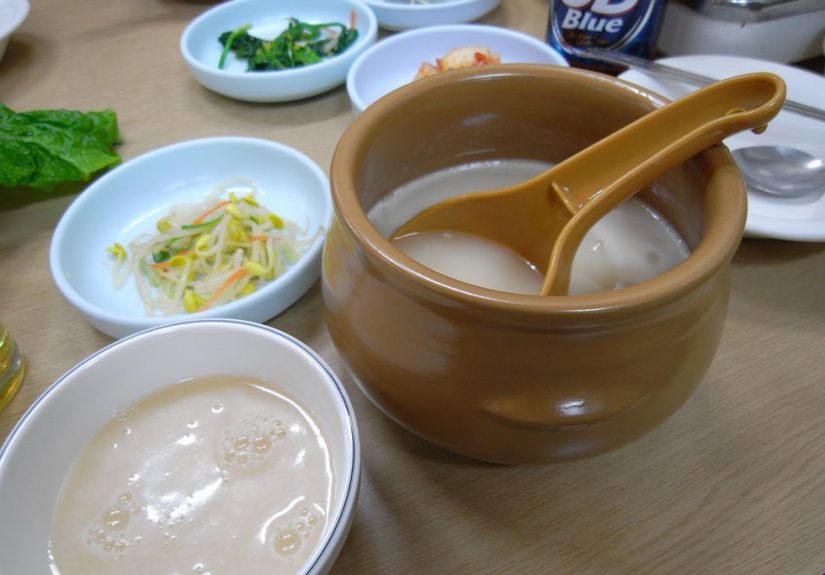
Makgeolli is a fermented Korean rice wine that’s typically unfiltered or only lightly filtered.
That’s why it’s famously cloudy and why it can taste creamy even though it usually contains no dairy.
Compared to spirits like soju, makgeolli is generally lower in alcohol and more “alive” in flavoroften gently tangy, a little sweet,
and sometimes faintly bready or yogurty (again: no yogurt required).
The drink is often described as lightly sparkling because natural fermentation can leave behind a soft fizz.
Think: a friendly, mellow effervescencenot fireworks. If wine is a string quartet, makgeolli is a garage band with excellent vibes.
Why Is Makgeolli Cloudy and Milky?
The cloudiness comes from suspended rice solids and fermentation byproducts that stay in the drink instead of being fully filtered out.
Many beverages chase “crystal clear.” Makgeolli proudly shows up like, “I contain… character.”
That visual haze is a clue to its style: it’s meant to be rustic, hearty, and communal, not polished into neutrality.
How It’s Made (No Lab Coat Required)
Traditional makgeolli is built on a simple trio: rice, water, and nuruk.
Nuruk is a fermentation starter culture that helps convert starches into sugars and supports fermentation.
Different nurukand different grainscan change the aroma, tartness, sweetness, and overall complexity.
Nuruk: The Tiny MVP
If you’ve heard of koji in Japanese fermentation, nuruk lives in a similar neighborhood of “starter cultures that do serious work.”
It’s a traditional Korean fermentation starter that can include a mix of microorganisms and enzymes that help drive flavor development.
The result is a drink that can lean floral, funky, fruity, nutty, or gently sour depending on ingredients and technique.
Layers, Cousins, and Related Drinks
When a fermented rice beverage settles, you may notice layers. In traditional Korean terminology, the clearer portion can be associated
with cheongju (clear rice wine), while the cloudier portion aligns with takju styles.
This family tree matters because it explains why “Korean rice wine” isn’t one single tasteit’s a whole ecosystem.
What Does Makgeolli Taste Like?
Makgeolli’s flavor is famously hard to summarize because it’s not trying to be one-note.
Common descriptors include sweet-tart, creamy, lightly tangy, and gently fizzy.
Some versions taste clean and soft; others carry more funk, graininess, or a farmhouse vibe that fans compare to sour beer, kombucha, or natural wine.
The biggest surprise for many first-timers is that “rice wine” doesn’t mean “tastes like white wine.”
Makgeolli can feel more like a fermented grain beverage with a round, smooth textureless grape aromatics, more subtle sweetness and acidity.
A Quick History: From Everyday Staple to Modern Revival
Makgeolli is often described as one of Korea’s oldest alcoholic drinks, long associated with everyday peopleespecially farmers and laborers
because it was relatively accessible and filling. Over time, its image has swung like a pendulum: traditional and humble in one era,
then overshadowed by other popular drinks, and now gaining new attention again.
In recent years, writers and food publications have highlighted how a new generation of producers and drinkers are reframing makgeolli:
less “cheap and cloudy,” more “craft fermentation with deep cultural roots.” That shift has helped makgeolli show up in more curated spaces,
including American restaurants, bars, and specialty beverage conversations.
Styles of Makgeolli You Might Hear About
Makgeolli isn’t a single standardized product. It ranges from simple, lightly sweet versions to complex, nuanced expressions with pronounced acidity,
fruit notes, or earthy grain character. Here are a few broad style distinctions people talk about:
Fresh vs. Shelf-Stable
Some makgeolli is made and sold in a way that preserves active fermentation character and freshness, while other versions are processed to increase stability.
This difference can affect flavor intensity, fizz, and how the drink evolves over time. It’s one reason two bottles labeled “makgeolli” can taste wildly different.
Classic “Plain” vs. Flavored
Traditional makgeolli often highlights the grain and fermentation profile.
Modern brandsespecially those courting new audiencessometimes introduce fruit-forward variations or flavor infusions.
Purists may debate what “counts,” but the bigger truth is that makgeolli has always been shaped by local ingredients and practical realities.
Commercial vs. Craft
Large-scale makgeolli can be designed for consistency and wide distribution.
Craft producers may lean into small-batch fermentation, specialized rice varieties, or techniques that emphasize layered aromas and texture.
Food media in the U.S. has covered a growing interest in these newer producers and the way they position makgeolli in the broader “fermentation-forward” world.
Is Makgeolli “Healthy”? Let’s Be Grown-Up About It
Makgeolli is sometimes discussed alongside fermentation trends, and you’ll hear people mention things like probiotics or “live cultures.”
Here’s the balanced reality: makgeolli can contain fermentation byproducts and may have microorganisms depending on how it’s produced,
but it is still an alcoholic beverage. Alcohol isn’t a wellness supplement, and it’s not a shortcut to gut health.
If you’re researching makgeolli because you love fermentation science, that’s awesome.
But when it comes to health, the smartest move is treating it like what it is: a cultural food-and-drink tradition that belongs in an adult context,
not a functional beverage aisle.
Why Makgeolli Is Getting Attention in the U.S.
A few forces are colliding in makgeolli’s favor:
- Korean food is mainstream in more American cities than ever, and curiosity naturally expands beyond barbecue into traditional drinks.
- Fermentation is having a moment, from sour beers to kombucha to natural winesmakgeolli fits that “complex but approachable” niche.
- New American producers and brands have experimented with packaging, flavor profiles, and storytelling that helps makgeolli feel less mysterious.
- Restaurant culture has embraced “shareable” experiences, and makgeolli has always been about community and the table.
Recent U.S. coverage has highlighted makgeolli-focused programs and venues that treat it with the same respect people give craft beer, natural wine,
or small-batch ciderplacing it in a broader conversation about tradition, identity, and modern taste.
Makgeolli and Korean Food Culture: More Than Just a Drink
In Korean dining culture, drinks often exist as part of the meal and the social moment, not as a separate “cocktail hour” category.
You’ll also hear the term anju, which refers to food enjoyed alongside alcoholic beverages.
Makgeolli’s soft acidity and gentle sweetness have historically made it a friendly companion to savory foodsespecially dishes with crisp textures or spice.
One beloved cultural detail that pops up in food writing: on rainy days, people often crave Korean pancakes like pajeon,
and makgeolli is a classic partner in that tradition. The explanation is poetic and practical at once:
the sizzle of pancakes is said to echo the sound of rain, and the pairing feels cozy and communal.
Common Questions People Ask About Makkoli
Is makgeolli the same as soju?
No. Soju is typically a distilled spirit (clear and stronger), while makgeolli is generally fermented,
cloudy, and lower in alcohol. They’re cousins in Korean drinking culture, not twins.
Is it always made from rice?
Rice is the headline ingredient, but traditional practices can also involve other grains depending on region, availability, and producer style.
The fermentation starter and technique influence the final flavor just as much as the grain choice.
Why does it taste different from bottle to bottle?
Makgeolli is not one uniform product: production methods, ingredient choices, processing for stability, and brand style vary widely.
That diversity is part of the appealmakgeolli is a category with range, not a single “one taste fits all.”
What to Notice When You Encounter Makgeolli (A Quick “Taste Vocabulary”)
Without turning this into a sommelier audition, here are a few simple sensory cues that writers often use when describing makgeolli:
- Aroma: rice, steamed grain, light fruit, gentle floral notes, or a faint tang.
- Texture: silky, creamy, slightly grainy, sometimes lightly carbonated.
- Balance: sweetness vs. acidity; some styles lean dessert-like, others feel brisk and dry.
- Finish: clean, tangy, or faintly earthy depending on the starter culture and grain.
If your first encounter is confusing, don’t panic. Makgeolli isn’t trying to taste like your usual “wine or beer” categories.
It’s its own lanecloudy, fermented, and proudly traditional.
Experiences People Associate With Makgeolli (About )
Ask ten people about their first makgeolli experience and you’ll get ten versions of the same plot twist: “I did not expect it to taste like that.”
In American contexts, many first encounters happen at Korean restaurants, where the drink shows up with a gentle “trust me” energy.
The bottle looks opaque, the pour looks like something you’d stir into coffee, and your brain briefly flips through its files like,
“Do I… chew this?” Then you taste it and realize it’s surprisingly softtangy-sweet, lightly fizzy, and more refreshing than the word “rice wine” suggests.
Another common experience is the comparison game. People reach for familiar references: kombucha because of the fermentation tang,
sour beer because of the acidity and fizz, natural wine because it can feel rustic and alive, or even a mild yogurt drink because of the creamy impression.
None of these are perfect, but they help explain why makgeolli feels both approachable and “new” at the same time.
It doesn’t demand a lecture to enjoy, but it rewards curiosity if you like noticing flavor layers.
Makgeolli is also tied to mood and setting in a way that’s hard to separate from the taste. Food writers often highlight the communal side:
shared plates in the middle of the table, conversation that gets louder in the best way, and a general vibe of “we’re not rushing this.”
That’s why makgeolli shows up in stories about Korean drinking houses (sool jib) and modern bars that treat it as a feature, not an afterthought.
In those spaces, makgeolli becomes less of a novelty and more of a cultural ambassadorone that arrives with centuries of history but adapts easily
to contemporary menus.
Then there’s the rainy-day association that pops up again and again: pancakes like pajeon or kimchi jeon, the sound of sizzling batter,
and the cozy logic of pairing crisp, savory food with a drink that’s smooth and gently tart. Even if you didn’t grow up with that tradition,
it’s the kind of detail that makes makgeolli feel like more than a beverageit feels like a small ritual.
Finally, people often describe makgeolli as a “gateway” to deeper curiosity about Korean fermentationnuruk, jang, kimchi, and the broader idea
that flavor can come from time, microbes, and technique as much as from spices or sugar. You don’t have to become a fermentation hobbyist to appreciate that.
But it’s a common, relatable outcome: one cloudy bottle leads to a whole new appreciation for how culture, craft, and food traditions travel.
Makgeolli doesn’t just taste differentit invites you to notice why it’s different, and that’s a pretty memorable experience.
Conclusion
Makgeolli (makkoli) is Korean rice wine with a twist: cloudy, lightly fizzy, and shaped by fermentation traditions that prioritize texture,
flavor complexity, and community at the table. Its core building blocksrice, water, and nurukcreate a drink that can range from mellow and softly sweet
to tangy and craft-forward. Today, makgeolli’s revival is visible not only in Korea but also in the U.S., where fermentation culture, Korean cuisine’s growth,
and new producers are helping it feel both timeless and current.
If you’re learning about makgeolli for the first time, the most important takeaway is simple: it’s not “weird wine.”
It’s its own traditioncloudy on purpose, social by design, and historically woven into everyday Korean life.