Table of Contents >> Show >> Hide
- Pan de Muerto, Explained in One Delicious Sentence
- Why This Bread Matters on Día de los Muertos
- What Pan de Muerto Tastes Like (And Why People Obsess Over It)
- The Shapes and Symbols: Why Are There “Bones” on Bread?
- A Brief History: How Pan de Muerto Came to Be
- Regional Variations and Modern Twists
- How to Eat Pan de Muerto Like You Know What You’re Doing
- Where to Find Pan de Muerto in the United States
- Want to Bake Pan de Muerto at Home? Here’s the Game Plan
- Troubleshooting: When Your Bread Isn’t Giving “Warm Reunion,” It’s Giving “Math Homework”
- Conclusion: A Bread That Tastes Like Memory (But Also Like Butter)
- Real-Life Pan de Muerto Moments (That You Can Totally Steal)
If you’ve ever walked into a Mexican bakery in late October and smelled something buttery, citrusy, and just a little magical,
congratulations: your nose has excellent taste. That scent is often pan de muertothe iconic Day of the Dead bread
that shows up like clockwork right when the calendar gets spooky and everyone suddenly remembers they love carbs.
But pan de muerto isn’t “Halloween bread,” and it’s definitely not a novelty loaf shaped like a cartoon skeleton (though… give the internet time).
This traditional Día de los Muertos bread is a real-deal cultural staple: part offering, part comfort food, part edible symbol of remembrance.
And yes, it’s delicious enough to make you consider honoring your ancestors year-round.
Pan de Muerto, Explained in One Delicious Sentence
Pan de muerto (literally “bread of the dead”) is a soft, slightly sweet Mexican sweet breadoften enriched with eggs and butter,
perfumed with orange and sometimes anise, and traditionally baked in the days leading up to Día de los Muertos (November 1–2).
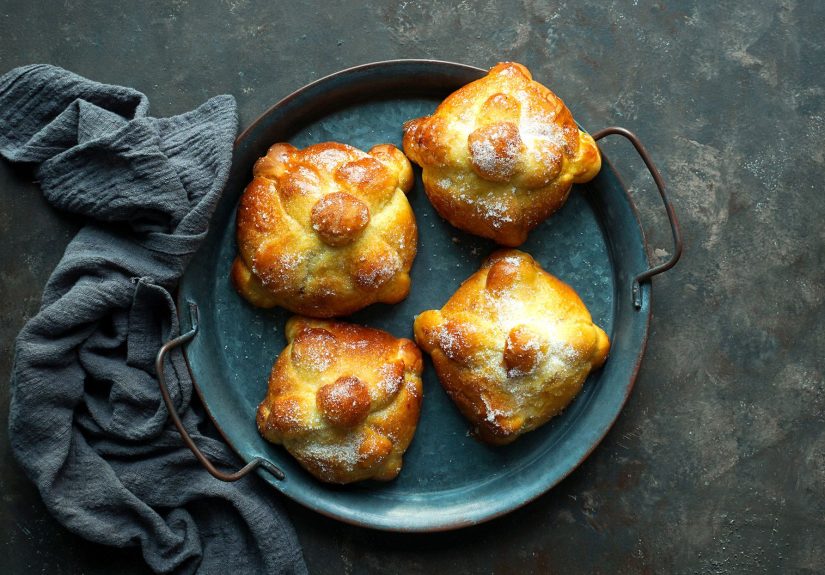
You’ll usually see it as a round dome with decorative dough “bones” on top, finished with butter and a snowfall of sugar. In other words:
it’s the rare holiday tradition that looks like symbolism and tastes like dessert.
Why This Bread Matters on Día de los Muertos
Día de los Muertos is a remembrance celebration observed around November 1 and 2, when families honor loved ones who have died.
In many homes, people build an ofrendaa memorial altar decorated with photos, candles, marigolds, water, and favorite foods and drinks.
The idea is welcoming the dead back with warmth, stories, and the flavors they enjoyed in life.
Pan de muerto is one of the most recognizable foods placed on an ofrenda. It can be an offering for visiting spirits,
a centerpiece for the altar, and (let’s be honest) a snack for the living who are doing all the decorating.
In some communities, people also bring foodincluding pan de muertoto cemeteries as part of the remembrance.
Offering vs. Eating: Yes, It’s Both
A common way to describe it: the bread is offered in spirit, and then shared in reality. It’s not “wasting food” or “just decoration.”
It’s a sensory bridgesomething that turns memory into a smell you can inhale and a bite you can share.
What Pan de Muerto Tastes Like (And Why People Obsess Over It)
Think of pan de muerto as the charming cousin of brioche: tender, rich, and lightly sweet, with a fine crumb and a pillowy bite.
It’s not candy-sweet; it’s “have another piece with coffee” sweet. And the flavor is where the personality lives.
The Signature Flavors
- Orange zest for brightness and that unmistakable bakery perfume
- Orange blossom water (in many versions) for a floral, aromatic lift
- Anise (often seeds) for a subtle licorice warmth that reads “holiday” without shouting
- Butter + sugar topping for the sparkly finish and slightly crisp-sweet exterior
Depending on the baker, you might also taste cinnamon, cardamom, or ginger; you might get sesame seeds; you might even find versions
made with sourdough or local grains. But the classic comboorange, gentle spice, buttery crumbstays the comfort-food core.
The Shapes and Symbols: Why Are There “Bones” on Bread?
Pan de muerto is famous for its decorations: dough strips laid across the top like bones, often with a round knob in the center.
The design can vary by region, but the symbolism tends to circle around the same themes: life, death, remembrance, and reunion.
Common Symbols You’ll See
- Round loaf: often interpreted as the cycle of life and deathno hard edges, no “end” point
- Bone-shaped strips: representing the deceased (and the fact that we’re not pretending death doesn’t exist)
- Center “skull” ball: a focal pointlike a reminder that the person being honored is the reason for the gathering
- Teardrops (in some traditions): grief, love, and the emotional side of remembering
- Cross-like layout (in many loaves): a nod to the blend of Catholic and Indigenous traditions
The overall vibe is surprisingly joyful. Pan de muerto doesn’t say “fear death.” It says “remember, share, laugh, and pass the bread.”
A Brief History: How Pan de Muerto Came to Be
The story of pan de muerto sits right at the intersection of culture, colonization, and kitchen ingenuity. Wheat-based baking arrived in Mexico
with Spanish influence, and over time, European-style breads and Catholic feast-day traditions blended with Indigenous remembrance practices.
Many explanations connect pan de muerto to older “bread for the dead” customs linked to All Saints’ and All Souls’ observances, while also reflecting
how Mexican communities kept Indigenous symbolism alivejust expressed through new ingredients like wheat flour, sugar, eggs, and citrus.
In other words: the bread is history you can tear into pieces.
Why This Blend Matters
Día de los Muertos itself is often described as a living traditionevolving across regions and families while keeping its central purpose:
honoring the dead without erasing the living. Pan de muerto fits that perfectly. It’s old, but it’s not stuck.
Regional Variations and Modern Twists
If you’ve only seen the classic round loaf with “bones,” you’ve met one member of a very large, very festive bread family.
Across Mexicoand in Mexican communities in the United Statesbakers shape and flavor pan de muerto in ways that reflect local identity.
Regional Styles You Might Encounter
- Oaxaca-style: you may see human-like shapes, “little faces” (caritas), or sesame-topped loaves; some versions feel more sculptural than bun-like.
- Michoacán: breads shaped like people (sometimes called “bread of souls” in related traditions), acting as edible stand-ins for the deceased.
- Central Mexico: the classic dome + bones design is especially common, often with orange blossom fragrance and a sugar crust.
New-School Pan de Muerto (Still Respectful)
Contemporary bakeries have pushed pan de muerto into creative territory: sourdough starters for extra depth, darker loaves,
unexpected toppings, filled versions (think cream, chocolate, or fruit), and artistic designs that look like they belong in a museum
right before you demolish them with a cup of coffee.
The best modern riffs keep the point intact: pan de muerto is seasonal, communal, and rooted in remembranceeven when it shows up wearing a new outfit.
How to Eat Pan de Muerto Like You Know What You’re Doing
There’s no single “correct” way to eat pan de muerto, but there are some classic pairings that feel practically mandatory once you try them.
Classic Pairings
- Hot chocolate (especially Mexican-style): rich, warm, and perfect for dunking
- Coffee: balances the sweetness and makes breakfast feel like a holiday
- Atole: a warm, comforting beverage often associated with Día de los Muertos foods
Serving Ideas (From Traditional to “I’m Just Here for the Butter”)
- Slice it and eat it plain while it’s freshsimple and perfect.
- Warm it slightly and add butter (because you’re an adult and can make excellent choices).
- Turn leftovers into French toast or bread puddingstill respectful, still delicious.
If you’re sharing pan de muerto at a Día de los Muertos gathering, the best etiquette is easy:
be curious, be kind, and don’t treat the tradition like a costume. Also: don’t take the last piece without offering it to someone else.
That’s not a cultural rule; that’s just good manners.
Where to Find Pan de Muerto in the United States
In many U.S. cities, Mexican bakeries (panaderías) start selling pan de muerto in October and keep it around through early November.
You’ll often spot stacks of sugar-dusted domes near conchas and other pan dulce favoritesbasically the bakery equivalent of seasonal decor, except edible.
What to Look For When Buying
- Freshness: it should feel light, not heavy like a doorstop disguised as bread.
- Aroma: orange and warm spice should hit you before you even open the bag.
- Topping: a good butter-sugar finish adds sparkle and texture without turning the loaf into a sugar brick.
- Detail: bone decorations should look intentional, not like the bread got into a fight with a shoelace.
If you can, buy from a bakery that specializes in Mexican breads. Pan de muerto is deceptively simpleits magic is in fermentation,
shaping, and that balance between tender crumb and fragrant flavor. When it’s done right, it doesn’t just taste good; it tastes like a season.
Want to Bake Pan de Muerto at Home? Here’s the Game Plan
Baking pan de muerto is absolutely doable at home, and it’s also the kind of project that makes your kitchen smell so good
you’ll consider charging admission. The basic method resembles other enriched yeast breads: mix, knead, rise, shape, rise again, bake, finish.
Key Ingredients (The “Don’t Skip This” List)
- Flour (all-purpose or bread flour, depending on the recipe)
- Yeast
- Eggs
- Butter
- Sugar + salt
- Orange zest (non-negotiable for that signature vibe)
- Optional but iconic: anise and/or orange blossom water
Shaping the Classic Look
- Form the main round: shape the dough into a smooth dome and set it on a baking sheet.
- Make the “bones”: roll remember-to-breathe ropes of dough, then shape them into bone-like strips.
- Add the center knob: a small ball of dough goes on top (often read as a skull).
- Let it rise: the second rise mattersthis is where you get that plush, airy crumb.
- Bake: until golden and fragrant.
- Finish: brush with melted butter and coat with sugar.
Pro Tips for a Better Loaf
- Go slow: enriched doughs benefit from patience; flavor improves with a proper rise.
- Mind the butter: add it when the dough has some strength so it can absorb fat without turning into goo.
- Don’t overflour: a slightly tacky dough can bake up tender; too much flour can make it dry.
- Use a scale if you can: it makes consistency easier, especially for enriched breads.
Troubleshooting: When Your Bread Isn’t Giving “Warm Reunion,” It’s Giving “Math Homework”
Problem: It’s Dense
Likely culprit: under-proofing or weak gluten development. Enriched doughs need time to rise, and they benefit from thorough kneading.
Give it warmth, time, and a little faith.
Problem: It’s Dry
Likely culprit: too much flour or overbaking. Pan de muerto should be tender. Check doneness earlier, and measure flour carefully.
Also, that butter-and-sugar finish helps lock in moistureso don’t be shy.
Problem: It Tastes Flat
Likely culprit: not enough salt, weak citrus, or rushed fermentation. Orange zest should be fragrant, and a slower rise often develops better flavor.
If your loaf tastes like “sweet bread, I guess,” bump the zest and consider anise or orange blossom water.
Conclusion: A Bread That Tastes Like Memory (But Also Like Butter)
Pan de muerto is more than a seasonal pastry. It’s a living tradition baked into a soft, fragrant loafone that carries symbolism,
family stories, and the warmth of gathering together. Whether you buy it from a neighborhood panadería, bake it at home, or taste it for the first time
alongside hot chocolate, the point is the same: remember the people you love, and share something sweet while you do.
And if that sharing happens to include a second piece “for research purposes,” well… your ancestors would probably approve. (They also had excellent taste.)
Real-Life Pan de Muerto Moments (That You Can Totally Steal)
Want the “experience” of pan de muerto to feel like more than grabbing a loaf and scrolling your phone? Here are a few real-world ways people
connect with this Día de los Muertos breadand how you can try them yourself, whether you grew up with the tradition or you’re meeting it now.
1) The Panadería Pilgrimage
Pick a Saturday morning in late October and go to a Mexican bakery earlylike “the sun is still deciding if it’s awake” early.
You’ll see the seasonal rhythm in action: trays of pan dulce, families choosing favorites, and the unmistakable mound of sugar-dusted pan de muerto
calling your name like a carb-shaped siren. Ask what day it’s baked fresh. If the person behind the counter lights up and starts explaining shapes,
you’ve struck cultural gold. Buy an extra loaf if you can; you’ll make someone’s day when you share it later.
2) The First Bite + The Right Drink
Don’t speed-run your first taste. Warm a slice for a few seconds, then pair it with coffee or hot chocolate. Take one bite without distractions.
The orange hits first, then the gentle sweetness, then the soft crumb that feels like a hug with excellent boundaries. If there’s anise,
it’s the background note that makes your brain go, “Wait… what is that?” (Answer: delicious.) This is the moment you realize why people wait for it all year.
3) Build a Mini-Ofrenda (Respectfully, Not Performatively)
You don’t need an elaborate altar to honor someone. A framed photo, a candle (or LED candle), a glass of water, and a small piece of pan de muerto
can be enough to create a quiet space for remembrance. The key is intention: think of the person, tell a story about them, write down a memory,
or play a song that reminds you of them. It’s not about aesthetics; it’s about presence. The bread becomes a tangible way to say,
“You’re still part of us.”
4) The “Teach It Forward” Slice
Bring pan de muerto to work, a potluck, or a friend hangnot as a “look at my exotic bread” moment, but as a conversation starter.
Offer a short, simple explanation: it’s a Day of the Dead bread, traditionally used as an offering and shared among the living.
People are usually curious, and curiosity is a great doorway to respect. Bonus tip: label it clearly so nobody mistakes the “bones” for… decorative pretzels.
5) Bake Night: Flour on Your Shirt, Joy in Your Kitchen
Make it an event. Put on music, zest oranges, let the dough rise while you clean as you go (future you will be emotionally grateful),
then shape the loaf with someone you like. The bone decorations are the fun partslightly spooky, slightly silly, and surprisingly calming.
When it bakes, your home smells like citrus and warm butter and accomplishment. Finish it with melted butter and sugar, then take a photo if you must
but eat it while it’s fresh. Share the first piece with someone, even if that someone is you. That’s still sharing. You count.
These experiences are the point: pan de muerto isn’t just a product. It’s a seasonal ritual you can participate inthrough taste, memory,
community, and a little bit of sugar stuck to your fingertips.