Table of Contents >> Show >> Hide
- What Exactly Is Rosé?
- How Rosé Gets Its Color
- Does Rosé Have to Be Sweet?
- What Does Rosé Usually Taste Like?
- Major Styles of Rosé Around the World
- The Grapes Behind Rosé
- How to Read a Rosé Label
- Is Rosé Only a Summer Wine?
- Does Rosé Age Well?
- Rosé in the Real World: Common Experiences, Myths, and Cultural Moments
- Conclusion
- SEO Tags
Rosé is the pink middle child of the wine world, and frankly, it has had enough of being underestimated. People see the color and immediately start making assumptions: it must be sweet, it must be simple, it must belong next to a pool float shaped like a flamingo. Cute theory. Not always true.
In reality, rosé is one of the most flexible and misunderstood wine styles on the planet. It can be pale or vivid, still or sparkling, crisp and mineral or richer and more structured. Some bottles are light and breezy, while others are serious enough to make wine nerds start using phrases like “textural tension” with a straight face. If you have ever wondered what rosé actually is, how it gets its color, why some bottles are bone-dry while others lean fruity, and what all those words on the label mean, this guide will clear the pink fog.
What Exactly Is Rosé?
Rosé is a style of wine made primarily from red grapes, but unlike red wine, the grape skins stay in contact with the juice for only a short time. That limited skin contact is what gives rosé its signature pink color. Think of it as wine’s version of a light tan instead of a full summer sunburn.
Because rosé starts with red grapes, many people expect it to taste like watered-down red wine. That is not how it works. Rosé is usually made to highlight freshness, brightness, and fruit character rather than heavy tannins or deep extraction. It often behaves more like a category of its own than a halfway point between red and white.
Rosé is also not one single flavor profile. It can show notes commonly described as strawberry, cherry, citrus peel, melon, herbs, flowers, or even savory spice, depending on the grapes, region, and winemaking choices. In other words, “pink wine” is technically correct, but it tells you about as much as saying a smartphone is “a rectangle.”
How Rosé Gets Its Color
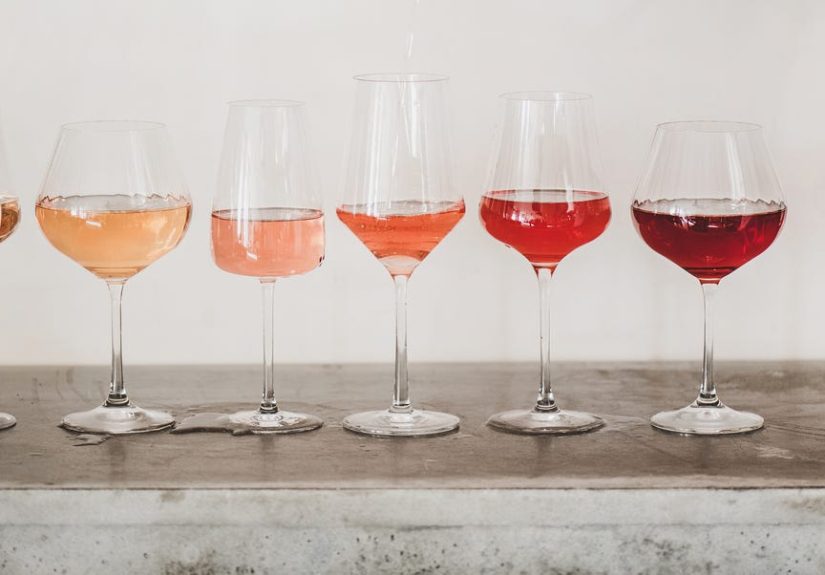
The color in rosé comes from pigments in red grape skins. Winemakers control the final shade by deciding how long those skins remain with the juice. A little contact can create a pale salmon hue. More contact can push the wine toward watermelon, copper, coral, or deep ruby-pink.
1. Short Skin Contact or Direct Press
This is the method many people most closely associate with classic dry rosé. Red grapes are crushed or pressed, and the juice spends only a brief period with the skins before fermentation continues without them. The result is often a fresher, lighter, and more delicate style.
2. Saignée
Saignée, which means “bled” in French, involves drawing off some juice from a tank that is also being used for red wine production. That juice is then fermented separately into rosé. Saignée rosés can have more color, body, and concentration than very pale direct-press examples. They are often fruit-forward and fuller in personality.
3. Blending
The idea of simply mixing red and white wine to make rosé is one of the biggest myths in wine. For still rosé, that is generally not the standard approach. However, blending can be used in some sparkling rosé production, especially in well-known traditional sparkling regions. So the rumor is not entirely wrong; it is just usually wrong in the context people mean.
Does Rosé Have to Be Sweet?
No. Absolutely not. Rosé can be dry, off-dry, or sweet, just like other wine categories. The pink color does not automatically mean sugar, and a darker shade does not automatically mean a sweeter wine either. Color mainly tells you about grape variety and skin contact, not the sugar level.
This is where confusion often begins. Many drinkers in the United States first met pink wine through sweeter styles, especially White Zinfandel, which helped make rosé famous but also left behind the idea that all pink wine tastes like strawberry candy. Some rosés do lean fruity or slightly sweet, but many of the world’s best-known examples are dry, crisp, and structured.
So if someone says, “I don’t like rosé because it’s too sweet,” what they often mean is, “I had one style once and promoted it to the role of entire category spokesperson.” An understandable mistake. A hilarious one, but understandable.
What Does Rosé Usually Taste Like?
Rosé does not have one universal flavor, but it often falls into a few broad families. Lighter and drier styles may show citrus, underripe strawberry, red currant, white peach, or herbal notes. Richer rosés can lean toward raspberry, watermelon, blood orange, cherry, spice, and even a faint savory edge.
The grape matters. Grenache-based rosés often read as generous and red-fruited. Pinot Noir rosés can be bright, delicate, and lifted. Sangiovese rosato may feel more savory and cherry-toned. Tempranillo rosado can bring structure and deeper fruit. Syrah-based rosé may show darker fruit and spice.
Texture matters too. Some rosés are feather-light and zippy. Others have more body and grip. Sparkling rosé adds bubbles to the equation, which changes the mouthfeel completely. That is why one rosé can feel quietly elegant while another feels like it showed up wearing sequins and confidence.
Major Styles of Rosé Around the World
Provence Rosé
When many people picture rosé, they are really picturing Provence. This southern French region helped define the modern image of pale, dry rosé with bright acidity and subtle fruit. Provence rosé often emphasizes freshness, delicacy, and a refined, understated profile. It is famous not because it is the only rosé style, but because it became the one many markets decided looked like “the” rosé.
Tavel
Tavel, in the Rhône Valley, is almost the opposite of the whispery Provence stereotype. Tavel rosés are often deeper in color, more structured, and more powerful. They remind the world that rosé can be serious and layered, not just light and breezy.
Spanish Rosado
Spain produces rosado in a range of styles, often from grapes such as Garnacha and Tempranillo. Depending on the producer and region, these wines can be fresh and bright or more vividly colored and fuller in flavor. Spanish rosado is a good reminder that rosé is not locked into one color palette or one personality.
Italian Rosato
Italian rosato spans everything from crisp, savory coastal wines to richer, more characterful bottlings from native grapes. It tends to reward curious readers of labels because regional identity matters a lot in Italy. One bottle may feel citrusy and stony, another cherry-toned and herbal.
American Rosé
In the United States, rosé ranges from dry Provence-inspired styles to fruitier, more casual bottlings. California remains a major producer, but rosé is made in many wine regions across the country. U.S. rosé also includes the famous White Zinfandel branch of the family tree, which is sweeter and stylistically distinct from most dry rosés.
Sparkling Rosé
Sparkling rosé deserves its own lane. It can be made in multiple ways and can vary from very light and floral to richer and more vinous. The bubbles add lift, but the core identity still depends on grape choice, method, and region.
The Grapes Behind Rosé
One of the most interesting things about rosé is that it can be made from many different red grapes. There is no single “rosé grape.” Instead, the final style depends on which variety is used and how the wine is made.
- Grenache: Often associated with juicy red fruit, citrus, and a generous feel.
- Pinot Noir: Frequently lighter in color with finesse and lifted fruit.
- Syrah: Can bring spice, body, and darker fruit notes.
- Sangiovese: Often more savory, with cherry and herbal tones.
- Tempranillo: Common in Spanish rosado, often structured and food-friendly in style.
- Zinfandel: Best known in pink form through White Zinfandel, usually on the sweeter side.
- Mourvèdre and others: Often used in blends to add depth, texture, or earthy notes.
That grape diversity is part of rosé’s charm. It is not one flavor wearing twelve outfits. It is twelve genuinely different expressions sharing a color family.
How to Read a Rosé Label
If you are looking at a rosé label for clues, start with the region and grape. Terms like rosé, rosado, and rosato all indicate pink wine, but they also hint at where the bottle comes from. Provence suggests a classic pale dry style. Tavel hints at a more robust expression. White Zinfandel usually points toward a sweeter profile.
Words such as Brut Rosé signal a sparkling style that is typically dry. A grape named on the label, such as Pinot Noir Rosé or Grenache Rosé, tells you something about likely fruit character and body. If the label emphasizes a famous region rather than a grape, regional tradition may matter more than varietal identity.
Color can be visually helpful, but it should not be your only clue. Pale does not guarantee dry. Dark does not guarantee sweet. The label, producer, region, and style terms usually tell a more complete story than the shade in the glass.
Is Rosé Only a Summer Wine?
Not really. Rosé became heavily tied to summer marketing, outdoor imagery, and a certain carefree lifestyle aesthetic, but that is branding, not a law of physics. Wine writers and educators increasingly point out that rosé can be serious, versatile, and worth discussing all year long.
Some rosés are indeed made in a fresh, youthful style that fits warm-weather drinking culture. Others are structured enough to feel perfectly at home in cooler months or at a more formal table. The idea that rosé belongs only in July is a little like saying sweaters belong only in movies set in New England. Stylish, sure. But hardly the whole story.
Does Rosé Age Well?
Most rosé is produced to emphasize freshness and is generally best when young. That does not mean it is low quality. It simply means the style is often built around brightness, fruit, and energy rather than long cellar development.
That said, there are exceptions. More structured rosés, including certain sparkling rosés and deeper, more robust regional styles, can evolve with time. Still, as a broad rule, rosé is usually not trying to become an ancient philosophical object in your basement. It is usually trying to be vivid, expressive, and alive in its youth.
Rosé in the Real World: Common Experiences, Myths, and Cultural Moments
Rosé has one of the strangest public reputations in wine because so many people encounter it before they understand it. They see a pink bottle at a store, on a menu, in a magazine, or floating through social media in a cloud of beach towels and sunset lighting. The first experience is often visual, not educational. That shapes expectations immediately.
A common real-world experience is simple label confusion. Someone notices one rosé that is pale and elegant-looking, then sees another that is bright pink and assumes the darker bottle must be sweeter or less serious. That is a very normal guess, but it is not a reliable one. Many people discover rosé by realizing that color is a clue, not a verdict. The moment that clicks, the category suddenly gets a lot more interesting.
Another common experience is the White Zinfandel effect. For many Americans, that sweeter style became the entry point to pink wine. Later, when they meet a dry rosé from Provence, Spain, California, or Italy, it can feel like a category plot twist. “Wait, this is rosé too?” Yes. Same broad family, very different expression. That surprise is one reason rosé education matters more than people think.
Rosé also creates a funny tension between image and substance. Its marketing history has leaned hard into beauty: pale color, clear glass, elegant labels, aspirational scenery, and a social media presence strong enough to deserve its own ring light. But behind the pretty packaging is real winemaking craft. Grapes may be farmed specifically for rosé. Harvest timing matters. Skin contact decisions matter. Pressing and fermentation choices matter. In better bottles, rosé is not an afterthought. It is intentional.
For many readers, the most relatable rosé experience is probably the moment they stop treating it as a novelty and start reading it like any other wine. They look at the region. They notice the grapes. They compare a Provençal rosé with a Tavel, or a Pinot Noir rosé with a Garnacha-based rosado. Suddenly rosé is no longer “that pink stuff.” It becomes a category with geography, vocabulary, and nuance.
There is also a broader cultural experience attached to rosé: it has become a symbol of approachability. Wine can sometimes look intimidating, packed with tradition, jargon, and price signaling. Rosé often feels more open at first glance. That accessibility helps people enter the wine conversation without feeling they need a dictionary and a blazer. Then, once they are in, they discover the category has more depth than expected. Rosé is friendly, but it is not shallow.
Perhaps that is why rosé keeps lasting beyond trends. It works on more than one level. It can be visually inviting, commercially successful, and genuinely complex. It can attract beginners and still reward experts. It can show regional identity, grape character, and technique without demanding that everyone talk like a sommelier. That balance is rare.
So the most telling experience around rosé may be this: people come for the color, then stay for the details. And that, for any wine style, is a pretty impressive trick.
Conclusion
Rosé is not a watered-down red, not a default sweet wine, and not just a seasonal fashion accessory in bottle form. It is a wide, global category made mostly from red grapes with limited skin contact, and its styles stretch from pale and mineral to deep and structured, from still to sparkling, from dry to sweet.
The key to understanding rosé is to stop treating the color as the whole story. The region, grape, production method, and style matter far more. Once you know that, rosé becomes less of a trend and more of a language. And like any good language, it gets more interesting the more fluently you read it.