Table of Contents >> Show >> Hide
- What Is Snow Mold?
- What Snow Mold Looks Like in Real Life
- Why Snow Mold Happens
- Snow Mold or Something Else? Quick Look-Alikes
- How To Remove Snow Mold (And Help Your Lawn Recover)
- Step-by-Step Spring Snow Mold Removal
- Step 1: Wait until the lawn is ready
- Step 2: Gently rake to “fluff” the matted grass
- Step 3: Remove debris and loosen the surface
- Step 4: Mow when growth resumes (and keep the blade sharp)
- Step 5: Patch decisionswait, overseed, or renovate
- Step 6: Feed, but don’t overfeed
- Step 7: Water smart and improve airflow
- Should You Use Fungicide for Snow Mold?
- How To Prevent Snow Mold Next Winter
- FAQ: Quick Answers That Save You a Weekend
- Common Experiences With Snow Mold (And What People Learn the Hard Way)
- Conclusion
Snow mold is the lawn equivalent of waking up after a long nap, looking in the mirror, and realizing you slept on your face.
When the snow finally melts, you step outside expecting a cheerful green comeback… and instead you find matted, pale patches that look like your grass got flattened by a fuzzy pancake.
That’s snow moldan early-spring surprise that’s common in snowy regions and usually fixable with the right game plan.
The good news: most lawns recover. The better news: you don’t need to “scrub” your yard like a bathtub. Snow mold is a turfgrass disease caused by cold-loving fungi,
and your job is mainly to help the lawn dry out, breathe, and regrow.
What Is Snow Mold?
Snow mold is a fungal disease that develops when grass stays cold and damp for long stretchesoften under snow cover, but sometimes during chilly, wet weather even without snow.
It tends to show up in late winter or early spring as the snow retreats, leaving discolored, circular patches of matted grass.
The Two Main Types: Gray vs. Pink
Snow mold usually falls into two buckets:
-
Gray snow mold (often called “Typhula blight”): typically needs extended snow cover.
It usually damages the grass blades more than the roots, which means it looks dramatic but often isn’t fatal. -
Pink snow mold (often called “Microdochium patch”): can happen with or without snow.
It’s generally more aggressive because it can affect crowns (the living base of the plant) and sometimes causes real thinning or dead spots.
Visually, both can create straw-colored or grayish patches. Pink snow mold may show a pinkish cast at the edges in wet conditions or sunlight (it’s subtledon’t expect neon).
Gray snow mold may show tiny dark “peppercorn” specks (fungal structures) on blades after the snow melts.
What Snow Mold Looks Like in Real Life
Snow mold doesn’t usually announce itself with a billboard. It’s more like a quiet houseguest who leaves a mess when they leave.
Common signs include:
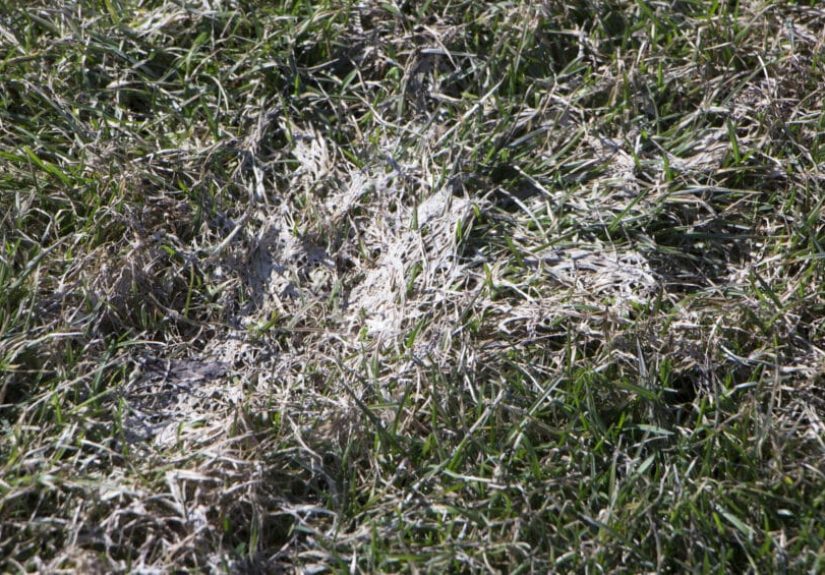
- Round or irregular patches of matted grass, from a few inches to a few feet wide
- Pale tan, gray, or straw-colored turf that looks “glued down”
- Webby or fuzzy growth when things are still damp
- Slow green-up compared to the rest of the lawn
A classic clue is location: patches often show up where snow lingered the longestnear driveways, fences, shaded corners, or wherever snow got piled up like a winter landfill.
Why Snow Mold Happens
Snow mold is basically a “perfect storm” problem. The fungi like cool temperatures, moisture, and low airflow.
When snow sits on grass for weeks, it creates a humid, insulated zone that can keep the ground unfrozen and dampideal conditions for disease activity.
Risk Factors That Invite Snow Mold to Move In
- Prolonged snow cover (especially deep snow that sticks around)
- Snow piles from shoveling or plowing that melt slowly
- Too much thatch (a thick layer of undecomposed grass stems that holds moisture)
- High nitrogen late in the season (encourages lush, tender growth that mats down)
- Grass left too tall going into winter (more matting, less airflow)
- Leaves left on the lawn (traps moisture and blocks lightbasically a blanket for fungi)
- Shade, compaction, and poor drainage (all slow drying)
Snow Mold or Something Else? Quick Look-Alikes
Before you declare fungal war, it helps to rule out other winter lawn villains:
1) Vole damage
Voles can create thin trails or runways through grass. You’ll see narrow paths rather than circular patches,
and sometimes little openings in the turf.
2) Salt or de-icer injury
Near sidewalks and driveways, salt damage can cause browning in streaks or along edges. It’s often sharper-edged than snow mold patches.
3) Winter desiccation (drying out)
Wind and sun can dry grass when the ground is frozen, leading to brown areasoften more noticeable on exposed sites.
4) General winter matting
Sometimes grass is simply flattened. If the turf quickly perks up after gentle raking and warmer weather, it may not be true disease.
How To Remove Snow Mold (And Help Your Lawn Recover)
Here’s the mindset shift that saves time: you’re not “killing” snow mold as much as you’re changing the environment so it can’t keep thriving.
Most fungi stop being active once conditions turn warmer and drier. Your job is to speed up the drying, reduce matting, and support regrowth.
Step-by-Step Spring Snow Mold Removal
Step 1: Wait until the lawn is ready
If the soil is soggy and you sink when you walk, pause. Raking and foot traffic on saturated turf can tear plants and compact soil.
Aim for a day when the surface is drying and the ground feels firmer.
Step 2: Gently rake to “fluff” the matted grass
Use a leaf rake (not a metal dethatching rake set to “rage mode”) and lightly comb the matted areas.
The goal is to lift blades, increase airflow, and let sunlight reach the base of the grass.
Think of it like detangling hair: start gently, don’t yank, and you’ll avoid turning a cosmetic issue into a bald spot.
Step 3: Remove debris and loosen the surface
Pull out dead leaves, clumps, and any thick thatch you can easily lift. If the area is heavily layered with thatch,
consider a proper dethatching later in the season when grass is actively growingspring is fine, but timing matters.
Step 4: Mow when growth resumes (and keep the blade sharp)
Once the lawn starts growing, a light mow helps stimulate tillering (new shoots) and evens out recovery.
Don’t scalp; mowing too low stresses the grass. A sharp blade prevents tearing already-stressed leaf tissue.
Step 5: Patch decisionswait, overseed, or renovate
After raking and a bit of warm weather, many patches green up on their own. If you see bare soil or obvious thinning after 2–3 weeks of active growth, it’s time to help.
- Minor thinning: Overseed lightly and keep the seedbed evenly moist until established.
- Dead spots: Rake out loose debris, add a thin layer of topsoil/compost, reseed, and protect from foot traffic.
- Large recurring areas: Consider adjusting drainage, sunlight, or snow-pile habitsor switching to a more suitable grass type for your site.
Step 6: Feed, but don’t overfeed
A light spring fertilization can support recovery, especially if your lawn is nutrient-poor. Avoid blasting heavy nitrogen early,
because pushing super-fast, lush growth can backfire (and can make disease issues more likely in general).
Step 7: Water smart and improve airflow
Water only as needed for seed establishment or during dry spells. Constantly wet turf is basically a luxury resort for fungi.
If the area is shaded or stays wet, trimming back plants to increase sun and airflow can make a noticeable difference.
Should You Use Fungicide for Snow Mold?
For most home lawns, fungicide is not the go-to for spring “cleanup.” Snow mold is typically managed with cultural practices and patience.
Fungicidewhen used at allis usually applied preventively in late fall for lawns with a serious history of damage (or for high-value turf where appearance matters a lot).
If you’re dealing with repeated, severe outbreaks year after yearespecially if you suspect pink snow moldtalk with a local extension office or licensed turf professional.
They can confirm the cause and advise on labeled options and timing based on your region.
How To Prevent Snow Mold Next Winter
Prevention is where you get the biggest payoff. The goal is simple: reduce the damp, matted conditions snow mold loves.
Here’s a practical checklist that doesn’t require turning your lawn into a science project.
Fall Lawn Care Checklist
-
Keep mowing until growth stops, and lower the mowing height slightly for the final cuts.
Don’t scalp the lawnjust avoid going into winter with tall, floppy grass. - Remove leaves and heavy debris. A thick leaf layer traps moisture and creates the “sealed lid” effect under snow.
-
Go easy on late-season nitrogen. Heavy nitrogen late in fall can create lush growth that mats under snow.
Follow a region-appropriate fertilization plan (cool-season lawns often do best with a thoughtful fall schedule, not a last-minute nitrogen party). - Reduce thatch if your lawn feels spongy. Thatch holds moisture and keeps the turf surface humid.
- Aerate compacted areas so water drains better (especially in heavy clay or high-traffic zones).
Winter Habits That Matter More Than You Think
-
Don’t pile snow on the grass if you can avoid it. Spread it out so it melts faster.
Big drifts extend snow cover and create long-lasting dampness. - Avoid walking repeatedly over snowy turf in the same tracks. Compaction can make spring recovery slower.
- Be cautious with de-icers near the lawn edge. Salt damage can mimic disease and adds stress.
Grass Choice and Site Tweaks
If snow mold is a repeat offender in one particular spot (same corner every year), the lawn is telling you something.
Consider:
- Fixing drainage (regrading low areas, extending downspouts, improving soil structure)
- Reducing shade (pruning trees, choosing shade-tolerant grass blends where appropriate)
- Overseeding with resilient varieties suited to your region and conditions
FAQ: Quick Answers That Save You a Weekend
Will snow mold kill my lawn?
Often, no. Gray snow mold usually damages blades and looks worse than it is. Pink snow mold can be more damaging,
but many lawns still recover with proper spring care.
Can I just ignore it?
Sometimes yesespecially if patches are small. But gentle raking speeds drying and recovery, and removing debris helps prevent other spring issues.
When should I reseed?
If you still see thin or bare areas after the lawn has had time to actively grow, reseed. For many regions, early fall is the best time to renovate large areas,
but spring overseeding works for smaller patches.
Is snow mold dangerous to people or pets?
Snow mold in lawns is primarily a turf issue. Still, it’s smart to wear gloves when raking out matted, moldy debris (good advice for life in general),
and keep pets from eating clumps of fungus or dead grass.
Common Experiences With Snow Mold (And What People Learn the Hard Way)
The internet loves a neat “before and after,” but real lawns are messy, moody, and occasionally dramatic.
Below are common snow mold experiences homeowners run intoplus the lessons that tend to stick.
These aren’t one-person diary entries; they’re patterns that show up again and again in cold-climate lawn care.
1) The “Snowbank Souvenir”
A very typical story: the lawn looks fine everywhere… except the area next to the driveway where snow was piled all winter.
When that pile finally melts, there’s a big, matted, straw-colored patch underneath. Homeowners often assume the grass is dead-dead.
Then they rake gently, the weather warms, andsurprisegreen shoots start popping up within a couple weeks.
The lesson: snow piles extend wet conditions. Even if the fungus is involved, the grass may still be alive at the crown.
Next winter, people try spreading snow out more or choosing a different dumping spot (like a designated “snow corner” that’s easier to repair).
2) The Leaf Blanket Regret
Another classic: autumn gets busy, leaves accumulate, and “I’ll do it later” becomes “hello, April.”
Under the snow, those leaves hold moisture, block light, and compress the grassbasically turning a small fungus-friendly microclimate into a deluxe suite.
In spring, the affected area often shows heavier matting and slower green-up than surrounding turf.
The lesson: leaf cleanup isn’t just about looks; it’s about airflow and dryness. Many homeowners swear that one good late-fall cleanup reduced snow mold the following year.
3) The Late-Fall Fertilizer Oops
People love a “final boost” before winterbecause we all want to feel productive right before hibernation season.
But heavy nitrogen late in the fall can push lush growth that doesn’t have time to toughen up.
That extra-soft, extra-dense grass mats down under snow and stays wetter longer.
The spring result can be more noticeable snow mold patches and a lawn that looks like it partied too hard over winter.
The lesson: follow a region-appropriate fertilizer schedule instead of improvising. When homeowners switch from last-minute heavy feeding to a smarter fall plan,
they often notice fewer issues.
4) The “I Raked It Like I Was Angry at It” Setback
It’s understandable: seeing grayish, matted patches makes people want to attack the problem with enthusiasm.
But aggressive raking on soggy ground can rip out living grass, creating the very bare spots people were trying to avoid.
Homeowners who had the best results tend to do two things: (1) wait until the surface is drying, and (2) rake gently in multiple passes rather than trying to fix it in one heroic afternoon.
The lesson: with snow mold, you’re helping the lawn breathenot sanding it down.
5) The Patience Payoff
One of the most common “aha” moments is realizing that snow mold often looks worst right when the snow meltsexactly when grass is least ready to bounce back.
People who give the lawn a little time, clean it up lightly, and let warmer weather arrive are often relieved to see recovery without drastic measures.
The lesson: if you rake, mow correctly once growth begins, and patch only what truly needs patching, you can avoid overcorrecting.
6) The “Same Spot Every Year” Clue
Many homeowners notice snow mold returns to the same shaded, low, or slow-drying area annually.
That’s a hint that the environmentnot just the fungusneeds attention.
Common fixes that people report working include improving drainage (even small regrading or downspout changes),
reducing shade by selective pruning, aerating compacted soil, and overseeding with grass that fits the site better.
The lesson: recurring snow mold is often a “site conditions” message delivered by a fungus-shaped messenger.
The overall takeaway from these experiences is pretty encouraging: snow mold is rarely a lawn apocalypse.
It’s more like a seasonal speed bump. The combination that tends to work best is gentle spring cleanup, smart patching,
and a fall routine that prevents wet, matted turf from sitting under snow for weeks.
Conclusion
Snow mold can make your lawn look rough at the exact moment you’re craving spring. But with the right approachgentle raking, patience, and targeted repairyou can usually bring turf back without drama.
Then, with a few fall tweaks (shorter final mowing, leaf cleanup, balanced fertility, and less snow piling), you can reduce the odds of a repeat performance next winter.
In other words: your lawn can recover, and you can stop side-eyeing the snowbank like it’s personally insulting you.