Table of Contents >> Show >> Hide
- First Things First: Slow Down and Confirm What You’re Dealing With
- Set Up the Home Like You Mean It
- How to Protect the Rest of the Household
- How to Care for Mild COVID-19 at Home
- Call Early if the Person Is High Risk
- When Kids Have COVID-19 at Home
- When It Is Time for Urgent or Emergency Care
- What Recovery Usually Looks Like
- A Simple Household COVID Checklist
- Final Thoughts
- Experiences When COVID-19 Hits Home: What It Often Feels Like in Real Life
COVID-19 has a way of arriving like an uninvited houseguest who somehow eats all the snacks, takes over the schedule, and makes everyone suddenly care a whole lot about thermometers. When it shows up at home, the first job is not to panic. The second job is to get organized fast. A calm, practical plan can lower the chance of spreading illness through the household, help the sick person recover more comfortably, and make it easier to spot the moment when home care is no longer enough.
If you have been through this before, you already know the routine can feel half nurse’s station, half laundry Olympics. But the basics still matter: test smart, reduce close contact, improve airflow, manage symptoms, and watch for warning signs. The good news is that many people recover at home with rest, fluids, symptom relief, and a little discipline. The better news is that treatment works best when people act early instead of waiting around for the virus to “be polite.” Spoiler alert: it is not polite.
First Things First: Slow Down and Confirm What You’re Dealing With
When someone in the house starts coughing, running a fever, or complaining that their body feels like it lost a wrestling match with gravity, assume a respiratory virus could be involved. COVID-19 can look a lot like a cold, the flu, or “I swear I’m fine” denial. That is why testing matters.
Use a home test the smart way
At-home COVID-19 tests are still useful, but use them carefully. Check the expiration date, follow the instructions exactly, and do not assume one negative result closes the case. If the test is negative, repeat testing based on the package directions, especially if symptoms are present. A test done too early can miss infection, and nobody wants false reassurance as their household strategy.
Start the stay-home plan right away
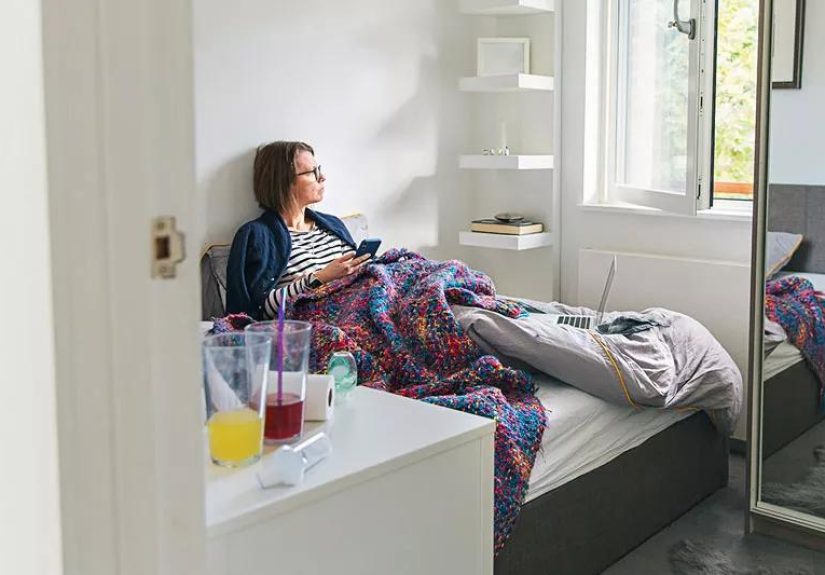
If symptoms suggest COVID-19, the sick person should stay home and away from others as much as possible, even before a test turns positive. Pick one room as the recovery space if you can. If the home allows it, use a separate bathroom. If not, do not worry; perfection is nice, but “better than nothing” still counts. The goal is to reduce shared air, shared surfaces, and long face-to-face time.
Set Up the Home Like You Mean It
When COVID-19 hits home, the house needs a temporary operating system update. Think of it as switching from “normal family chaos” to “contain the germs, protect the people, and keep the soup moving.”
Create a low-drama isolation zone
Give the sick person their own towels, cups, utensils, tissues, trash can, and basic supplies. Keep water, fever reducers, cough medicine, tissues, and a phone charger nearby so they do not have to roam the house every 20 minutes like a sleepy zombie looking for a charger cable. If the person has to leave the room, that is the moment for a well-fitted mask and quick movement, not a family reunion in the hallway.
Make the air cleaner
Ventilation is one of the simplest ways to reduce risk indoors. Open windows when weather and safety allow. Use exhaust fans. If your home has central HVAC, run the fan and keep the filter maintained. A portable air cleaner can help in shared spaces. Fresh air does not solve everything, but stale air gives viruses too much confidence.
Step up the basics
Wash hands often. Clean frequently touched surfaces like doorknobs, faucets, light switches, remotes, and phones. Regular household cleaners are usually enough when used correctly. Shared dishes and laundry do not need a hazmat soundtrack; just wash them normally and clean your hands after handling them.
How to Protect the Rest of the Household
Once one person gets sick, the next question becomes: can everyone else avoid joining the club? Sometimes yes, sometimes no, but the odds improve when the household acts early.
Reduce close contact
Keep distance when possible, especially around older adults, people with chronic medical conditions, and anyone with a weakened immune system. If you live in a small space, shorten shared time, crack windows, and use masks when close contact cannot be avoided. This matters most during the first part of the illness, but it still matters when the sick person starts feeling better.
Watch the clock, but follow symptoms
Current guidance is symptom-based. In plain English, the sick person can return to normal activities when symptoms have been improving overall for at least 24 hours and fever has been gone for at least 24 hours without fever-reducing medicine. After that, take extra precautions for the next 5 days, such as masking, improving airflow, keeping distance when possible, and testing before being around others indoors. That middle stage is the “you feel better, but don’t get cocky” phase.
How to Care for Mild COVID-19 at Home
For many people, home care is enough. The mission is simple: help the body recover, keep symptoms manageable, and notice early if things are heading in the wrong direction.
Focus on rest, fluids, and food
Recovery is not the right time to prove you are tough. Rest. Drink fluids. Eat what feels tolerable. This is not the week to launch a personal wellness revolution. Broth, tea, water, popsicles, toast, soup, fruit, crackers, and easy meals all count. The body is already working overtime.
Use symptom relief wisely
Over-the-counter medicines can help with fever, aches, sore throat, and cough. Follow label directions and avoid doubling up on ingredients. If the sick person already takes regular medications, read labels carefully and ask a pharmacist or clinician if there are questions. Home care should be boringly safe, not “I mixed three things and now I’m reading the bottle like it owes me money.”
Do not self-prescribe random COVID cures
Stick to treatments that are actually meant for COVID-19 or symptom relief. Do not reach for unapproved products, old prescriptions, or internet miracle cures. A virus is bad enough. No one needs a side quest caused by unsafe medication choices.
Call Early if the Person Is High Risk
This is one of the most important parts of the whole plan. If the sick person is older, has multiple underlying health conditions, has a weakened immune system, or otherwise has a higher risk of severe illness, call a healthcare provider quickly. Antiviral treatment works best when started early, often within 5 days of symptom onset.
Why speed matters
Treatments such as Paxlovid can reduce the risk of hospitalization and death in eligible patients, but timing matters. Waiting several days to “see what happens” can close the treatment window. Think of it like missing the first train and then discovering the next one is not very helpful.
Medication review matters too
Paxlovid can interact with other medications, and some people may need a different option. That is why a quick call to a clinician, urgent care, or pharmacist can make a big difference. The right treatment is not just about being eligible; it is also about safety.
When Kids Have COVID-19 at Home
Children often recover well at home, but parents know the emotional math changes fast when a child starts breathing differently at 2 a.m. For mild illness, the goal is comfort, hydration, and observation.
What parents should do
Encourage rest, fluids, and easy foods. Limit visitors. Keep the sick child away from higher-risk family members if possible. Watch for fever, cough, worsening fatigue, poor drinking, or fewer wet diapers in little ones. Most families do not need a home ICU setup. They need attention, patience, and a low threshold for calling the pediatrician when something feels off.
Warning signs in children
Get medical help right away if a child is working hard to breathe, breathing fast at rest, making grunting sounds, flaring the nostrils, pulling in at the ribs or collarbone, or seems unable to cry, feed, or stay awake normally. COVID-19 can also rarely be followed by MIS-C, a serious inflammatory condition that may appear weeks later. Ongoing fever, vomiting, diarrhea, belly pain, rash, bloodshot eyes, or dizziness after recent COVID-19 should not be brushed off as “just a weird week.”
When It Is Time for Urgent or Emergency Care
Most cases stay in the home-care lane. Some do not. The trick is recognizing the turn before you miss it.
Call 911 or seek emergency care for:
- Trouble breathing or shortness of breath that is significant or worsening
- Chest pain or constant chest pressure
- New confusion, unusual behavior, or inability to stay awake
- Blue, gray, or pale lips, skin, face, or nail beds, depending on skin tone
- Severe symptoms that feel alarming, rapidly worsening, or hard to explain
When in doubt, trust the trend. A person who is steadily getting worse deserves real-time medical advice, not another blanket and a motivational speech.
What Recovery Usually Looks Like
Recovery is rarely a straight line. One day the sick person wants soup. The next day they fold laundry and act like they are cured. The day after that they need a nap after walking to the mailbox. That does not always mean disaster. Viral recovery can be uneven.
Rebound can happen
Some people have a rebound of symptoms or test positive again after seeming to improve. This can happen whether they took antiviral treatment or not. Rebound is usually mild and short-lived, but it is still wise to cut back contact with others again and talk to a clinician if symptoms are concerning.
Do not ignore lingering problems
COVID-19 does not always end when the fever ends. Long COVID can affect adults and children, including people who had mild initial illness. If fatigue, brain fog, shortness of breath, cough, palpitations, or other symptoms continue for weeks or interfere with work, school, sleep, or exercise, schedule follow-up care. Toughing it out is not a treatment plan.
A Simple Household COVID Checklist
- Test early and repeat a negative test as directed
- Keep the sick person home and away from others as much as possible
- Use masks, ventilation, and cleaner air in shared spaces
- Rest, hydrate, and use over-the-counter symptom relief carefully
- Call quickly if the person is high risk and may qualify for antivirals
- Watch closely for trouble breathing, chest pain, confusion, or blue/gray lips
- After improvement, use extra precautions for 5 more days
- Follow up if symptoms linger or return
Final Thoughts
When COVID-19 hits home, the best response is not panic, denial, or heroic overconfidence. It is a plan. Test. Separate. Ventilate. Treat symptoms. Call early for higher-risk people. Watch for red flags. Then give recovery the time it actually needs.
Households do not need to handle COVID-19 perfectly to handle it well. Small steps add up: a cracked window, a timely test, a quick call about antivirals, a mask in shared air, a parent noticing breathing changes, a grandparent getting care before things spiral. That is how homes protect the people in them. Not with drama, but with smart, steady decisions.
Experiences When COVID-19 Hits Home: What It Often Feels Like in Real Life
In real households, COVID-19 rarely arrives in a tidy, textbook way. It often starts with one small, suspicious detail. Someone says they are “just tired.” A kid skips half their breakfast. A parent develops a scratchy throat and blames the weather, the air conditioner, or bad luck. By evening, the test is out, the group chat is active, and the home has quietly shifted into response mode.
One common experience is how fast roles change. The person who packed lunches yesterday is suddenly the one staying in the back bedroom with tea, tissues, and a charger. Another family member becomes the supply runner, temperature checker, and hallway meal delivery service. It is not glamorous. It is a lot of washing cups, wiping counters, and asking through a cracked door, “Do you need anything?” every three hours. Yet those simple routines often become the thing that keeps everyone calmer.
Another very real part of the experience is the uncertainty. Many families say the hardest part is not always the fever or the cough. It is the wondering. Is this still mild? Is that breathing normal? Should we call now or wait until morning? That uncertainty can make even a quiet house feel loud. The best households are not the ones without fear; they are the ones that turn fear into a checklist and keep moving.
Parents often describe a strange combination of exhaustion and hyper-awareness. They are tired, but also listening for every sound at night. Did the child cough again? Are they drinking enough? Is that sleepiness normal sick-kid sleepiness, or something that needs a call to the pediatrician? Families caring for older adults describe a similar feeling. Every symptom seems to carry more weight, which is exactly why early treatment calls matter so much.
There is also the emotional side people do not always talk about. Being isolated in a room can be lonely. Caring for someone across a doorway can feel impersonal, even when it is the safest choice. Kids may get frustrated. Adults may feel guilty for “bringing it home,” even when exposure could have happened almost anywhere. Some families handle that well by over-communicating: texting from room to room, video-calling from inside the same house, leaving silly notes with meals, or keeping a shared update list so nobody has to ask the same worried question ten times.
And then there is recovery, which is rarely dramatic. It is often a slow return of ordinary things. The person eats a full meal. They laugh at a joke. They stop needing a nap after walking to the bathroom. Windows close. Masks come off in phases. The house begins to feel like itself again. Not instantly, but gradually.
That is the experience many families remember most: not just the illness, but the systems they built around it. The spare room that became a recovery room. The fan in the window. The stack of soup bowls. The relief when the fever finally stays gone. COVID-19 may enter a home like chaos, but families often respond with something sturdier: routine, care, patience, and a lot of practical love.