Table of Contents >> Show >> Hide
- Start Here: Hydration Is the Real “Meal #1”
- What to Eat When You Have Diarrhea: The “Calm the Gut” Food List
- Foods to Avoid With Diarrhea (Yes, Even If You’re Craving Them)
- A Simple 48-Hour Eating Plan (Because Thinking Is Hard When You’re Dehydrated)
- Special Situations (Quick Notes That Save You Regret)
- When to See a Doctor (Don’t Try to “Tough It Out”)
- Conclusion: Eat Like You’re Negotiating Peace With Your Stomach
- Real-Life “Been There” Notes: Experiences People Share (Extra )
Diarrhea is your digestive system’s way of saying, “I’d like to cancel today’s plans.” Whether it’s a stomach bug,
something you ate, travel-related trouble, or your body reacting to a medication, the goal is the same:
stop the fluid losses, replace what you’re losing, and give your gut a short vacation from chaos.
This guide covers what to eat when you have diarrhea (and what to avoid), plus practical meal ideas you can actually
stomach. It’s written in standard American English, with a dash of humorbecause if your intestines are having a
meltdown, you deserve at least one small win.
Friendly medical note: This article is for general education, not a diagnosis. If you have severe symptoms, dehydration, or high-risk conditions, contact a clinician.
Start Here: Hydration Is the Real “Meal #1”
When you have diarrhea, you’re not just losing wateryou’re losing electrolytes (like sodium and potassium)
that help your nerves, muscles, and heart do their jobs. That’s why “just sip water” can be helpful but sometimes not enough.
The best move is to replace fluids and electrolytes together, especially if you’re having frequent loose stools.
Best drinks when you have diarrhea
- Oral rehydration solutions (ORS): store-bought options are designed to absorb well.
- Water (small sips often, especially if you also feel nauseated).
- Broths (chicken or vegetable broth adds sodium).
- Electrolyte drinks (helpful in moderation; choose lower sugar if possible).
- Weak tea or decaf tea (skip caffeine for now).
DIY ORS (a simple home recipe)
If you can’t get ORS right away, a classic home approach for adults is a clean water + sugar + salt mix. One widely cited recipe is:
1 liter of clean water + 6 teaspoons sugar + 1/2 teaspoon salt.
Stir until fully dissolved. Sip slowly.
Important: If you have kidney disease, heart failure, uncontrolled diabetes, or you’re mixing this for a child,
it’s smarter to use a commercial ORS and/or check with a clinician.
Signs you may be getting dehydrated
- Very dry mouth, intense thirst
- Dark urine or barely peeing
- Dizziness, weakness, lightheadedness
- Fast heartbeat
If you notice these, hydration becomes priority #1and if symptoms are severe, it’s time to seek medical care.
What to Eat When You Have Diarrhea: The “Calm the Gut” Food List
Think of your short-term diarrhea diet as low drama. You want foods that are bland, easy to digest,
and more likely to firm stools. Many doctors and dietitians describe this as a “bland” or “low-residue” approach for a day or two.
1) BRAT-style basics (short-term comfort foods)
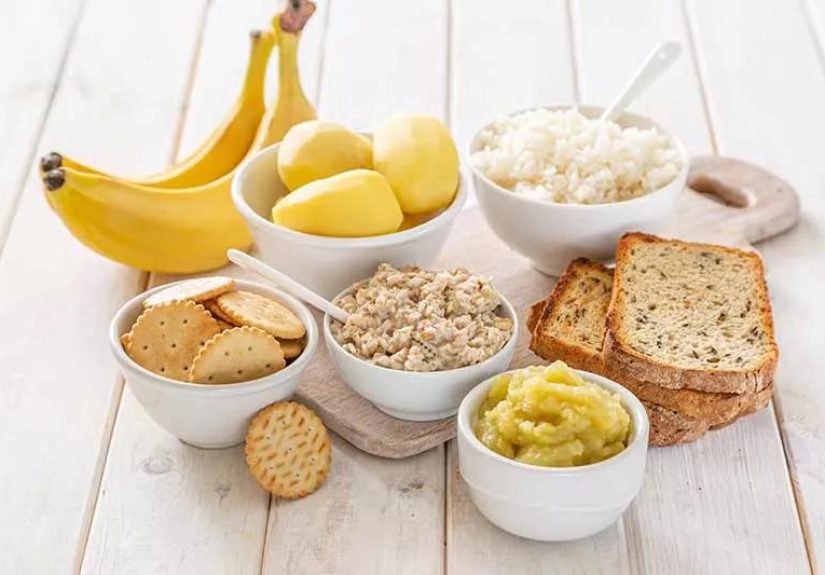
You’ve probably heard of the BRAT diet (bananas, rice, applesauce, toast). Modern guidance is that it can be useful
briefly for comfort, but it shouldn’t be the only thing you eat for long because it’s low in protein and overall nutrients.
Translation: BRAT is a supporting actor, not the entire movie.
- Bananas: gentle, and they provide potassium you may be losing.
- White rice: easy on digestion; skip brown rice for now (it’s higher fiber).
- Unsweetened applesauce: easier than raw apples; avoid extra sugar.
- Toast: plain, ideally white bread at first (whole grain can be too fibrous during an active flare).
2) Other bland carbs that usually behave themselves
- Saltine crackers, pretzels
- Plain pasta or noodles
- Boiled or mashed potatoes (easy on butter; skip heavy cream)
- Oatmeal or cream of wheat (some people do great with oatmeal; keep portions small)
- Plain cereal (not the “marshmallow galaxy crunch” kind)
These foods can help you keep calories coming in without poking the bear. Small portions are your friend.
3) Lean proteins to keep you from feeling wiped out
Once you’re tolerating fluids and bland carbs, adding a little protein can help stabilize energy and recovery.
Keep it low-fat and simply cooked.
- Skinless chicken or turkey (baked, boiled, or shredded into broth)
- Eggs (scrambled or hard-boiled, minimal oil)
- Tofu (plain, lightly seasoned)
- Fish (baked or steamed, avoid frying)
4) Probiotic foods: helpful for some, tricky for others
Certain probiotic-rich foods (like yogurt with live cultures) may be useful, especially after infectious diarrhea or antibiotic-related diarrhea.
But there’s a catch: many people temporarily become more sensitive to lactose after a gut bug.
- If dairy seems to worsen symptoms: pause dairy for 24–48 hours.
- If you tolerate it: consider plain yogurt (lower sugar) in small amounts.
5) “Electrolyte foods” that make sense
You don’t need a chemistry degreejust a little strategy.
- Salty foods: broths, soups, pretzels (replace sodium)
- Potassium foods: bananas, potatoes (replace potassium)
Foods to Avoid With Diarrhea (Yes, Even If You’re Craving Them)
During diarrhea, your gut is irritated and moving too fast. The following foods tend to increase urgency, gas, cramping,
or watery stoolsso they’re best avoided until you’re stable.
The usual troublemakers
- High-fat foods: fried foods, greasy burgers, rich sauces
- Spicy foods: hot sauce, heavy chili spice, super seasoned wings
- High-fiber foods: bran cereal, raw greens, beans, lentils (great foodsjust not right now)
- Dairy (sometimes): milk, ice cream, creamy coffee drinks (especially after a stomach virus)
- Sugary foods and drinks: candy, desserts, very sweet juices
- Sugar alcohols: “diet” or “sugar-free” candies/gum (often sorbitol, xylitol, etc.)
- Caffeine and alcohol: can irritate the gut and worsen dehydration
A quick “eat vs. avoid” snapshot
| Usually OK | Usually Not OK (Right Now) |
|---|---|
| Bananas, white rice, applesauce, toast | Fried foods, spicy foods, heavy sauces |
| Broth, ORS, water, electrolyte drinks | Alcohol, coffee, energy drinks |
| Crackers, pretzels, plain noodles, potatoes | Beans, bran, raw salads, whole grains (early on) |
| Skinless chicken, eggs, tofu | Very fatty meats, creamy dairy-heavy dishes |
A Simple 48-Hour Eating Plan (Because Thinking Is Hard When You’re Dehydrated)
Phase 1: First 6–12 hours (or while symptoms are intense)
- Sip ORS or electrolyte drink slowly (aim for frequent small sips)
- Water + broth rotation
- If hungry: a few crackers or plain toast
If you also have vomiting, start with tiny sips (like a tablespoon every few minutes) and increase as tolerated.
Phase 2: 12–24 hours (when you can keep fluids down)
Example day:
- Breakfast: toast + banana; weak decaf tea
- Snack: applesauce or crackers
- Lunch: rice + broth (add a small portion of chicken if tolerated)
- Snack: pretzels or plain noodles
- Dinner: mashed potatoes + scrambled egg; broth or ORS
Phase 3: 24–48 hours (as stools start to firm up)
Gradually reintroduce more variety. Keep fat and spice low, and test foods one at a time.
- Add cooked carrots, cooked zucchini, or small amounts of oatmeal
- Try baked fish or turkey
- If dairy bothered you, wait a bit longer before reintroducing milk/ice cream
Special Situations (Quick Notes That Save You Regret)
If you recently took antibiotics
Antibiotics can disrupt gut bacteria and trigger diarrhea. Hydration still matters most. Some people tolerate probiotic foods
(like plain yogurt) or clinician-recommended probiotics, but if symptoms are severe, persistent, or accompanied by fever/blood,
contact a healthcare professional.
If you’re dealing with traveler’s diarrhea
Focus on ORS and bland foods. Avoid raw foods you can’t peel and foods that may be undercooked. If you recently traveled and have
high fever, blood in stool, or dehydration symptoms, seek medical advice.
If your child has diarrhea
Kids can dehydrate faster than adults. Many pediatric resources advise continuing age-appropriate feeding and focusing on fluids.
If diarrhea lasts more than a day, or there are dehydration signs (very low urination, no tears, lethargy), contact a clinician.
If diarrhea keeps coming back
Recurrent diarrhea may point to food intolerance, IBS, inflammatory bowel disease, infection, medication effects, or other causes.
If this isn’t clearly a short-term bug, it’s worth discussing with a healthcare provider.
When to See a Doctor (Don’t Try to “Tough It Out”)
Most mild diarrhea improves within a couple of days, but there are red flags that deserve medical attention.
Consider contacting a clinician urgently if you have:
- Signs of dehydration (very dark urine, dizziness, very little urination)
- Diarrhea lasting more than 2 days in adults without improvement
- Diarrhea lasting more than 24 hours in children
- Severe abdominal or rectal pain
- Fever around 102°F (39°C) or higher
- Blood, pus, or black/tarry stools
If you’re pregnant, older, immunocompromised, or have chronic conditions, err on the side of getting help earlier.
Conclusion: Eat Like You’re Negotiating Peace With Your Stomach
When you have diarrhea, the best diet is less about culinary excitement and more about damage control.
Start with fluids (ideally electrolytes + water), then add bland, low-fiber foods like rice, toast, bananas,
broth, potatoes, noodles, and small portions of lean protein. Avoid greasy, spicy, high-fiber, and very sugary foods
until you’re back to normal. And if symptoms are severe or persistentespecially with dehydration or bloodget medical care.
Real-Life “Been There” Notes: Experiences People Share (Extra )
Let’s talk about the part most articles skip: the lived reality of trying to eat when your gut is in full mutiny.
People often describe diarrhea days as a weird combination of hunger, fear, and bargaining. Hunger shows up because your body
still needs energy, but fear shows up because every bite feels like a gamble. The trick is realizing that your goal isn’t
“eat a perfect meal.” Your goal is “eat something that doesn’t make tomorrow worse.”
One common experience: the first food that sounds good is often the worst idea. When you’re depleted,
you may crave greasy comfort foodpizza, fries, spicy noodlesbecause your brain is begging for calories. But many people learn
(the hard way) that high-fat meals can trigger another round of urgency. That’s why bland carbs feel so “safe.” They don’t win awards,
but they also don’t start fires.
Another pattern people notice: temperature and texture matter. Warm broth often feels soothing, while very cold drinks
can cause cramps for some folks. Crunchy, dry foods like crackers are popular because they’re easy to portionone cracker at a time
is a lot less scary than a full bowl of something. Soft foods like applesauce or plain rice can also feel manageable because they’re
gentle and predictable. Predictable is a love language during diarrhea.
Many people also report a “false recovery” day: stools start to firm up, energy returns, and suddenly you feel brave enough to eat
a salad or a burrito. Thenplot twistyour gut reminds you it’s still healing. This is why reintroducing foods slowly can be so helpful.
People who do best often treat recovery like a ladder: fluids → bland carbs → lean protein → cooked veggies → normal diet. Skipping rungs
is where regret lives.
There’s also a surprisingly emotional side: diarrhea can make people feel wiped out and irritable, and not just because of bathroom
logistics. Fluid and electrolyte losses can contribute to weakness and “brain fog.” That’s why some people feel noticeably better after
salty soup or an oral rehydration drinksometimes the improvement is faster than expected. It’s not magic; it’s basic physiology.
Finally, people often say the most useful mindset is to think in small, frequent inputs. Instead of asking,
“What can I eat today?” they ask, “What can I tolerate in the next 20 minutes?” A few sips of ORS, a few bites of rice, a banana,
a cup of brothtiny steps add up. If your gut is staging a protest, you don’t need to win the war in one meal. You just need to stop
fueling the rebellion and start rebuilding.