Table of Contents >> Show >> Hide
- The Short Answer: People Hide Ducks for Fun, Connection, and a Tiny Bit of Cruise Fame
- Where Did the Cruise Duck Trend Come From?
- How the Game Usually Works
- Why the Trend Became So Popular So Fast
- Why Cruise Ducks Mean More Than They Look Like
- But Not Everyone Loves It
- Why Some Cruise Lines Discourage or Limit Hidden Ducks
- Cruise Duck Etiquette: How to Participate Without Being That Passenger
- So, Why Do People Hide Rubber Ducks on Cruise Ships?
- Experiences at Sea: What the Cruise Duck Tradition Feels Like Onboard
At some point on a modern cruise, a first-time passenger usually has the same wonderfully confused thought: Why is there a tiny rubber duck wearing sunglasses on top of a handrail? The answer is surprisingly wholesome. People hide rubber ducks on cruise ships because it turns a floating hotel into a giant, low-stakes scavenger hunt. It gives kids something exciting to do, gives adults permission to act like kids again, and adds a little surprise-and-delight energy to sea days that might otherwise be spent deciding whether to hit the buffet again or “just browse” the gift shop for the fourth time.
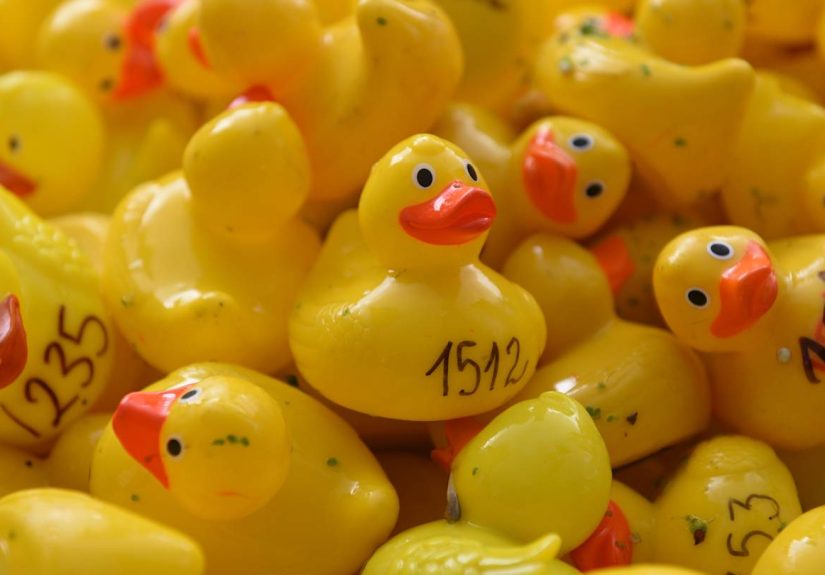
What looks silly at first is actually part game, part souvenir exchange, part community ritual. Cruise ducks are small rubber ducks hidden by passengers for other passengers to find. Usually they come with a tag that says who hid them, what ship they are sailing on, and a friendly message like “Keep or hide, you decide.” That tiny sentence explains the whole phenomenon. The duck is not just a toy. It is a miniature invitation to play.
And honestly, on a ship full of strangers sharing elevators, trivia contests, and soft-serve machines, a tiny yellow bird with a passport tag is exactly the sort of absurd thing that somehow makes perfect sense.
The Short Answer: People Hide Ducks for Fun, Connection, and a Tiny Bit of Cruise Fame
If you want the quick answer, here it is: people hide rubber ducks on cruise ships because it is fun. But that simple answer misses the layers. Cruise passengers hide ducks to entertain their kids, surprise strangers, create memories, join an onboard tradition, and post their finds in cruise groups online. Some do it because it makes the ship feel friendlier. Some do it because sea days can use a side quest. Some do it because vacation is one of the few times adults willingly say things like, “I found one behind the staircase!” without embarrassment.
The custom has become popular because it is cheap, easy, and oddly addictive. You do not need special equipment, a reservation, or a beverage package with a name that sounds like a Wall Street fund. You just need a handful of ducks, a tag, and the willingness to hide them where they can be found without causing trouble. In return, you get anticipation, laughter, and the possibility that your duck might travel far beyond your own sailing.
Where Did the Cruise Duck Trend Come From?
The modern cruise-duck tradition is widely credited to Abby Davis, a young cruiser from Texas who brought ducks on a 2018 Carnival Breeze sailing out of Galveston and hid them for other passengers to discover. That one playful idea waddled into cruise history. Like many great vacation traditions, it spread because people saw it, loved it, copied it, and then told everyone else online.
That “online” part matters. Cruise ducks did not become a thing just because people enjoyed hiding them. They exploded because social media gave them a travel diary. Facebook groups helped turn a one-ship pastime into a multi-line tradition. Suddenly, people were not just hiding ducks. They were documenting ducks, tagging ducks, decorating ducks, and cheering on ducks as if they were tiny yellow celebrities with excellent sea legs.
Once that happened, the trend became self-sustaining. A first-time cruiser would find a duck, ask what it was, join a group, and bring ducks on the next trip. That is how cruise culture works: one person sees something charming and weird, then a year later thousands of people are packing it next to sunscreen and wrinkle-release spray.
How the Game Usually Works
The rules are informal, but the routine is pretty consistent. Someone brings small rubber ducks onboard, often in bulk. They may be plain yellow ducks, holiday ducks, pirate ducks, captain ducks, glitter ducks, glow-in-the-dark ducks, or ducks dressed like they are ready to keynote a leadership conference. The hider attaches a tag with basic info such as their name, hometown, ship, sailing date, and instructions for the finder.
Then the hiding begins. Ducks are placed in public areas where fellow passengers might spot them: near stairways, by artwork, beside signage, on ledges, or in other easy-to-reach spots. A finder can keep the duck as a souvenir or hide it again for someone else. Many people snap a photo and share it online, which gives the duck a kind of digital travel log.
That is one reason the tradition sticks. It creates a loop. Hide, find, post, re-hide, repeat. It is basically geocaching, but with more pool decks and fewer hiking boots.
Why the Trend Became So Popular So Fast
1. It gives families an easy onboard activity
Cruises are already family-friendly, but cruise ducks add a DIY layer of entertainment. Kids love the hunt because it feels like a treasure search. Parents love it because it is simple, screen-light, and turns a walk around the ship into an event. Grandparents often love it most because it gives them a mission with the grandkids and an excuse to say, “Let’s check one more deck.”
2. It creates instant community
Cruises are social by design, but most passengers still begin as strangers. Hidden ducks break the ice without anyone having to make awkward small talk in an elevator. A found duck often sparks a conversation: Who hid it? Where did they get it? Have you found any others? In a setting where thousands of people are temporarily sharing space, a tiny object can create surprisingly human moments.
3. It adds surprise to sea days
Even the best cruise ships run on routine. Breakfast, trivia, pool, lunch, nap, show, dessert, repeat. Ducks inject randomness into that flow. Suddenly the walk back from coffee feels like a hunt. The ship becomes more playful because passengers start noticing details they would normally breeze past.
4. It is a low-cost way to make memories
Compared with shore excursions, specialty dining, and onboard extras, rubber ducks are hilariously affordable. For a small amount of money, a family gets a vacation ritual, a crafting project before departure, and a stack of stories after the cruise. That is a pretty solid return on investment for something smaller than a dinner roll.
5. It lets adults be delightfully unserious
One of the funniest truths about cruise ducks is that adults are not merely tolerating the game for children. Many are fully committed. They design duck tags. They theme ducks to match holidays or itineraries. They trade hiding tips. They feel triumphant when they find one. Vacation has a way of reminding people that being a little ridiculous is actually very healthy.
Why Cruise Ducks Mean More Than They Look Like
A rubber duck is not exactly a grand symbol of civilization. It is not a family heirloom, a rare collectible, or an artifact from a lost empire. But in the context of cruising, it becomes something more meaningful: a small act of generosity. Someone took the time to bring it, tag it, and place it where another person would smile. That is the whole emotional engine of the tradition.
In a world where so much travel has become optimized, scheduled, and monetized, cruise ducks feel refreshingly unnecessary in the best way. They do not improve your loyalty status. They do not get you early boarding. They do not unlock premium Wi-Fi. They just make the ship feel a little friendlier.
That is why the trend appeals to people across age groups. For kids, it is treasure. For adults, it is nostalgia. For frequent cruisers, it is a ritual. For first-timers, it is a clue that cruise culture has its own secret language, and one of its dialects is apparently “tiny waterproof bird.”
But Not Everyone Loves It
As cheerful as the tradition is, cruise ducks are not universally adored. Some passengers think they are clutter. Others think the craze has gotten too competitive or too widespread. And cruise lines have practical concerns that are far less whimsical than the ducks themselves.
The biggest issue is location. When ducks are hidden in unsafe, hard-to-reach, or inappropriate places, the game stops being cute and starts becoming a headache. No one wants passengers climbing, reaching into odd spaces, trampling plants, bothering staff, or confusing store merchandise with a free souvenir. Some cruise lines and ships have responded by discouraging the practice entirely or limiting where ducks may be hidden.
That does not mean the tradition is doomed. It just means the game works best when people use common sense. A duck hidden in plain sight can make someone’s afternoon. A duck jammed into a risky location can make crew members question humanity before lunch.
Why Some Cruise Lines Discourage or Limit Hidden Ducks
Safety comes first
Cruise ships are packed with operational equipment, narrow pathways, and public spaces used by thousands of people. If a duck is placed near safety gear, tucked into strange crevices, or hidden where someone might climb to reach it, it becomes a problem. That is why basic cruise-duck etiquette says no pools, no hot tubs, no areas where someone could fall, and no hiding places that interfere with the ship’s operation.
Plants, public areas, and ship spaces need protection
Some ships have lush landscaped areas or design features that look like great hiding spots but are terrible hiding spots in practice. If passengers start stepping through greenery, leaning over barriers, or turning a quiet public area into a scavenger-hunt obstacle course, the duck has officially overachieved.
Not every cruise line wants unofficial games in guest spaces
Some lines are more relaxed about ducks than others. Some actively tolerate them. Some discourage them. Some allow the ducks onboard but do not want guests hiding items in staterooms or public areas. Translation: just because ducks are common does not mean every cruise line is thrilled to host the convention of the rubber waterfowl.
Cruise Duck Etiquette: How to Participate Without Being That Passenger
If you want to join the trend, good news: there is a polite way to do it. Hide ducks where they are easy and safe to find. Attach a simple tag. Do not place them in pools, hot tubs, stores, restaurants, or places where they could blow overboard. Do not wedge them into plants, décor, safety equipment, or crew work areas. Do not make staff clean up after your “fun.” And do not turn it into advertising by attaching business promotions or weird gimmicks.
The spirit of cruise ducks is generosity, not chaos. The best duck hiders understand that the goal is not to outsmart the entire ship. It is to create a tiny, cheerful surprise for someone else.
So, Why Do People Hide Rubber Ducks on Cruise Ships?
Because cruises are already built around the idea that fun should be shared. People hide rubber ducks on cruise ships to create a little mystery, a little joy, and a little connection between strangers who happen to be sailing the same route. The ducks make a giant ship feel more personal. They turn hallways into treasure maps and sea days into stories.
More than anything, they remind people that delight does not have to be expensive, exclusive, or complicated. Sometimes it is just a toy bird in a captain hat sitting beside a stairwell, waiting to make somebody grin.
Experiences at Sea: What the Cruise Duck Tradition Feels Like Onboard
The most interesting part of the cruise duck trend is not the duck itself. It is the atmosphere that forms around it. On many sailings, the hunt starts quietly. A child spots one near an elevator bank and shouts as if treasure has been discovered on a deserted island rather than Deck 8 by the art auction sign. Within minutes, nearby passengers are smiling, asking questions, and checking ledges on the walk to lunch. Suddenly, the ship has a second itinerary: breakfast, pool, mini golf, dinner, and incidental duck reconnaissance.
For families, the experience often becomes one of those unexpected vacation traditions that no one planned but everyone remembers. A parent who rolled their eyes on embarkation day is, by day three, crouched near a staircase whispering, “I think I see one.” A grandparent becomes the official duck spotter because they notice everything. Siblings who were fighting over soft-serve flavors now collaborate like tiny detectives. The ducks give people a reason to wander beyond their routine and explore corners of the ship they might have missed.
Adults traveling without kids get pulled in too. That is part of the charm. Cruise ducks allow grown people to participate in something silly without requiring them to perform enthusiasm on a zip line or dance on a lido deck. You can join quietly. You can spot one, grin, take a picture, and move on. Or you can become the kind of person who packs themed ducks for every itinerary and debates whether Alaska ducks should wear tiny moose hats. Cruise culture has room for both personalities.
There is also a social side that regular cruise activities do not always create. A hidden duck can start more conversations than a formal mixer. People compare finds in elevator rides, chat in Facebook groups for their sailing, and swap stories about where ducks turned up. Sometimes the finder keeps the duck as a memento. Sometimes they re-hide it later that day, extending the game for someone else. Either way, the experience feels shared. That is rare on large ships, where it is easy to enjoy the amenities while never really interacting with strangers beyond “Is this seat taken?”
Even the prep work becomes part of the memory. Many cruisers decorate ducks before they leave home, print little tags, and match colors or outfits to the theme of the trip. For some families, that pre-cruise crafting becomes as much a part of the vacation as packing swimsuits. By the time they board, the ducks are already tied to anticipation.
Of course, the best experiences happen when the game stays light, respectful, and easygoing. The point is not to hide ducks so well that only a trained archaeologist can locate them. The point is to sprinkle a little extra fun across the ship. When done right, cruise ducks create the kind of travel memory people retell later not because it was expensive or dramatic, but because it was unexpectedly joyful. And in the crowded universe of vacation stories, that tiny kind of joy has a pretty impressive way of floating to the top.