Table of Contents >> Show >> Hide
- The Short Answer: Kaley Cuoco Sounds Very Open to Returning as Penny
- Why Penny Still Matters So Much to the Franchise
- What the New Big Bang Theory Spinoff Actually Is
- Why a Penny Return Makes Creative Sense
- What Kaley Cuoco Seems to Be Signaling
- The Complication: Penny Already Got a Real Ending
- How Penny Could Return Without Feeling Forced
- Why Fans Are So Invested in the Idea
- So, Would Kaley Cuoco Reprise Her Role as Penny?
- Related Experiences: Why the Idea of Penny Returning Feels Bigger Than a Typical TV Cameo
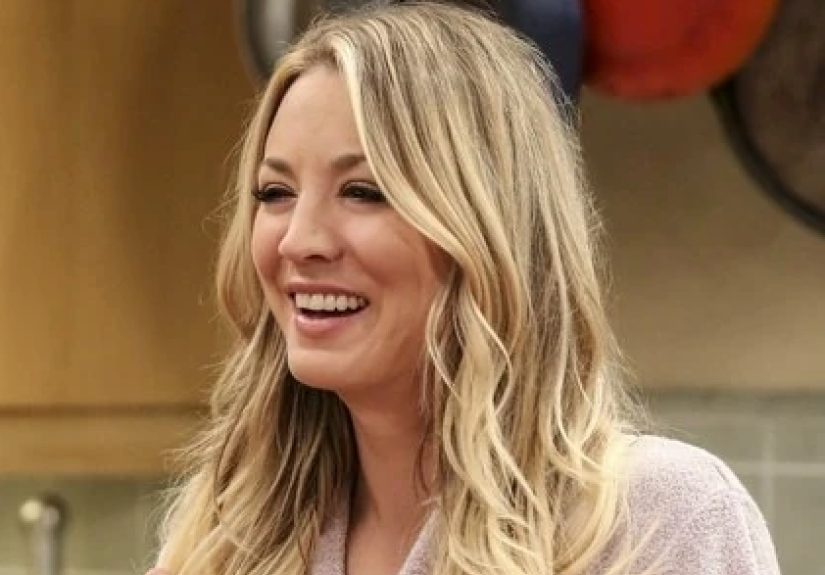
Few sitcom characters have had a glow-up quite like Penny from The Big Bang Theory. She started as the sunny neighbor across the hall, became the emotional center of the gang, and somehow managed to survive twelve seasons of Sheldon, science jokes, and a hallway that apparently violated every building code known to mankind. So when fans hear that the Big Bang Theory universe is expanding again, the obvious question practically asks itself: would Kaley Cuoco come back as Penny?
The answer is not an official yes. But it is definitely not a no.
In fact, Cuoco has sounded increasingly open to revisiting the role that helped define her career. That matters because in franchise language, “absolutely” is not a shrug. It is a neon sign. And in the ever-expanding world of television reboots, revivals, and spinoffs, neon signs tend to get noticed.
The Short Answer: Kaley Cuoco Sounds Very Open to Returning as Penny
If you strip away the headlines, the teases, and the fan theories that can get more complicated than one of Sheldon’s whiteboards, the basic takeaway is simple: Kaley Cuoco has made it clear that she has deep affection for Penny and would be willing to play her again.
That is the heart of the story. Cuoco has spoken warmly about the role, about what the show did for her life and career, and about how much fun those years were. She has not treated Penny like a character she is eager to leave in the rearview mirror. Quite the opposite. She has talked about Penny with the kind of fondness actors usually reserve for roles that changed everything.
And that is important. Plenty of stars speak lovingly about former projects while still making it obvious they are done. Cuoco has not really done that. Her tone has been open, grateful, and even playful. When a performer repeatedly signals that a return would be welcome, fans are not imagining chemistry where none exists. They are reading the room correctly.
Why Penny Still Matters So Much to the Franchise
Penny was never just “the girl next door,” even if that was the easiest shorthand in the early years. She became the bridge character in The Big Bang Theory, the one who translated the show’s nerd-heavy chaos into emotional reality. Leonard, Sheldon, Howard, and Raj could spiral into physics, comic books, gaming, and social disasters. Penny made the world feel human.
That was her superpower. She grounded the show.
It is easy to forget how essential that balance was. Without Penny, the series might have become too closed in on itself, too impressed by its own references. Penny gave it warmth, friction, common sense, and a kind of comedic eye-roll that kept everything from floating into outer space. She was funny not because she was outside the joke, but because she learned how to play inside it without losing herself.
Over time, Penny also became one of the clearest examples of how the show matured. The character moved beyond a simpler sitcom stereotype and became sharper, more emotionally nuanced, and more central to the show’s heartbeat. That evolution is one reason a possible return is so appealing. Fans would not be asking for a cameo from a relic. They would be asking for the return of one of the franchise’s most fully formed characters.
What the New Big Bang Theory Spinoff Actually Is
The current spinoff in the spotlight is Stuart Fails to Save the Universe, an HBO Max series centered on comic book store owner Stuart Bloom. That title alone deserves a slow clap. It sounds like the kind of thing the original gang would either binge-watch obsessively or spend an entire dinner scene arguing about.
The new series is not built as a straight continuation of the original apartment-hallway format. Instead, it leans into a sci-fi comedy premise, with Stuart caught in a reality-bending mess that opens the door to alternate-universe versions of familiar characters. In other words, this is not just a nostalgia trip with new furniture. It is a deliberately bigger, stranger, more meta extension of the franchise.
That setup matters for one big reason: it makes a Penny return easier to imagine.
If the series were simply a grounded sequel about Stuart running a comic shop and being adorably miserable, a Penny cameo might feel random unless the story bent over backward to justify it. But a multiverse angle changes the creative math. Suddenly, the show has room to bring back legacy characters in flexible, unexpected, and even slightly weird ways. And weird, in this particular franchise, is not a bug. It is a feature.
Why a Penny Return Makes Creative Sense
Penny Has Real Ties to Stuart’s World
This is not a case of dragging in a fan favorite who has no organic connection to the spinoff’s lead. Penny knew Stuart well. She was part of that broader social orbit for years, and by the later seasons, Stuart was practically woven into the group’s fabric. A cameo would not need a giant narrative crane to lower her into the story.
The Character Can Bring Heart Without Hijacking the Show
One of Penny’s great strengths was always tonal balance. She could sharpen a scene, soften it, or puncture it with one perfect line. In a spinoff that sounds more cosmic and chaotic than the original series, that kind of grounding presence could be useful. A Penny appearance would not just be nostalgic. It could actually help stabilize the show’s emotional temperature.
The Multiverse Premise Invites Playfulness
Maybe viewers get the Penny they remember. Maybe they get a version of Penny that is subtly different. Maybe the joke is that in every universe, Penny is still the fastest person in the room to identify nonsense. That flexibility gives the writers options, and options are gold in franchise storytelling.
What Kaley Cuoco Seems to Be Signaling
Cuoco’s public comments create a pretty consistent pattern. First came a straightforward expression of enthusiasm about reprising Penny. Then came the kind of good-natured “sure, why not?” energy that tends to show up when actors know fans are hoping. Then came later teases that did not confirm anything, but also did not exactly shut the door.
That distinction matters. She has not announced a signed deal. She has not formally joined the cast. There is no official statement saying Penny is locked into the spinoff. But if the question is whether Cuoco appears emotionally and professionally open to it, the answer is yes. Very much yes.
And honestly, that may be the most realistic stage for a franchise return like this. Studios often keep cameo news under wraps. Actors play coy. Interviews become a dance of half-smiles, careful wording, and strategic eyebrow movement. Nobody wants to spoil a surprise if a surprise is coming. So in Hollywood terms, “I’d absolutely do it” is already pretty loud.
The Complication: Penny Already Got a Real Ending
There is, however, one reason not to treat a Penny comeback as automatic. Her story in the original series already landed somewhere meaningful. By the end of The Big Bang Theory, Penny was not dangling from an unfinished cliffhanger. She had a marriage, a future, and a final stretch that framed her as part of the emotional conclusion of the ensemble.
That means any return has to earn itself.
A lazy cameo would feel cheap. Fans do not need Penny to walk on screen, say “sweetie,” and vanish like a nostalgia smoke bomb. They need a reason. Even a small reason. If she shows up, the appearance has to reveal something, deepen something, or at least genuinely delight without undercutting the original ending.
That is the challenge with beloved sitcom characters. They are comforting, but they are also fragile in the hands of fan service. Bring them back carelessly and the audience feels the manipulation. Bring them back well and it feels like visiting an old friend who somehow still knows exactly how to make you laugh.
How Penny Could Return Without Feeling Forced
A Smart One-Episode Cameo
The cleanest solution is often the best one. A single episode could let Penny drop into Stuart’s orbit in a way that feels natural, funny, and emotionally satisfying. It would not need to turn her into a regular or derail the spinoff’s identity. Sometimes one sharp appearance is stronger than six scattered reminders that a franchise used to be popular.
An Alternate-Universe Twist
If the writers want to get bold, the multiverse concept gives them room to remix expectations. Imagine a Penny who took a dramatically different path, or a version who reflects one exaggerated trait from the original character for comic effect. The risk would be overdoing it. The reward would be giving Cuoco something fresh to play instead of simply pressing replay.
A Reunion That Actually Means Something
The strongest version of any return would be one rooted in relationship. Penny and Leonard were central. Penny and Sheldon were iconic in a completely different way. Penny and the wider group carried years of history. If the spinoff can tap into that emotional memory instead of just chasing applause, the cameo becomes story instead of stunt.
Why Fans Are So Invested in the Idea
Part of it is simple nostalgia, sure. Television audiences love the comfort of familiar faces. But the interest in Penny specifically goes a little deeper. She represented the franchise’s balance point: warm but unsentimental, loyal but never blindly impressed, funny without trying too hard. She could mock the nonsense and still love the people creating it.
There is also the Kaley Cuoco factor. She was not just cast well. She was franchise-defining. Her chemistry with the ensemble, especially with Johnny Galecki and Jim Parsons, helped make the show feel lived-in. So when fans imagine a new chapter, they are not just picturing Penny the character. They are picturing the rhythm Cuoco brought with her.
That is why even a tease from her creates a mini headline cycle. People are not merely wondering whether a contract has been signed. They are reacting to the possibility that one of the franchise’s core energies might flicker back to life.
So, Would Kaley Cuoco Reprise Her Role as Penny?
Based on what she has said, yes, she appears more than willing.
Based on what has actually been announced, no, a Penny return is not officially confirmed.
Those two truths can live together just fine.
The real answer, then, is this: Kaley Cuoco has made it clear that she loves Penny, appreciates what The Big Bang Theory gave her, and is open to coming back. In franchise terms, that is a very promising place to be. Whether it becomes a real appearance now depends on the writers, the schedule, the secrecy machine, and probably one phone call from Chuck Lorre.
And if that phone rings? Cuoco has already made her position pretty hard to misunderstand.
Penny may not be officially back yet. But the door is open, the hallway light is on, and fans are already halfway up the stairs.
Related Experiences: Why the Idea of Penny Returning Feels Bigger Than a Typical TV Cameo
There is a reason this topic hits differently from the average “Will they come back?” celebrity headline. For a lot of viewers, Penny was not just a sitcom character. She was part of the weekly routine for more than a decade. People watched her while they were in high school, in college, in their first apartments, during early marriages, late-night reruns, breakups, bad jobs, and weird life transitions that feel easier when a familiar show is playing in the background. A Penny return does not just promise another joke. It promises the feeling of re-entering a world many people once used as comfort television.
That kind of connection creates a very specific experience for fans. They do not simply remember plot points. They remember where they were when they first saw Leonard and Penny stumble toward each other, when Sheldon and Penny unexpectedly became one of the show’s funniest duos, and when the finale reminded everyone that these characters had become a kind of chosen family. Bringing Penny back, even briefly, would tap into all of that accumulated memory in seconds. One look, one line, one hallway exchange, and a viewer is suddenly emotionally time traveling.
There is also something deeply satisfying about seeing actors make peace with the roles that made them famous. Sometimes stars spend years trying to outrun a signature character, which is understandable. Nobody wants to be trapped in one performance forever. But Cuoco’s attitude has felt refreshingly healthy. She has built a real post-Big Bang career, taken on darker material, produced projects, stretched herself, and still spoken about Penny with genuine affection. That changes the mood of a possible return. It would not feel like a retreat. It would feel like a confident revisit.
From a viewer’s perspective, that matters. The best revivals and cameos happen when the performer seems to want to be there. Audiences can tell the difference between obligation and joy. If Cuoco returned as Penny, the appeal would not only come from recognition. It would come from the sense that the actress understands exactly why the character still matters and is willing to meet the audience there.
There is another layer too: Penny represents growth. She changed, the group changed, and the show changed with them. Revisiting her now could let fans experience that same growth from a new angle. What does Penny look like after all these years? What part of her would be exactly the same? What part would surprise us? Those are not empty nostalgia questions. They are why revisiting beloved characters can still feel meaningful when it is done with care.
So yes, the idea of Penny returning is exciting because fans loved the character. But it is also exciting because it would reconnect people to a long-running viewing experience, to a particular era of television comedy, and to the strange little miracle of a sitcom character who started as a stereotype and became unforgettable. That is why this possibility has real emotional weight. It is not just about whether Penny walks back on screen. It is about whether that old universe can feel alive again.