Table of Contents >> Show >> Hide
- Understanding Dog Anxiety Before You Try to Fix It
- 10 Expert Tips for Calming an Anxious Dog
- 1. Learn Your Dog’s Early Stress Signals
- 2. Create a Safe, Predictable Space
- 3. Use Routine to Reduce Guesswork
- 4. Try Desensitization and Counterconditioning
- 5. Teach a “Settle” Cue Before Your Dog Needs It
- 6. Give Your Dog More Mental Enrichment
- 7. Avoid Punishment and Harsh Corrections
- 8. Use Calming Tools as Support, Not a Complete Solution
- 9. Practice Calm Alone-Time Skills Gradually
- 10. Know When to Call a Professional
- Common Triggers That Make Dogs Anxious
- What Not to Do With an Anxious Dog
- Experience-Based Advice: What It Really Feels Like to Help an Anxious Dog
- Conclusion
Note: This article is for educational purposes and is based on real veterinary and animal-behavior guidance. If your dog’s anxiety appears suddenly, becomes intense, includes aggression, or comes with physical symptoms, contact your veterinarian before trying a new plan. Dogs are not tiny furry puzzles with legs; sometimes they need professional help, not another lavender-scented bandana.
Living with an anxious dog can feel like sharing your home with a four-legged smoke alarm. The mail carrier arrives, and your dog launches into opera. A thunderstorm rumbles, and suddenly the bathtub becomes a panic bunker. You pick up your keys, and your pup looks at you as if you have announced a six-month expedition to Mars.
The good news? Anxiety in dogs is common, understandable, and often manageable with patience, structure, and the right techniques. The goal is not to “force” your dog to be brave. The goal is to help your dog feel safer, recover faster, and learn that the world is not always a suspicious monster wearing sneakers.
Below are 10 expert tips for calming an anxious dog, written in plain English, with practical examples you can use at home. Whether your dog struggles with separation anxiety, noise phobia, car rides, new people, vet visits, or mysterious household villains like the vacuum cleaner, these strategies can help you build a calmer routine.
Understanding Dog Anxiety Before You Try to Fix It
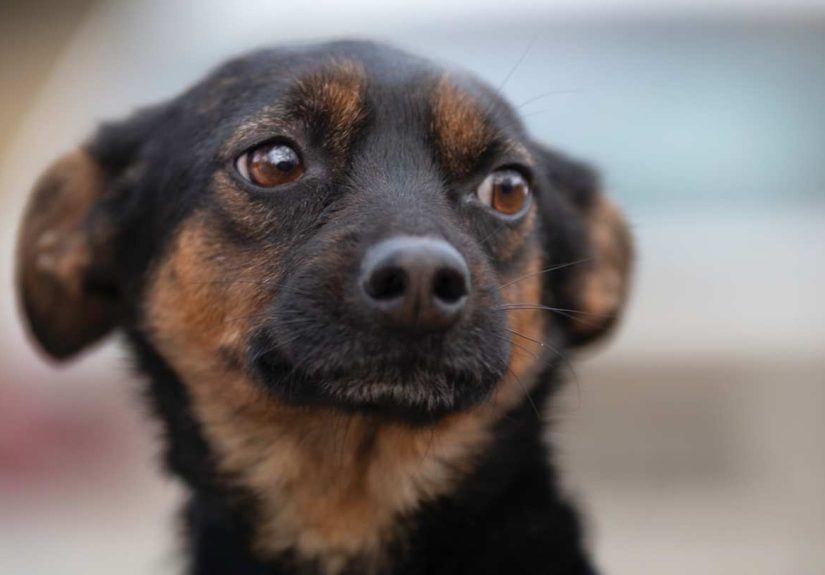
Before jumping into solutions, it helps to understand what anxiety can look like in dogs. An anxious dog may pant, pace, tremble, drool, bark, whine, hide, freeze, cling to you, tuck their tail, lick their lips, yawn repeatedly, refuse treats, or try to escape. Some dogs become restless. Others shut down. A few may growl or snap because fear has pushed them past their comfort zone.
And here is the part many owners miss: anxiety is not “bad behavior” in a tiny fur coat. A dog who chews the door when left alone is not plotting revenge because you bought the wrong treats. A dog who barks at thunder is not being dramatic for sport. Anxiety is an emotional response, and the most effective approach is to reduce fear while teaching better coping skills.
10 Expert Tips for Calming an Anxious Dog
1. Learn Your Dog’s Early Stress Signals
The best time to calm an anxious dog is before your dog hits full panic mode. Once your pup is barking, trembling, or trying to climb into your hoodie like a marsupial, learning becomes harder. Start watching for early warning signs.
Common early signs include lip licking, yawning when not tired, turning away, whale eye, pacing, pinned ears, a low body posture, sudden sniffing, refusing food, or becoming unusually clingy. These small signals are your dog’s way of whispering, “I am not loving this situation.”
Example: If your dog starts licking their lips and looking away when a stranger approaches, do not wait until barking begins. Create distance, reward calm behavior, and let your dog observe from a safer spot.
Think of stress signals like the check-engine light on a car. Ignore it long enough, and the engine may eventually make expensive noises. Respond early, and you can often prevent the meltdown.
2. Create a Safe, Predictable Space
An anxious dog needs a place where nothing scary happens. This can be a quiet room, a cozy corner, a covered crate if your dog already likes crates, or a bed tucked away from household traffic. The space should be comfortable, calm, and available before anxiety begins.
Add familiar bedding, safe chew toys, fresh water, and perhaps an item that smells like you. Keep the area away from windows if outdoor triggers set your dog off. If your dog panics in a crate, do not force crate confinement. A safe room or gated area may work better.
Important: A crate is not a magic anxiety eraser. For some dogs, it feels like a den. For others, especially dogs with separation anxiety, it can feel like being trapped in a tiny panic apartment. Watch your dog’s response and choose the setup that actually helps.
3. Use Routine to Reduce Guesswork
Dogs love patterns. Breakfast happens, walk happens, nap happens, play happens, dinner happens, humans stare at glowing rectangles, bedtime happens. Predictability helps anxious dogs because it reduces uncertainty.
Try to keep feeding, walks, playtime, bathroom breaks, and rest on a reasonably consistent schedule. You do not need to run your house like a military academy for golden retrievers, but a stable rhythm can help your dog understand what comes next.
Routine is especially useful for dogs who become anxious around departures. Calm, ordinary leaving rituals are better than dramatic goodbyes. If every exit becomes a Broadway farewell scene, your dog may learn that departures are a huge emotional event.
Instead, keep your tone neutral, offer a safe activity, and leave calmly. When you return, greet your dog warmly but not wildly. Your goal is to make coming and going feel normal, not like the season finale of a soap opera.
4. Try Desensitization and Counterconditioning
Desensitization and counterconditioning are two of the most important tools for dog anxiety. The words sound like something from a science textbook that forgot to bring snacks, but the idea is simple.
Desensitization means exposing your dog to a trigger at a low enough level that they notice it but do not panic. Counterconditioning means pairing that trigger with something your dog loves, such as high-value treats, toys, praise, or a favorite game.
Example: If your dog fears thunder, you might play storm sounds at a very low volume while giving tiny pieces of chicken. If your dog stays relaxed, you slowly increase the volume over many sessions. If your dog becomes scared, the volume is too high and you need to go back a step.
The secret is staying below your dog’s panic threshold. Tossing your dog into the scary situation and hoping they “get over it” can make fear worse. Slow is smooth, and smooth is fast. Yes, that sounds like something a dog trainer would say while wearing cargo pants, but it is true.
5. Teach a “Settle” Cue Before Your Dog Needs It
A settle cue teaches your dog to relax on a mat, bed, or blanket. This is not a command you introduce during fireworks while your dog is already considering moving to another planet. Teach it when life is calm.
Start by placing a mat on the floor. Reward your dog for looking at it, stepping on it, lying down, and staying there. Keep sessions short and positive. Over time, add a cue like “settle” or “place.” Practice in different rooms before using it near mild distractions.
For anxious dogs, a settle cue can become an emotional anchor. It gives them a familiar job when the world feels confusing. Instead of pacing, jumping, or barking, they learn, “When I go to my mat, good things happen.”
Be realistic. A settle cue will not overpower major panic by itself. But used early, it can help your dog shift into a calmer pattern.
6. Give Your Dog More Mental Enrichment
A tired brain is often a calmer brain. Physical exercise matters, but mental enrichment can be just as powerful for anxious dogs. Sniffing, licking, chewing, problem-solving, and foraging are natural canine behaviors that can help dogs decompress.
Try puzzle feeders, snuffle mats, treat-dispensing toys, safe chews, scent games, or scatter feeding in the yard. A simple “find it” game, where you toss treats for your dog to sniff out, can help redirect nervous energy into a calming activity.
Example: Before a predictable trigger, such as guests arriving, give your dog a stuffed food toy in their safe space. This creates a positive routine and gives your dog something better to do than audition for the neighborhood alarm system.
Choose activities that fit your dog’s personality. A border collie may want a puzzle worthy of a graduate degree. A bulldog may prefer a slow feeder and a dignified nap. Both are valid lifestyle choices.
7. Avoid Punishment and Harsh Corrections
Punishing fear rarely produces confidence. If your dog is barking because they are scared and you yell, yank the leash, spray water, or use intimidation, you may stop the behavior for a moment while making the underlying fear worse.
Anxious dogs need safety, distance, and positive reinforcement. Reward calm choices. Reward looking at a trigger and then looking back at you. Reward resting quietly. Reward recovery after a startle. These small wins build emotional resilience.
This does not mean letting your dog do anything they want. It means managing the environment instead of scolding the emotion. Use baby gates, leashes, distance, window film, white noise, or safe rooms to prevent rehearsing panic behaviors.
Imagine being afraid of spiders and having someone yell, “Stop being weird!” while moving a spider closer to your face. Not exactly confidence-building. Dogs feel the same way, minus the ability to leave a one-star review.
8. Use Calming Tools as Support, Not a Complete Solution
Calming aids can help some dogs, especially when used as part of a broader plan. Options may include pheromone diffusers, calming collars, pressure wraps, white-noise machines, covered resting areas, calming music, or veterinarian-approved supplements.
Pheromone products are designed to mimic natural chemical signals that may help some dogs feel more secure. Pressure wraps may help certain dogs relax during storms or fireworks. White noise can soften outdoor sounds. None of these tools works for every dog, and none should replace training, management, and veterinary guidance.
Be cautious with supplements. “Natural” does not automatically mean safe for every dog. Dogs have different health conditions, medications, ages, and sensitivities. Ask your veterinarian before starting supplements, especially if your dog is young, elderly, pregnant, medically fragile, or taking medication.
9. Practice Calm Alone-Time Skills Gradually
Separation anxiety deserves special care. For dogs who panic when alone, the solution is not simply “leave them until they stop.” That can intensify fear. Instead, practice very short absences that your dog can handle.
Start small. Pick up your keys, then sit back down. Walk to the door, then return. Step outside for two seconds, then come back. Pair these tiny steps with calm rewards and gradually increase only when your dog remains relaxed.
For mild cases, a special food toy that appears only during alone time may help your dog build a better association with departures. For moderate or severe separation anxiety, work with a veterinarian, certified trainer, or veterinary behaviorist. Some dogs need a customized behavior plan and, in certain cases, medication prescribed by a veterinarian.
The most important rule is simple: do not rush. Anxiety recovery is not a microwave burrito. It takes time, patience, and careful steps.
10. Know When to Call a Professional
Home strategies can help many anxious dogs, but some situations call for expert support. Contact your veterinarian if your dog’s anxiety starts suddenly, worsens quickly, includes aggression, causes self-injury, prevents eating, disrupts sleep, or appears alongside symptoms like vomiting, pain, limping, confusion, or changes in appetite.
A veterinarian can rule out medical causes and discuss safe treatment options. Pain, hormonal changes, sensory decline, neurological issues, and other health problems can look like behavior problems. A dog who suddenly seems anxious may not be “acting out”; they may be uncomfortable or sick.
For ongoing anxiety, ask about a qualified reward-based trainer, certified behavior consultant, or board-certified veterinary behaviorist. The right professional can design a plan that fits your dog’s triggers, history, home life, and learning style.
Common Triggers That Make Dogs Anxious
Every dog has their own worry list. Some dogs fear loud noises like thunder, fireworks, construction, or garbage trucks. Others struggle with visitors, children, other dogs, car rides, grooming, nail trims, vet visits, or being left alone.
Some triggers are obvious. If your dog hides every time thunder rolls, case closed. Others are sneaky. A dog may not fear the car itself but may fear the destination if car rides usually end at the vet. Another dog may not fear visitors but may fear the doorbell, fast movement, or being touched by strangers.
Keep a simple anxiety journal for two weeks. Write down what happened before the anxious behavior, what your dog did, how long it lasted, and what helped. Patterns often appear quickly. Once you know the pattern, you can build a smarter plan.
What Not to Do With an Anxious Dog
Do not force your dog to “face their fear” at full intensity. Do not punish growling, because growling is communication. Do not flood your dog with scary experiences hoping they will magically become brave. Do not assume all calming products are safe just because the label has a peaceful-looking dog on it.
Also, do not take anxiety personally. Your dog is not embarrassed by your outfit, judging your social life, or trying to ruin your Zoom call. They are struggling. When you respond with patience and a plan, you become the safe human they need.
Experience-Based Advice: What It Really Feels Like to Help an Anxious Dog
Helping an anxious dog is less like flipping a switch and more like teaching a nervous little roommate that the blender is not a dragon. Progress often arrives in small, almost invisible moments. The first time your dog hears a distant truck and only lifts one ear instead of barking for five minutes? Victory. The first time your dog goes to their mat when guests arrive? Tiny parade. The first time your dog takes a treat during a mild trigger? That is not “just a snack.” That is emotional growth wearing crumbs.
One of the biggest lessons many dog owners learn is that calm behavior must be practiced when the dog is already calm. It sounds backward at first. You want the solution during the crisis, not on a random Tuesday afternoon. But Tuesday afternoon is exactly when your dog can learn. That is when you practice the settle cue, introduce the safe space, play low-volume sounds, and reward relaxed body language. When the real trigger appears later, your dog has a familiar pattern to lean on.
Another real-world lesson: owners often need training too. An anxious dog can make humans anxious. You may tense up before a walk because you expect barking. You may rush when leaving the house because you dread the whining. Dogs are excellent readers of body language, which is both impressive and mildly inconvenient. Slowing down your own movements, breathing normally, and using a calm voice can help keep the whole situation from turning into a group project in panic.
It also helps to define success realistically. Success may not mean your noise-sensitive dog sleeps through fireworks like a retired jazz musician. It may mean your dog recovers faster, hides safely instead of panicking, or accepts a chew in their quiet room. Success may not mean your separation-anxious dog suddenly enjoys alone time for eight hours. It may mean they can handle five calm minutes, then ten, then twenty. Small steps are still steps.
Owners sometimes feel guilty when their dog is anxious, especially if the dog was adopted, under-socialized, or had a rough start. Guilt is understandable, but it is not very useful unless it comes with a training plan and maybe a decent cup of coffee. Your dog does not need you to be perfect. Your dog needs you to be consistent, observant, and kind.
Finally, remember that anxious dogs can become deeply trusting companions. When they learn that you will not force them, scare them, or ignore their signals, they often begin to relax in ways that feel incredibly rewarding. The dog who once hid from visitors may eventually nap in the next room while guests chat. The dog who trembled during storms may learn to settle with white noise and a stuffed toy. The dog who panicked at your keys may learn that departures are predictable and safe.
Helping an anxious dog takes time, but it is worth it. You are not just stopping barking or pacing. You are teaching your dog that the world can be handled one safe step at a time. That is a pretty beautiful thing, even if the vacuum cleaner remains suspicious forever.
Conclusion
Calming an anxious dog starts with understanding, not control. Learn your dog’s signals, create a safe space, keep routines predictable, use reward-based training, and build confidence slowly. Tools like pheromones, white noise, pressure wraps, and enrichment can support the process, but the foundation is patience and positive learning.
If your dog’s anxiety is severe, sudden, or dangerous, do not try to solve it alone. Your veterinarian or a qualified behavior professional can help you choose the safest and most effective plan. With the right approach, many anxious dogs can feel calmer, braver, and more secureone treat, one quiet win, and one less dramatic encounter with the doorbell at a time.