Table of Contents >> Show >> Hide
- What “Boosting Metabolism” Really Means
- Best Foods for Boosting Metabolism
- 1. Lean Protein: Chicken, Turkey, Eggs, Greek Yogurt, Tofu, and Fish
- 2. Beans and Lentils
- 3. Whole Grains: Oats, Brown Rice, Quinoa, and Barley
- 4. Chili Peppers and Spicy Foods
- 5. Green Tea and Unsweetened Coffee
- 6. Fatty Fish: Salmon, Sardines, Trout, and Mackerel
- 7. Water-Rich, Fiber-Rich Fruits and Vegetables
- Worst Foods for Boosting Metabolism
- How to Build a Metabolism-Friendly Plate
- Common Metabolism Myths That Need to Retire
- Practical Meal Ideas for Better Metabolic Health
- of Real-Life Experience: What Actually Works Day to Day
- Conclusion
Metabolism is one of those words that gets tossed around like confetti at a New Year’s party. People say they want to “boost metabolism,” “reset metabolism,” or “hack metabolism,” as if the body is a stubborn laptop that just needs a dramatic restart. In reality, metabolism is the total set of chemical processes your body uses to turn food into energy, build and repair tissues, regulate temperature, support organs, and keep you alive while you do extremely metabolic activities like blinking, thinking, and wondering why your grocery bill looks like a car payment.
The truth? No single food magically turns your body into a calorie-burning furnace. A chili pepper will not do the job of a consistent workout routine, and green tea is not a tiny personal trainer in a mug. However, certain foods can support a healthier metabolism by helping you preserve muscle, feel fuller longer, stabilize blood sugar, digest food more efficiently, and avoid the energy crashes that make the vending machine look like a wise life coach.
This guide breaks down the 11 best and worst foods for boosting metabolism in a realistic, science-informed way. We will look at foods that help your body work better, foods that may work against your energy and appetite, and simple ways to build meals that support long-term metabolic health without falling for diet-culture nonsense wrapped in shiny packaging.
What “Boosting Metabolism” Really Means
Before ranking foods, let’s clear up the biggest myth: metabolism is not just about burning calories. It includes resting metabolic rate, physical activity, digestion, hormone function, muscle maintenance, and how your body handles nutrients. The food-related part is often called the thermic effect of food, which means your body uses energy to digest, absorb, and process what you eat.
Protein generally requires more energy to digest than carbohydrates or fat. Fiber-rich foods can slow digestion and support steadier blood sugar. Caffeine and compounds in spicy peppers may slightly increase energy expenditure for a short time. But these effects are modest. The real win comes from eating in a way that supports muscle, movement, satiety, sleep, and overall health.
Best Foods for Boosting Metabolism
1. Lean Protein: Chicken, Turkey, Eggs, Greek Yogurt, Tofu, and Fish
If metabolism had a dependable best friend, it would be protein. Protein helps build and maintain lean muscle, and muscle tissue uses more energy than fat tissue even when you are resting. Protein also has a higher thermic effect than other macronutrients, meaning your body spends more energy processing it.
Good options include eggs, skinless poultry, fish, Greek yogurt, cottage cheese, tofu, tempeh, beans, lentils, and lean cuts of meat. The goal is not to eat protein like you are training for a wilderness survival show. The goal is to include a sensible source at most meals so your body has the building blocks it needs.
For example, a metabolism-supportive breakfast could be Greek yogurt with berries and oats, scrambled eggs with vegetables, or tofu with brown rice and spinach. These meals offer protein, fiber, and slow-digesting carbohydrates instead of a quick sugar rush followed by a midmorning crash.
2. Beans and Lentils
Beans and lentils are metabolic multitaskers. They bring plant-based protein, fiber, minerals, and slow-digesting carbohydrates to the table. That combination helps keep you full and supports more stable blood sugar levels. Translation: fewer dramatic snack emergencies.
Black beans, chickpeas, kidney beans, pinto beans, lentils, and split peas are easy to add to soups, salads, grain bowls, tacos, and stews. They are also budget-friendly, which is refreshing in a world where a tiny container of “wellness” snacks can cost more than lunch.
A simple metabolism-friendly meal could be lentil soup with vegetables, a chickpea salad with olive oil and lemon, or a black bean bowl with brown rice, avocado, salsa, and grilled vegetables.
3. Whole Grains: Oats, Brown Rice, Quinoa, and Barley
Whole grains are often unfairly blamed for weight gain, but the problem is usually refined grains, oversized portions, and sugary add-ons. Whole grains contain the bran, germ, and endosperm, which means they offer more fiber, vitamins, minerals, and texture than refined grains.
Oats, quinoa, barley, farro, brown rice, and whole wheat bread can help provide steady energy. Fiber slows digestion, supports fullness, and may reduce sharp blood sugar swings. That matters because energy crashes often lead to overeating later, especially when the nearest snack is something crunchy, salty, and aggressively marketed.
Try oatmeal with nuts and berries, quinoa with roasted vegetables, or barley in soup. The key is choosing whole grains most of the time and pairing them with protein and healthy fats.
4. Chili Peppers and Spicy Foods
Spicy foods deserve a careful but enthusiastic mention. Chili peppers contain capsaicin, a compound that may slightly increase energy expenditure and support satiety in the short term. This does not mean hot sauce melts calories like ice on a sidewalk, but it may provide a small metabolic nudge.
Use chili peppers, cayenne, jalapeños, crushed red pepper, or hot sauce to add flavor without relying on heavy sauces or excess sugar. Spicy lentil soup, chili-garlic tofu, turkey chili, and salsa-topped eggs are all good examples.
One warning: if spicy foods bother your stomach, trigger reflux, or make you regret every life choice, skip them. A healthy metabolism does not require suffering through a pepper that has its own warning label.
5. Green Tea and Unsweetened Coffee
Green tea and coffee contain caffeine, and green tea also contains catechins, plant compounds that have been studied for their potential role in energy expenditure and fat oxidation. The effect is usually modest, but unsweetened coffee or tea can be a helpful part of a balanced routine.
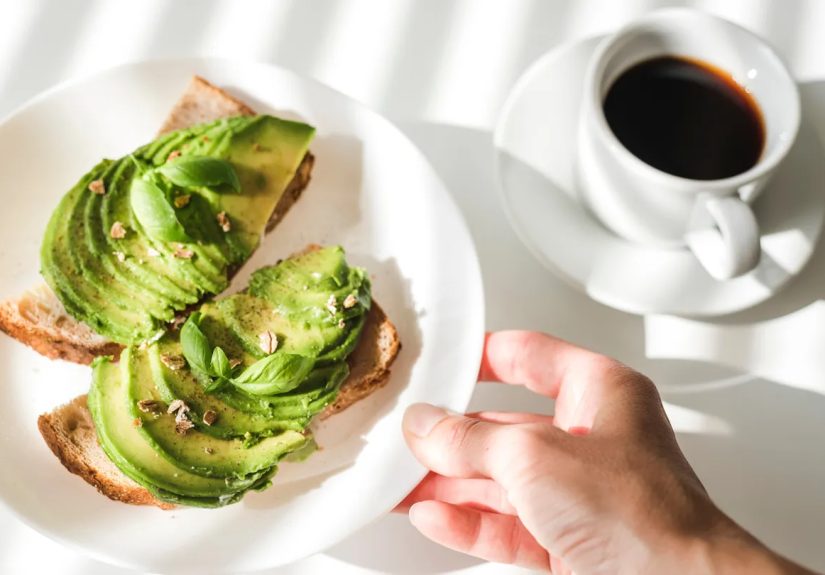
The important word is “unsweetened.” A plain coffee is very different from a dessert-style coffee drink with whipped cream, syrup, and enough sugar to make your pancreas file a complaint. If you enjoy coffee, keep it simple: black coffee, coffee with a splash of milk, or lightly sweetened versions. For tea, try green tea, black tea, or herbal tea without turning the cup into a liquid candy bar.
Caffeine tolerance varies, and too much can cause jitters, poor sleep, and a racing heart. Since sleep is essential for metabolic health, do not let coffee steal your bedtime and then pretend it is helping.
6. Fatty Fish: Salmon, Sardines, Trout, and Mackerel
Fatty fish supports metabolic health in a different way. It provides high-quality protein and omega-3 fatty acids, which are connected with heart health and healthy inflammatory balance. While omega-3s are not “metabolism boosters” in the flashy sense, they support the kind of internal environment where your body can function well.
Salmon, sardines, trout, herring, and mackerel are excellent choices. If fish is not your thing, chia seeds, flaxseeds, walnuts, and algae-based options can help provide plant-based omega-3 fats.
A practical dinner might be baked salmon with roasted vegetables and quinoa, sardines on whole grain toast, or trout with a side salad and sweet potato.
7. Water-Rich, Fiber-Rich Fruits and Vegetables
Fruits and vegetables are not flashy, but they are metabolic workhorses. They provide fiber, water, vitamins, minerals, antioxidants, and volume. That means you can eat satisfying portions while supporting digestion and nutrient intake.
Great choices include berries, apples, oranges, leafy greens, broccoli, peppers, carrots, zucchini, tomatoes, and cauliflower. Whole fruit is usually a better choice than fruit juice because it contains fiber and takes longer to eat. Juice, even when natural, is easier to overconsume.
To make this easy, build meals around color. Add spinach to eggs, berries to yogurt, peppers to stir-fries, broccoli to pasta, and a side salad to dinner. Your metabolism does not need perfection; it needs repetition.
Worst Foods for Boosting Metabolism
8. Sugary Drinks
Sugary drinks are among the worst choices for metabolic health because they deliver calories quickly without much fullness. Soda, sweet tea, energy drinks, fruit drinks, and syrup-heavy coffee beverages can spike blood sugar and add a surprising amount of added sugar to the day.
One regular soda can contain around 10 teaspoons of added sugar. Liquid calories are sneaky because your body may not register them the same way it registers solid food. You drink them, feel briefly energized, and then often feel hungry again soon after. Very rude behavior from a beverage.
Better swaps include water, sparkling water, unsweetened iced tea, plain coffee, or water flavored with lemon, cucumber, mint, or berries.
9. Refined Carbohydrates: White Bread, Pastries, Sugary Cereals, and Snack Cakes
Refined carbohydrates are grains that have been stripped of much of their fiber and nutrients. White bread, many pastries, sugary cereals, crackers, and snack cakes digest quickly and can lead to rapid blood sugar rises followed by hunger and fatigue.
This does not mean bread is evil. Bread has not been sneaking around at night ruining anyone’s metabolism. The issue is relying too heavily on refined carbs without enough protein, fiber, or healthy fat. A plain pastry for breakfast may taste delightful, but it often does not keep you satisfied for long.
Choose whole grain bread, oats, brown rice, quinoa, fruit, or potatoes paired with protein. For example, swap a sugary cereal for oatmeal with peanut butter and berries, or trade a snack cake for Greek yogurt with fruit.
10. Deep-Fried Fast Foods
Deep-fried fast foods often combine refined carbohydrates, low fiber, high sodium, and large amounts of fat in one convenient package. French fries, fried chicken sandwiches, fried pastries, and battered foods can be very calorie-dense while offering limited satiety compared with meals built around protein, vegetables, and whole grains.
High-calorie foods are not automatically “bad,” but when they are easy to overeat and low in fiber, they can work against appetite control and healthy energy balance. They may also crowd out more nutrient-dense foods your body needs.
If you enjoy fast food, make it occasional and strategic. Choose grilled options when available, add a side salad or fruit, skip sugary drinks, and avoid turning every meal into a fried festival with extra dipping sauce as the headline act.
11. Ultra-Processed Snack Foods and Dessert-Style “Health” Foods
Some foods wear a health halo so shiny you almost need sunglasses. Protein cookies, granola bars, low-fat desserts, sweetened yogurts, bottled smoothies, and “energy” snacks can sound metabolism-friendly but still contain lots of added sugar, refined starch, and calories.
This category also includes chips, candy, packaged cakes, and highly processed snack mixes. These foods are engineered to be tasty, convenient, and easy to keep eating. That is great for snack companies and less great for your hunger cues.
Look at the Nutrition Facts label. Check added sugar, fiber, protein, and serving size. A truly helpful snack usually gives you protein or fiber, not just a charming wrapper and a promise written in neon font.
How to Build a Metabolism-Friendly Plate
A metabolism-supportive meal does not need to be complicated. Use a simple structure: protein, fiber-rich carbohydrates, colorful produce, and healthy fat. This combination supports fullness, energy, and nutrient quality.
Simple Plate Formula
Fill half your plate with vegetables or fruit, one quarter with protein, and one quarter with whole grains or starchy vegetables. Add a small amount of healthy fat from foods like avocado, nuts, seeds, olive oil, or fatty fish.
Examples include grilled chicken with quinoa and roasted vegetables, tofu stir-fry with brown rice, salmon with sweet potato and greens, lentil soup with a side salad, or eggs with whole grain toast and fruit.
Common Metabolism Myths That Need to Retire
Myth 1: Eating Tiny Meals All Day Automatically Boosts Metabolism
Meal frequency matters less than total food quality, portion size, protein, fiber, and consistency. Some people feel better with three meals. Others prefer meals plus snacks. The best pattern is the one that keeps your energy steady and prevents chaotic overeating.
Myth 2: One Superfood Can Fix a Slow Metabolism
No single food has that much power. Green tea, chili peppers, and protein can help a little, but the big picture matters more: sleep, movement, strength training, balanced meals, hydration, stress management, and consistent habits.
Myth 3: Carbs Destroy Metabolism
Carbohydrates are not the villain. Refined, low-fiber carbs eaten in large amounts may work against energy balance, but whole-food carbohydrates like oats, beans, lentils, fruit, potatoes, and whole grains can support an active lifestyle and healthy digestion.
Practical Meal Ideas for Better Metabolic Health
Breakfast Ideas
Try oatmeal with berries and walnuts, eggs with spinach and whole grain toast, Greek yogurt with chia seeds and fruit, or tofu scramble with vegetables. These meals combine protein and fiber, which is the breakfast equivalent of putting your energy on a stable Wi-Fi connection.
Lunch Ideas
Build a bowl with brown rice, black beans, grilled chicken or tofu, salsa, lettuce, peppers, and avocado. Or make a lentil soup with a side salad. Another easy option is tuna or chickpea salad on whole grain bread with vegetables.
Dinner Ideas
Choose salmon with roasted broccoli and quinoa, turkey chili with beans, tofu stir-fry with vegetables, or grilled chicken with sweet potato and greens. Keep the meal satisfying, colorful, and balanced.
Snack Ideas
Good snacks include apples with peanut butter, cottage cheese with fruit, carrots with hummus, boiled eggs, edamame, roasted chickpeas, or plain Greek yogurt with cinnamon. These choices give your body something useful instead of a sugar roller coaster with crumbs.
of Real-Life Experience: What Actually Works Day to Day
In real life, eating for metabolism is less about dramatic makeovers and more about tiny decisions repeated often. The most useful lesson is that energy usually improves when meals are built instead of grabbed. A grabbed meal is often whatever is closest, fastest, and loudest in the pantry. A built meal has a plan: protein, fiber, color, and enough satisfaction to prevent snack hunting 45 minutes later.
One practical experience many people notice is the difference between a sweet breakfast and a balanced breakfast. A pastry and flavored coffee may feel fun at 8 a.m., but by 10:30 a.m., hunger can return with the emotional intensity of a movie villain. Swap that for eggs with whole grain toast, oatmeal with nuts, or Greek yogurt with berries, and the morning often feels calmer. Not perfect, not magical, but calmer. That matters.
Another helpful habit is preparing one protein ahead of time. Cook chicken, tofu, lentils, boiled eggs, or beans in advance, and meals become easier. Without ready protein, it is common to build meals around bread, noodles, chips, or whatever requires the least effort. With protein ready, a bowl, wrap, salad, or soup comes together quickly.
Fiber is another underrated experience. When people add beans, vegetables, fruit, oats, and whole grains gradually, they often feel fuller with less effort. The keyword is gradually. Going from almost no fiber to a heroic mountain of beans overnight can make your digestive system write a strongly worded letter. Increase fiber slowly and drink enough water.
Hydration also matters more than people expect. Sometimes the “I need a snack” feeling is actually thirst, tiredness, boredom, or habit. Keeping water nearby can reduce mindless sipping of sugary drinks. If plain water feels boring, add citrus, mint, cucumber, or unsweetened tea. Your water does not need to be glamorous. It just needs to show up.
Spicy foods can be useful for flavor. A little chili, salsa, hot sauce, or curry seasoning can make vegetables and lean proteins more exciting. But the goal is enjoyment, not punishment. If spicy food causes discomfort, there are plenty of other metabolism-friendly choices.
The biggest real-world win is consistency without obsession. You do not need a perfect diet. You need a pattern that makes the better choice easier most of the time. Keep protein available. Add produce to meals. Choose whole grains more often. Drink fewer sugary beverages. Enjoy treats without turning them into daily defaults. That is not flashy, but it works better than chasing every new metabolism trend that shows up online wearing a lab coat and selling powder.
Conclusion
The best foods for boosting metabolism are not mysterious. Lean protein, beans, lentils, whole grains, spicy peppers, green tea, coffee, fatty fish, fruits, and vegetables all support metabolic health in practical ways. They help with fullness, muscle maintenance, digestion, blood sugar balance, and overall nutrition. The worst foods are usually the ones that add lots of sugar, refined starch, unhealthy fats, and calories without much satisfaction: sugary drinks, refined carbs, deep-fried fast foods, and ultra-processed snacks.
Instead of searching for a miracle food, focus on building meals your body can actually use. Metabolism responds best to steady habits: enough protein, plenty of fiber, regular movement, quality sleep, smart hydration, and fewer sugar-loaded shortcuts. Your body is not a machine to trick. It is a system to support. Feed it like you are on the same team.