Table of Contents >> Show >> Hide
- How nonhormonal birth control works
- 1. Copper IUD (nonhormonal IUD)
- 2. External (male) condoms
- 3. Internal (female) condoms
- 4. Diaphragm
- 5. Cervical cap
- 6. Contraceptive sponge
- 7. Spermicide products
- 8. Phexxi vaginal gel (nonhormonal pH modulator)
- 9. Fertility awareness–based methods (FABMs)
- 10. Withdrawal (the “pull-out” method)
- 11. Permanent sterilization (tubal ligation & vasectomy)
- How to choose the best nonhormonal birth control for you
- Real-life experiences with nonhormonal birth control
- Bottom line
Looking for birth control without hormones? You’re not alone. Many people want to avoid estrogen or progestin because of side effects, medical conditions, or just personal preference. The good news: modern medicine offers a surprisingly long menu of hormone-free birth control options, from long-acting devices to “use-it-when-you-need-it” gels and classic barrier methods.
In this guide, we’ll walk through 11 nonhormonal birth control options, explain how they work, how effective they are in real life, and what kind of person they tend to fit best. We’ll also look at real-life experiences at the end, so you can see how people actually use these methods in day-to-day life.
How nonhormonal birth control works
Nonhormonal birth control prevents pregnancy without changing your natural hormone levels. Instead, these methods work by:
- Physically blocking sperm from reaching an egg (barrier methods)
- Changing the environment so sperm can’t move or survive well (spermicides and vaginal gel)
- Preventing sperm and egg from ever meeting (sterilization, copper IUD)
- Avoiding sex on fertile days (fertility awareness methods)
- Ejaculating away from the vagina (withdrawal)
Effectiveness depends heavily on how the method is used. Copper IUDs and sterilization are over 99% effective. Barrier and behavioral methods work well only if used correctly and consistently every time.
1. Copper IUD (nonhormonal IUD)
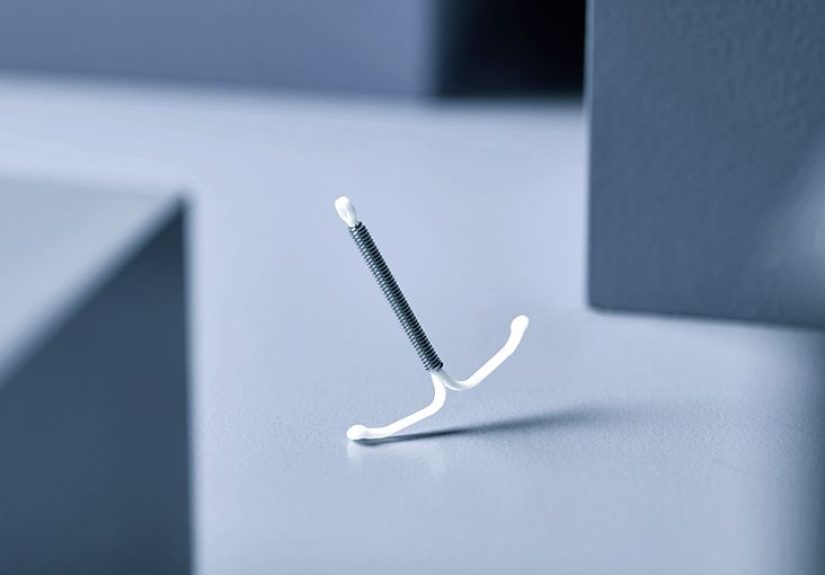
The copper intrauterine device (IUD) is the rock star of nonhormonal birth control. It’s a tiny T-shaped plastic frame wrapped in copper that a healthcare professional places inside your uterus.
How it works
Copper is toxic to sperm. The IUD releases copper ions that create an environment where sperm have trouble moving and surviving, so they can’t fertilize an egg. It also makes the uterus and fallopian tubes less friendly to sperm overall.
Effectiveness
With typical use, the copper IUD is more than 99% effective and lasts up to 10–12 years, depending on the brand. It’s also one of the most effective forms of emergency contraception if inserted within five days of unprotected sex.
Pros
- Very low maintenance once inserted
- Extremely effective and reversible
- No hormones at all
- Can be used long-term and removed anytime if you want to get pregnant
Cons
- Requires a procedure for insertion and removal
- Can cause heavier, longer, or more painful periods, especially in the first months
- Does not protect against STIs
2. External (male) condoms
External condoms are the classic go-to barrier method. They’re worn over the penis and are widely available, inexpensive, and easy to use with a bit of practice.
How they work
Condoms act as a physical barrier that keeps semen from entering the vagina. They’re usually made of latex, polyurethane, or polyisoprene. When used consistently and correctly, they not only prevent pregnancy but also significantly reduce the risk of many sexually transmitted infections (STIs).
Effectiveness
With typical use, external condoms are about 87% effective; with perfect use, effectiveness rises to about 98%.
Pros
- One of the few options that also helps protect against STIs
- Available over the counter with no prescription
- Hormone-free and used only when you have sex
- Can be combined with other methods for extra protection
Cons
- Must be used correctly every single time
- Some people are sensitive or allergic to latex
- Can break or slip if the wrong size or used incorrectly
3. Internal (female) condoms
Internal condoms are worn inside the vagina and have a flexible ring on each end. Think of them as an inside-out condom that the receptive partner controls.
How they work
The condom lines the vaginal walls and part of the external genital area, preventing sperm from entering the cervix. It also offers some protection against STIs.
Effectiveness
With typical use, internal condoms are about 79% effective. Perfect use effectiveness is higher.
Pros
- Provides STI protection
- Gives more control to the receptive partner
- Can be inserted up to a couple of hours before sex
- Non-latex options available
Cons
- Less widely available than external condoms
- Learning curve for insertion and correct placement
- May feel or sound “rustly” at first, which some couples notice
4. Diaphragm
A diaphragm is a shallow, dome-shaped silicone cup that you place inside the vagina to cover the cervix before sex. It’s usually used with spermicide.
How it works
The diaphragm blocks the cervix so sperm can’t reach the uterus. Spermicide adds a chemical barrier that slows or kills sperm.
Effectiveness
With typical use, the diaphragm is about 83–87% effective. Effectiveness improves with consistent use and correct positioning.
Pros
- Hormone-free and reusable
- Can be inserted hours before sex, so it doesn’t interrupt the moment
- Provides user control without requiring a partner’s participation
Cons
- Requires a prescription and sometimes a fitting, depending on type
- Must be used with spermicide
- Needs to stay in place for at least 6 hours after sex
- Does not protect against STIs
5. Cervical cap
The cervical cap is similar to a diaphragm but smaller and more rigid. It fits snugly over the cervix like a little hat and is also used with spermicide.
How it works
The cap blocks the cervix so sperm cannot enter the uterus. Spermicide in the cap helps reduce the number of active sperm.
Effectiveness
Effectiveness varies; typical-use rates range roughly from the mid-70% to mid-80% range, depending on age and whether the person has given birth vaginally.
Pros
- Reusable, hormone-free, and discreet
- Can be left in for multiple acts of sex within 48 hours (with extra spermicide)
- Can be inserted ahead of time
Cons
- Requires a prescription and learning how to insert
- Must be used with spermicide
- Does not protect against STIs
6. Contraceptive sponge
The contraceptive sponge is a soft, round device made of foam that contains spermicide. You place it deep in the vagina to cover the cervix before sex.
How it works
The sponge physically blocks sperm from entering the cervix and slowly releases spermicide to immobilize them.
Effectiveness
Typical-use effectiveness ranges from about 76–88%, depending on whether you’ve given birth before.
Pros
- Available over the counter
- Single-use but can be effective for up to 24 hours once inserted
- No hormones and no prescription for most brands
Cons
- Must stay in place for at least 6 hours after sex
- Does not protect against STIs
- Some people experience irritation from the spermicide
7. Spermicide products
Spermicides are chemicals that make it hard for sperm to move or survive. They come as gels, creams, foams, films, and suppositories and are often used with other barrier methods.
How they work
You place the spermicide deep in the vagina close to the cervix before sex. It either kills sperm or slows them down enough that they can’t reach an egg efficiently.
Effectiveness
Used alone, spermicides are among the less effective methods, with typical-use effectiveness around the low 70% range. They work best when combined with condoms, diaphragms, or caps.
Pros
- Over-the-counter and easy to carry
- Can be paired with many barrier methods for increased effectiveness
- Hormone-free and used on demand
Cons
- Can cause vaginal irritation or sensitivity
- Requires timing; some forms must be applied a set number of minutes before sex
- Does not protect against STIs
8. Phexxi vaginal gel (nonhormonal pH modulator)
Phexxi is a newer prescription, hormone-free vaginal gel approved by the FDA. It’s specifically designed as on-demand nonhormonal birth control.
How it works
Phexxi contains lactic acid, citric acid, and potassium bitartrate. It’s inserted into the vagina before sex via a prefilled applicator. The gel maintains a slightly more acidic vaginal pH, which reduces sperm motility so they’re less able to swim toward an egg.
Effectiveness
Clinical trials show Phexxi is moderately effective, with typical-use effectiveness similar to other on-demand methods when used correctly and consistently (often cited around the mid-80% range). It is not effective if used after sex.
Pros
- Hormone-free and used only when needed
- Doesn’t require insertion of a device like an IUD or cap
- Can be combined with condoms for higher effectiveness
Cons
- Prescription only and may be more expensive than older products
- Common side effects include burning, itching, or discomfort and occasional UTIs or yeast infections
- No STI protection
9. Fertility awareness–based methods (FABMs)
Fertility awareness–based methods, sometimes called natural family planning, involve tracking your menstrual cycle so you can avoid sex or use barrier protection on fertile days.
How they work
These methods rely on observing signs like basal body temperature, cervical mucus, and cycle length to estimate when ovulation is likely happening. You either abstain from vaginal intercourse or use another method during that fertile window.
Effectiveness
With typical use, effectiveness is often around 76–88%, depending on the exact method and how carefully it’s followed. Highly motivated couples who track carefully and receive training may have higher effectiveness.
Pros
- No devices, drugs, or procedures
- Helps you understand your body and cycle more deeply
- Aligned with certain religious or personal values
Cons
- Requires daily tracking and commitment from both partners
- Less forgiving of mistakes, irregular cycles, illness, or stress
- No STI protection
10. Withdrawal (the “pull-out” method)
Withdrawal means the penis is pulled out of the vagina before ejaculation so semen does not enter the reproductive tract. It’s an ancient method that many couples still use, especially when other options aren’t available.
How it works
The method relies entirely on timing and control: the partner with the penis must withdraw before they climax, every single time, without fail.
Effectiveness
With typical use, withdrawal is around 78% effective; perfect use can reach about 96%, but perfect timing in real life is tricky. Pre-ejaculatory fluid may contain sperm, so there is always some risk.
Pros
- Free and immediately available
- No hormones, devices, or prescriptions
- Can lower pregnancy risk compared with no method at all
Cons
- Highly user-dependent and easy to “mess up” in the moment
- Does not protect against STIs
- Stressful for some couples due to fear of failure
11. Permanent sterilization (tubal ligation & vasectomy)
If you’re certain you’re done having children (or don’t want any), permanent sterilization is a highly effective nonhormonal option.
Types
- Tubal ligation: A procedure that blocks, seals, or removes parts of the fallopian tubes so eggs can’t meet sperm.
- Vasectomy: A procedure for people with testicles, where the vas deferens (the tubes that carry sperm) are cut or sealed so sperm no longer enter semen.
Effectiveness
Both tubal ligation and vasectomy are over 99% effective in preventing pregnancy. Vasectomy is generally simpler, lower risk, and often more affordable than tubal ligation.
Pros
- One-time procedure with long-term protection
- No hormones
- No ongoing steps before sex
Cons
- Considered permanent; reversal can be complex, expensive, and not guaranteed
- Requires a procedure and recovery time
- No STI protection
How to choose the best nonhormonal birth control for you
There is no one “best” nonhormonal birth control method for everyone. The right choice depends on:
- Your health (for example, heavy periods might be worsened by the copper IUD)
- Your plans (short-term vs. long-term pregnancy goals)
- Your comfort level with procedures, devices, or daily tracking
- Whether you need STI protection (only condoms offer that)
- Cost and access (insurance coverage, clinic availability, prescriptions)
Many people end up combining methods: for example, using a copper IUD for primary pregnancy prevention and condoms for STI protection, or pairing Phexxi or spermicide with condoms for extra peace of mind.
Real-life experiences with nonhormonal birth control
Statistics and effectiveness charts are helpful, but most people also want to know: what does this actually feel like in real life? While everyone’s body and circumstances are unique, here are some composite experiences that reflect common themes reported by patients in clinics and health resources.
Copper IUD: “Set it and forget it… mostly”
Many people who choose the copper IUD are either tired of hormonal side effects or have health reasons to avoid hormones. One common story: someone in their late 20s who tried several hormonal methods and dealt with mood changes or headaches. Their clinician recommends the copper IUD. The insertion is uncomfortable (for some, briefly painful), but the procedure is over in a few minutes.
The first three to six months often bring heavier periods and stronger cramps. Over-the-counter pain relievers and heating pads become regular monthly tools. After that adjustment period, many people say their cycles settle into a new normal. The big benefit they describe: peace of mind. They don’t have to think about birth control every day or every month, and they’re happy to trade a slightly heavier period for reliable, hormone-free protection that lasts up to a decade.
Condoms plus spermicide: teamwork and communication
Another common scenario involves couples who aren’t ready for anything permanent and don’t want a device placed in the uterus. They decide to use condoms for STI protection and add spermicide or Phexxi for extra pregnancy protection.
At first, one partner may feel awkward about pausing to apply gel or check the condom. Over time, they build a routine: the gel becomes part of foreplay, someone always checks the expiration date on the box, and they keep extra condoms in multiple spots so they’re easy to grab. The real challenge isn’t the products themselves but the communication: talking about what feels comfortable, what causes irritation, and how to handle a condom break or missed application. Couples who stick with this combo usually say that honest, low-drama conversations about sex become one of the biggest side benefits.
Fertility awareness: body literacy with homework
People drawn to fertility awareness methods often like the idea of avoiding devices and medications altogether. They start tracking their basal body temperature every morning, noting cervical mucus changes, and using an app or paper chart. In the first few cycles, it can feel like learning a new language. Life eventstravel, illness, stresscan throw off patterns, which sometimes means using condoms more often “just in case.”
Over time, many become very tuned in to their cycles. They might notice that energy and mood follow predictable patterns, and they often feel more in control because they understand what their body is doing. On the flip side, they usually acknowledge that these methods require both partners to be disciplined. If one person isn’t on board with avoiding sex on fertile days or using backup protection, the method can fall apart quickly.
Withdrawal: better than nothing, but stressful for some
Withdrawal is extremely common, especially among younger people or those who don’t have easy access to other methods. In real-world stories, couples often describe it as a “temporary solution” that sticks around longer than planned. While it can work, many people report a constant low-grade anxiety: “Did we pull out in time?” or “What about pre-cum?” That worry often leads to frequent use of emergency contraception or pregnancy tests. For some couples, that stress is what finally pushes them to seek more reliable nonhormonal options.
Sterilization: relief when you truly know you’re done
Sterilization stories almost always involve a lot of reflection. Someone might have had the number of children they planned, be in their late 30s or 40s, or know from early adulthood that they never want children. They talk extensively with their clinician and sometimes with a counselor or partner about the permanence of the decision.
After a vasectomy or tubal ligation, initial soreness fades, and many describe a huge sense of relief and freedom: no more ongoing birth control decisions or worries. But providers consistently emphasize that sterilization is only appropriate for people who are truly comfortable with not having biological children in the future. Regret is more likely when people choose it very young or under pressure.
Across all of these experiences, one theme is clear: the “best” nonhormonal method is the one that fits your health, values, lifestyle, and relationships. That’s why a conversation with a trusted healthcare professional is so important. They can help you compare options, review your medical history, and choose a methodor combination of methodsthat gives you protection and peace of mind.
Bottom line
From long-acting copper IUDs to on-demand gels and simple condoms, there are at least 11 solid ways to prevent pregnancy without hormones. Some take a one-time procedure, some require a bit of homework and tracking, and others just live quietly in your nightstand. If you’re considering nonhormonal birth control, use this guide as a starting pointbut let your healthcare professional personalize the details. And whatever you choose, remember that condoms remain your best friend when it comes to STI protection.