Table of Contents >> Show >> Hide
- Why Protecting Your Vision Matters More Than You Think
- 1. Make Regular Eye Exams Non-Negotiable
- 2. Eat Like You Actually Care About Your Eyes
- 3. Get Smart About Screens: Taming Digital Eye Strain
- 4. Protect Your Eyes from UV and Everyday Hazards
- 5. Break the Habits That Secretly Sabotage Your Eyes
- 6. Support Your Eyes by Supporting Your Overall Health
- 7. Know the Warning Signs: When to Call an Eye Doctor
- 8. Real-World Experiences: What Eye-Healthy Habits Look Like in Daily Life
If you’re reading this, congratulations: your eyes are working. 🎉 Now the real question is, what are you doing to keep them that way? Between endless scrolling, bright screens, and “just one more episode” marathons, our eyes are working overtime. The good news is that a few simple, science-backed habits can go a long way toward protecting your vision and keeping your eyesight sharp for years to come.
In this guide, we’ll walk through practical tips for eye health and maintaining good eyesightcovering everything from what you eat to how you use your screens, when to see the eye doctor, and which everyday habits quietly sabotage your eyes. Think of this as a friendly manual for your favorite built-in camera.
Why Protecting Your Vision Matters More Than You Think
Your eyes don’t just help you read tiny labels and recognize your friends from across the room. They’re also windows into your overall health. Eye doctors can sometimes spot early signs of diabetes, high blood pressure, high cholesterol, and even autoimmune or neurological conditions during a routine eye examoften before symptoms show up elsewhere in your body.
On top of that, many common eye diseaseslike glaucoma, diabetic retinopathy, macular degeneration, and cataractscan progress quietly at first. You may not notice changes in your eyesight until the damage is more advanced. That’s why prevention and early detection are such powerful tools for protecting your vision over a lifetime.
1. Make Regular Eye Exams Non-Negotiable
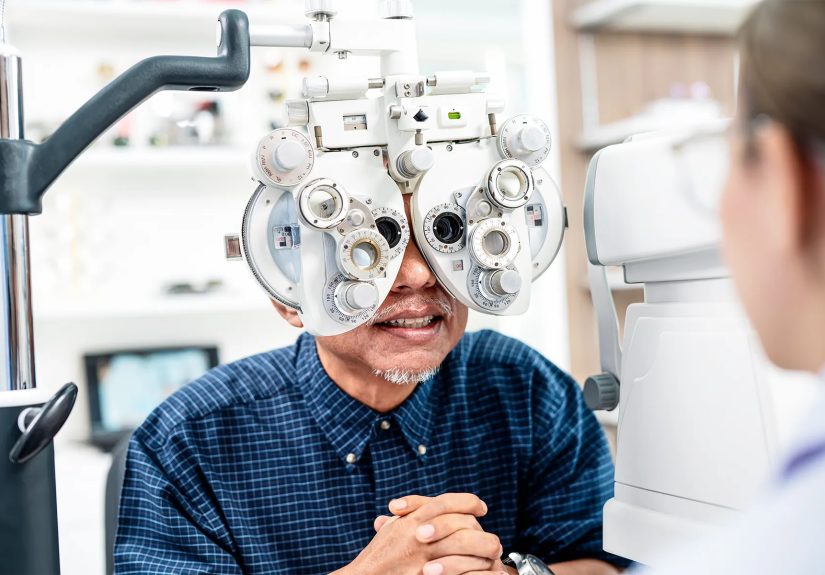
If you only see an eye doctor when you can’t read the menu anymore, your eyes deserve better. Comprehensive dilated eye exams let a professional look at the back of your eye, including the retina, optic nerve, and blood vessels. This type of exam is the gold standard for catching eye diseases early.
How often should you get an eye exam?
- Children: Regular vision checks during childhood help catch issues like lazy eye (amblyopia) or focusing problems early, when they’re easier to treat.
- Adults under 40: Every 2 years is a common recommendation if you don’t have symptoms or risk factors.
- Adults 40–60: Every 1–2 years, because age-related eye changes start creeping in (hello, reading glasses).
- Over 60 or higher risk: Often every yearespecially if you have diabetes, high blood pressure, a family history of glaucoma or macular degeneration, or you’ve had eye surgery.
Even if your vision seems “perfect,” regular exams help protect your eyes long before problems become obvious.
2. Eat Like You Actually Care About Your Eyes
You’ve probably heard that carrots are good for your eyes. That’s not just a myththough they’re only one piece of the puzzle. Your eyes rely on a mix of vitamins, minerals, and antioxidants to keep the retina, lens, and tear film healthy.
Eye-friendly nutrients to put on your plate
- Vitamin A: Supports night vision and the surface of your eye. Found in carrots, sweet potatoes, winter squash, and leafy greens.
- Lutein and zeaxanthin: Protective antioxidants that concentrate in the retina and may help reduce the risk of age-related macular degeneration and cataracts. Found in spinach, kale, collard greens, broccoli, peas, and egg yolks.
- Omega-3 fatty acids: Important for the tear film and retina; may help with dry eye. Found in salmon, trout, sardines, mackerel, flaxseeds, and walnuts.
- Vitamin C and E: Antioxidants that help protect eye tissues from oxidative stress. Found in citrus fruits, berries, bell peppers, almonds, sunflower seeds, and vegetable oils.
- Zinc: Helps carry vitamin A from the liver to the retina. Found in oysters, beef, poultry, beans, and fortified foods.
A simple rule: aim for a “colorful plate” most daysdeep greens, bright oranges, reds, and yellows. Those pigments often signal the presence of eye-supporting nutrients. Yes, you can absolutely still eat pizza; just invite some vegetables and fish to the party too.
3. Get Smart About Screens: Taming Digital Eye Strain
Our eyes were not designed for 10 hours of staring at glowing rectangles. That doesn’t mean screens are permanently “ruining” your vision, but they can cause digital eye strainalso called computer vision syndrome. Symptoms can include dry or burning eyes, headaches, blurred vision, and neck or shoulder pain.
Follow the 20-20-20 rule
The most famous eye-care rule on the internet is popular for a reason: it’s simple and it works for many people. About every 20 minutes, look at something at least 20 feet away for 20 seconds. This gives the focusing muscles in your eyes a mini break and encourages blinking, which helps re-wet your eyes.
If you find it hard to remember, try:
- Setting a gentle timer or reminder on your phone or computer.
- Using natural breakslike loading screens or ad breaksto look out a window.
- Keeping a sticky note with “20-20-20” on your monitor as a visual cue.
Optimize your screen setup
Your environment matters almost as much as the amount of time you spend on devices. A few tweaks can make a big difference:
- Distance: Keep your screen roughly an arm’s length away, with the top of the screen at or just below eye level.
- Lighting: Reduce glare by avoiding bright lights directly behind you or facing the screen. Use blinds or shades, and position lamps so they don’t reflect off the screen.
- Text size: Make the font bigger rather than leaning forward or squinting.
- Blink on purpose: We blink less when we focus on screens, which dries out the eyes. Practicing a few “full blinks” every couple of minutes can help.
What about blue light glasses?
Blue light from screens can interfere with sleep if you use devices late into the night, but current research doesn’t show that it’s directly damaging to your eyes in typical everyday use. Blue light–blocking glasses may help some people feel more comfortable, but they’re not a magic shield. Prioritizing breaks, good lighting, and healthy sleep habits is usually more impactful than buying another pair of glasses.
4. Protect Your Eyes from UV and Everyday Hazards
Wear real sunglasses, not just “fashion shades”
Ultraviolet (UV) radiation from the sun can contribute to cataracts, growths on the eye, and other damage over time. When shopping for sunglasses, look for labels that say they block 99–100% of UVA and UVB rays. Size matters too: larger frames or wrap-around styles offer better side protection.
Bonus points for pairing sunglasses with a wide-brimmed hat, especially during midday hours when the sun is strongest.
Use protective eyewear when life gets risky
Yard work, home improvement projects, and sports can all put your eyes at risk. Safety goggles or sports-rated protective eyewear are must-haves when:
- Using power tools, lawn mowers, weed trimmers, or drills.
- Working with chemicals or cleaning agents that could splash.
- Playing high-speed sports like racquetball, basketball, baseball, or hockey.
A single flying splinter or ball to the face can do more damage in one second than years of screen time. Safety glasses are far less nerdy than an eye injury.
5. Break the Habits That Secretly Sabotage Your Eyes
Quit smoking (your eyes will thank you)
Smoking increases the risk of cataracts, macular degeneration, and damage to the optic nerve. It also harms the tiny blood vessels that supply the eyes. Quitting isn’t easy, but it’s one of the most powerful steps you can take for your eyesight (and the rest of your body). If you smoke, talk to your healthcare provider about tools and programs that can support you.
Clean contact lenses like it actually matters (because it does)
If you wear contact lenses, your cleaning routine is a huge factor in your eye health. To reduce the risk of infection:
- Always wash and dry your hands before touching your lenses.
- Use fresh disinfecting solutionnever tap waterto clean and store lenses.
- Replace lenses on the schedule your eye care professional recommends, even if they “feel fine.”
- Avoid sleeping in lenses unless they’re specifically approved for overnight use and your eye doctor has okayed it.
Stop rubbing your eyes
Rubbing your eyes might feel satisfying in the moment, but it can irritate the delicate skin around them, worsen allergies, and in some people, even contribute to changes in the cornea over time. If your eyes itch or feel gritty, try artificial tears, a cool compress, or talk with an eye care professional about allergy treatments instead of grinding your knuckles into your face.
6. Support Your Eyes by Supporting Your Overall Health
Healthy eyes love a healthy body. Many of the same habits that prevent heart disease and diabetes also protect your vision.
- Manage chronic conditions: Keeping blood sugar, blood pressure, and cholesterol in healthy ranges is crucial for preventing damage to the tiny blood vessels in your eyes.
- Stay active: Regular physical activity supports circulation, which brings oxygen and nutrients to eye tissues.
- Sleep enough: Quality sleep gives your eyes time to rest and helps maintain a healthy tear film.
- Stay hydrated: Drinking enough water supports overall hydration, including your eyes, especially if you struggle with dryness.
Think of eye health as part of your whole-body wellness strategy, not a separate project.
7. Know the Warning Signs: When to Call an Eye Doctor
No articleeven a really good oneis a substitute for personalized medical care. Get prompt eye care if you notice:
- Sudden loss of vision in one or both eyes.
- A shadow or curtain over part of your vision.
- Sudden flashes of light or a dramatic increase in floaters.
- Eye pain, redness, or sensitivity to light that doesn’t resolve quickly.
- Double vision, especially if it comes on suddenly.
- Persistent blurry vision or trouble seeing at night.
These can be signs of serious conditions that require prompt treatment. When in doubt, it’s always better to get your eyes checked than to wait and worry.
8. Real-World Experiences: What Eye-Healthy Habits Look Like in Daily Life
All these tips sound great on paperbut what does “good eye care” actually look like on a busy day? Let’s walk through a few realistic scenarios to see how small choices add up.
The office worker who lives on screens
Imagine someone who spends most of the day working on a laptop, then relaxes with a tablet or TV at night (so, basically, half the planet). Here’s how they might apply these habits without flipping their whole life upside down:
- Morning: They start the day with a breakfast that includes eggs and spinach or a smoothie with leafy greens, berries, and flaxseedseasy ways to sneak in antioxidants and omega-3s.
- Workday: Their monitor sits about an arm’s length away, slightly below eye level. They’ve bumped up the text size so they’re not squinting. Every time a meeting ends or an email sends, they glance out a window for 20 seconds. That’s the 20-20-20 rule in action, built into natural pauses.
- Afternoon slump: When their eyes feel dry, they reach for preservative-free artificial tears instead of rubbing their eyes. A quick walk outside gives their focusing muscles a break and their body some movement.
- Evening: They try to switch from phone scrolling to a book, podcast, or conversation an hour before bed. That’s good for both eye comfort and sleep quality.
None of this requires special equipmentjust awareness and a few deliberate choices throughout the day.
The contact lens wearer who upgrades their routine
Now think about someone who wears contact lenses daily. They’re busy, so shortcuts are temptingtopping off old solution, skipping handwashing “just this once,” or sleeping in lenses after a long day. Over time, those shortcuts raise the risk of infections and irritation.
With a healthier routine, they:
- Keep a small bottle of soap and a clean towel near their lens case to make handwashing easy.
- Set a recurring reminder to replace their lenses on scheduleno more “I’ll push them an extra week.”
- Use a fresh puddle of solution every night instead of reusing old liquid.
- Switch to glasses in the evening a few times a week to give their eyes a breather.
These small changes don’t just reduce the risk of infectionthey usually make lenses feel more comfortable all day.
The parent managing kids, screens, and sunshine
For families, eye health can become part of everyday routines rather than a list of strict rules. A parent might:
- Encourage outdoor playparks, walks, bikingas a regular part of the day. More time outside has been linked with a lower risk of nearsightedness in kids.
- Set gentle screen limits, especially close-up handheld devices, and build in “look up and stretch” breaks.
- Make sunglasses part of the “going outside” routine, like putting on shoes or sunscreen.
- Schedule regular eye exams for their children, just like dental cleanings or pediatric checkups.
With repetition, these habits become normal, not naggingand kids grow up thinking eye protection is just part of taking care of themselves.
The big picture: progress, not perfection
You don’t have to perfectly follow every tip to protect your eyesight. Think in terms of progress, not perfection. Maybe you start by actually booking that overdue eye exam. Next month, you begin bringing a salad or veggies to lunch a few days a week. Then you adjust your screen setup and start using the 20-20-20 rule. Each step nudges your eyes toward a healthier future.
Your vision lets you read, work, drive, create, laugh at memes, and recognize the people you love. A few simple daily habitsand some expert backup from your eye doctorare a small price to pay to keep that view as clear and comfortable as possible.