Table of Contents >> Show >> Hide
- Why Low-Cost Home-Selling Tricks Work
- Quick Snapshot: The 12 Low-Cost Tricks
- 1. Declutter Like You’re Already Packing
- 2. Deep-Clean Until the House Smells Like Absolutely Nothing
- 3. Depersonalize the Space
- 4. Brighten Every Room
- 5. Patch, Caulk, and Fix the Tiny Annoyances
- 6. Use Paint Strategically, Not Extravagantly
- 7. Give the Front Door and Entry a Budget-Friendly Refresh
- 8. Tidy the Yard and Wash Away the Grime
- 9. Stage With What You Already Own
- 10. Give Kitchens and Bathrooms Mini Cosmetic Upgrades
- 11. Create Better Listing Photos and Sharper Marketing Copy
- 12. Price for Momentum and Stay Flexible
- Final Thoughts
- Real-World Experiences Sellers Commonly Have When Trying to Sell Fast on a Budget
Selling a house quickly does not always require a magazine-worthy renovation, a truckload of designer furniture, or a budget that makes your wallet file a formal complaint. In many cases, the fastest sales happen because a home feels clean, cared for, easy to understand, and priced to move. Buyers are not just shopping for square footage. They are shopping for confidence. They want to walk in and think, “Yes, I can live here,” not “Well, that ceiling stain has a backstory.”
If your goal is to sell your house fast without pouring money into a major remodel, the good news is that the most effective moves are often the simplest ones. Decluttering, cleaning, adding light, improving curb appeal, fixing small annoyances, and making your listing look sharp online can dramatically change how buyers respond. Think of it as giving your home a glow-up instead of a full-on reality show makeover.
Why Low-Cost Home-Selling Tricks Work
Buyers notice the little things
Fast-moving buyers make snap judgments. They notice clutter, dim rooms, chipped paint, strange smells, sticky drawers, and overgrown shrubs before they appreciate your “good bones.” Small, affordable improvements remove distractions and make the house feel move-in ready. That matters because buyers often pay more attention to visible condition than to your personal memories of hosting Thanksgiving in the dining room.
Your first showing usually happens online
Before a buyer steps through the front door, they usually meet your home on a screen. That means low-cost preparation has two jobs: make the house look better in person and make it photograph better. A tidy front porch, brighter rooms, cleaner counters, and fewer personal items all help your listing stand out without draining your savings.
Quick Snapshot: The 12 Low-Cost Tricks
- Declutter like you are already packing
- Deep-clean until the house smells like absolutely nothing
- Depersonalize the space
- Brighten every room
- Patch, caulk, and fix the tiny annoyances
- Use paint strategically, not extravagantly
- Give the front door and entry a budget-friendly refresh
- Tidy the yard and wash away the grime
- Stage with what you already own
- Give kitchens and bathrooms mini cosmetic upgrades
- Create better listing photos and sharper marketing copy
- Price for momentum and stay flexible
1. Declutter Like You’re Already Packing
If you do only one thing before listing, make it decluttering. A cluttered house feels smaller, busier, and harder to love. Buyers want to see open surfaces, visible floor space, and closets that do not look like they are hiding a second family. Start with countertops, bookshelves, coffee tables, entryways, and bedroom furniture. Then tackle cabinets, drawers, and closets, because buyers absolutely open those.
The cheapest way to make a room feel bigger is to remove stuff. Pack away off-season clothing, duplicate kitchen gadgets, extra toys, stacks of paperwork, and any furniture that blocks walkways. If needed, borrow bins or use inexpensive storage totes. You are moving anyway, so this is not wasted effort. It is pre-packing with a profit motive.
2. Deep-Clean Until the House Smells Like Absolutely Nothing
There is clean, and then there is “someone may inspect the baseboards today” clean. Go for the second kind. Dust ceiling fans, wipe trim, scrub bathrooms, mop floors, wash windows, clean appliances, and make sinks sparkle. Pay special attention to kitchens and bathrooms, where buyers tend to judge hardest and fastest.
And let’s talk about smell. The ideal scent for a house on the market is basically no scent at all. Heavy candles, plug-ins, and air fresheners can make buyers wonder what you are trying to hide. Open windows when possible, wash pet bedding, clean litter boxes, remove trash promptly, and shampoo rugs if necessary. A house that smells neutral feels fresher and better maintained.
3. Depersonalize the Space
Buyers need room to imagine their lives in your house. That gets harder when every wall is shouting your vacation photos, your children’s school portraits, and your proud collection of novelty chicken magnets. You are not erasing your personality forever. You are simply lowering the volume so buyers can hear their own thoughts.
Take down family photos, highly specific art, niche collections, and anything political, polarizing, or very customized. Keep a little warmth, but aim for broad appeal. Neutral styling helps people focus on the house itself rather than on your excellent taste in souvenir spoons.
4. Brighten Every Room
Dark rooms feel smaller and sadder, even when they are perfectly decent rooms with no reason to be so moody. Open curtains, lift blinds, clean windows, and replace dim bulbs with brighter warm-white bulbs that create a welcoming glow. Make sure every lamp works. If a corner looks gloomy, move in a lamp from another room instead of buying something new.
Also remove heavy drapes or bulky furniture that blocks natural light. Mirrors can help bounce light around, especially in hallways, entryways, and smaller bedrooms. This is one of the cheapest ways to make a home feel more cheerful, and cheerful homes tend to get better reactions.
5. Patch, Caulk, and Fix the Tiny Annoyances
Small issues create a big impression. A dripping faucet, loose doorknob, cracked switch plate, squeaky hinge, missing cabinet pull, or peeling caulk line does not necessarily cost much to fix, but together they can whisper, “This house has been ignored.” Buyers hear that whisper very clearly.
Walk through your home with a notepad and pretend you are a picky stranger. Patch nail holes, touch up scuffed walls, re-caulk sinks and tubs, tighten hardware, replace burned-out bulbs, and fix doors that stick. These are inexpensive repairs, but they suggest the entire home has been maintained with care. That confidence can help a house sell faster than a granite countertop ever will.
6. Use Paint Strategically, Not Extravagantly
You do not need to repaint every square inch of the house. You just need to target the places where paint will make the strongest difference. Focus on loud walls, heavily scuffed areas, dark rooms, and spaces that photograph poorly. Soft whites, warm greiges, light taupes, and gentle beige tones usually feel fresh without looking sterile.
Paint is one of the highest-impact, low-cost tools sellers have. A gallon can rescue a tired hallway, tone down a bold accent wall, and make a bedroom feel instantly calmer. Just resist the urge to get too creative. This is not the moment for a dramatic plum dining room unless you enjoy confusing your buyers.
7. Give the Front Door and Entry a Budget-Friendly Refresh
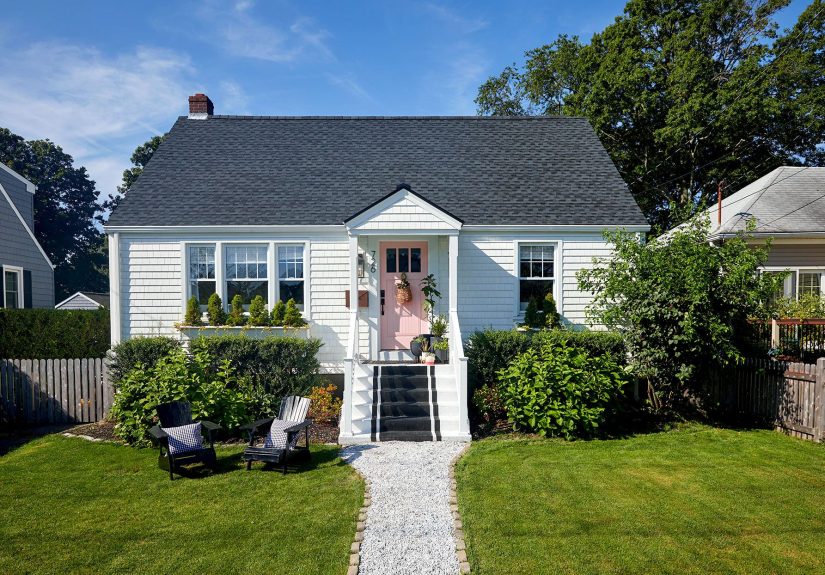
First impressions start at the curb, and your front door is the handshake. If it is faded, scratched, or just plain tired, give it a fresh coat of paint. Update the welcome mat, polish or replace the house numbers, tighten the mailbox, and make sure the porch light works. These details are inexpensive, but they signal that the home is loved.
Add one or two potted plants if the entry looks bare, and sweep the porch like your nosy neighbor is judging you. Because, frankly, a buyer probably will. A clean, inviting entrance makes the entire property feel more approachable before the lockbox even clicks open.
8. Tidy the Yard and Wash Away the Grime
Curb appeal does not have to mean a landscaping overhaul. Most of the time, it means mowing, edging, trimming, weeding, mulching, and removing anything that makes the yard look neglected. Put away hoses, toys, broken pots, and the half-finished weekend projects that only you can identify from ten feet away.
If you can borrow or rent a pressure washer, do it. Cleaning the driveway, walkway, porch, siding, or fence can make a house look instantly newer. Wash the front windows too. Dirt reads as neglect, while clean surfaces photograph better and suggest the property has been maintained. This is one of the most affordable ways to improve buyer interest fast.
9. Stage With What You Already Own
Good staging is not about pretending your home is a luxury hotel. It is about helping buyers understand scale, flow, and function. In many cases, you can do that without renting furniture. Rearrange what you already own so rooms feel open and purposeful. Pull oversized pieces away from walls if it improves flow, remove extra chairs, and give every room a clear job.
A guest room should look like a guest room, not a storage unit with emotional baggage. A breakfast nook should feel usable. A living room should invite conversation. Add simple touches like fresh towels, a bowl of fruit, clean throw pillows, or a tidy tray on the coffee table. Minimal, intentional styling goes a long way.
10. Give Kitchens and Bathrooms Mini Cosmetic Upgrades
You do not need a full renovation to make kitchens and bathrooms more attractive. Start with the basics: clear the counters, clean the grout, polish the faucets, and replace anything cheap-looking or obviously worn. New cabinet hardware, a fresh shower curtain, matching towels, updated lightbulbs, and crisp caulk lines can make these rooms feel noticeably fresher for very little money.
If your kitchen still has a dozen magnets, paperwork, and mystery crumbs on display, buyers may struggle to see potential. Keep counters mostly clear except for one or two simple decorative touches. In bathrooms, hide personal products and leave just enough on display to feel polished, not clinical. Think spa, not survival bunker.
11. Create Better Listing Photos and Sharper Marketing Copy
Your home’s online listing should not look like it was photographed during a power outage. Good lighting, straight lines, wide angles, and a tidy background matter. If professional photography fits your budget, it is often worth it. If not, use the best camera available, shoot during daylight, turn on lights, open blinds, and clean every visible surface before taking pictures.
The description matters too. Be specific, clear, and readable. Highlight what buyers care about: natural light, updated fixtures, flexible living space, storage, outdoor entertaining, walkable location, or recent maintenance. Avoid overblown phrases that sound like they were written by a haunted thesaurus. “Charming” is fine. “Celestial lifestyle oasis” is a cry for help.
12. Price for Momentum and Stay Flexible
The fastest way to make a home sit is to overprice it. The first days on market matter most because that is when your listing gets fresh attention. A competitive price creates urgency, more showings, and a better chance of strong offers. An optimistic price often creates silence, followed by awkward reductions and buyer suspicion.
Also be flexible where it costs little. Be accommodating with showings. Consider a small credit for a repair instead of insisting on perfection. If appropriate, offer simple seller concessions that help a buyer close. Fast sales often happen when sellers remove friction. In other words, do not let a rigid attitude slow down a home that is otherwise ready to move.
Final Thoughts
If you want to sell your house fast, focus on the moves that improve buyer confidence without torching your budget. Declutter, clean, brighten, repair, simplify, and make the home easy to love online and in person. Most buyers are not demanding a brand-new house. They are looking for a home that feels cared for, functional, and worth acting on quickly.
The smartest low-cost strategy is not to do everything. It is to do the right things in the right order. Start with the visible, affordable fixes that remove objections and improve first impressions. That is how you give your house a faster path to sold without spending like you are starring in a renovation show.
Real-World Experiences Sellers Commonly Have When Trying to Sell Fast on a Budget
One of the most common experiences sellers describe is realizing that the house they live in and the house they need to market are not exactly the same thing. A family may feel perfectly comfortable with shoes by the door, mail on the counter, and a treadmill in the guest room. But once showings begin, those same everyday details suddenly feel loud. Sellers who move fast usually have one big “aha” moment: they stop decorating for themselves and start editing for the buyer.
Another common experience is surprise at how powerful small fixes can be. Many homeowners assume they need a dramatic remodel to compete, only to find that a weekend of decluttering, a gallon of paint, new cabinet pulls, and a clean front porch can completely change the response. That shift often feels encouraging. Instead of being buried by a giant project, sellers can tackle one visible improvement at a time and see real progress quickly.
Sellers also learn that buyers react emotionally before they react logically. A bright, fresh-smelling living room can create more momentum than a long speech about the age of the water heater. A neat lawn and clean walkway can make buyers feel optimistic before they even ring the bell. This is why low-cost presentation work punches above its weight. It changes the mood of the experience, and mood matters more than many sellers expect.
There is often a lesson in overpricing, too. Sellers naturally want top dollar, especially when they have invested years of work into the property. But many discover that a “let’s just see what happens” price can backfire. The listing sits. Showings slow down. Buyers start wondering what is wrong. In contrast, homes priced with discipline tend to create stronger early interest, which often feels less stressful and more productive.
Another reality sellers talk about is how exhausting constant readiness can be. Keeping beds made, counters clear, and bathrooms spotless every day is not glamorous. It is basically a part-time job with better-smelling hand soap. But the payoff is that buyers can visit on short notice, and that flexibility often helps a home sell faster. Sellers who embrace the inconvenience for a short season usually come out ahead.
Finally, there is the emotional side. Selling a house can feel personal, because it is personal. People raised children there, painted those walls, planted those flowers, and probably assembled at least one impossible piece of furniture in the dining room. The sellers who do best often find a way to treat the process like a business decision without losing heart. They do the affordable work, stay open to feedback, and remember the goal is not to prove the house is perfect. The goal is to help the next person fall in love with it quickly.