Table of Contents >> Show >> Hide
- First, the “Can I Have Dessert?” Talk
- How to Build a Diabetes-Friendly Sweet Snack
- 12 Sweet Snacks and Treats That Feel Like Dessert (But Snack Like a Pro)
- 1) Berries + Whipped Cottage Cheese (or Greek Yogurt)
- 2) Plain Greek Yogurt Parfait (Berry + Nut Edition)
- 3) Chia Pudding (Two-Ingredient Base, Infinite Flavors)
- 4) “Chocolate” Avocado Pudding (Yes, Really)
- 5) Apple Slices + Peanut Butter + Cinnamon
- 6) Frozen Grapes (The “Candy” That Comes in a Fruit Bag)
- 7) Dark Chocolate Square + Almonds
- 8) Warm Baked Apple “Crumbles” (Microwave Version)
- 9) Ricotta “Dessert Bowl” with Vanilla and Berries
- 10) “Nice Cream” (Berry-Banana Blend, Portion-Smart)
- 11) Homemade Energy Bites (No-Bake, Not a Sugar Bomb)
- 12) Sugar-Free Gelatin with Fruit (Occasional, Not All-Day)
- Smart Swaps and “Dessert Math” That Actually Works
- When “Sugar-Free” Isn’t a Free Pass
- Bottom Line
- Real-Life Sweet Tooth Experiences (and What Actually Helps)
- Conclusion
If you live with diabetes, you’ve probably heard some version of:
“So… you can’t eat sugar, right?” (Usually said while someone is eating a frosted donut the size of a steering wheel.)
Let’s clear this up: having diabetes doesn’t mean you’re sentenced to a lifetime of sad celery and emotional support water.
It means sweets need a little strategylike a heist movie, but with berries.
This guide shares 12 diabetes-friendly sweet snacks and treats that feel like dessert, behave more like a balanced snack,
and don’t require you to “just have a tiny taste” while everyone else inhales cake. You’ll also get portion cues,
smart swaps, and real-world tips so you can enjoy sweet flavors while supporting steadier blood sugar.
First, the “Can I Have Dessert?” Talk
In most diabetes meal plans, sweets aren’t automatically bannedthey’re budgeted. The biggest lever is usually
total carbohydrate (not just “sugar”), plus the company those carbs keep: protein, fiber, and healthy fats.
When carbs show up solo, they tend to hit faster. When they arrive with fiber/protein/fat, digestion slows down, and blood sugar
typically rises more gradually.
Your needs may vary depending on diabetes type, medications (especially insulin), activity, sleep, stress, and your personal targets.
If you count carbs, you already know this is basically “math,” except the calculator is your body and the pop quiz is daily.
When in doubt, talk with your clinician or a registered dietitian for individualized guidance.
How to Build a Diabetes-Friendly Sweet Snack
Use this simple checklist (no lab coat required):
- Choose a naturally sweet base (fruit, yogurt, cocoa, cinnamon, vanilla).
- Add a “speed bump”: fiber (chia, flax, oats, nuts) and/or protein (Greek yogurt, cottage cheese, nut butter).
- Watch portionsespecially with dried fruit, granola, baked goods, and “healthy” snacks that still pack carbs.
- Prefer minimal added sugar. “Lower sugar” beats “no sugar” if the “no sugar” version is a sugar-alcohol gut grenade.
- Make it realistic: if it takes 45 minutes and a stand mixer, it’s not a snack; it’s a weekend project.
12 Sweet Snacks and Treats That Feel Like Dessert (But Snack Like a Pro)
1) Berries + Whipped Cottage Cheese (or Greek Yogurt)
Berries deliver sweetness with fiber, and high-protein dairy helps slow digestion. Blend cottage cheese with a splash of milk,
vanilla, and cinnamon until it turns into a “cheesecake-ish” cloud. Top with strawberries, blueberries, or raspberries.
Portion cue: 3/4–1 cup berries + 1/2 cup whipped cottage cheese.
2) Plain Greek Yogurt Parfait (Berry + Nut Edition)
The dessert impostor you’ll actually want to eat: plain, unsweetened Greek yogurt + berries + a sprinkle of chopped nuts.
Want more “treat” vibes? Add cocoa powder or cinnamon instead of sugar.
Quick build: 3/4 cup Greek yogurt + 1/2 cup berries + 1–2 tbsp walnuts/almonds.
3) Chia Pudding (Two-Ingredient Base, Infinite Flavors)
Chia seeds absorb liquid and become pudding-likewithout cooking. Bonus: fiber and healthy fats.
Mix chia with milk of choice, refrigerate, and top with berries or a few cacao nibs.
Base recipe: 2 tbsp chia + 1/2 cup milk, chill 2+ hours (or overnight). Add vanilla/cinnamon.
4) “Chocolate” Avocado Pudding (Yes, Really)
This one sounds like a prank until you taste it. Avocado provides creamy texture and healthy fats; cocoa brings the chocolate
flavor. Sweeten lightly with a non-caloric sweetener or a small amount of maple syrup, if it fits your carb plan.
Tip: Start with less sweetener than you thinkcocoa intensity builds as it chills.
5) Apple Slices + Peanut Butter + Cinnamon
Classic for a reason: fiber from the apple + protein/fat from peanut butter = a steadier snack than “just fruit.”
Cinnamon adds dessert vibes without adding carbs.
Portion cue: 1 small apple + 1–2 tbsp natural peanut butter.
6) Frozen Grapes (The “Candy” That Comes in a Fruit Bag)
Freeze seedless grapes and you’ll get a poppable, sweet treat that feels like sorbet bites.
They’re still carbs, so keep portions intentionalthis is “dessert,” not “eat the whole freezer.”
Portion cue: 1/2–1 cup frozen grapes in a bowl (not eaten straight from the bag).
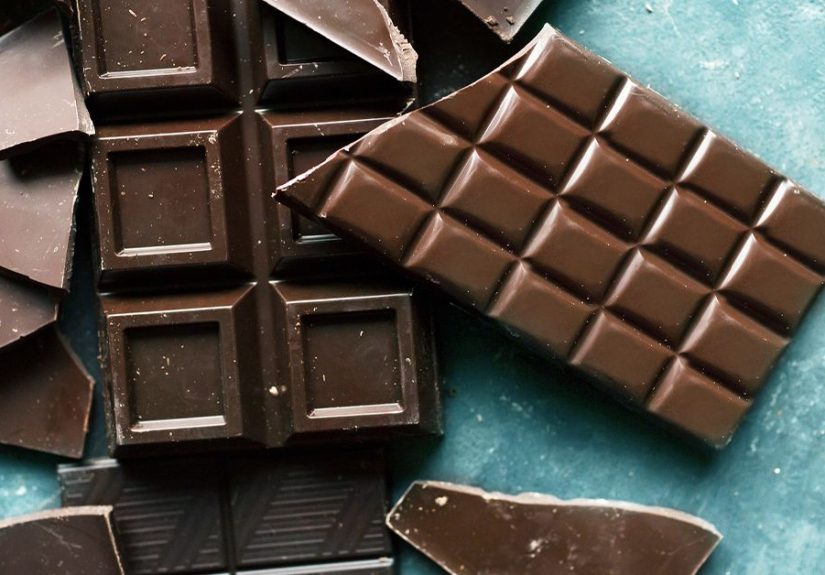
7) Dark Chocolate Square + Almonds
If you want chocolate, go for itjust choose it wisely. A small piece of dark chocolate paired with nuts is satisfying and
more balanced than candy alone. Aim for higher cocoa content if you like it.
Portion cue: 1–2 squares (about 10–20 g) + a small handful of almonds.
8) Warm Baked Apple “Crumbles” (Microwave Version)
Dice an apple, microwave until soft, then top with a spoonful of chopped nuts and cinnamon.
If you want crunch, add 1–2 tbsp oats (and count it as carbs).
Shortcut: Microwave 2–3 minutes with cinnamon + a splash of water. Finish with walnuts.
9) Ricotta “Dessert Bowl” with Vanilla and Berries
Ricotta is creamy, mild, and surprisingly dessert-friendly. Stir in vanilla extract and a dusting of cinnamon, then top with berries.
It’s like cheesecake’s chill cousin who doesn’t cause drama.
Portion cue: 1/2 cup part-skim ricotta + 1/2 cup berries.
10) “Nice Cream” (Berry-Banana Blend, Portion-Smart)
Blend frozen berries with a small amount of banana for sweetness and creamy texture. Banana can raise carbs quickly,
so keep it modest and let berries do most of the work.
Portion cue: 1 cup frozen berries + 1/4 banana + splash of milk, blended thick.
11) Homemade Energy Bites (No-Bake, Not a Sugar Bomb)
The goal is “fiber + protein + fat,” not “cookie dough cosplay.” Use oats, nut butter, ground flax/chia,
unsweetened coconut, and cocoa. Skip (or minimize) honey/maple syrup; if you use it, measure it like it’s expensive perfume.
Portion cue: 1–2 small bites, not a handful. These are dense.
12) Sugar-Free Gelatin with Fruit (Occasional, Not All-Day)
Sugar-free gelatin is low-carb and can satisfy a sweet craving. Pair it with berries for fiber and nutrients.
It’s fun, easy, and tastes like you’re at a nostalgic potluckminus the weird salad.
Tip: Great “something sweet” after dinner, especially if you’re not truly hungry.
Smart Swaps and “Dessert Math” That Actually Works
One of the most practical strategies is to treat dessert like part of the meal plan, not an unplanned bonus level.
If you want something sweet, you can often make it work by adjusting other carbs in that meal or snack.
For example, skip a starchy side at dinner and enjoy a fruit-and-yogurt dessert afterward.
Another trick: pair sweets with protein or fiber. If your treat is mostly carbs (ice cream, cookies, a muffin),
combining a smaller portion with a protein-rich option can help slow things down. It’s not “magic.” It’s just better physics.
When “Sugar-Free” Isn’t a Free Pass
“Sugar-free” can mean “no added sugar,” but it doesn’t automatically mean “no carbs” or “no blood sugar impact.”
Always check total carbs on the Nutrition Facts label, and pay attention to serving size (which is often adorable and unrealistic).
Also, many sugar-free candies and desserts use sugar alcohols (polyols). These can be helpful for reducing added sugar,
but they can also cause gas, bloating, or diarrhea in some peopleespecially in larger amounts. In other words:
your snack should not come with a plot twist.
Bottom Line
Diabetes-friendly sweets aren’t about deprivationthey’re about design. Choose treats built on fiber, protein, and healthy fats,
keep portions sensible, and use sweetness as part of your overall carb plan. You don’t have to “quit dessert.”
You just have to stop letting dessert drive the car.
Real-Life Sweet Tooth Experiences (and What Actually Helps)
Here’s the part most articles skip: cravings rarely happen in a vacuum. They happen at 9:47 p.m. when you’re tired,
your email is still haunting you, and your brain is yelling, “WE DESERVE A COOKIE.” If that sounds familiar, you’re not broken.
You’re humanone who lives in a world where donuts are basically a workplace love language.
A common experience is the “fruit confusion.” People get told to avoid sugar, then assume fruit is off-limits because it tastes sweet.
In reality, fruit portions can fitespecially when you choose whole fruit and pair it with protein or fat. A small apple with peanut butter
feels surprisingly indulgent, and it usually hits differently than, say, apple juice (which is basically fruit in fast-forward).
Many people report that simply switching from liquid sweets to chewable, fiber-containing sweets is a game-changer.
Another very real experience: the “I tried sugar-free and regretted it” saga. Sugar-free doesn’t always mean consequence-free.
People often learnthrough direct gastrointestinal feedbackthat some sugar alcohol–sweetened products are best enjoyed in modest servings.
The practical takeaway: if you’re trying a new sugar-free candy or dessert, start with a small portion when you’re at home,
not during a road trip or a wedding reception where the restroom line is already competitive.
Many folks also notice cravings spike when meals are too low in protein or too skimpy in general. If lunch is a “vibes-based salad”
(translation: lettuce and optimism), dessert cravings later are predictable. When meals include enough protein and fiber,
sweet cravings tend to become quieter and easier to negotiate. Not disappearjust become less bossy.
Social situations are their own category. People often do best with a simple plan: decide ahead of time what “worth it” dessert looks like.
Sometimes it’s two bites of a truly amazing brownie; sometimes it’s skipping the cake and going for coffee with whipped ricotta at home.
The point is to choose intentionally, not to white-knuckle through a dessert table like it’s a test of moral character.
Finally, the most consistent experience? Consistency beats perfection. People who do well long-term aren’t the ones who never eat sweets.
They’re the ones who build a reliable lineup of “safe-ish” treatsGreek yogurt parfaits, chia pudding, berries and ricottaso they’re not
constantly improvising with whatever sugary option is nearby. Think of it as keeping a fire extinguisher for cravings. Hopefully you don’t
need it often, but when you do, you’re very glad it’s there.
Conclusion
Sweet snacks for people with diabetes can be genuinely delicious when you lean on fiber, protein, and smart portions.
Start with a few options from the list above, keep your favorites stocked, and treat “dessert” as something you planlike any other part
of healthy eating. Your sweet tooth can stay. It just needs a better manager.