Table of Contents >> Show >> Hide
- Why Lilacs Still Belong in Modern Gardens
- 12 Types of Lilacs That Deserve a Spot in Your Garden
- 1. Common Lilac
- 2. ‘Beauty of Moscow’ Lilac
- 3. ‘Sensation’ Lilac
- 4. ‘Primrose’ Lilac
- 5. ‘Pocahontas’ Hyacinth Lilac
- 6. ‘Palibin’ Dwarf Korean Lilac
- 7. ‘Miss Kim’ Lilac
- 8. Persian Lilac
- 9. ‘Superba’ Littleleaf Lilac
- 10. ‘Miss Canada’ Preston Lilac
- 11. ‘Ivory Silk’ Japanese Tree Lilac
- 12. Bloomerang Reblooming Lilac
- How to Choose the Right Lilac for Your Yard
- Lilac Care Tips for More Flowers and Better Fragrance
- What Gardeners Experience When They Grow Lilacs
- Final Thoughts
- SEO Tags
Note: Body-only HTML, ready to copy and publish.
If spring had a signature scent, it would probably smell like lilacs. One whiff and suddenly you are ten years old again, standing in a backyard, wondering why the air smells like a fancy candle that somehow grew on a shrub. Lilacs have that effect. They are nostalgic, dramatic, delightfully old-fashioned, and still one of the best flowering shrubs for gardeners who want serious fragrance without turning the yard into a full-time job.
The best part is that lilacs are not a one-style-fits-all plant. Today’s gardeners can choose from towering heirloom shrubs, compact dwarf lilacs for smaller yards, elegant tree-form options, and modern reblooming selections that squeeze out flowers well beyond the usual spring encore. Whether you want clouds of classic lavender blooms, white flowers that glow at dusk, or a shrub that behaves itself near the patio, there is a lilac for that.
Most lilacs thrive in full sun, appreciate well-drained soil, and reward gardeners who prune them right after flowering instead of attacking them with shears at the worst possible moment. In return, they deliver the kind of perfume that makes people slow down on the sidewalk and ask, “What is that smell?” in the best possible way.
Why Lilacs Still Belong in Modern Gardens
It is easy to think of lilacs as grandmother’s shrubs, but that sells them short. Yes, they are traditional. Yes, they look fabulous next to a white fence. But they are also versatile landscape plants that can work in mixed borders, foundation plantings, privacy screens, cutting gardens, and even smaller urban spaces if you choose compact varieties. Lilacs also help extend the season when you mix early, midseason, late, and reblooming types.
Another reason gardeners still love them: fragrance. Plenty of shrubs bloom beautifully, but not all of them can perfume an entire corner of the yard. Lilacs can. Their flower clusters are showy, their color range is wider than many people realize, and many varieties attract pollinators while still delivering that old-school romantic look people want in a spring garden.
12 Types of Lilacs That Deserve a Spot in Your Garden
1. Common Lilac
Botanical name: Syringa vulgaris
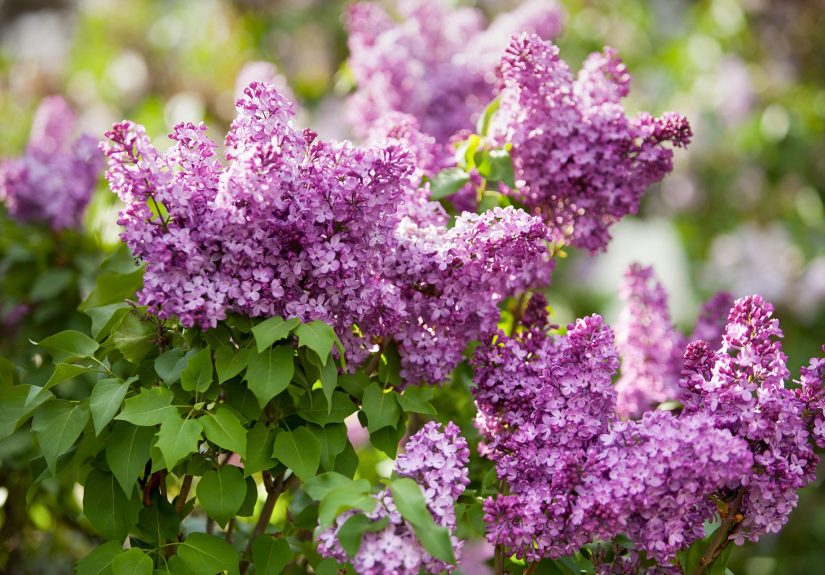
The common lilac is the classic purple-flowering shrub that launched a thousand springtime obsessions. It is large, upright, heavily fragrant, and exactly what many people picture when they hear the word “lilac.” If you want that traditional cottage-garden feel, this is the place to start. Common lilac can grow into a substantial shrub, which makes it ideal for screens, hedges, and back-of-border planting where it has room to show off.
Its big strength is perfume and presence. Its minor personality flaw is that older varieties can be more prone to powdery mildew in humid conditions. Still, if you have sun, airflow, and a love for old-fashioned spring drama, common lilac remains a garden superstar.
2. ‘Beauty of Moscow’ Lilac
Botanical name: Syringa vulgaris ‘Krasavitsa Moskvy’
If you like your shrubs a little glamorous, ‘Beauty of Moscow’ is your lilac. This famous cultivar opens with blush-pink buds and matures into double white flowers, giving the entire plant a soft, pearly glow. It is the botanical version of showing up to brunch in a vintage silk dress and somehow making everyone else look underdressed.
The fragrance is rich and sweet, and the flower clusters have a full, luxurious look that reads especially well in bouquets. Plant it where you can admire the color transition up close because this is not a shrub that should be banished to some anonymous corner of the yard.
3. ‘Sensation’ Lilac
Botanical name: Syringa vulgaris ‘Sensation’
Some lilacs whisper. ‘Sensation’ absolutely does not. Its purple florets are edged in crisp white, creating a two-tone effect that looks almost hand-painted. It is one of the easiest lilacs to recognize from across the garden, which makes it perfect for gardeners who want their spring bloom display to come with a bit of flair.
Despite the flashy flowers, this cultivar still offers the classic lilac fragrance people expect. Use it as a specimen shrub, or place it where passersby can admire it from a distance. It is a conversation starter before it is even fully open.
4. ‘Primrose’ Lilac
Botanical name: Syringa vulgaris ‘Primrose’
Yellow lilacs sound like something a gardener made up after too much coffee, but ‘Primrose’ is real, and it is wonderful. Its blooms are not traffic-cone yellow. Think soft butter, pale cream, and a gentle lemon wash that stands out because it is so unexpected in the lilac world.
‘Primrose’ is ideal for gardeners who already love lilacs but want something a little different without giving up fragrance or the classic shrub form. Pair it with darker evergreens or purple spring bulbs so the unusual flower color really pops. It is subtle, rare-looking, and delightfully hard to forget.
5. ‘Pocahontas’ Hyacinth Lilac
Botanical name: Syringa × hyacinthiflora ‘Pocahontas’
Impatient gardeners, meet your lilac. ‘Pocahontas’ is valued because it blooms earlier than many common lilacs, often by about a week or a little more depending on weather. The buds are deep maroon-purple, and the open flowers are richly colored and fragrant, so it arrives early and still makes a dramatic entrance.
This is an excellent choice if you want to stretch lilac season rather than have everything bloom at once in one glorious, sneeze-inducing weekend. Hyacinth lilacs are also often praised for better disease resistance, which makes ‘Pocahontas’ a smart and beautiful pick.
6. ‘Palibin’ Dwarf Korean Lilac
Botanical name: Syringa meyeri ‘Palibin’
Not everyone has room for a giant heirloom lilac that behaves like it pays the mortgage. ‘Palibin’ is the compact answer. This dwarf lilac usually stays in the 4- to 6-foot range, making it an excellent fit for smaller gardens, foundation beds, front walks, and low informal hedges.
It blooms generously, has a tidy rounded habit, and flowers at a relatively young age. The fragrance is lovely but the size is manageable, which is a dream combination for gardeners who want the lilac experience without needing a yard the size of a baseball diamond.
7. ‘Miss Kim’ Lilac
Botanical name: Syringa pubescens subsp. patula ‘Miss Kim’
‘Miss Kim’ is one of the most beloved compact lilacs for good reason. It offers fragrant pale lavender flowers, a dense growth habit, and attractive fall foliage that can take on burgundy tones. That means it is not just a one-season wonder. It has a spring performance and a respectable autumn comeback.
Gardeners also appreciate that ‘Miss Kim’ blooms a bit later than many traditional lilacs, helping bridge the gap between the early spring show and the rest of the season. If common lilac is the big extrovert, ‘Miss Kim’ is the polished friend who always looks put together and never arrives late without a good excuse.
8. Persian Lilac
Botanical name: Syringa × persica
Persian lilac has a lighter, finer texture than many larger lilac shrubs, with smaller leaves and a more graceful branching habit. It tends to stay relatively compact, often around 4 to 6 feet tall, though it can spread wider. The flowers are typically pale violet and sweetly fragrant, appearing in airy clusters that give the plant an elegant, less bulky look.
This is a wonderful option for gardeners who love fragrance but want a lilac that feels a bit looser and softer in the landscape. It works beautifully in mixed shrub borders where a giant thicket of stems would feel too heavy.
9. ‘Superba’ Littleleaf Lilac
Botanical name: Syringa pubescens subsp. microphylla ‘Superba’
‘Superba’ is proof that small leaves can still deliver big charm. This littleleaf lilac has rosy-lilac flowers, a refined texture, and an overall look that feels neat and polished. It is especially appealing in smaller gardens where every shrub has to earn its keep.
One of the reasons gardeners like ‘Superba’ is that it can sometimes offer a lighter repeat bloom later in the season, especially with good care. No promises of a nonstop floral marathon, but even the possibility of a second act makes it extra appealing. Think of it as a shrub that likes an encore when the conditions are right.
10. ‘Miss Canada’ Preston Lilac
Botanical name: Syringa × prestoniae ‘Miss Canada’
If your goal is to keep the lilac party going after the common lilacs have faded, ‘Miss Canada’ is a smart choice. This Preston lilac blooms later than many other types and carries bright pink flowers that bring fresh color to the late spring or early summer garden. That timing matters more than many gardeners realize. A late lilac can make the whole season feel longer and more layered.
It also grows into a substantial shrub, so it works well in bigger borders or as a flowering screen. The color is cheerful, the form is useful, and the later bloom time is downright strategic.
11. ‘Ivory Silk’ Japanese Tree Lilac
Botanical name: Syringa reticulata ‘Ivory Silk’
Not all lilacs are shrubs. ‘Ivory Silk’ is a Japanese tree lilac, which means it grows as a small ornamental tree or large shrub. It bears creamy white flower clusters later than most shrub lilacs, often in late spring to early summer, and can reach around 20 to 25 feet tall. In other words, it shows up when many gardeners assume lilac season is over and politely proves them wrong.
This is a great choice for people who want lilac fragrance and flowers in a more formal or tree-like form. It works near patios, driveways, or as a focal point in the front yard. Bonus points for attractive bark and a polished silhouette.
12. Bloomerang Reblooming Lilac
Botanical name: Syringa ‘Bloomerang’ and related selections
Bloomerang changed the lilac conversation by doing something gardeners deeply respect: blooming again. These reblooming lilacs flower in spring, take a short breather, and then return from mid- to late summer into fall. That is a huge selling point if you love lilacs but resent how briefly traditional varieties hold the stage.
Bloomerang plants also tend to be more compact than many old-fashioned lilacs, which makes them practical for modern landscapes. Plant one near a patio, front walk, or any place where repeat fragrance will be appreciated. It is the overachiever of the lilac family, and frankly, we love that for it.
How to Choose the Right Lilac for Your Yard
Choosing among the best lilac varieties comes down to four things: size, bloom time, color, and climate. If you have a small lot, lean toward compact choices like ‘Palibin,’ ‘Miss Kim,’ or a reblooming Bloomerang. If you want a dramatic privacy hedge or old-school backyard charm, common lilac or ‘Miss Canada’ may be a better fit. If your goal is a real focal point, ‘Ivory Silk’ can give you lilac fragrance in tree form.
Bloom sequence matters too. Plant an early bloomer like ‘Pocahontas,’ follow it with midseason classics like common lilac or ‘Beauty of Moscow,’ then add a later type such as ‘Miss Canada’ or ‘Ivory Silk.’ Toss in a reblooming Bloomerang and suddenly your lilac season feels much less like a short fling and much more like a real relationship.
Lilac Care Tips for More Flowers and Better Fragrance
Give them full sun
Lilacs bloom best with at least six hours of direct sun. Less light usually means fewer flowers and more frustration. The shrub is not being difficult. It is simply refusing to perform under bad stage lighting.
Prioritize drainage
Lilacs like well-drained soil and generally prefer neutral to slightly alkaline conditions. Wet feet are not charming on lilacs. They are a recipe for poor growth and fewer blooms.
Prune right after flowering
Lilacs set next year’s flower buds soon after they finish blooming. If you prune in late summer, fall, or winter, you may be cutting off next spring’s show. Deadhead spent blooms and shape plants soon after flowering if needed.
Do not overfeed with nitrogen
Too much high-nitrogen fertilizer can encourage leafy growth at the expense of flowers. You will end up with a healthy-looking shrub that forgot the whole point of being a lilac.
Choose newer or resistant selections in humid areas
Powdery mildew is often more cosmetic than catastrophic, but good air circulation and disease-resistant cultivars can keep plants looking far better through summer.
What Gardeners Experience When They Grow Lilacs
Living with lilacs in a garden is different from simply admiring them in photos. In real life, lilacs become seasonal landmarks. You start to measure spring by them. First the buds swell, then the color shows, then one warm afternoon the whole yard smells changed, as if someone quietly turned on the perfume setting for the season. Even gardeners who claim they are “mostly into foliage” tend to lose that argument when lilacs bloom.
One of the most common experiences gardeners talk about is anticipation. Lilacs make you wait. They are not the first thing to bloom, and they are definitely not the last, but they arrive at that sweet moment when spring starts feeling generous instead of tentative. After a gray winter, the first fragrant flower cluster feels like proof that the garden is back in business. It is not subtle. It is emotional. Plants are rude that way.
There is also the wonderful surprise of how different lilacs feel depending on where you plant them. A large common lilac at the back fence creates atmosphere. It becomes part of the backdrop, like a purple cloud behind the rest of the border. But a dwarf lilac near the front walk changes how you move through the space. Suddenly every trip to get the mail becomes a tiny scent detour. A reblooming lilac near the patio turns summer evenings into a better experience without requiring candles, sprays, or any weird contraptions from the home store.
Gardeners also learn quickly that lilac fragrance is not all the same. Some varieties smell deeply sweet and nostalgic. Others have spicy or clove-like notes. Some fill the air from several feet away, while others invite you to lean in closer. That difference matters, especially if you want shrubs near windows, seating areas, or entry paths. It is one thing to own a fragrant plant. It is another thing to place it where the fragrance actually gets used.
Then there is the bouquet factor. Every lilac gardener eventually cuts a few stems and brings them indoors, usually with the confidence of a floral designer and the stem prep skills of a raccoon with scissors. The flowers are gorgeous, but the real magic is what happens to a room when lilacs are in a vase. The scent softens the whole space. It feels old-fashioned, luxurious, and a little bit sentimental in the best possible way.
Of course, real experience includes learning curves. New gardeners discover that pruning at the wrong time means fewer blooms next year. Others realize the shrub that looked perfectly modest on the nursery tag has plans to become a neighborhood landmark. And nearly everyone learns that lilacs are happiest where they get enough sun and airflow. The good news is that once you understand those basics, they are not especially demanding plants. They simply prefer not to be fussed over incorrectly.
What stays with people most, though, is the mood lilacs create. They make gardens feel generous, lived-in, and connected to memory. They are not just pretty shrubs. They are spring markers, conversation starters, cut-flower providers, pollinator magnets, and scent machines all rolled into one. Plant the right mix of lilacs, and your garden will not just look better for a few weeks. It will feel more alive.
Final Thoughts
The best lilacs are not just about flower color. They are about timing, fragrance, size, and the role you want them to play in the landscape. A towering common lilac creates tradition. ‘Beauty of Moscow’ brings elegance. ‘Sensation’ adds drama. ‘Palibin’ and ‘Miss Kim’ prove small gardens can still smell amazing. ‘Miss Canada’ and ‘Ivory Silk’ stretch the season, while Bloomerang gives impatient gardeners another round of blooms.
If you choose your lilac varieties thoughtfully, you can build a garden that smells incredible from early spring into early summer, with maybe even a second performance later on. That is a lot of payoff from one beloved group of shrubs. Not bad for a plant most people first meet by sticking their nose into a flower cluster and immediately forgetting whatever else they were supposed to be doing.