Table of Contents >> Show >> Hide
- Why Caulk Is Such a Useful DIY Fix
- 1. Drafts Around Window Trim
- 2. Gaps Around Door Casings
- 3. Cracked or Moldy Shower Seams
- 4. The Seam Where Your Sink Meets the Counter
- 5. The Faucet Base That Always Looks Damp
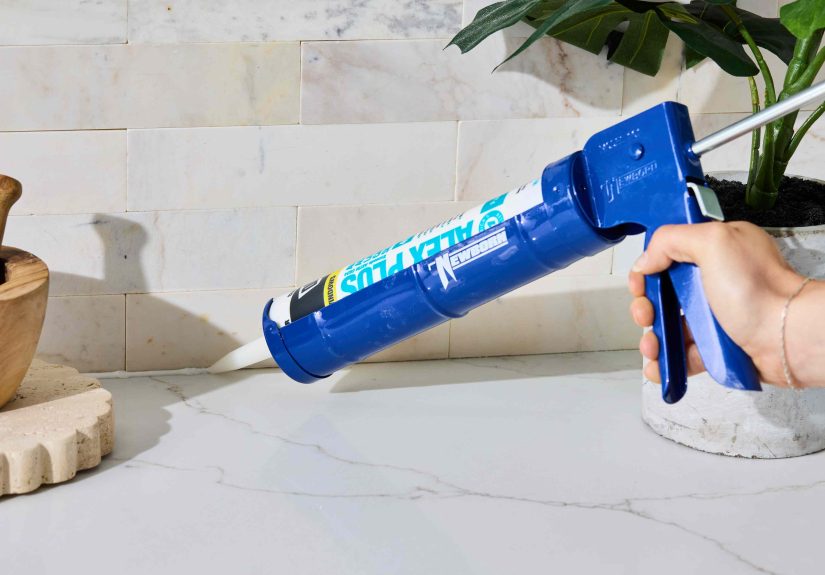
- 6. The Joint Between Countertop and Backsplash
- 7. Gaps Above, Below, or Between Baseboards
- 8. Cracks Along Crown Molding, Trim, and Door Frames
- 9. Small Gaps Around Vanities, Cabinets, and Wall-Mounted Fixtures
- 10. Hairline Cracks in Concrete, Masonry, or Foundation Surfaces
- How to Choose the Right Caulk for the Job
- Common Caulking Mistakes to Avoid
- Real-Life Lessons From a Very Unromantic Love Story With Caulk
- Conclusion
Caulk does not look glamorous. It will never be the star of a home makeover montage. No one has ever gasped, “Wow, stunning bead work.” And yet, this humble tube of goo can fix an impressive number of annoying household problems for the price of a takeout lunch. Drafty windows, ugly trim gaps, sneaky bathroom moisture, that weird crack between your backsplash and countertop that seems to collect every crumb in North Americacaulk can handle a lot of it.
Used correctly, caulk helps seal small gaps, block air leaks, improve energy efficiency, keep water where it belongs, and give your home a cleaner, more finished look. Used incorrectly, it turns into a rubbery regret snake stuck to everything you love. The trick is knowing where caulk works, which type to choose, and when not to squeeze the trigger.
Below are 10 practical home fixes you can tackle with caulk, plus advice on choosing the right product so you do not accidentally use paintable trim caulk in the shower and wonder why life feels unfair a week later.
Why Caulk Is Such a Useful DIY Fix
Caulk is designed to seal small gaps and joints between mostly stationary surfaces. That matters because homes are full of seams: where a sink meets a counter, where trim meets drywall, where a window frame meets the wall, and where baseboards reveal every little imperfection your house has collected over time. A good bead of caulk can stop air, moisture, dust, insects, and grime from sneaking through those gaps.
In general, paintable acrylic or latex caulk works well for trim and interior finish work, while silicone or kitchen-and-bath caulk is better for wet areas like tubs, showers, and sinks. Exterior jobs call for an exterior-grade product that can handle sun, rain, and temperature swings. For masonry or concrete hairline cracks, specialty concrete or polyurethane-style sealants are usually the better choice.
1. Drafts Around Window Trim
If your windows whistle in winter or let in hot air in summer, the problem may not be the glass. Often, it is the tiny gaps where the window frame meets the trim or surrounding wall. Those little cracks are basically an engraved invitation to outside air, moisture, and bugs.
What caulk fixes here
A smooth bead of exterior-grade caulk can seal the perimeter and help cut drafts, improve comfort, and reduce energy loss. It can also help protect the frame from moisture that leads to peeling paint or rot.
Best choice
Use a high-quality exterior caulk or sealant made for windows and doors. Look for flexibility, weather resistance, and strong adhesion.
What not to caulk
Do not caulk moving parts, window weep holes, or drainage paths. Those features exist for a reason, and sealing them can trap water where you definitely do not want it.
2. Gaps Around Door Casings
If your front door area feels drafty, the door itself is not always the villain. Sometimes the trim around the door has hairline cracks that leak air and make the whole entry feel less cozy than a horror movie foyer.
What caulk fixes here
Caulk can seal the narrow gaps between the door casing and the wall, improving the finished look while helping with air sealing. It is one of those tiny upgrades that makes a room feel more polished and slightly more expensive than it really is.
Best choice
Inside, a paintable acrylic latex or siliconized latex caulk usually works beautifully. Outside, switch to an exterior-grade product built for weather exposure.
3. Cracked or Moldy Shower Seams
If your shower caulk is cracked, shrinking, or spotted with mold, it is not “adding character.” It is announcing that water may be slipping into places it should not go. That can lead to mildew, damaged drywall, and the kind of home repair budget that ruins a perfectly good weekend.
What caulk fixes here
Re-caulking the joints around the shower pan, tub edge, or vertical corners restores a waterproof seal and gives the space a cleaner look. It is one of the most satisfying before-and-after fixes in the house.
Best choice
Use a bathroom-specific silicone or mold- and mildew-resistant kitchen-and-bath sealant. In wet zones, this is not the moment to get cute with painter’s caulk.
Pro tip
Remove the old caulk completely and let the surface dry before applying new caulk. New caulk over old, damp caulk is like putting a fresh bandage over a wet sock.
4. The Seam Where Your Sink Meets the Counter
That thin line around a sink does more work than it gets credit for. Every splash, spill, and dishwashing marathon sends water toward that seam. If it is not sealed well, moisture can creep into cabinetry, swell particleboard, and create that mysterious musty smell nobody wants to investigate.
What caulk fixes here
Caulk creates a waterproof barrier between the sink rim and the countertop. It also makes cleaning easier because crumbs and grime cannot set up permanent residence in the gap.
Best choice
Use 100% silicone or a kitchen-and-bath sealant designed for wet areas. Clear works for many countertops, but color-matched caulk can look more intentional.
5. The Faucet Base That Always Looks Damp
Some faucets come with a gasket, but the seal is not always perfect. Water can work its way around the faucet base, then slowly drip below the counter where it causes damage in stealth mode.
What caulk fixes here
A small bead around the base of the faucet can help block water intrusion and keep the area cleaner. It is a tiny fix with surprisingly big payoff, especially in busy kitchens and bathrooms.
Best choice
Use a silicone sealant intended for sinks, plumbing fixtures, or kitchen-and-bath use.
6. The Joint Between Countertop and Backsplash
This joint is the overachiever of kitchen messes. It catches splashes, grease, crumbs, sauce, soap, coffee, and every mystery droplet produced by normal life. If it is not sealed, moisture can get behind the backsplash and loosen adhesives or damage drywall.
What caulk fixes here
Caulk seals the seam, helps prevent water intrusion, and gives the countertop a more finished transition. It also makes wiping down the kitchen less of a archaeology project.
Best choice
Kitchen-grade silicone is usually the safest choice here, especially near sinks and cooking areas.
7. Gaps Above, Below, or Between Baseboards
Even beautifully installed baseboards can betray you with little gaps. Houses settle, floors move, walls wave like they were framed during a thunderstorm, and suddenly your trim looks less custom and more “close enough.”
What caulk fixes here
Paintable caulk hides small gaps between baseboards and walls, helps keep out dust and bugs, and makes the trim line look cleaner. It is one of the fastest ways to make a room feel more finished without replacing anything.
Best choice
Use paintable latex or acrylic latex caulk for most interior baseboards. If the area is prone to moisture, choose a product with mildew resistance.
8. Cracks Along Crown Molding, Trim, and Door Frames
Decorative trim has one job: make a room look sharper. Unfortunately, every tiny seam in trim also has one job: become visible the second sunlight hits it at the wrong angle. That is where caulk earns its paycheck.
What caulk fixes here
Caulk fills the small gaps where trim meets walls, ceilings, or adjacent pieces of molding. After paint, the result looks seamless, deliberate, and much more professional.
Best choice
Painter’s caulk or acrylic latex caulk is ideal because it is easy to smooth, dries fairly fast, and can be painted.
9. Small Gaps Around Vanities, Cabinets, and Wall-Mounted Fixtures
The gap between a bathroom vanity and the wall may seem harmless, until toothpaste foam, water drips, and dust decide to make it their forever home. The same goes for small gaps where built-ins or fixed fixtures meet the wall.
What caulk fixes here
Caulk seals narrow seams, keeps moisture and grime out, and improves the built-in look of the fixture. In bathrooms especially, that extra barrier helps reduce cleanup headaches.
Best choice
For dry areas, use paintable latex caulk. For bathroom vanities or other moisture-prone spots, a water-resistant kitchen-and-bath product is the better bet.
10. Hairline Cracks in Concrete, Masonry, or Foundation Surfaces
Not every crack means your house is auditioning for a disaster documentary. Small, non-structural hairline cracks in concrete, stucco, mortar, or masonry can often be sealed with the right repair caulk or sealant to keep out water, insects, and dirt.
What caulk fixes here
Specialty concrete or masonry repair caulk can seal minor cracks and help prevent them from becoming pathways for moisture or pests. It can also improve appearance if the product is paintable or textured to blend with the surface.
Best choice
Use a concrete, masonry, or polyurethane-style repair sealant formulated for that surface. If a crack is widening, recurring, or looks structural, stop and call a pro. Caulk is helpful, but it is not a structural engineer in a tube.
How to Choose the Right Caulk for the Job
- For trim, molding, and baseboards: Use paintable acrylic latex or painter’s caulk.
- For showers, tubs, sinks, and backsplashes: Use silicone or a mildew-resistant kitchen-and-bath sealant.
- For windows, doors, and exterior trim: Use exterior-grade caulk with strong flexibility and weather resistance.
- For concrete or masonry: Use a specialty concrete, mortar, or polyurethane repair sealant.
- For larger gaps: Caulk is best for small joints. Big gaps may need backer rod, foam, or an actual repair instead of heroic optimism.
Common Caulking Mistakes to Avoid
- Caulking a dirty or wet surface: Dirt and moisture ruin adhesion.
- Using the wrong formula: Paintable trim caulk is not shower caulk, and shower caulk is not always paintable.
- Skipping old caulk removal: New caulk sticks best to clean, sound surfaces.
- Applying too much at once: Giant beads look messy and often cure poorly.
- Forgetting cure time: Dry to the touch is not the same as fully cured.
- Caulking places that need drainage or movement: Weep holes, moving joints, and some siding laps should stay uncaulked.
Real-Life Lessons From a Very Unromantic Love Story With Caulk
The funny thing about caulk is that most people do not respect it until they use it properly once. Before that moment, it lives in the garage as a sticky mystery tube beside half a paint roller and a screwdriver that no one claims. Then one Saturday you decide to fix a tiny gap behind the bathroom sink, and suddenly you are walking around the house like a detective in a hardware store apron, spotting problems only caulk can solve.
That is usually how it starts. First it is the sink. Then you notice the line where the backsplash meets the counter. Then you see a crack along the baseboard in the hallway. Then you realize your window trim has been leaking air like it is getting paid by the breeze. By lunch, you have become the kind of person who says things like, “This room just needs a better seal.” It is a slippery slope, and frankly, a very affordable one.
One of the biggest surprises is how much caulk changes the look of a room, not just the function. You can repaint a wall, hang new art, or swap a light fixture, but if the trim has visible gaps and the bathroom corners look rough, the room still feels unfinished. A neat bead of caulk along trim, vanity edges, or backsplash lines makes everything look sharper. It is like ironing a shirt. Same shirt, wildly better impression.
The second surprise is how often the problem is not dramatic. Most caulk-related fixes are about quiet annoyances: the tiny draft near the window, the recurring dirt line behind the faucet, the little crack above the door frame that catches your eye every time you walk by. None of these scream emergency, but all of them quietly chip away at comfort and make a house feel older than it is. Caulk is not flashy because it works in the background. It handles the details that keep a home tidy, sealed, and easier to maintain.
There is also a humbling phase, and everyone should know about it. This is the stage where you apply way too much caulk, smear it with a paper towel, panic, wipe again, make it worse, and finally decide to blame the caulk gun. In reality, the tool is innocent. The real skill is patience: cut a small opening, keep the bead controlled, and smooth it before it starts setting up. Once you learn that, the whole job gets easier. You stop trying to win with volume and start winning with precision.
Another lesson: caulk rewards preparation more than enthusiasm. The best projects happen when the old caulk is removed, the area is dry, the right formula is chosen, and the bead is applied where it actually belongs. The worst projects happen when someone decides that every crack in the home is emotionally ready for silicone. That is how you end up caulking something that was supposed to drain, breathe, or move. A little product knowledge saves a lot of regret.
In the end, caulk earns its place because it solves real household problems without requiring a contractor, a giant budget, or an engineering degree. It is one of the rare DIY tools that can improve comfort, block moisture, cut drafts, make trim look better, and keep grime from collecting in impossible places. Not bad for a tube of material that looks like it should come with zero personality. Caulk may be humble, but in a well-kept home, it is absolutely pulling its weight.
Conclusion
If you want the highest return on the smallest DIY effort, caulk deserves a permanent spot in your toolkit. It can stop drafts around windows and doors, seal wet zones in bathrooms and kitchens, clean up the look of trim and baseboards, and even help protect certain concrete or masonry surfaces from minor moisture intrusion. The secret is matching the caulk to the job: paintable latex for trim, silicone for wet areas, exterior-grade sealant for outdoor joints, and specialty repair products for masonry.
Think of caulk as the detail-oriented friend your house has been waiting for. It is not here for dramatic reinvention. It is here to close the little gaps that let comfort, cleanliness, and efficiency slip away. And honestly, that is heroic enough.
Note: Caulk is best for small, non-structural gaps and joints. It is not a substitute for repairing major leaks, failed flashing, structural cracking, or significant water damage.