Table of Contents >> Show >> Hide
- What “Low-Sodium” Really Means (and Why Your Heart Cares)
- How to Keep Appetizers Low-Sodium Without Making Them Sad
- 14 Low-Sodium Appetizers Under 250 Calories
- 1) Party-Ready Potato Skins (with a heart-smart twist)
- 2) Black-Eyed Pea “Hummus” with Lemon and Smoked Paprika
- 3) Fruit Platter with Maple-Mascarpone “Cloud” Dip
- 4) Deviled Eggs with Avocado and Dijon
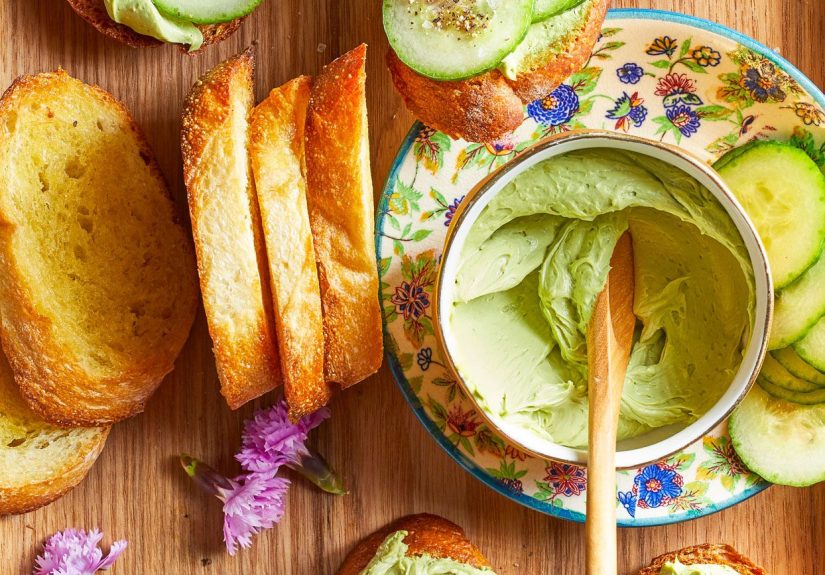
- 5) Cucumber Tea Sandwich Bites (that don’t taste “tiny”)
- 6) Turkey-Cranberry Roll-Ups
- 7) “Figs in a Blanket” (sweet, savory, and not overly salty)
- 8) Slow-Cooker Cranberry BBQ Meatballs
- 9) Two-Tomato Bruschetta on Whole-Grain Crostini
- 10) Garden Party Tea Sandwiches with Edible Flowers (optional, but delightful)
- 11) Sweet-Smoky Bacon-Wrapped “Smokies” (lighter version)
- 12) Air-Fryer Pumpkin Seeds (three flavor moods)
- 13) Pickle “Poppers” (the crunchy-creamy-spicy situation)
- 14) Ricotta-Parmesan Spread with Crunchy Veggies
- How to Build a Low-Sodium Appetizer Spread That Feels Like a Party
- Extra Tips for Staying Low-Sodium (Without Being the Fun Police)
- Conclusion: Big Flavor, Smaller Sodium
- Experiences: What It’s Like to Host (and Snack at) a Low-Sodium Party
Let’s be honest: “party food” has a reputation. It’s often salty, greasy, and mysterious (why is that dip so addictive… and why do we keep going back with the same chip that keeps breaking?).
The good news is you can absolutely serve appetizers that feel fun and indulgent without blowing your sodium budgetor your calorie goals.
This guide rounds up 14 low-sodium appetizers that are heart-healthy and come in under 250 calories per serving. They’re designed for real life: quick to assemble, easy to scale for a crowd,
and flavorful enough that nobody has to whisper, “Is this… diet food?” at your kitchen island.
What “Low-Sodium” Really Means (and Why Your Heart Cares)
Sodium isn’t the villain in a cartoon capeyour body needs it for fluid balance and nerve function. The problem is that many of us get far more than we realize,
mostly from packaged foods, restaurant meals, condiments, and “just one more handful” of snacks.
For packaged foods, the term “low sodium” has a specific meaning on labels. But for home cooking, it’s more practical to think in patterns:
choose mostly whole ingredients, use bold flavors that don’t rely on salt, and treat salty add-ons (cheese, cured meats, bottled sauces) like a supporting actornot the star.
A quick reality check before we snack
- “Low sodium” on a label is typically a per-serving claimso portion size still matters.
- Under-250 calories can happen even with satisfying ingredients if you keep portions realistic (yes, even potato skins).
- Heart-healthy usually means more plants, more fiber, healthier fats (like olive oil, nuts, avocado), and less saturated fat and ultra-processed extras.
How to Keep Appetizers Low-Sodium Without Making Them Sad
The secret isn’t “no salt forever.” The secret is flavor layering. When appetizers taste bright, herby, smoky, tangy, crunchy, and a little creamy,
your brain doesn’t miss the salt spotlight.
3 simple rules that work for almost any recipe
- Start with fresh: fruits, veggies, unsalted nuts, plain yogurt, eggs, fresh meats, and herbs naturally contain far less sodium than processed snacks.
- Use “big flavor” boosters: lemon/lime juice, vinegar, garlic, onion, ginger, black pepper, chili flakes, smoked paprika, cumin, and fresh herbs.
- Control the salty ingredients: choose reduced-sodium versions (beans, broths, deli meats), measure cheese, and make your own dips when possible.
Note on nutrition: The calorie and sodium estimates below are typical ranges for a reasonable party portion. Your exact numbers will vary depending on brands,
portion sizes, and whether you add salty toppings. (Looking at you, “extra feta.”)
14 Low-Sodium Appetizers Under 250 Calories
1) Party-Ready Potato Skins (with a heart-smart twist)
Potato skins can be surprisingly reasonable when you keep the toppings strategic. Use small potatoes (or halve baby potatoes), crisp them in the oven or air fryer,
and top with a measured sprinkle of reduced-sodium cheese plus fresh tomato and green onion.
- Keep sodium down: Swap salty bacon for a few crumbles of turkey bacon or smoked paprika + diced mushrooms for that savory vibe.
- Heart-healthy upgrade: Serve with plain Greek yogurt mixed with lime juice and chives instead of sour cream.
- Estimated per serving: 180–240 calories; ~180–380 mg sodium.
2) Black-Eyed Pea “Hummus” with Lemon and Smoked Paprika
Chickpeas get all the attention, but black-eyed peas make an ultra-creamy dip with a slightly earthy flavor that feels Southern and modern at the same time.
Blend with tahini, lemon juice, garlic, and a drizzle of olive oil.
- Keep sodium down: Use no-salt-added or reduced-sodium peas/beans; rinse and drain well.
- Heart-healthy upgrade: Serve with bell peppers, cucumber spears, and carrots instead of salty crackers.
- Estimated per serving: 90–140 calories (about 2–3 Tbsp); ~60–180 mg sodium.
3) Fruit Platter with Maple-Mascarpone “Cloud” Dip
If you want guests to eat fruit like it’s a hobby, give them something creamy to dunk it in. A simple dip made with mascarpone and a touch of maple syrup feels fancy
without being heavyespecially when paired with berries, melon, grapes, and apple slices.
- Keep sodium down: Choose plain mascarpone and keep add-ins simple. You can also fold mascarpone into plain Greek yogurt to lighten it up.
- Heart-healthy upgrade: Add cinnamon and vanilla for “dessert energy” without extra sugar or salt.
- Estimated per serving: 120–200 calories; ~40–120 mg sodium.
4) Deviled Eggs with Avocado and Dijon
Deviled eggs are basically edible little celebrations. Mash yolks with avocado, a squeeze of lemon, pepper, and a small spoonful of Dijon for tang.
Top with paprika, chopped chives, or a dusting of chili powder.
- Keep sodium down: Skip salty cured toppings; use lemon and spices instead of extra salt.
- Heart-healthy upgrade: Avocado adds unsaturated fat and makes the filling creamy without extra mayo.
- Estimated per serving: 70–110 calories (2 halves); ~70–160 mg sodium.
5) Cucumber Tea Sandwich Bites (that don’t taste “tiny”)
These look fancy, but they’re basically a snack in a tuxedo. Use thin slices of whole-grain bread (or rye), spread with an herby yogurt-cheese blend,
then layer cucumber, radish, and fresh dill.
- Keep sodium down: Use a reduced-sodium or whipped cheese spread, and add extra herbs + lemon zest to punch up flavor.
- Heart-healthy upgrade: Whole grains + crunchy vegetables = more fiber and volume without many calories.
- Estimated per serving: 90–140 calories (2 small bites); ~120–240 mg sodium.
6) Turkey-Cranberry Roll-Ups
Sweet-tart cranberry plus savory turkey is a classic combolike the best part of a holiday sandwich, minus the nap. Spread a thin layer of cream cheese or
Greek yogurt “schmear,” add turkey, a few cranberries (fresh or low-sugar dried), and roll.
- Keep sodium down: Choose reduced-sodium deli turkey (or use leftover roasted turkey you seasoned yourself).
- Heart-healthy upgrade: Add arugula or baby spinach for a peppery bite and extra nutrients.
- Estimated per serving: 120–200 calories; ~180–380 mg sodium.
7) “Figs in a Blanket” (sweet, savory, and not overly salty)
This is the appetizer equivalent of wearing a blazer with sneakers: unexpectedly classy and weirdly effective. Wrap fresh figs (or fig halves) with a small piece of
reduced-sodium chicken or turkey sausage, then bake until warm and crisp.
- Keep sodium down: Sausage is where sodium hidespick a lower-sodium brand and keep portions bite-sized.
- Heart-healthy upgrade: Add a balsamic drizzle for big flavor without salt.
- Estimated per serving: 170–240 calories; ~220–420 mg sodium.
8) Slow-Cooker Cranberry BBQ Meatballs
Meatballs can be party-perfect and heart-smart if you go lean and make a simple sauce. Use ground turkey, oats (instead of salty breadcrumbs),
and season with garlic, onion, black pepper, and smoked paprika. Simmer in a cranberry-tomato sauce you control.
- Keep sodium down: Use no-salt-added tomato sauce/paste, and flavor with vinegar, spices, and a touch of fruit.
- Heart-healthy upgrade: Lean protein + portion control: serve 2–3 meatballs with toothpicks.
- Estimated per serving: 180–240 calories; ~180–380 mg sodium.
9) Two-Tomato Bruschetta on Whole-Grain Crostini
Fresh tomatoes bring brightness; sun-dried tomatoes bring intensity. Combine both with basil, parsley, garlic, and olive oil, then spoon onto toasted
whole-grain baguette slices. The result tastes “restaurant-y” in the best way.
- Keep sodium down: Use unsalted or low-sodium sun-dried tomatoes (or rinse oil-packed ones and pat dry).
- Heart-healthy upgrade: Whole grains + olive oil = a Mediterranean-style vibe that loves your arteries back.
- Estimated per serving: 110–170 calories (2 pieces); ~120–260 mg sodium.
10) Garden Party Tea Sandwiches with Edible Flowers (optional, but delightful)
If you want an appetizer that makes people pull out their phones, this is it. Make tiny open-faced sandwiches with a thin spread of herbed ricotta or yogurt,
add cucumber ribbons or microgreens, and top with edible flowers like violas.
- Keep sodium down: Let herbs, lemon zest, and pepper do the heavy lifting; skip salty seasoning blends.
- Heart-healthy upgrade: Veg-forward bites help balance richer party foods (and your guests will feel fancy).
- Estimated per serving: 80–140 calories; ~80–220 mg sodium.
11) Sweet-Smoky Bacon-Wrapped “Smokies” (lighter version)
You can keep the sweet-salty party classic while dialing down the sodium. Use turkey bacon and look for lower-sodium cocktail sausages.
Add a quick glaze of maple syrup, smoked paprika, and a pinch of chili flakes.
- Keep sodium down: Brand choice matters herethis is one appetizer where “low-sodium” shopping pays off.
- Heart-healthy reality check: This one’s best as an occasional bitekeep portions to 1–2 pieces.
- Estimated per serving: 160–240 calories; ~250–450 mg sodium.
12) Air-Fryer Pumpkin Seeds (three flavor moods)
Crunchy, snackable, and surprisingly satisfying. Toss pepitas with a tiny amount of oil, then season and air-fry until toasted.
Offer a trio so guests can “sample” (which is party code for “eat a handful of each”).
- Keep sodium down: Skip salt; use spice blends like cinnamon + cocoa, chili-lime, or smoked paprika + garlic powder.
- Heart-healthy upgrade: Pumpkin seeds offer healthy fats and a little protein to keep people satisfied.
- Estimated per serving: 120–180 calories (about 2 Tbsp); ~0–120 mg sodium.
13) Pickle “Poppers” (the crunchy-creamy-spicy situation)
Classic poppers can be sodium-heavy, but you can create the same vibe with smarter swaps. Use mini sweet peppers or cucumber spears,
fill with a yogurt-based herb dip, add a pinch of chili, and wrap with a thin strip of reduced-sodium deli turkey.
- Keep sodium down: If you use actual pickles, choose lower-sodium varieties or make quick-pickled cucumbers at home.
- Heart-healthy upgrade: More veggies, less cheese-heavy filling, and plenty of flavor from herbs and spice.
- Estimated per serving: 70–140 calories (2–3 pieces); ~150–350 mg sodium.
14) Ricotta-Parmesan Spread with Crunchy Veggies
This is the dip you put out “just to have something,” and suddenly everyone is hovering around it like it’s the main event.
Mix part-skim ricotta with a small amount of Parmesan, lemon juice, black pepper, garlic, and chopped basil.
- Keep sodium down: Parmesan is saltymeasure it. You can also use nutritional yeast for a cheesy vibe with less sodium.
- Heart-healthy upgrade: Serve with raw veggies (snap peas, peppers, cucumbers) and a few whole-grain pita wedges.
- Estimated per serving: 90–160 calories (about 2 Tbsp); ~120–260 mg sodium.
How to Build a Low-Sodium Appetizer Spread That Feels Like a Party
The easiest way to keep sodium reasonable is to balance “prepared” items with naturally low-sodium foods. Think of it like a playlist:
if every song is heavy metal, your ears get tired. If every appetizer is salty, your body does too.
A simple mix-and-match formula
- 1 dip (black-eyed pea hummus or ricotta spread)
- 2 crunchy vehicles (bell peppers, cucumber spears, carrots, whole-grain pita wedges)
- 1 protein bite (deviled eggs or turkey-cranberry roll-ups)
- 1 “fun warm” option (potato skins or meatballs)
- 1 sweet closer (fruit platter with maple-mascarpone dip)
That lineup feels abundant, hits different textures, and naturally keeps the sodium “center of gravity” lower because fruits and vegetables take up so much space on the table.
Plus, guests leave thinking, “Wow, that was delicious,” not “Wow, I need to drink the entire pitcher of water.”
Extra Tips for Staying Low-Sodium (Without Being the Fun Police)
- Rinse canned beans to wash away a meaningful portion of sodium clinging to the surface.
- Choose reduced-sodium versions of deli meat, broth, canned tomatoes, and sauces when you can.
- Use acids (lemon, lime, vinegar) to brighten flavors so you need less salt.
- Serve dressings and sauces on the side so people control how much they use.
- Lean on herbs and spice blends that are salt-free (check labelssome “seasoning” mixes are sneaky).
Conclusion: Big Flavor, Smaller Sodium
Low-sodium appetizers don’t have to be bland, fussy, or “health food” in disguise. When you start with fresh ingredients and build flavor with herbs, citrus, spices,
and smart swaps, you can serve crowd-pleasing bites that support heart healthand still feel like a treat.
If you want one takeaway: aim for a table that’s heavy on produce, balanced with satisfying protein and a couple of warm “party classics” made with better-for-you choices.
Your heart (and your guests) will thank you.
Experiences: What It’s Like to Host (and Snack at) a Low-Sodium Party
The first time people try a low-sodium appetizer spread, there’s often a moment of mild panicusually from the host. It sounds something like,
“What if everyone thinks this tastes… healthy?” (In American party language, that is not automatically a compliment.) But here’s what tends to happen in real kitchens:
if the food is flavorful and the table looks abundant, nobody misses the salt shaker. They’re too busy deciding whether to start with the bruschetta or the deviled eggs.
A common experience is realizing that sodium cravings are often flavor cravings. When you put out a dip that’s bright with lemon and garlic,
or a tray of potato skins that smell smoky from paprika and pepper, the “need” for salt drops fast. People go back for seconds because the food is satisfying,
not because it’s aggressively salty. It’s also surprisingly helpful for conversation: guests start asking what’s in the hummus, or why the yogurt dip tastes so good,
and suddenly you’re swapping spice ideas instead of talking about the weather for 20 minutes.
Another real-life win is how much easier it feels to snack when most of the spread is produce-based. When the centerpiece is a fruit platter and crunchy vegetables
with a great dip, people naturally build plates that are lighterbut still fun. In many households, this becomes the “secret strategy” for gatherings:
keep a warm option or two for comfort (meatballs, potato skins), but let fruits and vegetables do the heavy lifting. The table looks colorful, guests feel good,
and you’re not stuck refilling a bowl of salty chips every seven minutes like it’s your job.
Of course, there are a few learning curves. Deli meats and cheeses can sabotage sodium goals fast, so hosts often discover the power of reading labelsespecially on
“little” ingredients like mustard, hot sauce, or seasoning mixes. The funny part is that once you start noticing sodium on labels, you can’t unsee it.
You’ll find yourself doing quick mental math in the grocery aisle like you’re training for the Olympics: “Okay, this turkey is lower sodium, but this cheese is not…
if I use half as much cheese and add more herbs, we’re back in business.”
The biggest experience-based takeaway is that low-sodium entertaining works best when it’s built on confidence, not restriction. Instead of announcing,
“Everything here is low sodium,” you simply serve food that tastes amazingand let that be the headline. If someone asks, you can mention the swaps:
Greek yogurt instead of sour cream, herbs and citrus for flavor, reduced-sodium turkey, measured Parmesan. But most of the time, the “review” you’ll hear is something like:
“These are incrediblecan you send me the recipe?” And that’s the best outcome, because it means your guests aren’t just eating heart-healthy appetizers once.
They’re bringing the idea home.